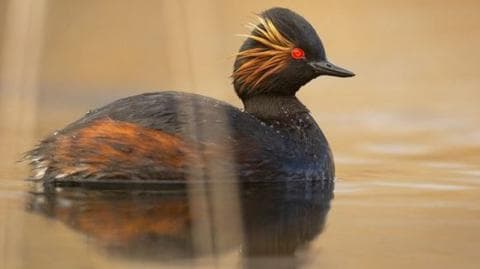
A transformed wetland in Cheshire has become the nation's most significant breeding site for black-necked grebes, one of Britain's rarest nesting birds. Woolston Eyes, situated near Warrington, now supports almost two-thirds of the country's breeding population of the species, marking a remarkable conservation achievement.
The reserve was once used as a dumping ground for material dredged from the Manchester Ship Canal. Since 2021, the site has been painstakingly restored into a network of freshwater pools, reedbeds, willow scrub and rough grassland by the Woolston Eyes Conservation Group and the RSPB, transforming it into a haven for wildlife.
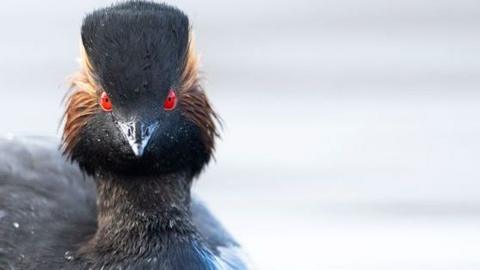
Black-necked grebes are instantly recognisable by their distinctive golden facial tufts and bright red eyes. Across the UK, the species typically averages around 55 breeding pairs annually. According to the RSPB's latest records, Woolston Eyes achieved a record 35 breeding pairs in 2025, representing 64% of the national breeding population.
The colony's expansion began when four pairs first nested on the newly restored site in 2023, successfully raising 15 young. By spring 2025, the reserve hosted over 60 birds in total, with 29 pairs nesting specifically in the newly restored wetland area.
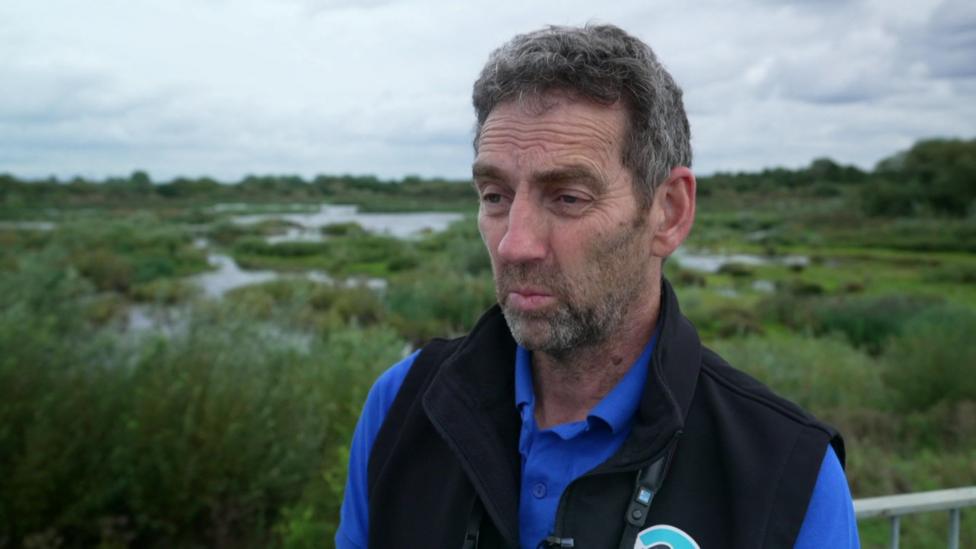
It is fantastic to see black-necked grebe numbers increasing at Woolston Eyes. The rapid growth in numbers shows how effective targeted conservation action can be.These words came from RSPB ecologist Gavin Thomas, reflecting on the project's success.
Robin Horner from the RSPB described the growth as remarkable given the species' scarcity in Britain.
This spring they had over 60 birds present on site. It doesn't sound a lot but when you consider how scarce it is in the UK it's pretty amazing. It's one of those real success stories where industry and wildlife can actually work together.

How does this compare to other UK breeding sites?
Woolston Eyes now stands as arguably the country's most important breeding location for black-necked grebes, according to a 2024 publication from the British Trust for Ornithology. The reserve's significance is underscored by the fact that breeding black-necked grebes have been recorded there since 1987, though numbers have surged dramatically following recent habitat restoration work.
The reserve supports not only black-necked grebes but also provides nesting habitat for Great Crested Grebes, Little Grebes, Teal, Shoveler, Mallard, Pochard, Gadwall and Tufted Ducks, making it a biodiversity hotspot across multiple waterfowl species.
How can visitors access the reserve?
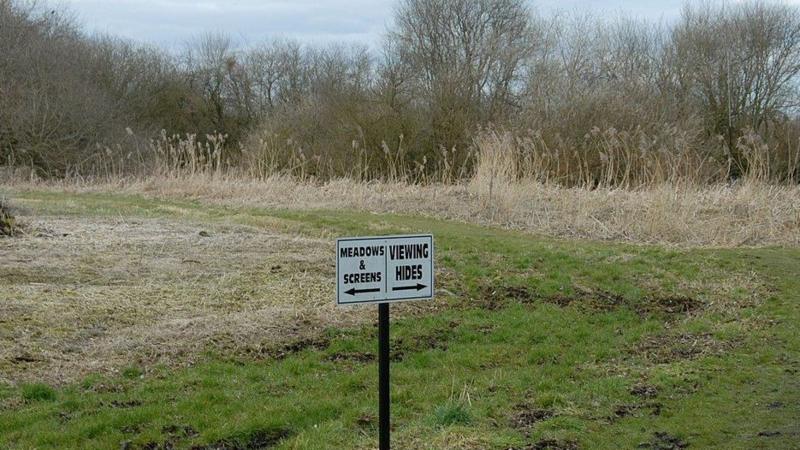
Access to Woolston Eyes is managed to protect the breeding birds and their habitats. Visitors require both an annual permit and a key to the access barriers and gates, available for a small fee through the Woolston Eyes Conservation Group. The reserve operates seasonally: from 8.00 am to 8.00 pm during summer months and 8.00 am to 4.00 pm in winter, allowing birdwatchers to observe the species while minimising disturbance.
What happens next for the colony?
Black-necked grebes are generally present at the reserve for approximately five months, with the breeding season beginning in early to mid-March. The first birds of the 2026 season returned on 27 February, with arrivals continuing through mid-March, signalling that the next key monitoring period will commence in late winter and early spring as the cycle repeats.
This conservation success demonstrates how targeted habitat restoration and careful management can reverse the fortunes of endangered species. The partnership between industry, conservation organisations and local groups at Woolston Eyes offers a model for future wildlife recovery projects across the UK.
Key Facts:
- Woolston Eyes supports 35 breeding pairs of black-necked grebes (2025), representing 64% of the UK's national breeding population
- The site was restored from a dredging dumping ground into freshwater pools and reedbeds between 2021 and the present
- Black-necked grebes first nested on the newly restored area in 2023, raising 15 young from four pairs
- The reserve is open to visitors by permit only, with seasonal hours from 8.00 am to 8.00 pm in summer and 8.00 am to 4.00 pm in winter
- Breeding birds typically occupy the reserve for five months annually, arriving from early to mid-March