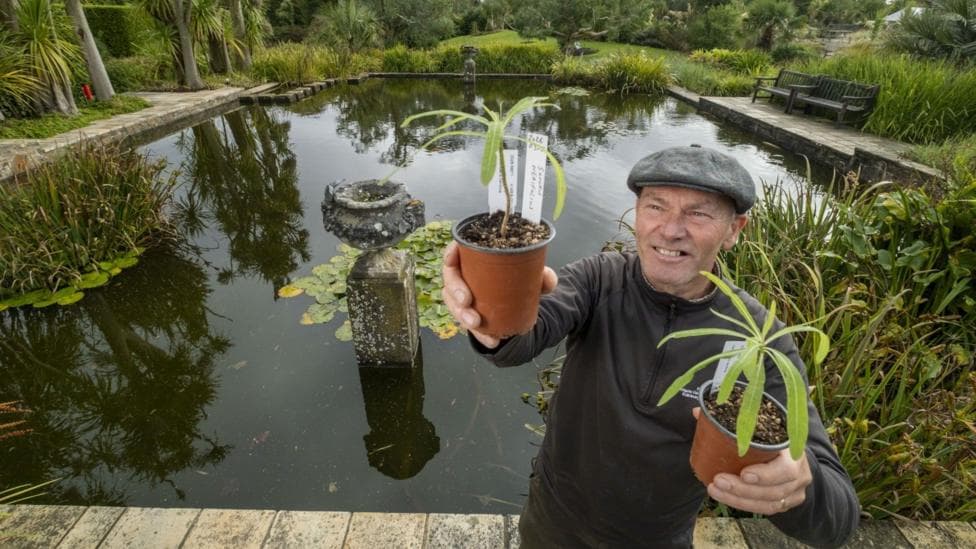
Two seedlings from the last known wild dendroseris neriifolia tree have arrived at Logan Botanic Garden in Dumfries and Galloway, marking a critical moment in efforts to prevent the extinction of one of the world's rarest plants. The transfer followed an international rescue operation involving conservation experts in Chile and the United Kingdom, with the seedlings now settling into a climate considered particularly suitable for threatened Chilean species.
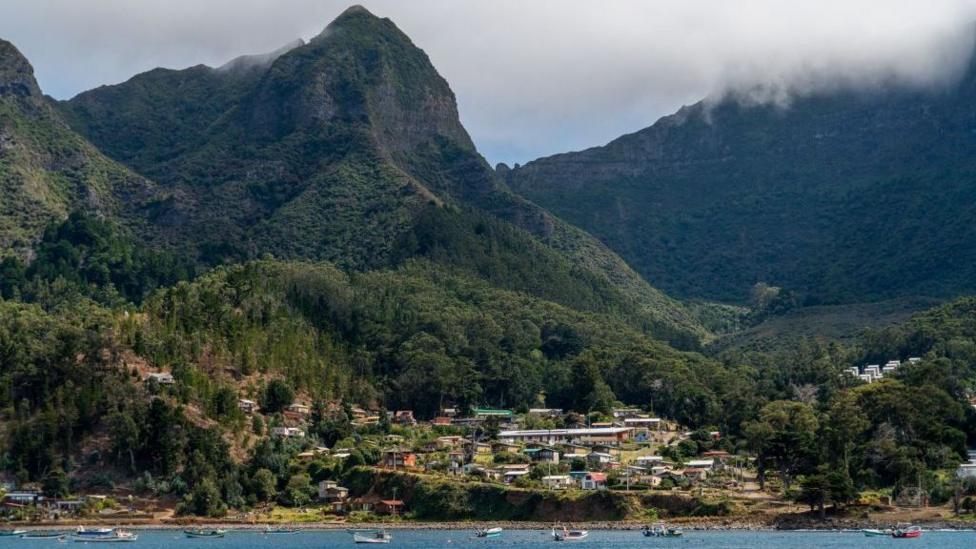
The dendroseris neriifolia, a rare tree daisy endemic to Robinson Crusoe Island in the Juan Fernández archipelago, has undergone a catastrophic decline over recent decades. By 1980, only eight wild specimens remained in their native habitat. Although reintroduction projects began in the early 2000s, the collapse of protection measures in 2017 left the species vulnerable once more to invasive plants and grazing animals. Today, only one known wild individual survives on Robinson Crusoe Island, clinging to a steep volcanic outcrop and supported by ropes to prevent it from falling.
How did the seedlings reach Scotland?
In May 2026, conservationists collected seeds from the lone surviving tree and sent them to the Millennium Seed Bank at Kew Wakehurst in England. Eight seedlings successfully germinated from the initial batch, with two subsequently transferred to Logan Botanic Garden. The remaining seedlings remain at Kew for long-term preservation and study.
According to conservation records, approximately 400 seeds were collected in total during the May 2026 expedition, with 29 sent to Kew and 21 placed in long-term storage after germination efforts. This multi-layered approach ensures that genetic material is preserved across several secure locations, reducing the risk of total loss through any single catastrophic event.
Why is Logan Botanic Garden the right location?
Richard Baines, curator at Logan, described the arrival as a significant moment and emphasised the garden's track record with rare Chilean plants. The south-west Scottish climate has proven particularly conducive to species from the Juan Fernández Islands, offering conditions that support their growth and adaptation.

Experience shows that plant species from the Juan Fernández Islands do well at Logan. This is the start of an exciting new period. Creating a safe place for these seedlings, getting to know them, and learning more about their adaption to different environments, gives us the chance to contribute so much more.
The garden's expertise in cultivating rare plants from similar latitudes and climates makes it an ideal partner in this conservation effort. By establishing a thriving population at Logan, scientists gain the opportunity to study the species' growth patterns, reproductive behaviour, and responses to different environmental conditions—knowledge that could prove invaluable for future reintroduction attempts in Chile.
What threats drove the species to the brink?
The dendroseris neriifolia has been pushed toward extinction by a combination of factors. Habitat loss from human development, invasive species that outcompete native plants, and repeated wildfires have all contributed to the dramatic reduction in wild populations. The species' restriction to a single island with limited suitable habitat has made it particularly vulnerable to these pressures.
Broader conservation efforts in the Juan Fernández archipelago have been working to address these underlying threats. Island conservation initiatives have supported native tree recovery and invasive-species control across the region, while tree-conservation projects have included renovating and expanding nurseries and planting more than 3,000 seedlings of threatened trees. These complementary efforts aim to restore the ecological conditions necessary for species survival.
What does this mean for the species' future?
Scientists involved in the project view the international collaboration as a rare opportunity to prevent the extinction of a unique plant lineage and preserve part of the natural heritage of the Juan Fernández archipelago. The effort represents a coordinated response to a crisis that has narrowed the species' existence to a single tree.
This international collaboration to support the last remaining individual could prevent the extinction of a species that represents a unique lineage with its own natural history.
Diego Penneckamp, a scientist at Jardín Botánico VerdeNativo, characterised the work as a "race against time," underscoring the urgency of establishing backup populations before any further loss occurs in the wild. The presence of seedlings at both Logan and Kew creates geographic and institutional redundancy, ensuring that the species' genetic material is not dependent on any single location or organisation.
Key Facts
- Only one wild dendroseris neriifolia tree remains on Robinson Crusoe Island, supported by ropes on a cliff face to prevent collapse
- Eight seedlings germinated from seeds collected in May 2026, with two now at Logan Botanic Garden and six remaining at Kew Wakehurst
- The species is classified as Critically Endangered and is endemic to the Juan Fernández archipelago in the South Pacific
- Logan Botanic Garden has a proven track record of successfully cultivating rare plants from the Juan Fernández Islands
- Broader conservation efforts in the archipelago are simultaneously addressing habitat loss, invasive species, and wildfire threats