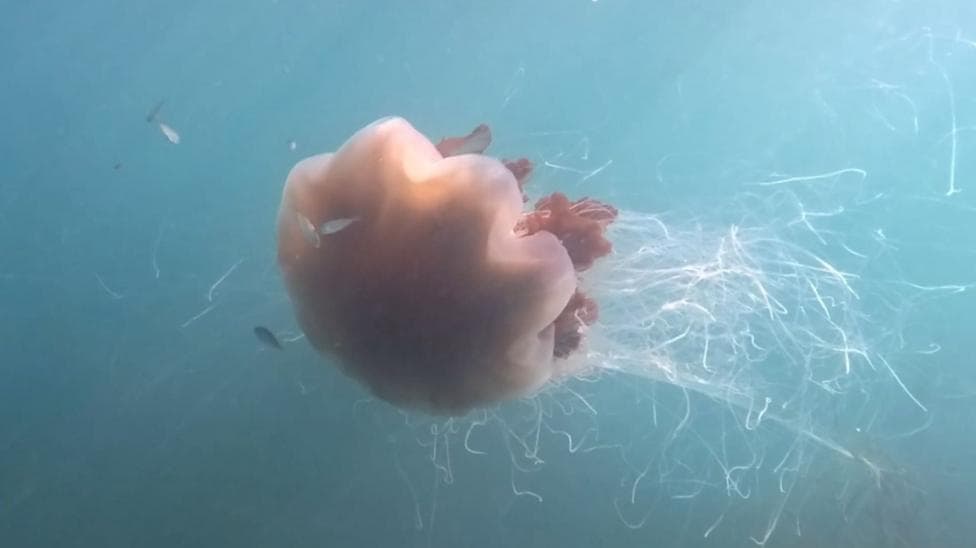
A 21-year-old conservationist has captured footage of a giant lion's mane jellyfish measuring approximately 10 to 15 metres in length off the Pembrokeshire coastline, marking a rare sighting in Welsh waters. Iestyn Morgan, who documents marine life to highlight environmental threats, encountered the creature while swimming near Trefin Beach and described it as being roughly the length of a bus or small train.
Morgan, a free diver from Pembrokeshire, said he "couldn't believe his luck" when he spotted the jellyfish. As he observed the water, he noticed tentacles appearing one after another. "Three turned to 10, and then to 20. They just kept on coming," he explained. The specimen was so enormous that its tentacles extended beyond what he could see underwater.
Initially, Morgan mistook the creature for a compass jellyfish, a species native to UK waters, but quickly realised the scale was far too large. "It must have been the length of a bus or small train. I couldn't believe how big it was," he said.
What makes lion's mane jellyfish distinctive?
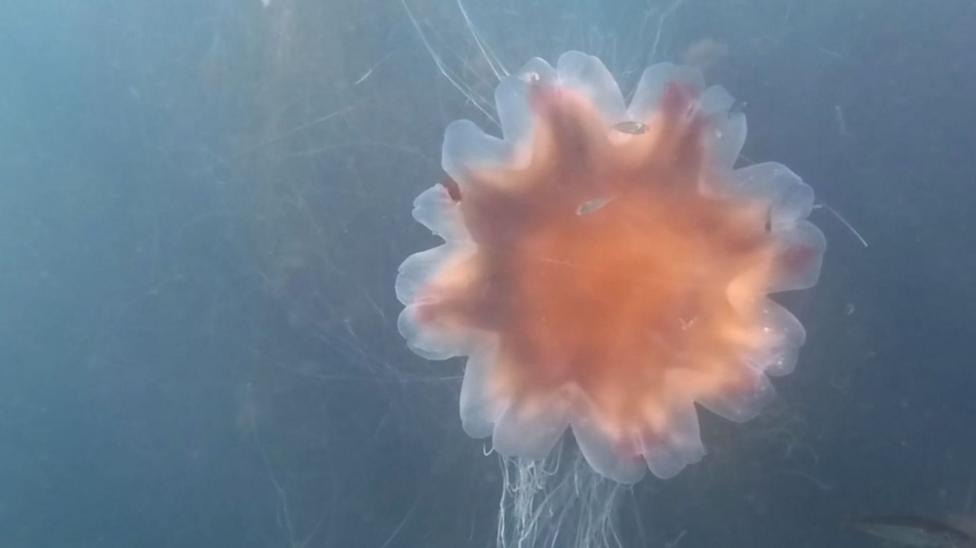
The lion's mane jellyfish derives its name from its exceptionally long, flowing tentacles that resemble a lion's mane. The creature's bell—the main body—typically reaches up to 3 metres in length, but the tentacles used to capture prey can extend far beyond that. According to marine research, these tentacles can exceed 30 to 36.5 metres, making the lion's mane one of the longest animals on Earth.
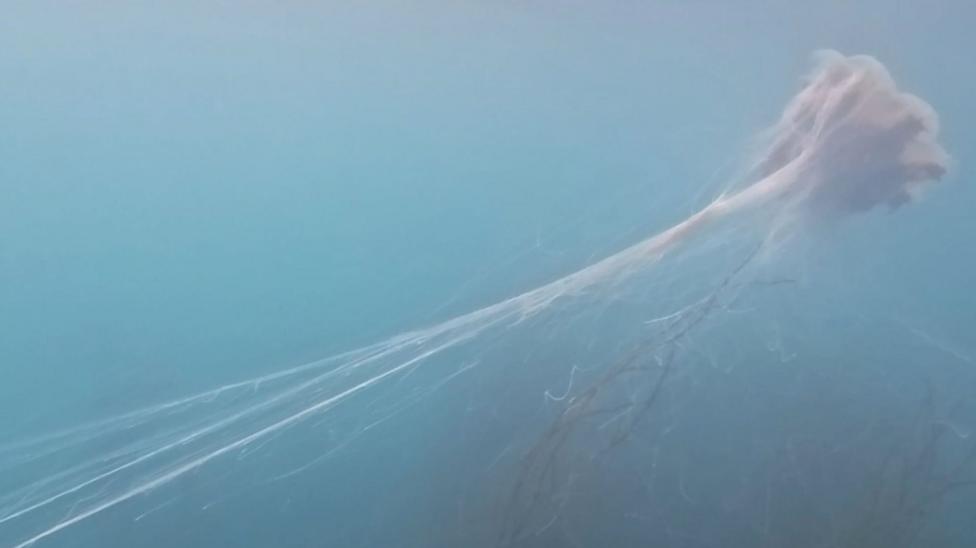
Dr Cathy Lucas, a marine biologist from the University of Southampton, examined Morgan's video and confirmed the animal's extraordinary dimensions.
"The tentacles are so long and so fine you might not even see them,"she noted. During her field work in Scotland, she recalled instances where divers encountered fragments of tentacles in the water despite no visible jellyfish nearby.
"They still sting after they break off,"she added.
How dangerous is a lion's mane sting?
While the lion's mane jellyfish possesses a potent sting, it does not pose a serious threat to human health. Dr Lucas described the sting as
"nasty"and
"the worst in the UK,"but emphasised it was not dangerous. However, according to recent beach safety warnings, the North Wales Wildlife Trust characterises lion's mane stings as "seldom deadly" but capable of causing "excruciating weals."
Dr Lucas provided practical guidance for those who encounter the jellyfish or its tentacles.
"The advice is not to touch them and if you get a bit of tentacle on your skin flick it off with a stick and wash in warm water to neutralise,"she said. According to health guidance from the NHS, the recommended treatment involves rinsing with seawater, carefully removing tentacle fragments, and soaking the affected area in very warm water.

Why is this sighting unusual in Wales?
Lion's mane jellyfish are more commonly encountered in the colder waters surrounding Scotland and are native to British and Irish waters overall. According to Dr Lucas, these creatures "occasionally" reach the Welsh coast during the later summer and autumn months, based on public sightings recorded over time, but their primary habitat within the UK remains Scottish waters. Morgan stated this was the first lion's mane he had personally observed in Wales.
Recent weeks have brought heightened awareness of the species in Welsh waters. Beachgoers across Wales have been warned following multiple lion's mane jellyfish sightings and stings at locations including Porth Dafarch, Benllech and Porth Eilian, with incidents also affecting pets. The species is typically encountered in UK waters from May through October.
What does this sighting reveal about changing marine conditions?
Morgan expressed gratitude for the presence of these creatures in Welsh waters, countering misconceptions about them. "Your biggest problem is if you swim into them. You don't want to get stung by a lion's mane," he said, emphasising they are not "big scary monsters" as some people might imagine.
As Morgan has continued filming in Welsh waters, he has observed an increasing frequency of jellyfish arrivals. He attributes this pattern to warm water species becoming "more abundant" in the region. "I don't have enough summers to compare it to, but I put down a camera a few weeks ago and saw a Triggerfish, which is native to the Mediterranean," he noted, suggesting broader shifts in marine populations.
Why does Morgan document marine life?
Morgan's primary motivation for creating content is to raise awareness about the "threats our seas are facing" and to make aquatic environments "more accessible" to the general public. He described the work as "very rewarding" but emphasised his commitment to avoiding harm to the animals he films.
"I don't want to turn it into something that I'm going out to hunt the animals or anything. I just get in the water, film and swim."
What happens next?
Continued public reporting of sightings is anticipated as beaches throughout Wales remain under alert for additional lion's mane jellyfish encounters. Beachgoers are advised to remain vigilant and follow safety guidance should they encounter these creatures or their tentacles in the water.