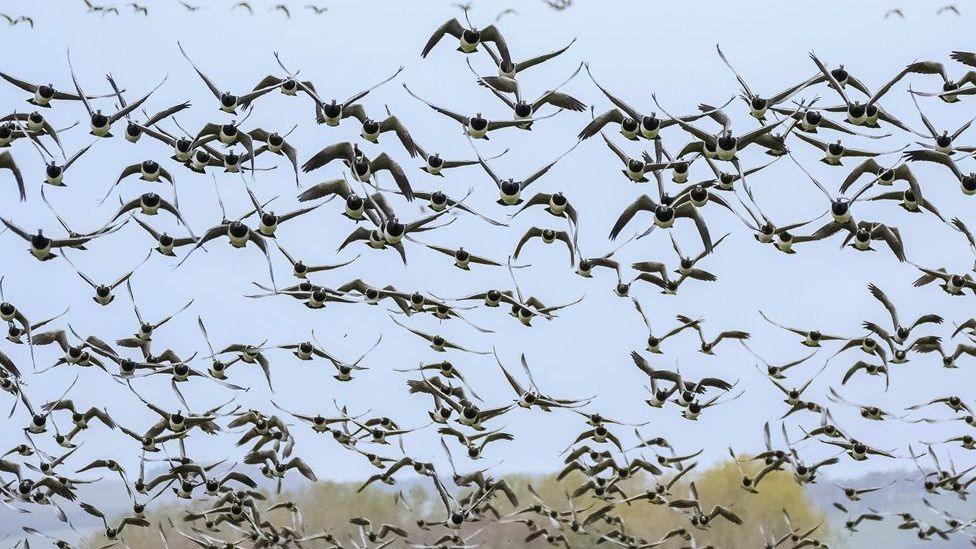
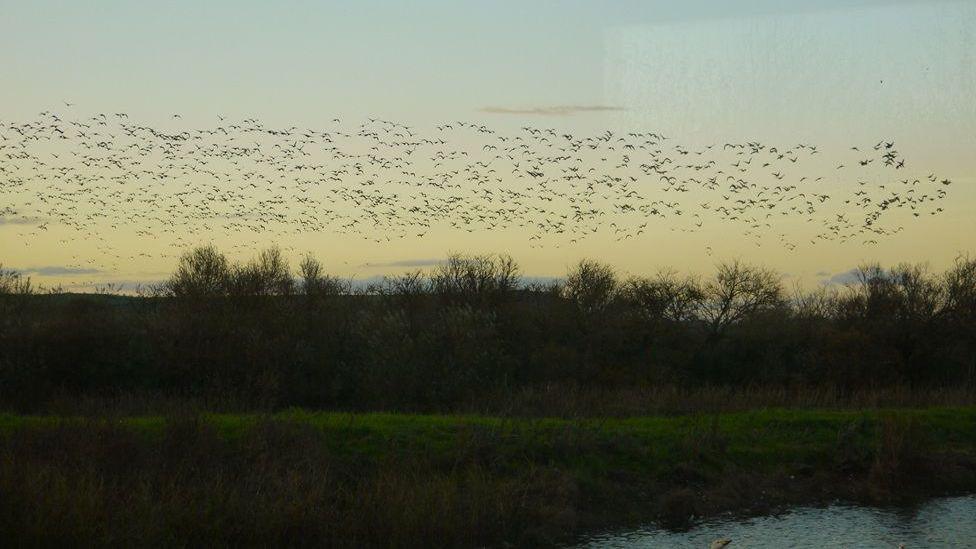
Vast flocks of geese are once again filling the skies above southern Scotland as they arrive to spend the winter months on the Solway Firth. According to BBC News, the wintering population at the Wildfowl and Wetlands Trust's (WWT's) Caerlaverock centre has grown dramatically from approximately 300 birds in the 1940s to more than 40,000 today. The transformation reflects decades of conservation effort and habitat management at one of the UK's premier wildlife watching destinations.
The WWT was established by Sir Peter Scott in 1948, with a core mission to increase the number of wintering birds along the Scottish coastline. Caerlaverock has become the finest vantage point on the Solway Firth for observing barnacle geese, offering visitors panoramic views across the historic Saltcot Merse Observatory towards the prominent hill Criffel and the Lake District fells in the distance.
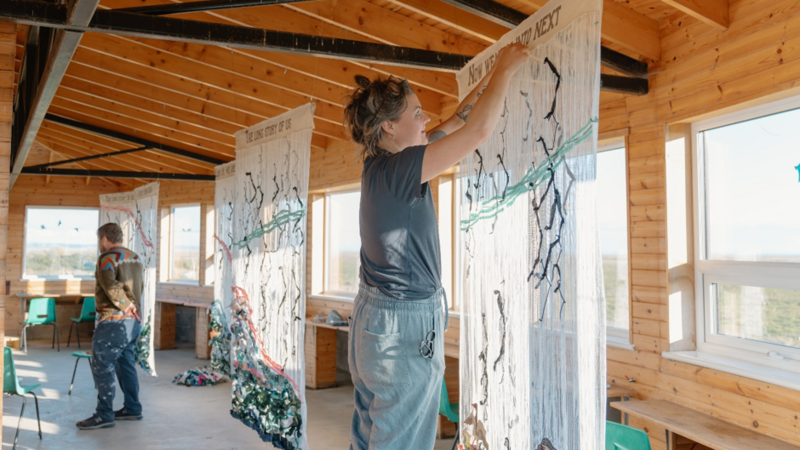
The arrival of the geese has inspired a cultural celebration. A community art exhibition titled The Never Ending Skein has been created to mark the birds' return, forming part of the annual Wild Goose Festival, which is hosted and produced by the Stove Network in Dumfries. The festival's 2026 theme was "Where in the Wild," and its Stories Hub invited visitors to contribute to the growing artwork of textile and words. The Never Ending Skein is scheduled to remain at WWT Caerlaverock for the remainder of the 2026–27 goose season.
What makes Caerlaverock special for birdwatchers?
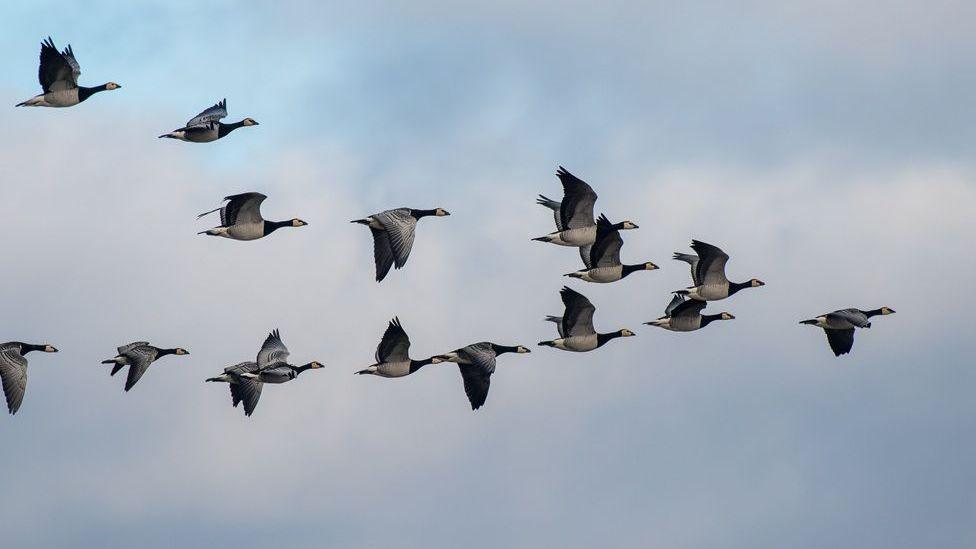
The reserve's significance lies in its role as the sole wintering destination for the entire population of Svalbard barnacle geese, which migrate to the Solway in the autumn. Beyond the geese themselves, birdwatchers visiting the 1,400-acre (560 hectare) nature reserve can observe hen harriers and marsh harriers, which have recently begun breeding on the site. Marsh harriers have returned to Caerlaverock after extensive habitat restoration, including reed bed expansion and water table management, leading to successful nesting in 2023.
What other wildlife inhabits the reserve?
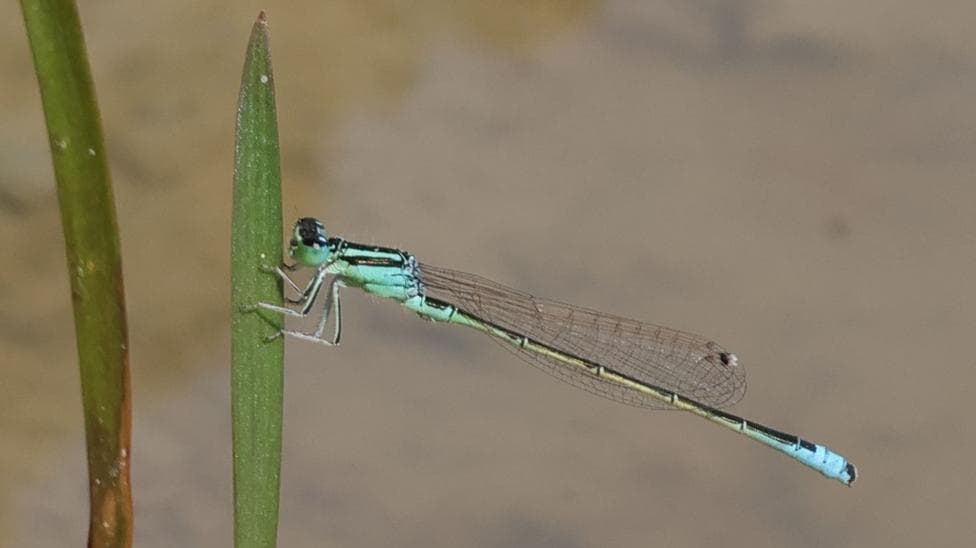
Caerlaverock hosts far more than geese. The British Dragonfly Society has designated it as a dragonfly hotspot due to its diverse habitat, which provides sanctuary for numerous species. The reserve is home to the most northerly UK population of natterjack toads and one of only three UK populations of tadpole shrimps, making it one of the finest wildlife watching sites in the United Kingdom.
How are visitor experiences being enhanced?
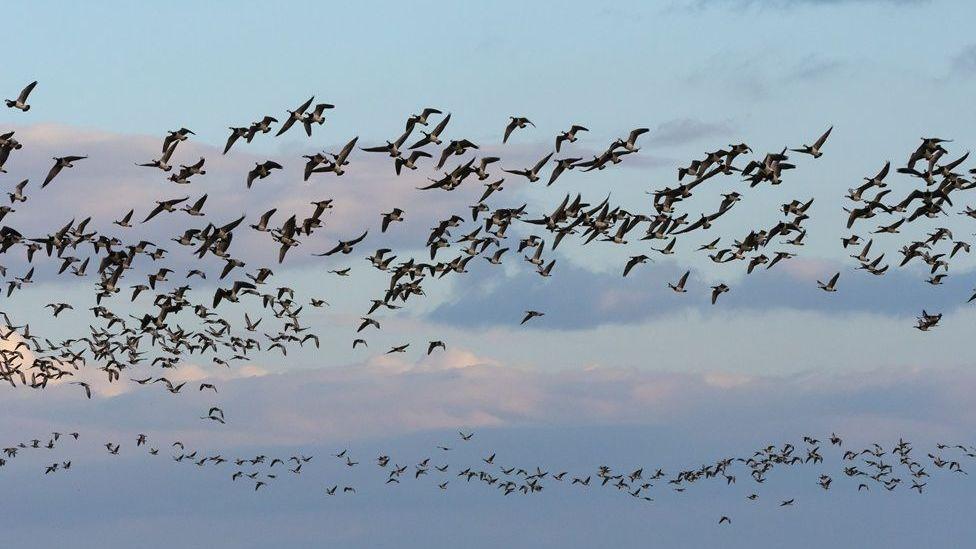
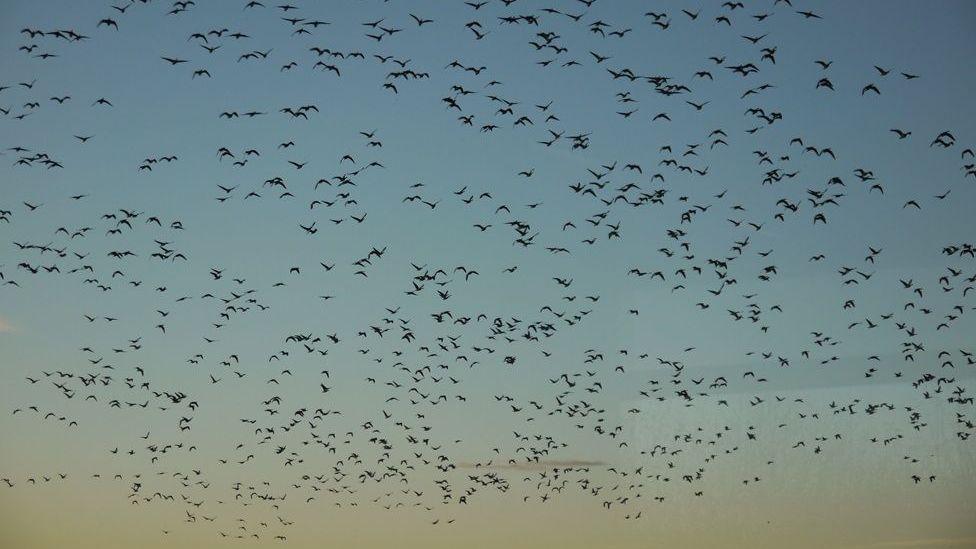
The WWT has expanded opportunities for visitors to engage with the geese and their environment. The 2026 Wild Goose Festival included a guided six-mile Wardlaw walk, during which participants observed barnacle geese in nearby fields and learned to identify their calls. Special events such as the Dawn Flight experience on 18 October 2026 allowed visitors to watch large flocks of geese flying in the distance and smaller groups passing overhead, providing intimate encounters with the birds during their most active periods.
What do population counts reveal?
Monitoring the geese population is essential for understanding long-term trends. A WWT dawn count recorded 2,200 barnacle geese and more than 2,500 pink-footed geese at one location, with coordinated national counts helping to track whether goose populations are increasing or decreasing across the UK. These systematic surveys provide crucial data for conservation planning and habitat management decisions.
What happens next for the festival and exhibition?
The Never Ending Skein will continue to grow throughout the 2026–27 goose season as visitors contribute their own textile pieces and written reflections. The festival's celebration of the cultural significance of the migratory barnacle geese—birds that have been returning to this specific area since the mid-20th century—underscores the deep connection between local communities and the natural world. As long as the geese continue their annual migration, Caerlaverock will remain a vital refuge and a symbol of successful wildlife conservation in Scotland.
Key Facts
- The wintering goose population at Caerlaverock has increased from about 300 in the 1940s to more than 40,000 today
- The entire population of Svalbard barnacle geese migrates to the Solway Firth in autumn, making Caerlaverock their sole wintering destination
- The 1,400-acre reserve is designated a dragonfly hotspot and hosts the most northerly UK population of natterjack toads
- Marsh harriers have recently begun breeding at the reserve following habitat restoration efforts
- The Never Ending Skein art exhibition will remain at the reserve throughout the 2026–27 goose season