Marsh Harriers Return to Restored Habitat
A once rare raptor species is gradually making a comeback due to the dedicated restoration of their preferred habitat at a nature reserve in southern Scotland.
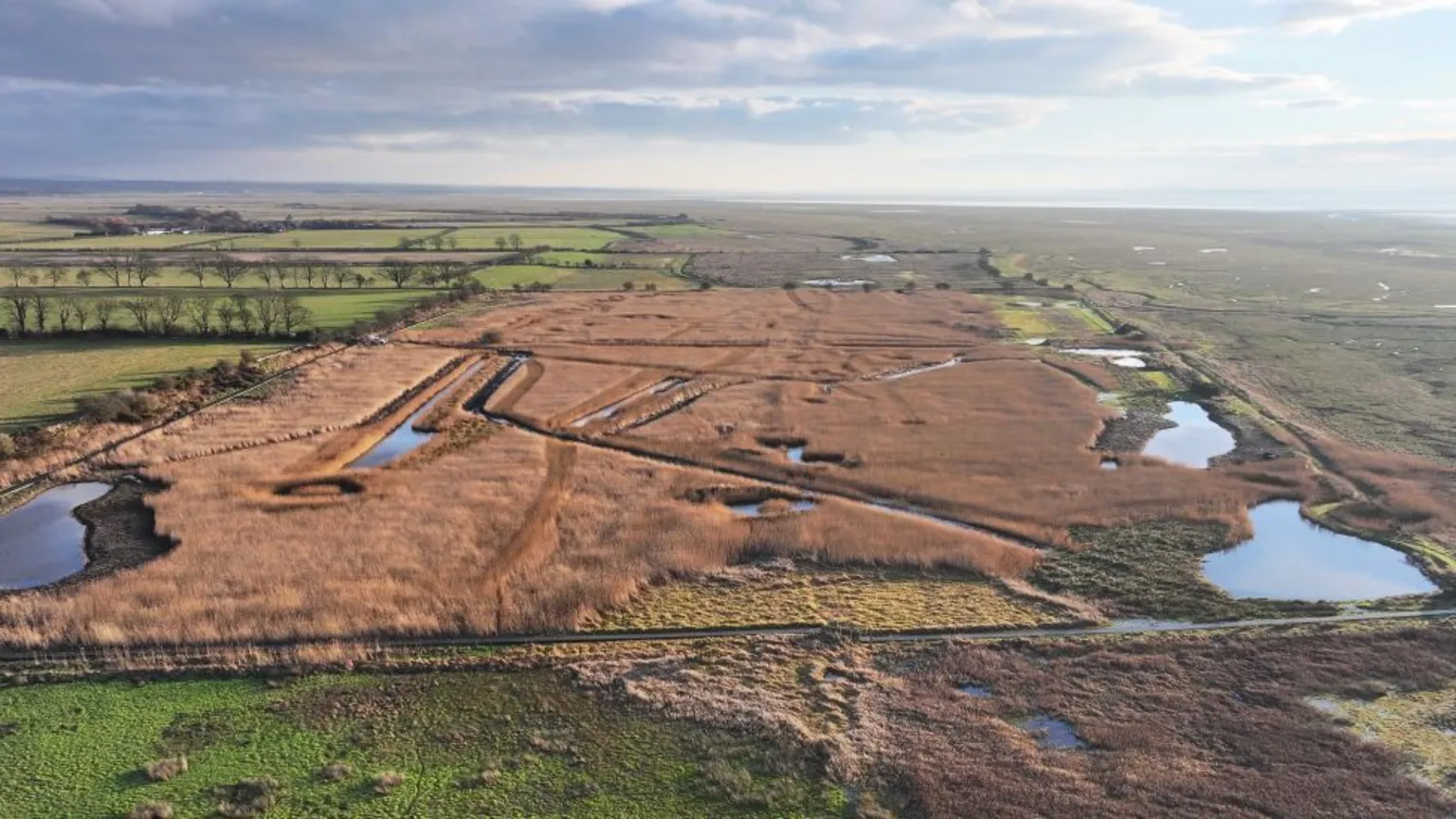
Staff at Caerlaverock nature reserve, located on the Solway coast, have spent four years expanding and enhancing seven hectares (17 acres) of reed bed with the goal of attracting marsh harriers.
Initial Sightings and Conservation Efforts
The project was initiated following the sighting of a pair of marsh harriers in the summer of 2019. The pair attempted to breed at the reserve, but unfortunately, their nest did not succeed.
In response, reserve employees explored methods to improve the birds' breeding success should they return in subsequent years.
They conducted visits to other known breeding sites and carried out detailed vegetation and hydrology surveys to understand habitat requirements better.

Habitat Management and Restoration Techniques
The collected data indicated that raising the water table—the level below which soil and rocks remain permanently saturated—was crucial to the success of the restoration project.
To promote fresh reed growth, old reeds were cut back, and the reed bed area was expanded. Management was conducted systematically, with one quarter of the area attended to each year.
Excavators were used to remove old sections to create open water areas, while ongoing maintenance was performed manually using scythes.
Successful Nesting and Future Plans
Last summer, a pair of marsh harriers successfully nested at the site.
"With the nest hidden in the reeds it is very difficult to get a good visual, but from closely observing flights in and out of the nest and from the number of birds we identified later in the season, we are confident that we had chicks fledge from the site," said Suzanne McIntyre, the nature reserve manager.
Restoration efforts at Nature Scot's Caerlaverock nature reserve will continue, with the long-term objective of extending the reed bed to 12 hectares (30 acres).
Marsh harriers are highly protected birds, and visitors are requested to respect exclusion zones during the 2026 breeding season to support conservation efforts.