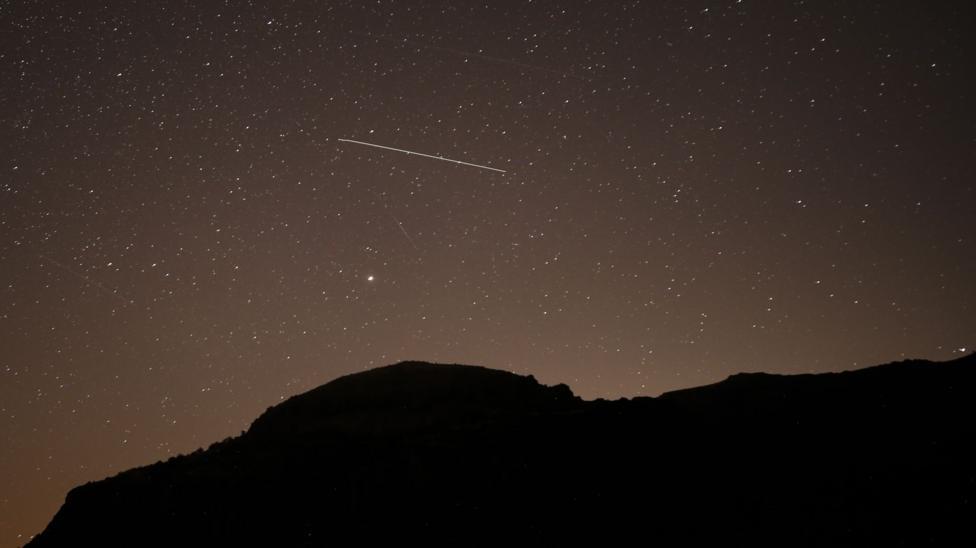
The Leonid meteor shower will illuminate the night sky across the UK throughout November, with the most spectacular display expected on the night of 17 November. According to BBC News, the celestial event runs from now until 30 November, offering sky gazers the chance to witness one of the year's most prolific meteor displays.
Observers may spot between 10 and 15 meteors per hour during the peak, though NASA notes that actual counts will usually fall below the ideal rate, with the best viewing opportunities occurring in the early mornings of 17 and 18 November after the Moon sets. The shower originates from dust particles shed by Comet 55P/Tempel-Tuttle as it orbits the Sun, and these particles strike Earth's atmosphere at speeds of up to 44 miles (71 kilometres) per second, making the Leonids the fastest meteors visible from our planet.
How to observe the Leonids
Finding a safe location away from light pollution is essential for successful viewing. Street lights and other artificial illumination significantly reduce visibility, so seek out a dark spot with an unobstructed view of the sky. The meteors are visible to the naked eye without binoculars or telescopes, though allowing your eyes 20 to 30 minutes to adjust to darkness will substantially improve your chances of spotting them.
A wide open space offers the best vantage point for scanning the entire night sky. While meteors can appear anywhere, the Leonids' radiant—the point from which they appear to originate—lies near the head of the constellation Leo, making this region the optimal area to focus your attention. Interestingly, longer meteor trails are more likely when looking roughly 40 to 60 degrees away from Leo rather than directly at the radiant. Clear skies remain a prerequisite for any successful observation, so weather conditions will play a crucial role in determining viewing success.
What weather conditions should you expect this weekend?
The forecast for this weekend presents mixed prospects for Leonid observers. While many areas will experience dry conditions, substantial cloud cover is anticipated across much of the UK, with isolated spots of rain or drizzle possible in some locations. Southern and western areas of England and Wales show the most promise for clear skies on Friday and Saturday nights, whereas northern England, Northern Ireland and Scotland are expected to remain predominantly cloudy during these evenings.
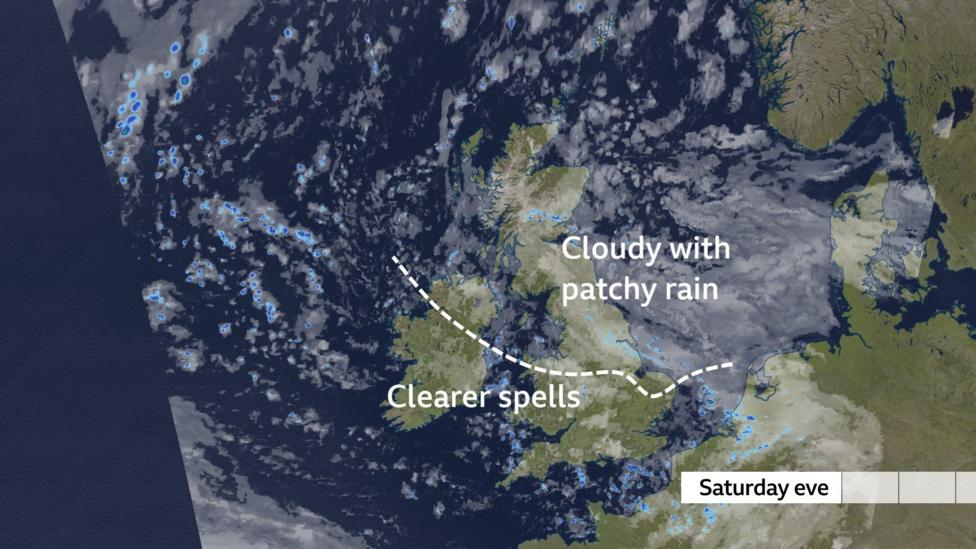
By Sunday night, clearer conditions are likely to develop across a greater portion of the UK, potentially offering improved viewing opportunities as the weekend progresses. However, fog poses an additional complication, as it may form in areas where skies remain clear for extended periods, obscuring the view of the meteors. Overnight temperatures will dip into single figures Celsius, with frost possible in a few locations, so anyone planning to spend time observing should dress warmly in multiple layers.
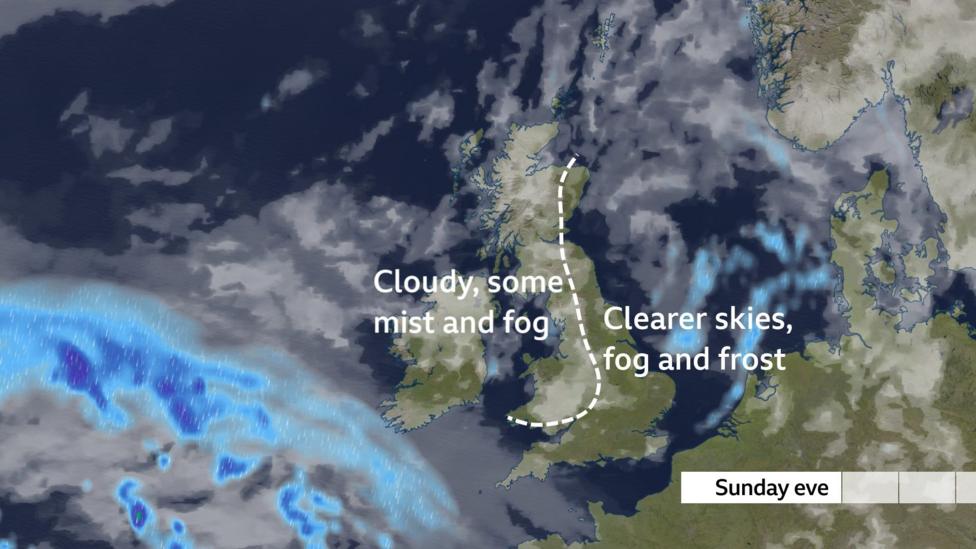
Those wishing to check detailed forecasts for their specific location can consult BBC Weather online or the mobile app for hour-by-hour predictions of cloud cover, fog and temperature.
When is the optimal viewing window?
The peak viewing period extends across the nights of 17 and 18 November, with the strongest viewing opportunity forecast before dawn on 18 November. This timing proves particularly favourable because the Moon reaches first quarter on 17 November and is expected to set around midnight in many locations, leaving darker skies during the later peak-viewing hours when meteor activity typically intensifies.
If cloud cover or other obstacles prevent observation this weekend, conditions are expected to improve significantly around the peak in mid-November, when the Moon's absence from the night sky will eliminate the interference of its reflected light. This represents a substantial advantage for those unable to view during the initial weekend opportunity.
Historical context
The Leonids have a dramatic history of exceptional displays. Most notably, the shower produced a major meteor storm on 17 November 1966, with rates reaching thousands of meteors per minute for a brief period. While such extraordinary outbursts are rare, the Leonids remain among the most reliable and visually impressive annual meteor showers, making them worth the effort to observe whenever conditions permit.