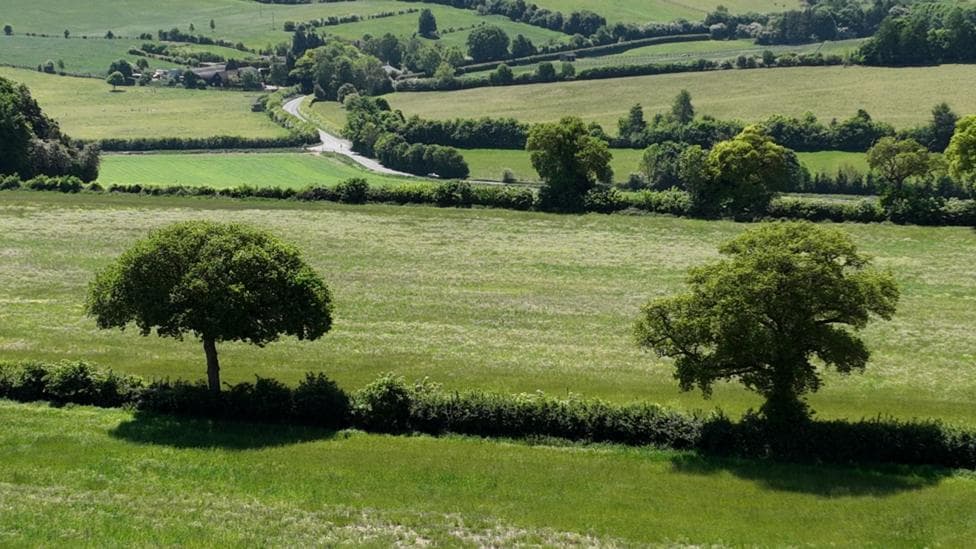
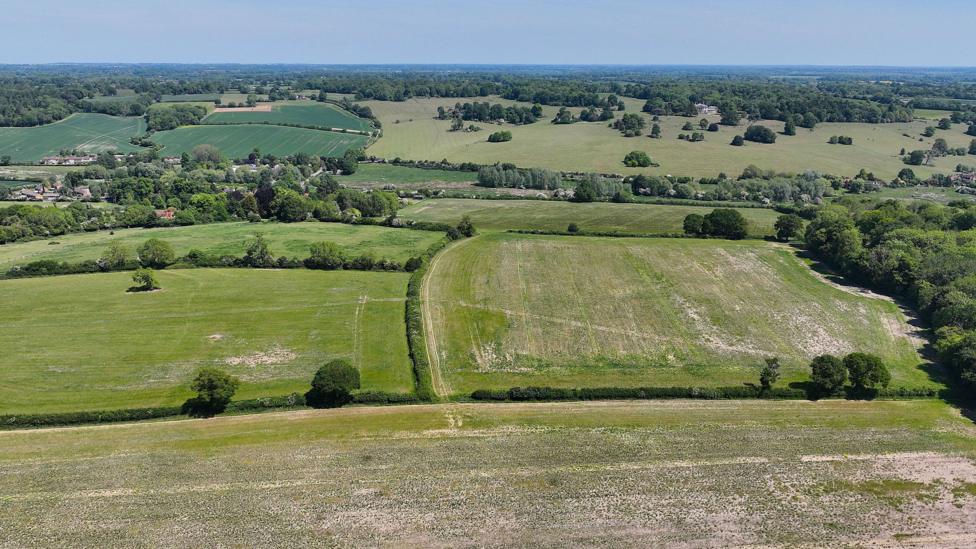
A 70-acre (28 hectare) arable property at Pipers Hill in Great Gaddesden, near Hemel Hempstead in Hertfordshire, will undergo a comprehensive three-decade restoration programme to return it to woodland, scrub and enhanced grassland. The landowner Naturum will begin work later this year, with the farming family who have cultivated the site for approximately 80 years remaining as long-term managers of the transformed landscape.
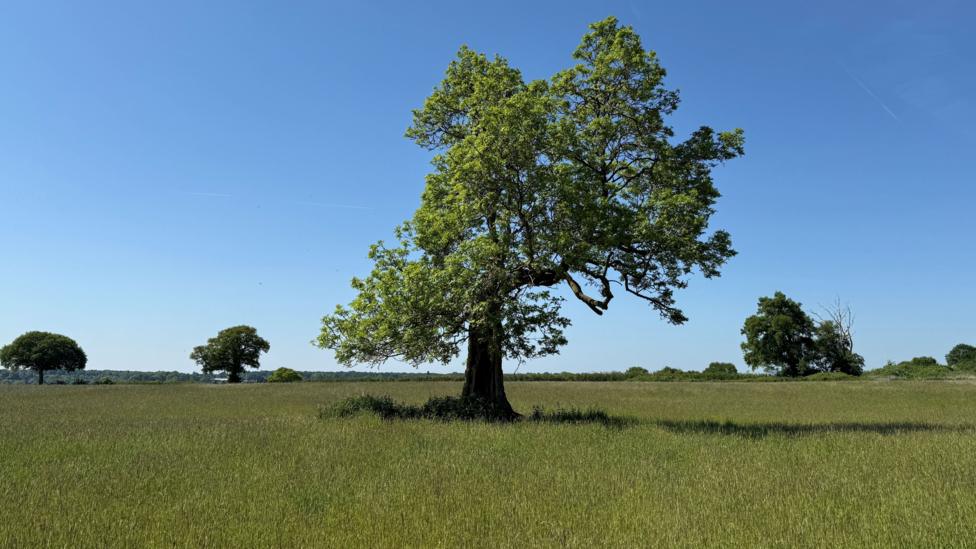
The restoration initiative aims to reinstate a traditional orchard that historically occupied the land but disappeared over a century ago, while enriching the existing grassland through the introduction of specialist wildflower and herb seed mixes. The project forms part of the Hertfordshire Local Nature Recovery Strategy (LNRS), which identified this area as a priority location for woodland, scrub and grassland recovery. According to the Country Land and Business Association, Hertfordshire's strategy prioritises chalk stream restoration, woodland expansion, urban nature recovery and stronger ecological links between the Chilterns, the Lea Valley and East Anglia.
Which species will benefit from the restoration?
Native British fauna anticipated to flourish on the restored site include brown hares, hedgehogs, great crested newts, common toads and the Small Heath butterfly. According to Naturum, decades of intensive arable farming have constrained the ability of these species to establish and maintain populations in the vicinity, despite their presence in neighbouring habitats.

How does this project connect to the wider landscape?
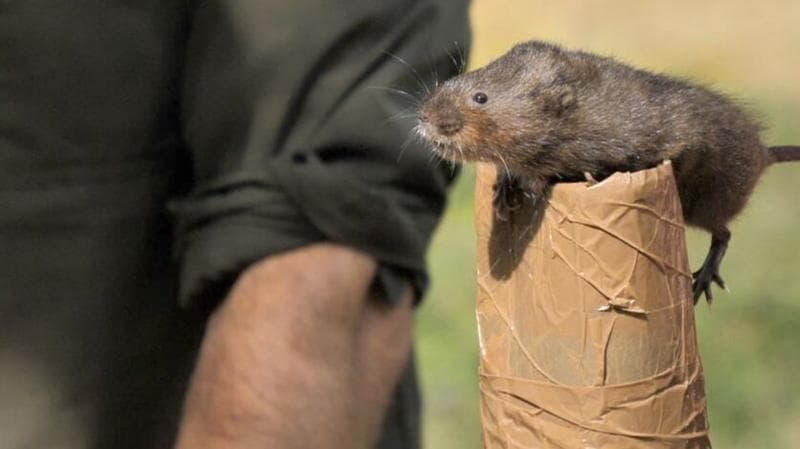
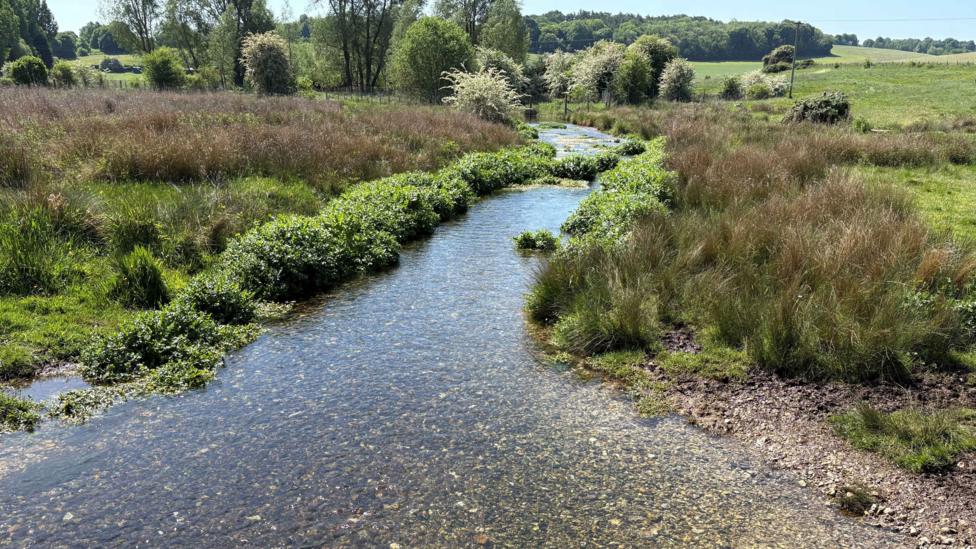
Pipers Hill occupies a strategic position within a wildlife corridor that adjoins Highpark Wood, an ancient woodland, and the Great Gaddesden Water Meadows, which encompasses the River Gade—a rare chalk stream that supports otters and water voles. The restoration effort is expected to alleviate pressure on the River Gade, which, like chalk streams across the country, has experienced stress from contemporary agricultural practices.
Giles Perry, co-founder of Naturum, articulated the company's approach to the partnership:
This land has been farmed by the same family for the best part of 80 years, and it means a great deal to us to be working alongside them as we start to bring nature back to it. Species like brown hares, hedgehogs and great crested newts are all found nearby, but decades of arable farming have made it harder for them to continue making their habitats here. Giving them the space to come back is really what this project is about.
What is the broader policy context?
The Pipers Hill initiative reflects implementation of Hertfordshire's Local Nature Recovery Strategy, which was published in December 2025 and is being used to monitor and deliver nature recovery projects across the county. This framework represents a coordinated approach to addressing biodiversity decline and ecosystem degradation at a regional level.
What role will the community play?
The farming family will continue their stewardship of the land throughout the restoration period, ensuring continuity of management and local knowledge. Additionally, local children will be granted access to the site, enabling educational engagement with the restoration process and fostering understanding of wildlife conservation practices.
Key Facts
- The 70-acre site at Pipers Hill has been farmed by the same family for approximately 80 years
- The three-decade restoration will reintroduce a traditional orchard and enhance grassland with wildflower and herb seed mixes
- The project sits within a wildlife corridor connecting Highpark Wood and the Great Gaddesden Water Meadows, home to the rare chalk stream River Gade
- The initiative forms part of Hertfordshire's Local Nature Recovery Strategy, which prioritises chalk stream restoration and woodland expansion
- Work is scheduled to commence later this year, with the farming family remaining as long-term land managers