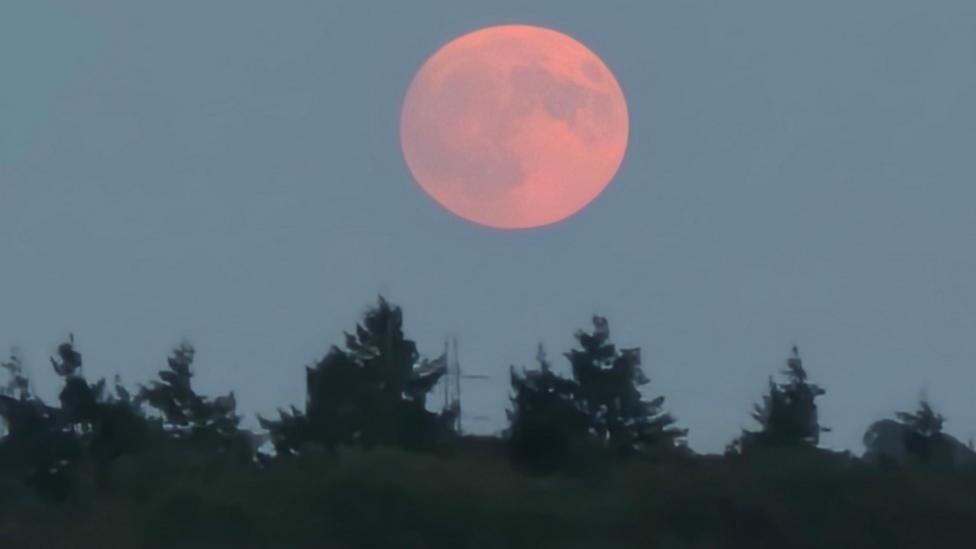
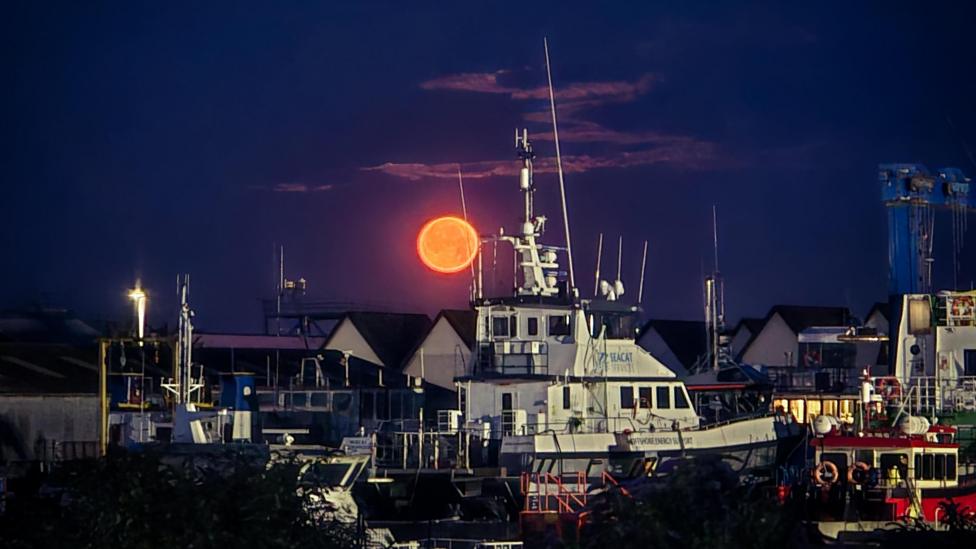
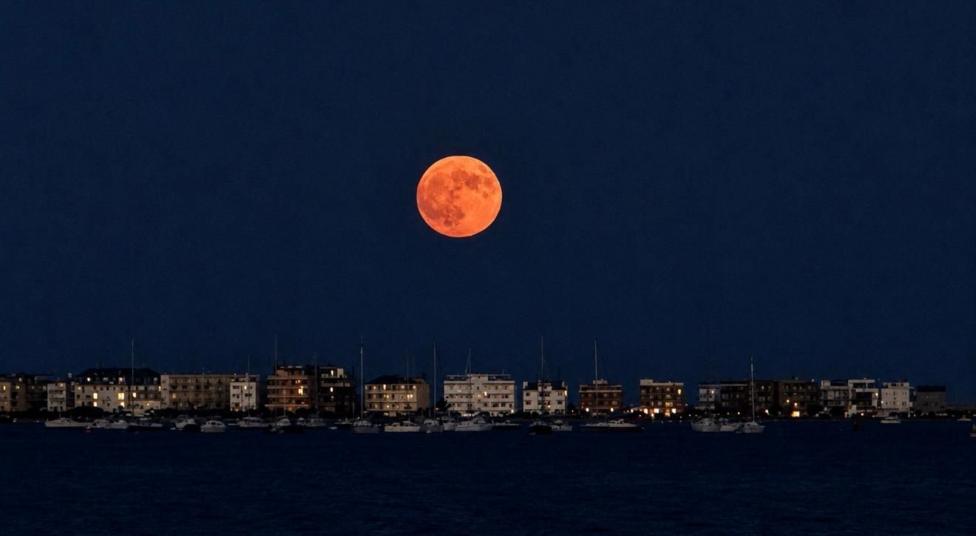
The full Buck Moon shone brightly over Windsor Castle on Wednesday night, while the Buck Moon spotted in Cornwall over some very dried out fields was among the images captured by skygazers across the UK. The July full Moon, also known as the Buck Moon, illuminated the sky over the UK on Wednesday night and reached its peak at 15:36 BST after the skies darkened.
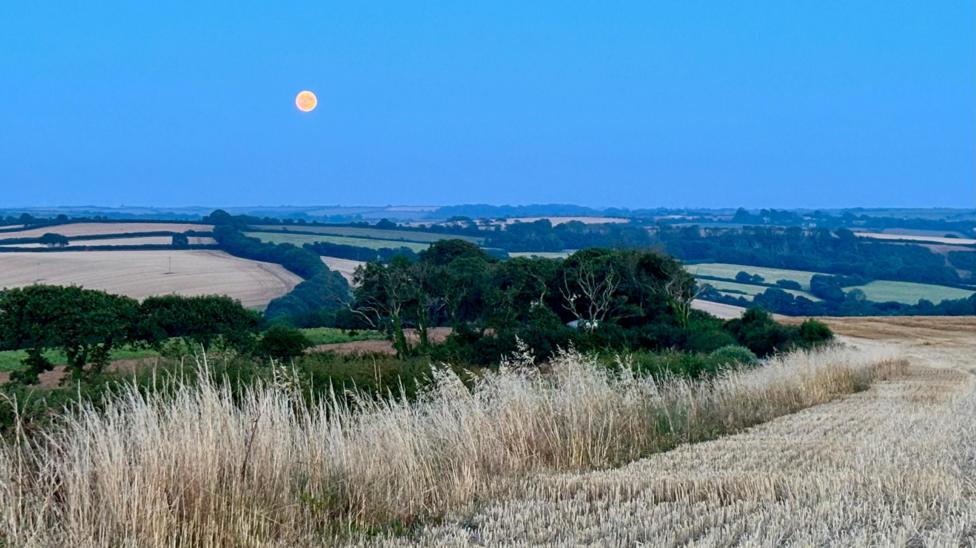
Skygazers captured stunning photos of the celestial display, with the Moon glowing a warm orange tone in some images. The Buck Moon was almost full on Tuesday evening, giving observers an early view before the Moon reached its peak on Wednesday.
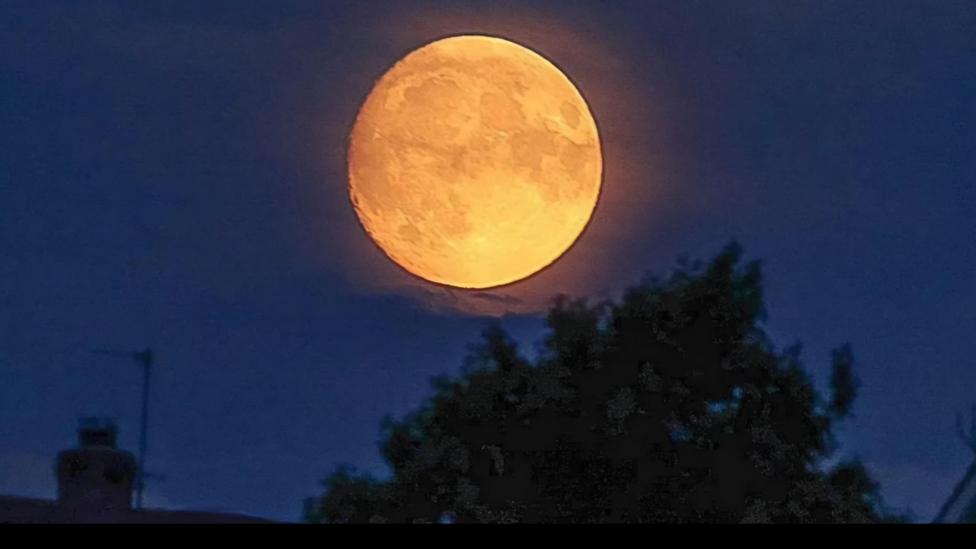
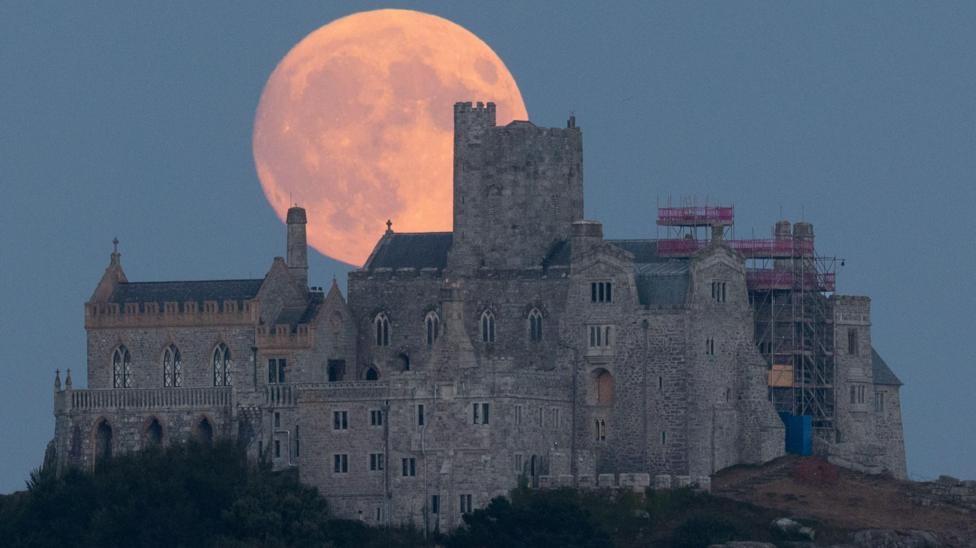
The Buck Moon marks the second of three full Moons this summer. The next chance to see one will be in the end of August, as the Sturgeon Moon rises as the final full Moon of season.
Why is it called a Buck Moon?
The Buck Moon is named after the time of year where male deer grow antlers, and the Buck Moon is named after the time of year where male deer grow antlers. As with the other full Moons across the year, it gets its name from events happening in nature around the same time.

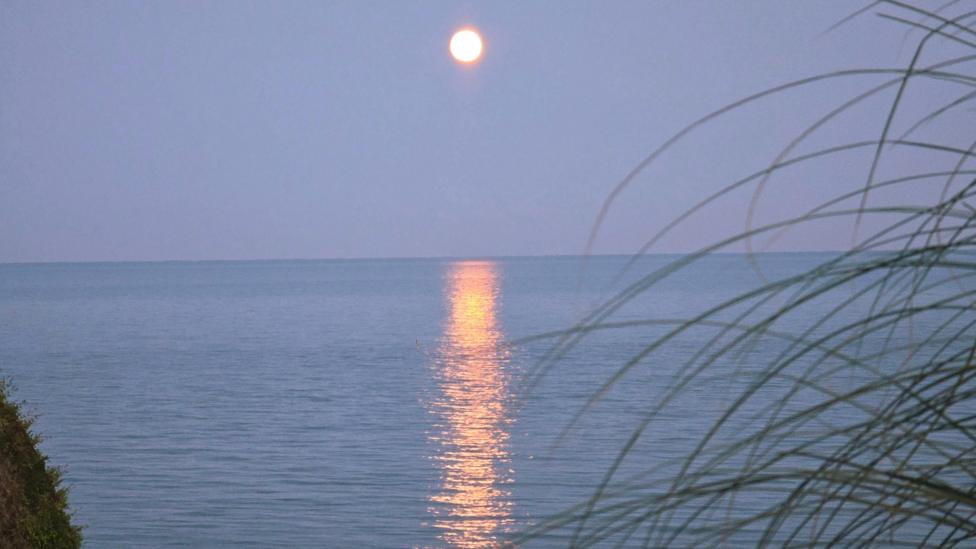
Historically, full Moons have been given nicknames to help people keep track of time and monitor the changing seasons. The July full Moon gets its name from the time of year when male deer, or bucks, rapidly grow a new set of antlers.
The Royal Observatory in Greenwich also refers to this Moon as the Thunder Moon, due to the summer storms that often happen in this month. The Buck Moon peaked at 15:36 BST on Wednesday.
When is the next full Moon?
Following the Buck Moon, there is just one more opportunity to spot a full Moon during meteorological summer. The Sturgeon Moon - named after the freshwater fish caught by Native Americans in the Great Lakes, will rise on 28 August.
Meteorological autumn then begins on 1 September. The next full Moon will rise on 28 August.
Six spectacular night sky events to put in your diary this summer