The River Deben in Suffolk is now flowing more freely than at any point in the past quarter-century, following a significant restoration effort triggered by infrastructure damage earlier this year. Water levels had plummeted by more than a metre after a weir structure at Ufford, near Woodbridge, partially collapsed in April, but coordinated work by councils, landowners, farmers, and the Environment Agency has since restored flow to the channel.
The April incident began when tree roots penetrated the weir, causing it to disintegrate and sending a surge of water toward the Hawkeswade and Lower Ufford Bridge, which cracked under the pressure. This breach drained the water-filled crater known as Ufford Hole onto surrounding land, including toward the East Suffolk railway line. The Essex & Suffolk Rivers Trust reported that the collapse inflicted
"significant damage to habitats along a large stretch of the river."
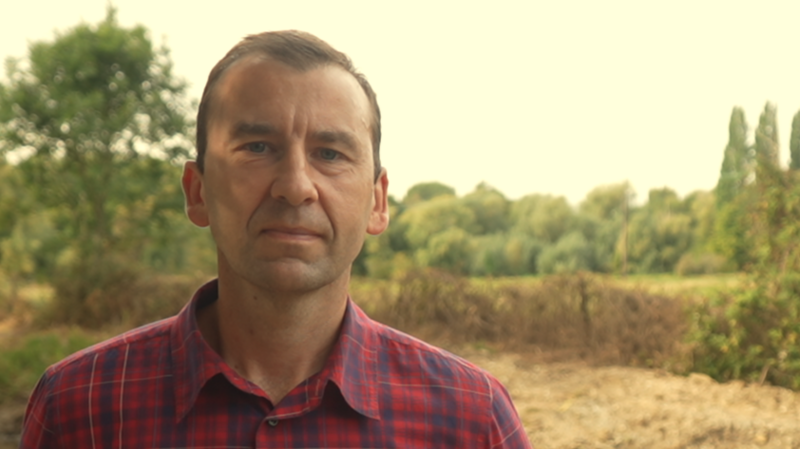
Councillor David Finley, river warden at Ufford Parish Council, described the restoration as
"a really exciting moment to actually see the water flowing"again. He explained that
"This section of the river used to be cleaned out every five to 10 years, so it's not been like this for 25 years."The renewed flow has created visible changes in the riverbed.
"Now, you can see gravel bits and silt bits, and so it's actually creating a really potentially dynamic river,"Finley added.
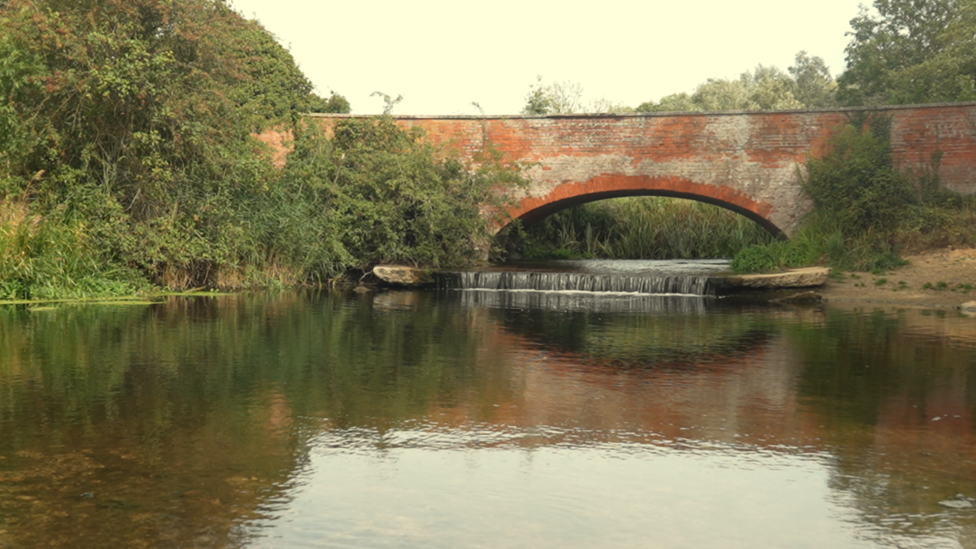
The restoration effort is part of a wider "Recovering the Deben: From Source to Sea" project by the Essex & Suffolk Rivers Trust, focused on restoring land, water and nature across the catchment and estuary. The broader recovery work is also tied to the East Suffolk Catchment Partnership's Deben action plan, which secured £280,000 from the Environment Agency's Water Environment Improvement Fund for natural flood storage projects.
What impact did the collapse have on the local community?
The incident caused immediate disruption to residents and wildlife. A wooden walkway next to the bridge that provides public access along a riverside footpath had to be closed and remains awaiting repair. Councillor David Finley noted that the partial collapse of the footpath had affected local businesses dependent on visitor access to the area.

Trevor Gill, from the Lower Deben Riparian Owners Group, described the collapse as having a
"massive"impact on wildlife and the community.
"It had a really big impact on nature, but also on people who love this, people who've been fishing and swimming here for decades,"he said.
"People were worried about fish dying, which did happen, and it was pretty barren."
How has the restoration been carried out?
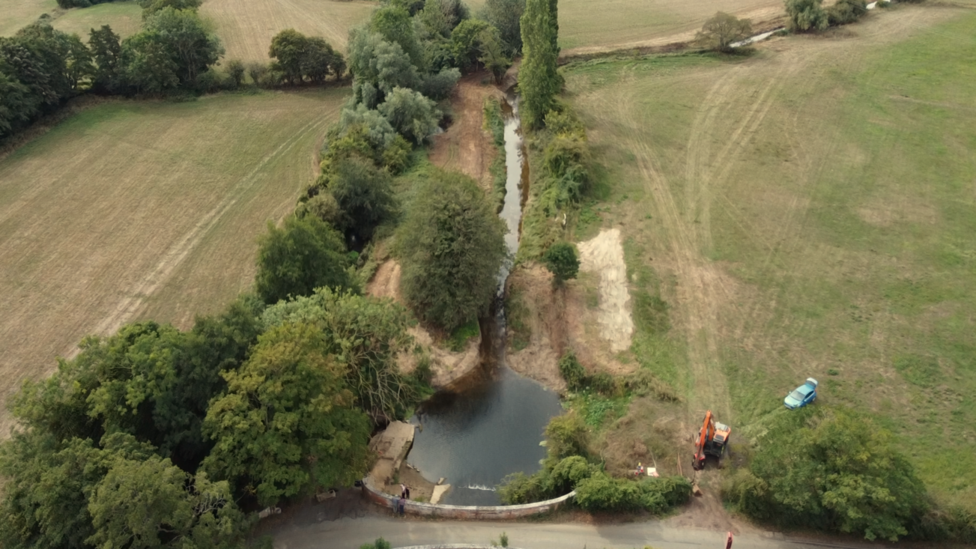
Following the April incident, councils and a consortium of landowners and farmers worked with the Environment Agency and others to form a coordinated action plan. The first phase focused on clearing the dried-out channel from Old Melton Mill to Ufford Hole to allow water to flow back to the mill, work that has now been completed.
According to recent reporting, the parish councils of Ufford, Melton and Bromeswell said the dried-out channel would be cleared this month to let water flow back to the mill. The restoration has already demonstrated tangible results, with Gill noting that
"What we've done so far shows people that we are here to get behind this problem and fix it."
What are the next priorities for the restoration?
Attention has now turned to repairing the weir before the winter flood season and restoring the riverside footpath to allow public access. Councillor Finley stressed that
"The really critical bit is getting this weir sorted out so the water doesn't just accelerate the channel and create real problems further down the river."
A full restoration of the Hawkeswade Bridge riverside walk at Ufford is now planned as part of a longer-term flood-and-drought resilience scheme, with work expected to begin by early autumn and the route described as a "top priority". Preparation work for reopening the footpath is expected to commence by early autumn, restoring a valued recreational route that has been closed since the April breach.
Key Facts
- The River Deben's water levels fell by more than a metre after the weir breach at Ufford drained the water-filled crater known as Ufford Hole
- The restoration effort is part of the "Recovering the Deben: From Source to Sea" project, a comprehensive initiative to restore land, water and nature across the river's catchment and estuary
- The East Suffolk Catchment Partnership's Deben action plan secured £280,000 from the Environment Agency's Water Environment Improvement Fund for natural flood storage projects
- The riverside footpath at Hawkeswade Bridge is scheduled for full restoration by early autumn as part of a longer-term flood-and-drought resilience scheme
- The river now flows more freely than it has in 25 years, creating visible changes in the riverbed with exposed gravel and silt