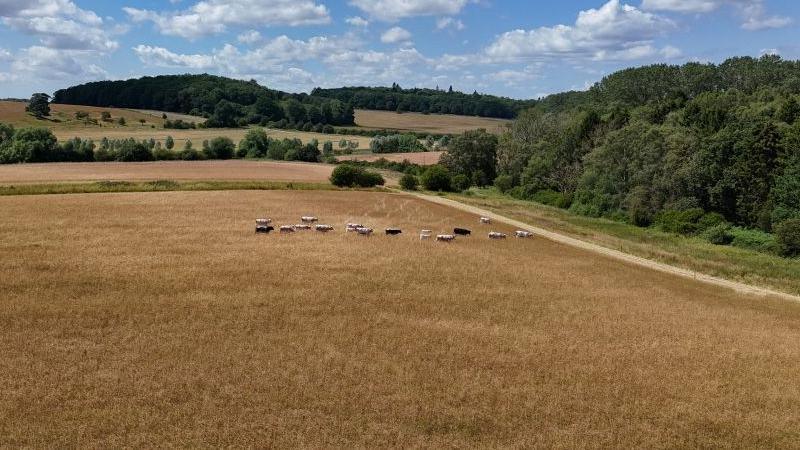
A small herd of White Park cattle, a breed considered among the oldest in Britain, has been released onto land at the Castle Howard Estate near Malton, North Yorkshire, as part of a conservation scheme expected to run for three decades. The animals now form the latest stage of the Bog Hall rewilding initiative, and estate staff say they will graze freely across newly established meadows throughout the year.
According to a Castle Howard social media update, the herd is entirely female and has already settled into its new surroundings at Bog Hall as part of what the estate calls a pioneering long-term restoration effort.
Why were these cattle chosen for the site?
The estate selected the White Park breed because of its suitability for grazing in difficult, waterlogged terrain. Officials said their presence in the freshly sown meadows would help diversify the landscape's habitat structure.
help create a more varied habitat structure
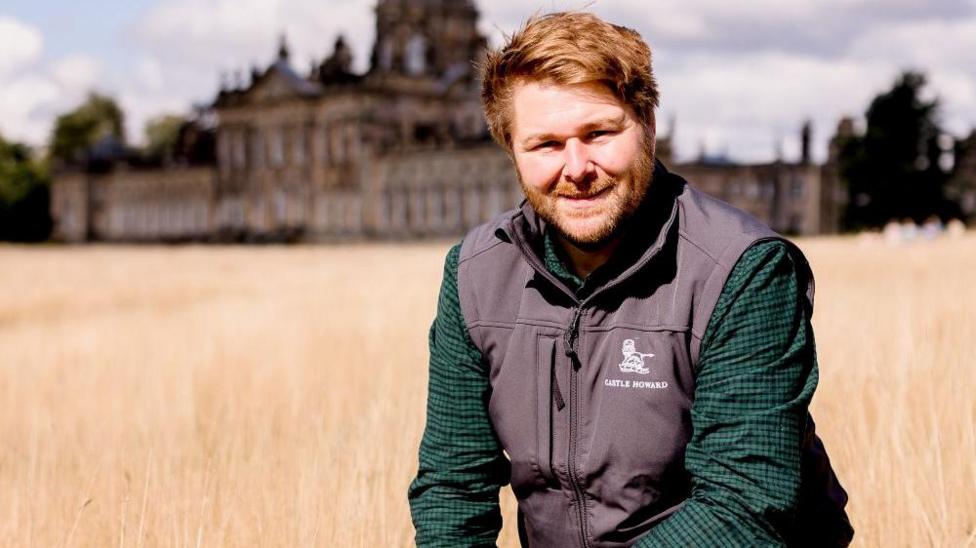
Guy Thallon, Castle Howard's head of natural environment, said watching the reintroduction take shape had been a meaningful experience for those involved.
inspiring for the whole Castle Howard team and beyond
The breed is also formally recognised for its historical significance. It holds priority status with the Rare Breeds Survival Trust, which has described it in striking terms.
likely the most ancient native cattle in the British Isles
The trust also notes the cattle are well suited to outdoor conservation grazing, including in wetter grassland habitats, which aligns with the boggy conditions found across parts of the estate.
What infrastructure has been built to support the wildlife?
Roughly three miles (five kilometres) of new fencing have been erected across the site ahead of the cattle's arrival, alongside dedicated badger tunnels and otter passages designed to keep wildlife corridors open and safe. Volunteers have also dug ponds and planted willow to prepare the ground.
The conservation volunteers have been preparing the site by creating ponds and planting willow.
Thallon said the team was looking forward to seeing the long-term ecological effects of the changes already under way.
We can't wait to see the positive impact of nature's engineers in the coming years.
How big is the project and what land does it cover?
The Bog Hall Habitat Bank scheme aims to convert 440 acres of former agricultural land into what the estate describes as a thriving space for nature. Part of that land sits within the Howardian Hills National Landscape and carries designation as a Site of Importance for Nature Conservation.
According to a report on the wider scheme, the 440-acre project area represents around five percent of Castle Howard's total 9,000-acre estate. The initiative is being carried out in partnership with the biodiversity research organisation Environment Bank as part of broader efforts around biodiversity net gain.
What has happened since the project launched?
Work on the Bog Hall scheme began in 2024, with volunteers restoring meadows, creating scrub banks to shield young saplings, and installing ponds and leaky dams intended to retain more water across the landscape. Thallon said local schoolchildren had contributed directly to the project by designing signage for the perimeter fencing.
animals they would like to see in the Bog Hall Habitat Bank project in the future
Fraser Rutherford, head of marketing at Environment Bank, said the scheme offered pupils an unusual chance to track ecological change over an extended period.
rare opportunity to follow nature restoration throughout their school years and see firsthand how native wildlife returns to a landscape
What happens next?
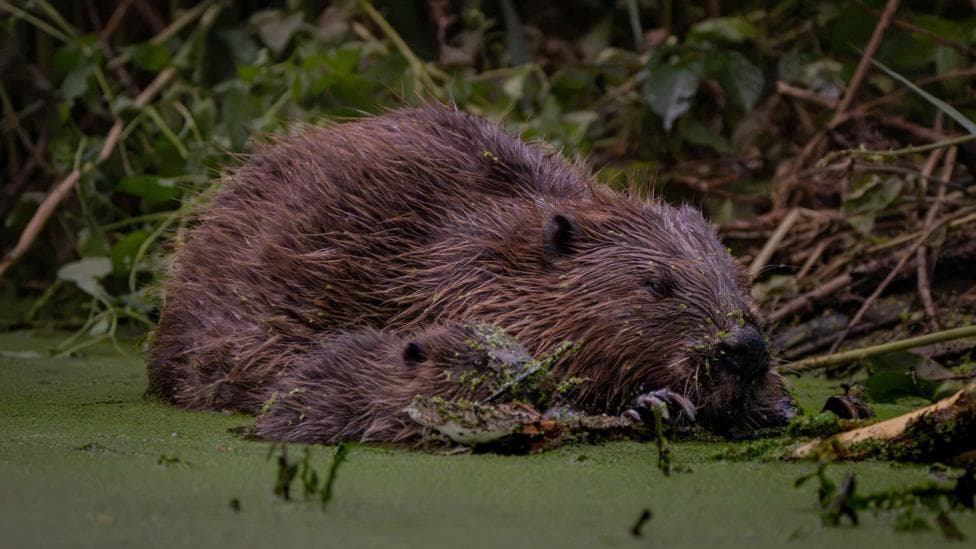
Castle Howard is preparing for a further reintroduction later this year, with beavers due to be released at Bog Hall in partnership with the Beaver Trust, according to the estate's own project page, which states that fencing work for the beaver release has been under way since 2025. The estate also anticipates the broader 440-acre habitat bank will show significant transformation within ten years, with the site expected to be fully transformed within fifteen years.
Key Facts
- White Park cattle, an all-female herd, have been released at Bog Hall on the Castle Howard Estate near Malton.
- The rewilding scheme covers 440 acres, roughly five percent of the estate's 9,000-acre total.
- Around three miles of fencing, plus badger tunnels and otter passes, have been installed to protect wildlife routes.
- Beavers are due to be released later this year in partnership with the Beaver Trust.
- The estate expects major landscape transformation within ten years, with full transformation anticipated within fifteen.