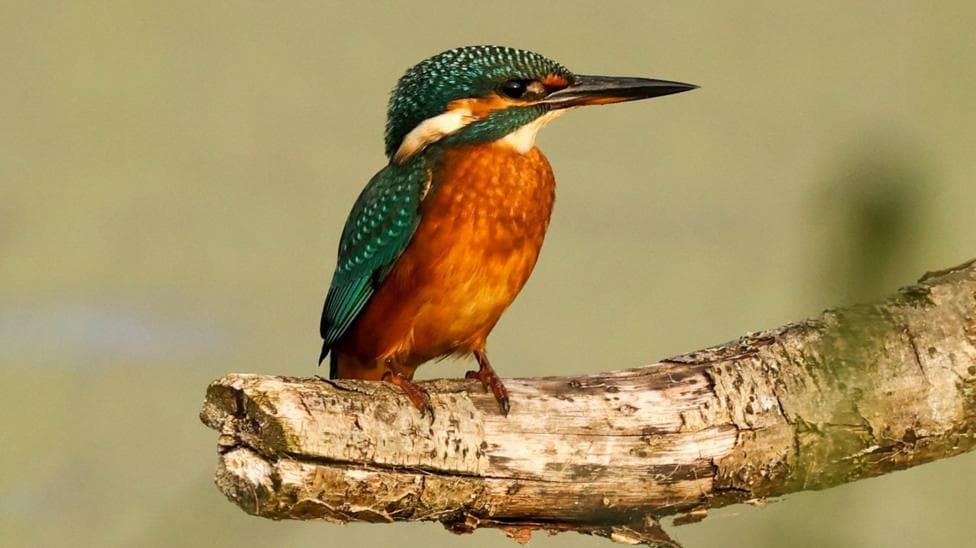
A 450-hectare wetland nature reserve on Norfolk's Broads has reached its 50th anniversary, marking five decades of conservation work that has transformed unmanaged fenland into a thriving habitat for some of the region's most threatened species. Strumpshaw Fen, which covers an area equivalent to 630 football pitches, is now home to nesting bitterns, swallowtail butterflies, cranes and numerous other rare species that visitors can readily observe. The milestone was celebrated with a family festival weekend on 5 and 6 September 2026, featuring guided walks, meadow sweeping for insects and nature crafts.
The reserve's management team has worked systematically to create conditions where vulnerable wildlife populations not only survive but flourish. By developing habitats that provide safety, food sources and shelter for breeding, successive teams have established Strumpshaw as a destination where the public can experience the natural richness of the Broads firsthand.
According to the RSPB's England conservation pages, Strumpshaw Fen "has played a crucial role in protecting Norfolk's threatened wildlife" throughout its 50-year history. The reserve was taken over by the RSPB in 1974, transforming what had previously been unmanaged fenland into a carefully stewarded conservation site.
What species thrive at Strumpshaw?
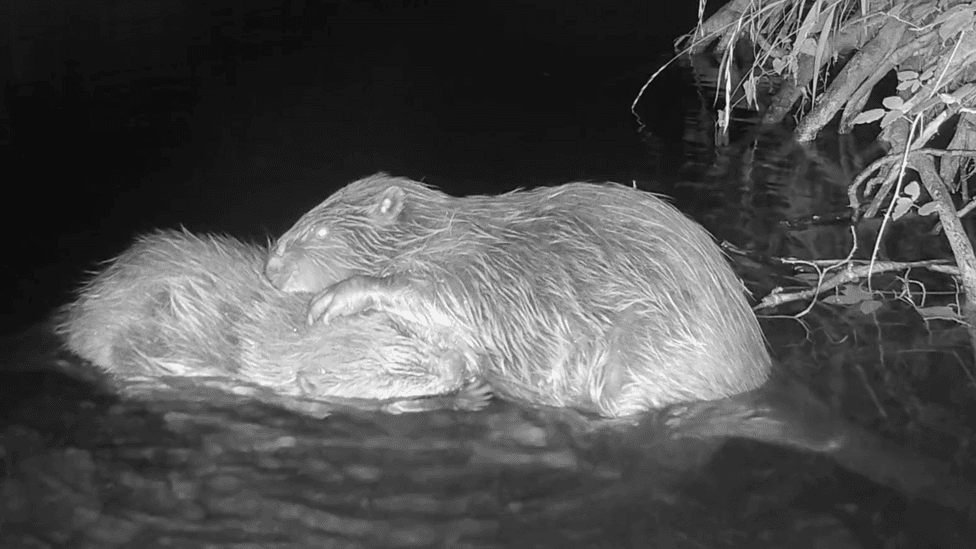
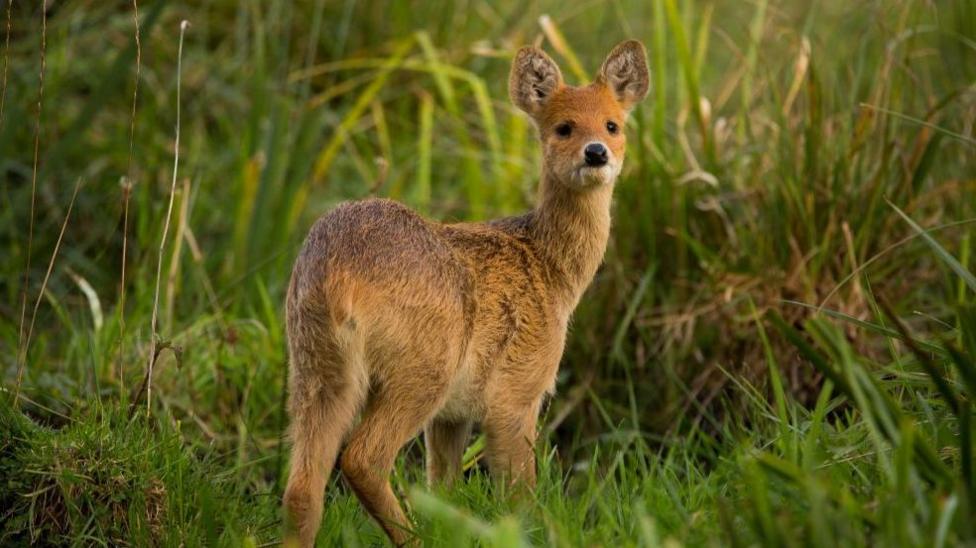
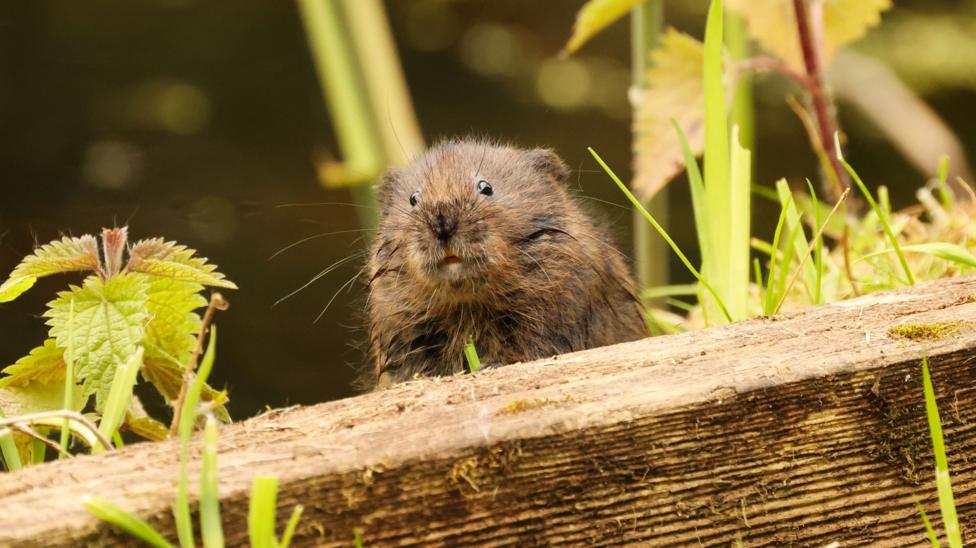
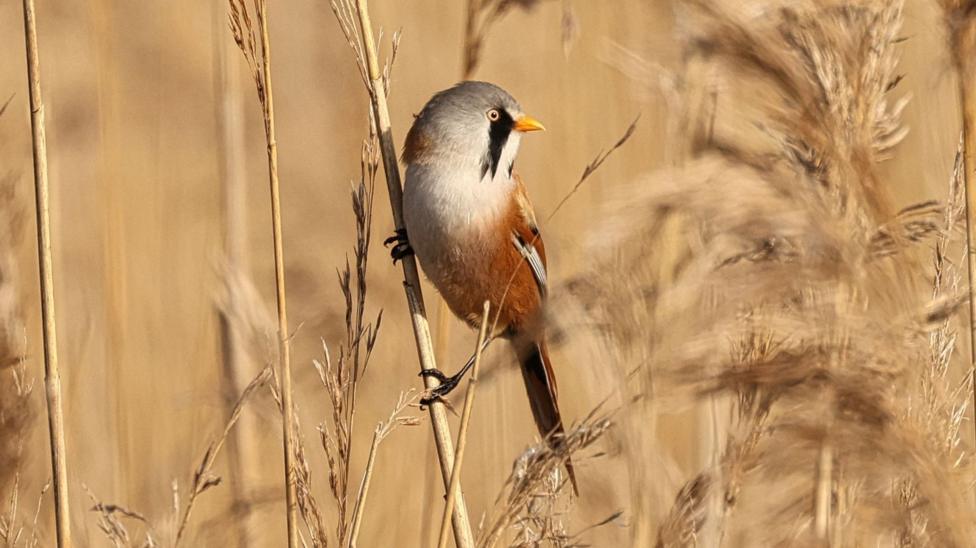
The reserve supports an exceptionally diverse range of wildlife. Reserves manager Helen Deavin highlighted the site's role in protecting species that face pressure elsewhere, describing it as a "hidden gem" where rare and unusual animals are surprisingly easy to observe. Marsh harriers, bearded tits, flocks of waders, overwintering ducks and geese are regular sights, alongside otters, water voles, fen raft spiders, orchids and rare sharp-leaved pondweed.
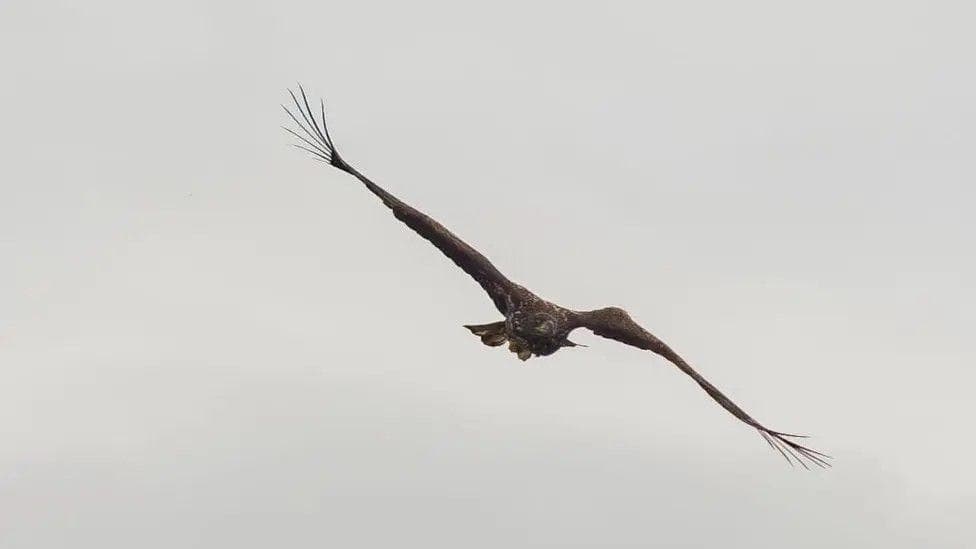
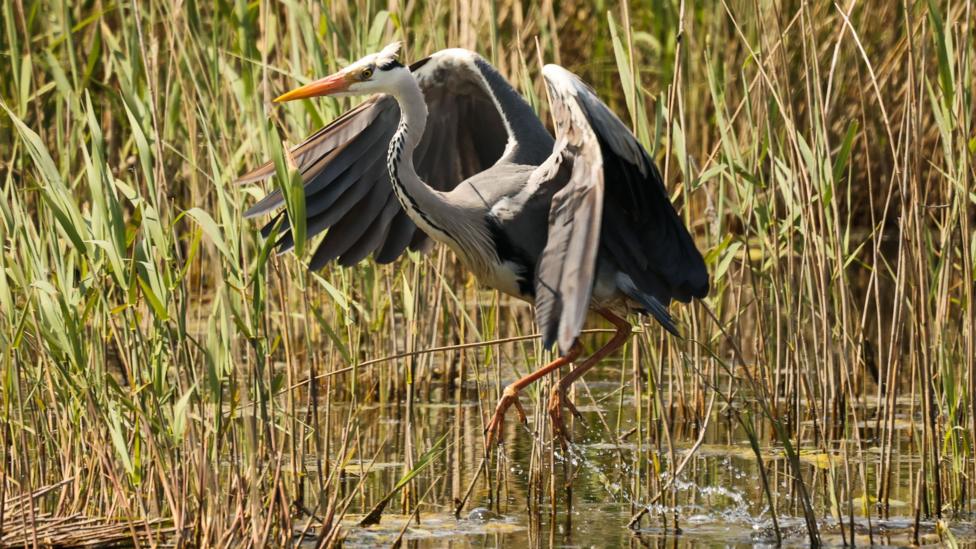
Among the reserve's most notable residents are a pair of cranes that successfully raised a chick during the summer of 2026. This breeding success reflects broader progress in crane conservation across the UK. The RSPB's Lakenheath Fen reserve in Suffolk has helped restore the UK's tallest bird, the common crane, with a record 37 chicks born nationwide in 2025, marking significant progress since the species went extinct in Britain 400 years ago.
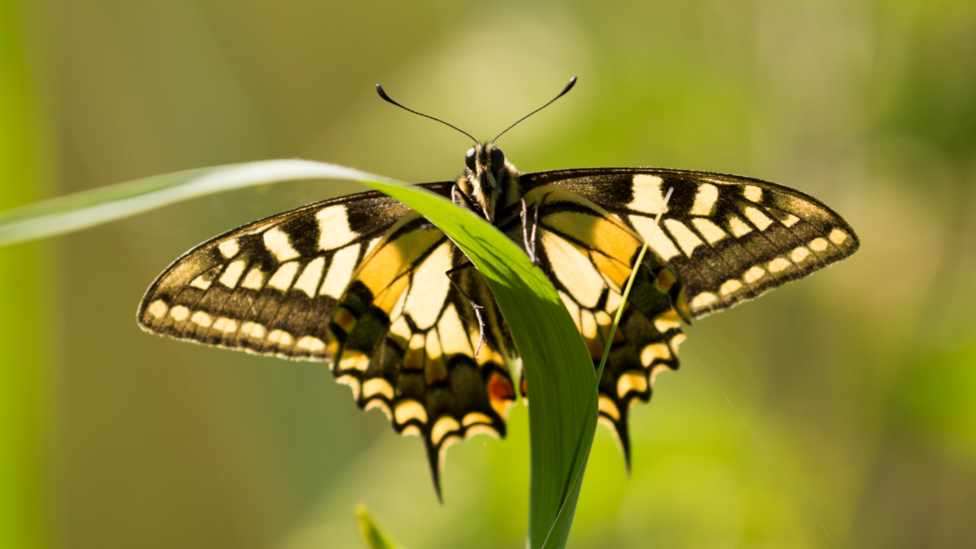
The swallowtail butterfly represents another conservation triumph. Deavin described these insects as
"one of the rarest and one of the most spectacular" butterflies in the UK, and their presence at Strumpshaw demonstrates the reserve's success in maintaining the specific wetland conditions these species require.
Chinese water deer, a species that escaped from a Bedfordshire estate a century ago, are also thriving at the reserve, adding to the diversity of mammals visitors may encounter.

How accessible is the wildlife to visitors?
One of Strumpshaw's defining characteristics is how readily visitors can observe its rare inhabitants. Deavin emphasised this accessibility, noting that
"One of the lovely things about Strumpshaw is that the wildlife is quite accessible"and that
"There's this incredible, really quite rare wildlife but actually it's really possible for people to see it, get some great views and really experience the magic of the Broads."
Otters and water voles can be viewed from the reception hide, allowing visitors to observe these elusive mammals without disturbing their natural behaviour. The reserve's infrastructure has been designed to balance public access with wildlife protection, though dog access is restricted because of the sensitivity of the habitats and species present.
What role do the reedbeds play?
The reserve's extensive reedbeds form the ecological foundation for many of its most characteristic species. These dense reed stands provide essential nesting and feeding habitat for bearded tits and other wetland birds, while also supporting the insects and small mammals that form the base of the food chain.
What challenges does the reserve face?
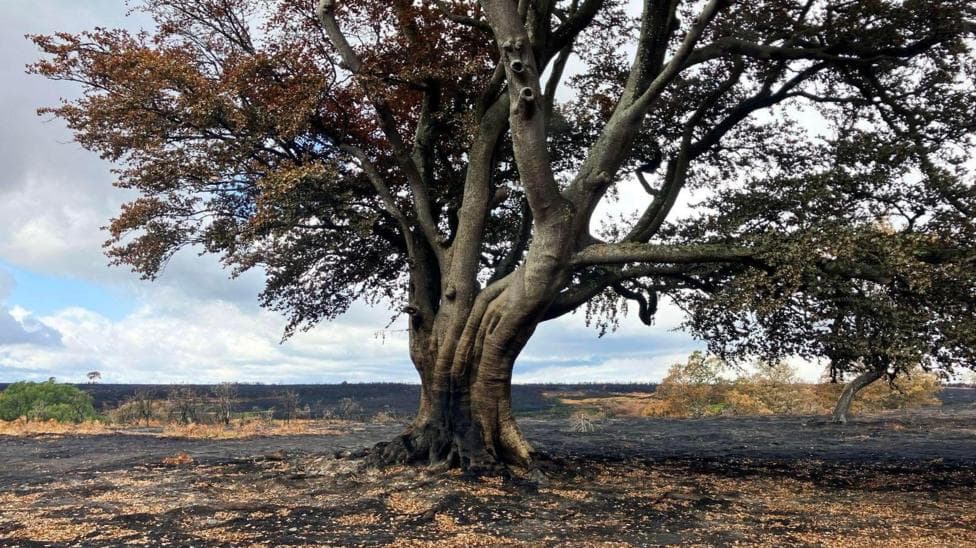
Recent weather patterns have tested the reserve's resilience. Deavin acknowledged that the summer heatwaves of 2026 had been
"tough"for wildlife, though she expressed hope for a cooler, wetter autumn. The reserve is actively preparing for seasonal challenges, bracing itself for flood events and
"saline surges" with seasonal tidesthat can alter water chemistry and habitat conditions.
These environmental pressures underscore why reserves like Strumpshaw remain vital. Across the region, nature conservation sites have reported both challenges and successes during extreme weather. Strumpshaw Fen is located at Low Road, Norwich, Norfolk, NR13 4HS, and can be contacted on 01603 715191 for visitor information and to learn about ongoing conservation work.
Why does Strumpshaw matter for Norfolk's conservation landscape?
The reserve's 50-year track record demonstrates how sustained habitat management can reverse ecological decline. What began as unmanaged fenland has become a model for wetland conservation, showing that with dedicated effort, populations of threatened species can recover and thrive. The site's success has implications beyond Norfolk, contributing to regional and national understanding of how to protect vulnerable wildlife in the face of environmental change.
Strumpshaw's role in the broader conservation network is particularly significant given recent developments in East Anglian wetland restoration. Wildlife is beginning to settle in a new 25-hectare wetland at Great Fen, Cambridgeshire, created as part of the National Lottery-funded Peatland Progress project linking ancient fen fragments, showing how conservation efforts are expanding across the region.
What happened at the anniversary celebration?
The 50th anniversary festival weekend on 5 and 6 September 2026 brought together visitors and volunteers to mark the milestone. Activities included meadow sweeping for insects and nature crafts on Saturday, followed by prebooked guided nature walks on Sunday 6 September. These events allowed the public to engage directly with the reserve and understand the conservation work that underpins its success.
Key facts
- Strumpshaw Fen covers 450 hectares (1,112 acres) of wetland habitat, equivalent to 630 football pitches
- The RSPB took over management of the previously unmanaged fenland in 1974, establishing it as a protected nature reserve
- The reserve is home to rare species including nesting bitterns, swallowtail butterflies, cranes, marsh harriers, bearded tits, otters and water voles
- A pair of cranes successfully raised a chick at the reserve during summer 2026, contributing to the UK's crane population recovery
- The 50th anniversary was celebrated with a family festival weekend featuring guided walks, insect surveys and nature activities