

Conservators at the Giant's Causeway in County Antrim have finished extracting the equivalent of roughly 10,000 coins that visitors had wedged between the site's basalt columns over many years. The National Trust confirmed that more than 20kg of metal was pulled from the joints between the rocks after experts warned the coins were corroding and physically damaging the World Heritage Site.
The removal effort began in May last year once conservationists became alarmed that rusting coins were expanding inside the cracks and putting pressure on the stone above them.
It is a relief, the coins were doing a significant amount of damage.
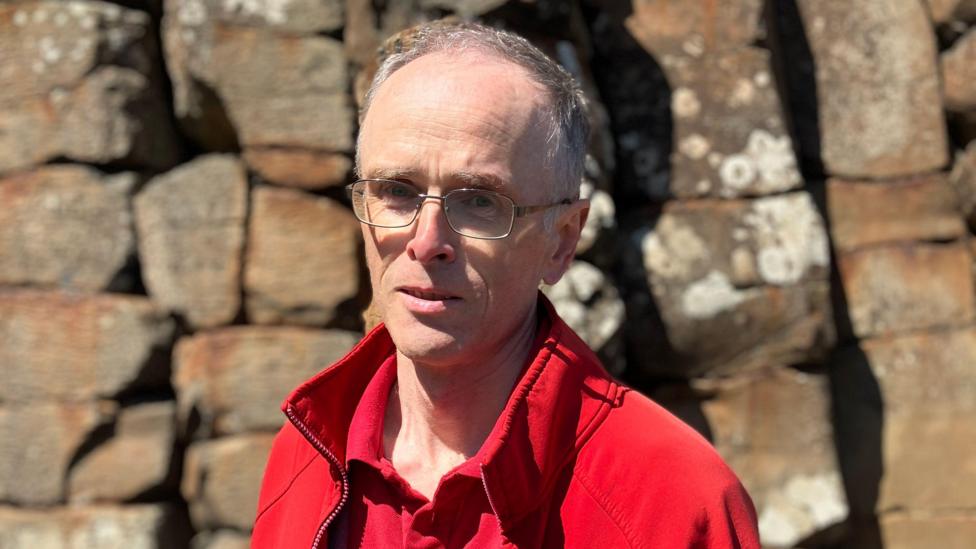
Dr Cliff Henry, nature engagement officer with the National Trust, explained the mechanism of the damage to BBC Radio Foyle's North West Today programme.
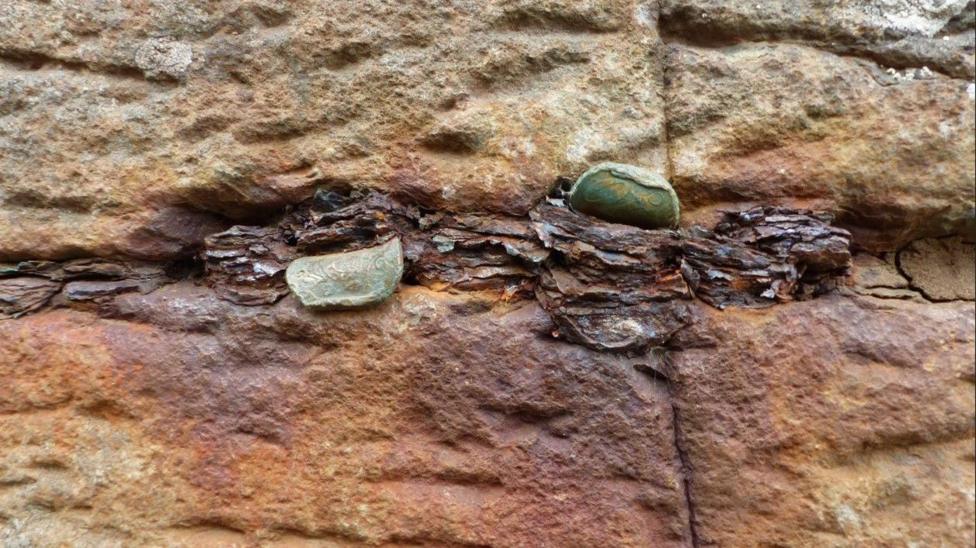
These coins were rusting and expanding and were capable of pressing the whole column of rock above them, pushing them up.
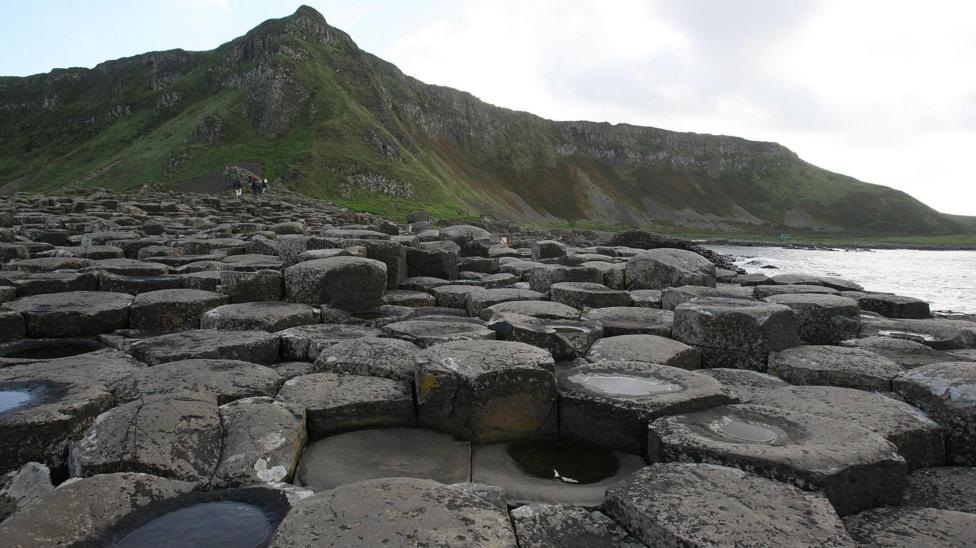
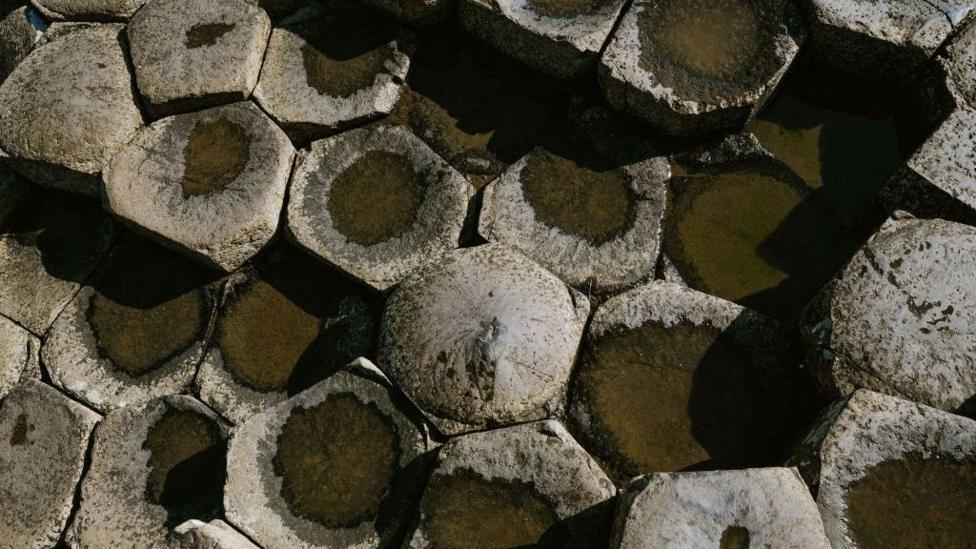
The causeway itself consists of roughly 40,000 interlocking black basalt columns rising from the sea, a formation that draws visitors from around the world each year.
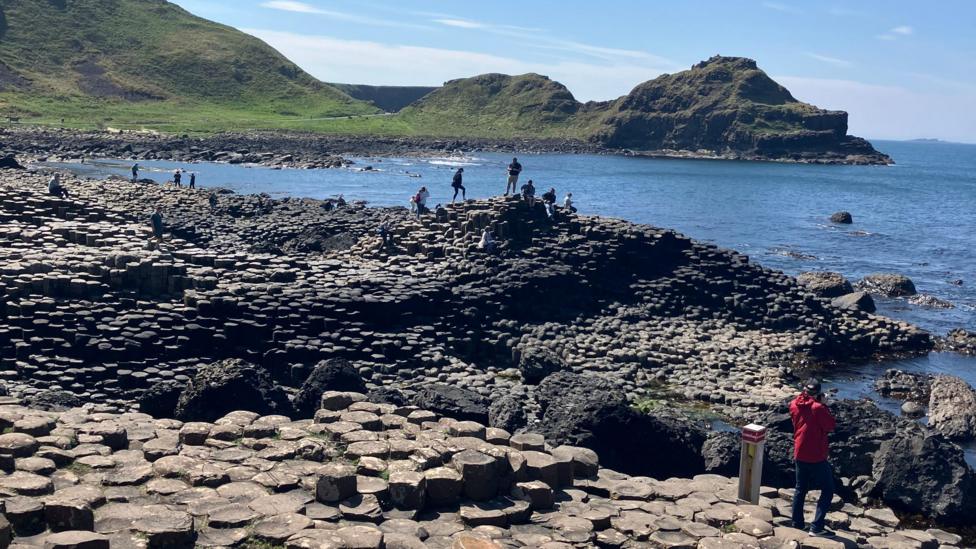
According to the Trust, wedging coins into the rock is a longstanding habit that intensified sharply over the past decade, with many visitors apparently believing the act would bring luck or symbolise love. A study by the Geological Survey of Northern Ireland had already flagged the need to remove the coins to halt both the physical strain and the chemical corrosion affecting the basalt.
Dr Henry described how rust stains had begun bleeding down the face of the columns before the clean-up began.
All that rust, that staining, was coming down the front of the columns. It looked terrible and it was causing physical damage to the causeway. We are very glad to get them all out.
How was such a delicate job carried out?
The Trust brought in specialist stonemason Nathan Morrow to handle the extraction, a task Dr Henry described as demanding close, careful handiwork.
He found it satisfying but frustrating at the same time. It was fiddly work, and frustrating work.
Morrow reportedly discovered that coins could often be worked loose gradually rather than pulled straight out.

Some coins were quite well stuck. He found if he got them to move at all, if he worked them forward and back, eventually he would be able to get them out.
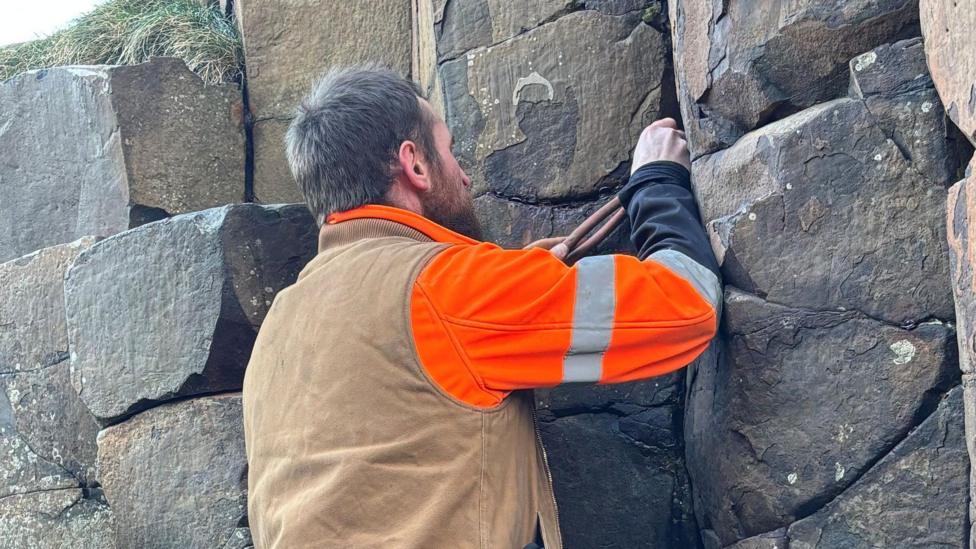
Pliers were used for coins sitting near the surface, while a grouting tool was needed for pieces jammed more deeply into the joints. Some coins took as long as 20 minutes to prise free, while others came away almost instantly, according to Morrow's account of the work.
What did the wider conservation project involve?
The scale of the damage extended well beyond what a single clean-up could resolve. A pilot conservation project identified around 300 to 400 linear metres of joint sections across the causeway still affected by embedded coins, according to the Causeway Coast and Glens Heritage Trust. That same pilot phase alone removed around 9kg of coins from test sections, demonstrating that standard stone-masonry methods could take the metal out without harming the surrounding rock.
The National Trust has said the overall removal programme cost more than £30,000, noting that the success of an initial trial extraction gave conservators the confidence to proceed with removing coins across the wider site, according to the National Trust. A separate account of the completed works put the total weight of coins recovered at 20.5kg, with the Trust indicating that the site would continue to be checked for any newly wedged coins, according to a local news report.
Why does this matter for a World Heritage Site?
The causeway's status as a UNESCO World Heritage Site is central to why the coin damage has been treated as a conservation priority rather than a minor nuisance, since both physical and chemical harm to the rock threaten a protected natural landmark. Concerns over the practice first drew formal warnings from the Trust in May 2025, when officials said the accumulated metal was actively damaging the columns and set out plans for a structured removal effort.
What happens next?
The Trust has installed new signage at the site urging visitors not to wedge coins into the rock, a message it is also promoting through its social media channels. Dr Henry suggested an alternative for visitors wanting to mark their visit with a coin.
Please don't put these coins in, if you want to do something with your coin stick it in the charity box and we can use that money for good purposes.
The Trust is also exploring turning the recovered coins into a public exhibition piece to highlight the damage the habit caused. Additional funding was expected to support a second phase of coin removal beginning in autumn 2025, according to the Causeway Coast and Glens Heritage Trust, with the site set to remain under monitoring so any freshly deposited coins can be removed as part of ongoing upkeep.
Why is the Giant's Causeway so famous?
Located in County Antrim, the causeway was formed by intense volcanic activity that forced molten rock upward through fissures in the earth's crust. As the lava cooled, it contracted and fractured into the roughly eight-sided basalt columns that define the landscape today.
The site is also tied to the legend of the giant Finn McCool, known in Irish as Fionn mac Cumhaill, who is said to have built the causeway as a crossing to Scotland so he could confront a rival giant taunting him. Another version of the tale holds that during a separate confrontation, Finn hurled a clump of earth that missed its target, landed in the sea, and became the Isle of Man.
Key Facts
- Roughly 10,000 coins, weighing more than 20kg, were removed from the causeway's basalt joints.
- Removal work began in May last year following warnings from the Geological Survey of Northern Ireland.
- Stonemason Nathan Morrow led the physical extraction using pliers and a grouting tool.
- A pilot phase alone recovered 9kg of coins and identified 300-400 linear metres of affected joints.
- The Trust says the project cost more than £30,000, with monitoring and a possible second phase planned.


