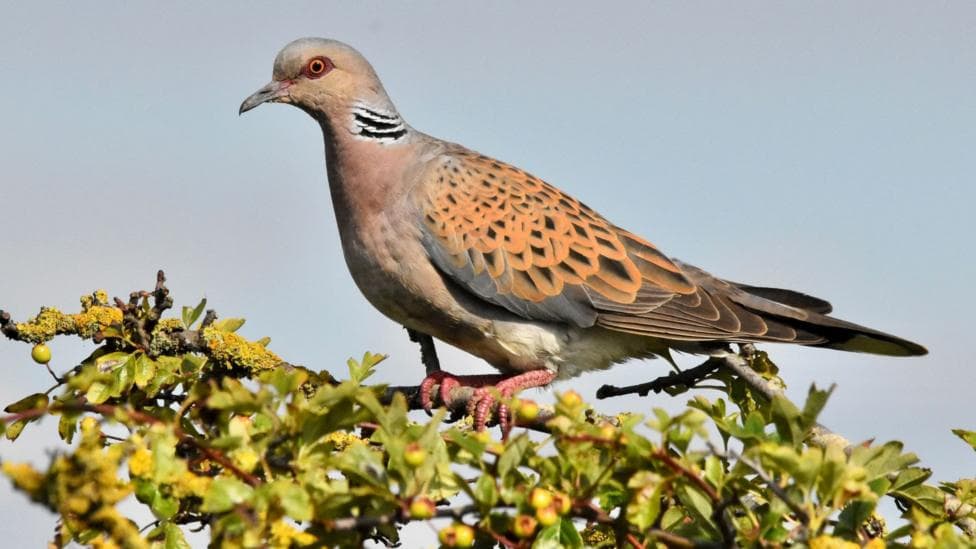
Conservationists have released more than two dozen turtle doves in the South Downs National Park as part of an intensive effort to prevent the species from vanishing entirely in the United Kingdom. The national park authority deployed 30 birds in the Selborne area of Hampshire during spring, with plans to release a further 100 in the coming year as part of what officials describe as "urgent efforts" to restore populations of this critically endangered species.
The turtle dove, immortalised in the Twelve Days of Christmas carol, represents one of Europe's most dramatic wildlife declines. According to the RSPB, the species is the fastest-declining bird in the UK, with breeding numbers having collapsed by an estimated 99% between the late 1960s and 2021. The bird currently appears on the Birds of Conservation Concern's red list, indicating it faces a high risk of extinction within British borders.
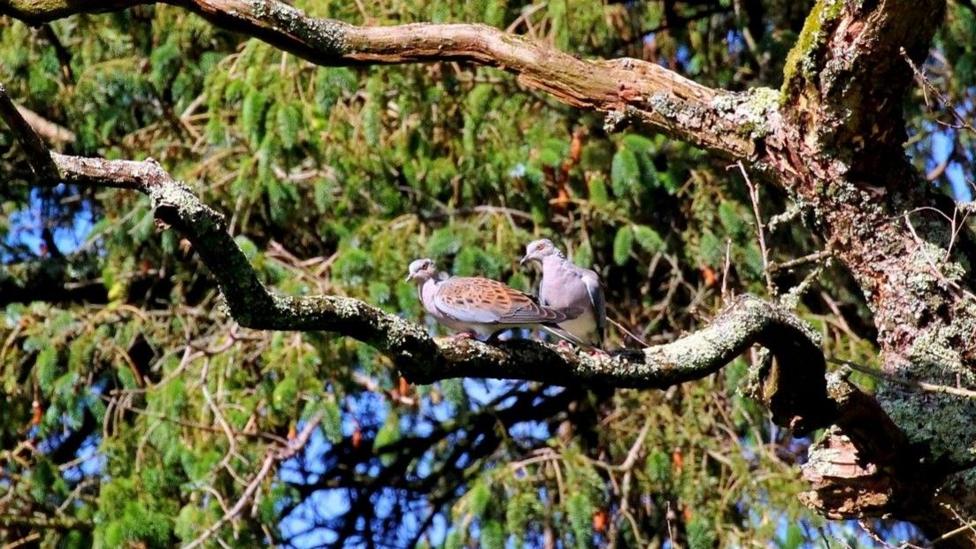
Park ranger Paul Bushell explained the severity of the situation:
"We all know the turtle dove from the festive carol, but the truth is they are now far too rare for such a Christmas gift."He noted that the species had become
"one of the fastest-declining bird species in Europe", with UK numbers plummeting by 98% between the late 1960s and 2023.
Creating Suitable Habitat for Recovery
Beyond simply releasing birds, the South Downs National Park authority has undertaken comprehensive habitat restoration to support the doves' survival and breeding. Staff have planted suitable vegetation for the birds to feed on, including "weedy" wildflowers such as fumitory and vetch, which provide essential nutrition during the breeding season. Seven ponds have been restored near nesting sites to offer drinking and bathing facilities for the released population.
These efforts form part of a broader conservation strategy. According to Operation Turtle Dove's 2026 update, the partnership worked with 442 farmers and land managers in 2024 to create 161 hectares of suitable feeding habitat across the region. Operation Turtle Dove is a partnership led by the RSPB alongside Natural England, Pensthorpe Conservation Trust and Fair to Nature, focusing on creating feeding habitat, nesting scrub, hedgerows and water access in eastern and south-east England.

Early Signs of Success in the South Downs
Initial results from the spring release have been encouraging. Bushell reported that the 30 released birds
"seem really happy", and noted a particularly positive development:
"Interestingly, one of the females has come back into the enclosure to lay some eggs, which is incredibly encouraging."
The ranger expressed his enthusiasm for the species itself, describing them as
"a spectacularly beautiful bird"and highlighting that
"the males produce the most enchanting churring sound during the breeding season."He reflected on the emotional significance of the project:
"It is such an incredible and moving experience to see and hear the birds back in the landscape where they belong."
Bushell emphasised the importance of the South Downs location for the species' recovery:
"There are still small numbers of turtle doves living in the national park and we hope that careful releases like this can help create a new and much-needed South Downs stronghold."
What Happens Next for the Released Doves
The turtle dove is Europe's only migratory dove species, and the released birds are expected to follow their natural migration patterns. During autumn, the population is anticipated to undertake a 3,000-mile (4,800km) journey to their overwintering grounds in sub-Saharan Africa. Conservationists hope the birds will return to the South Downs in spring 2027, with turtle doves expected to return to England from April to September each year, followed by autumn migration after the breeding season concludes.
The South Downs initiative arrives at a moment when broader conservation efforts are showing measurable results. The RSPB reported that turtle dove numbers breeding in Western Europe increased by 40% from 2021 to 2024, representing an additional 615,000 breeding pairs. This regional recovery demonstrates that intensive habitat management and coordinated conservation action can reverse even the most severe population declines, offering hope for the species' future across its range.