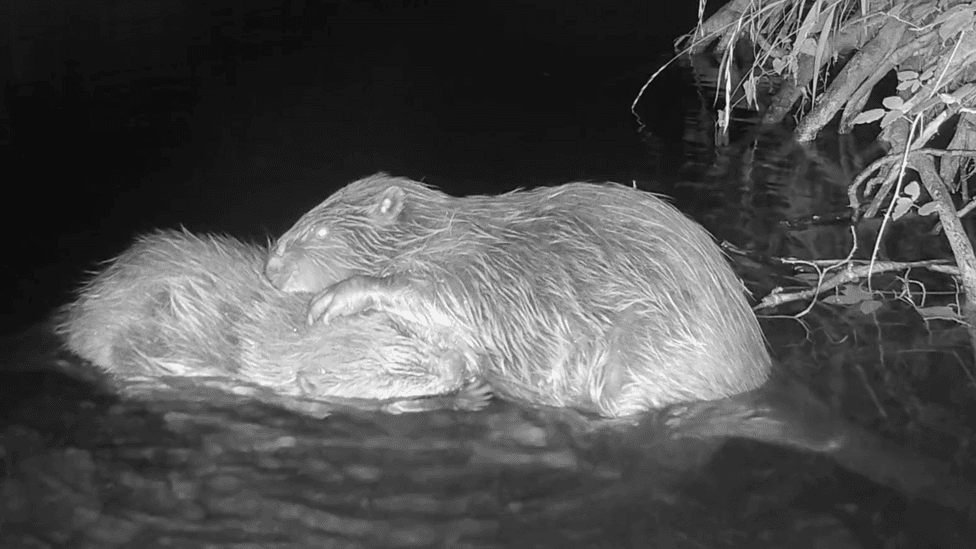
Conservationists have expressed optimism after trail cameras captured two beavers grooming each other on the Holnicote Estate in Somerset, suggesting the animals are establishing the social bonds essential for a healthy population. The pair, released into the wild in February 2026, represent part of a significant expansion of beaver reintroduction efforts across England following government approval in 2025.
The semi-aquatic rodents now inhabit the 5,000-hectare Exmoor site managed by the National Trust, where they were released as part of the charity's initiative to restore rivers, wetlands and floodplains. According to the National Trust's August 2026 update, the release involved several pairs of beavers rather than a single pair, with additional animals scheduled for release across areas where they could establish territories.
Why is the bonding behaviour significant?
Beavers typically live in small family groups centred around an adult pair that mate for life, making the formation of these partnerships crucial to population growth. National Trust ranger Mathieu Burtschell explained that the animals' decision to pair up indicates they have discovered suitable conditions at Holnicote.
"The fact that they have paired up is a good indication that they have found the right conditions at Holnicote, with enough suitable habitat, food and space to establish a territory together."
Burtschell added that observing the pair together through trail camera footage represented an encouraging sign for the reintroduction programme.
"Seeing these two beavers together on the trail camera is really exciting. They are largely active at night, so trail cameras give us a valuable window into what they are doing when we are not there. If the pair remains together, they could eventually establish their own family group and help strengthen the beaver population across the estate."
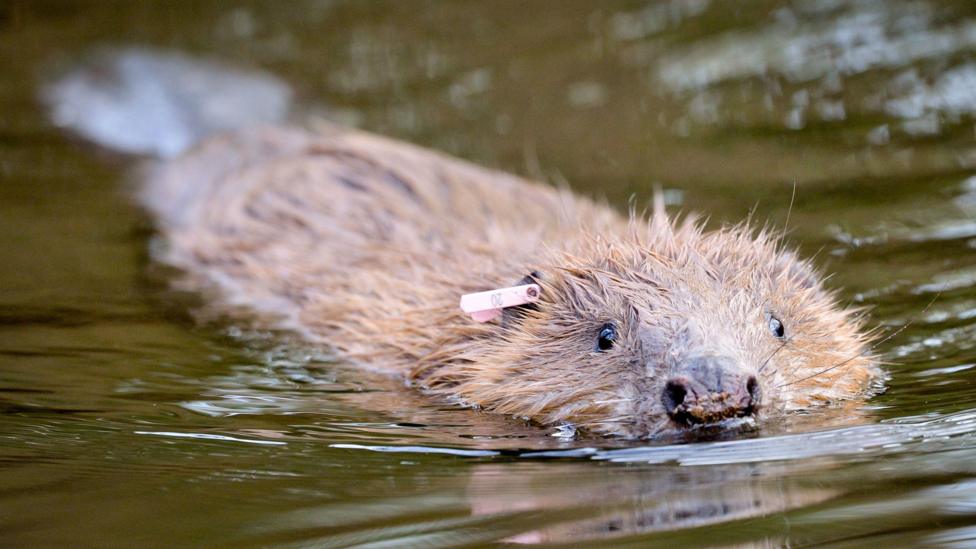
What ecological benefits do beavers provide?
Once beavers establish their territories, their engineering activities create dams, canals and wetlands that generate new habitats for other wildlife while extending water retention across the landscape. By late August 2026, the National Trust reported that the Holnicote release was already helping the estate "hold more water across the landscape" and creating wetlands, ponds and freshwater habitat across the catchment. This water-storage function has become increasingly valuable as parts of England experience drought conditions.

The reintroduction effort builds on earlier successes across the country. In Bedfordshire, a family of Eurasian beavers was reintroduced for the first time in 400 years following two years of ecological preparation, while in Worcestershire, three new beaver kits were born in the Wyre Forest conservation enclosure, with the family's dam-building activities contributing to flood reduction efforts.
How does this fit into England's wider reintroduction programme?
The Holnicote release marked the first time beavers had been legally released into the wild in Somerset, following previous enclosed reintroductions on the estate in 2020. The February 2026 release occurred as part of England's broader beaver reintroduction programme, which gained government approval in 2025 after the species had been absent from the UK for approximately 400 years. Beavers were hunted to extinction in the 16th century for their fur, meat and scent glands.
The National Trust's approach at Holnicote differs from earlier conservation efforts by allowing beavers to roam freely across the estate rather than confining them to enclosed areas. The trust described the release as a "wider release" across the estate with plans for additional animals to be released over subsequent days.
How are the beavers being monitored?
Rangers continue to track the animals to understand how they settle, move through the catchment and modify the surrounding habitat. The National Trust has deployed trail cameras and livestreaming technology to observe beaver behaviour and monitor other species across the estate, providing valuable insights into nocturnal activity that would otherwise remain hidden from human observation.
What happens next?
The National Trust intends to continue releasing additional beavers across Holnicote in areas where they can establish territories. The organisation will maintain its monitoring programme to track how the expanding beaver population shapes the landscape and contributes to the estate's ecological restoration goals, particularly in relation to water retention and flood management during periods of environmental stress.
Key Facts:
- Two beavers captured on trail cameras grooming each other at Holnicote Estate represent the first wild beaver release in Somerset
- The February 2026 release involved several pairs of beavers across the 5,000-hectare National Trust estate on Exmoor
- Beaver dams and wetlands help hold water across the landscape and create habitats for other wildlife
- The reintroduction follows government approval in 2025 and represents the first legal wild release of beavers in England in approximately 400 years
- Rangers use trail cameras and livestreaming technology to monitor beaver behaviour and habitat changes