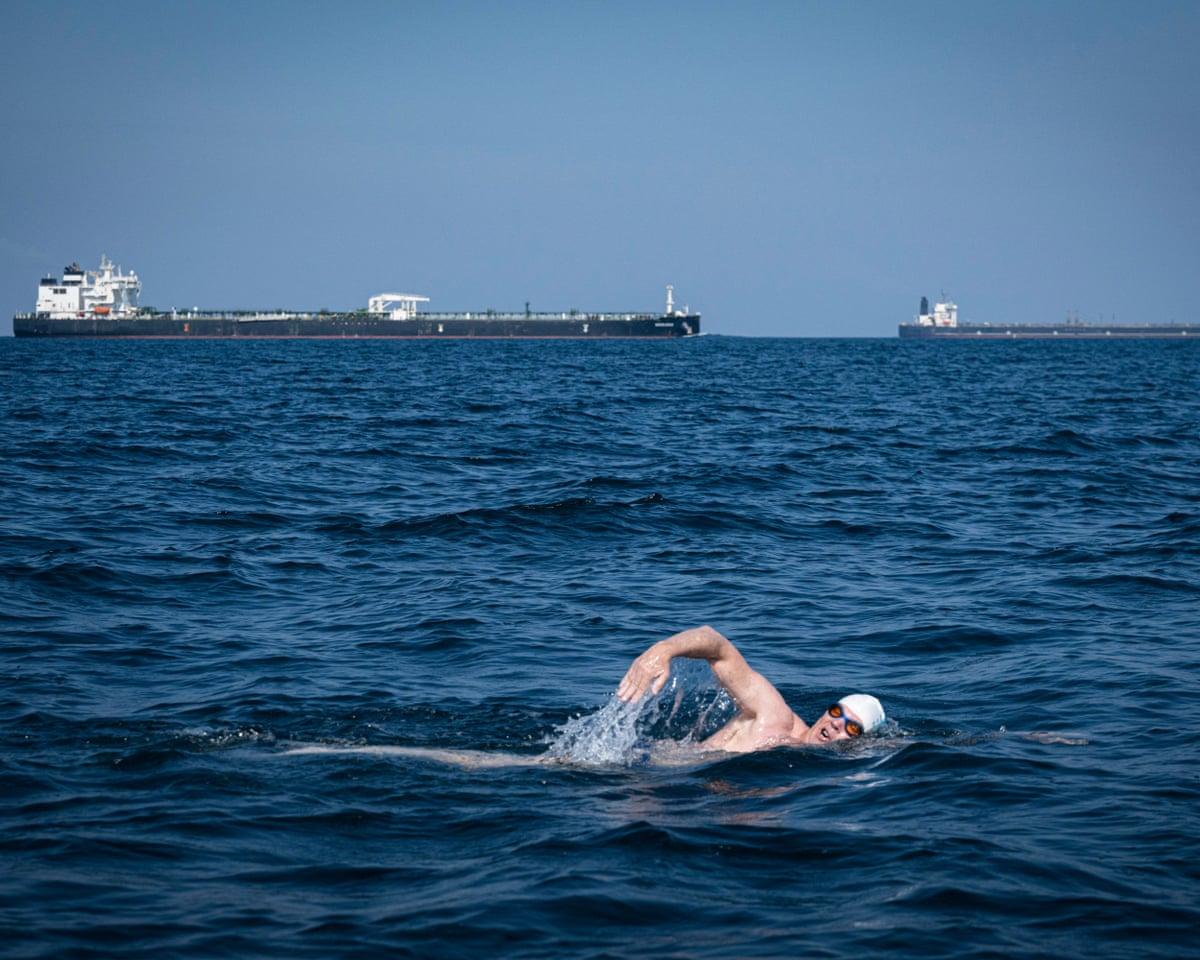
A British endurance swimmer has completed a three-day crossing of the strait of Hormuz to draw attention to the environmental consequences of the ongoing Iran conflict. Lewis Pugh, a UN patron of the oceans, swam the 9.3-mile (15-kilometre) length of the waterway—a critical passage for oil shipments from the Middle East—while witnessing multiple attacks on commercial vessels and military activity overhead. According to The Guardian, his expedition documented the human and environmental costs of the conflict, which has disrupted one of the world's most vital shipping routes since March 2026.
The 56-year-old swimmer, who wore swimming trunks, goggles and a cap bearing the UN logo, completed the swim in sections over approximately six and a half hours, according to AP News. His three core demands were unambiguous: halt the fighting, reopen the strait and remediate the pollution caused by the conflict, as reported by Dawn.
The Lewis Pugh Foundation documented multiple incidents during the crossing. On the first day, an oil tanker was struck by a projectile approximately 2.5 miles from where Pugh was swimming. The second day proved even more harrowing: he observed flames rising above a headland and later passed close to the liquefied petroleum gas carrier Tara Gas while it remained ablaze.
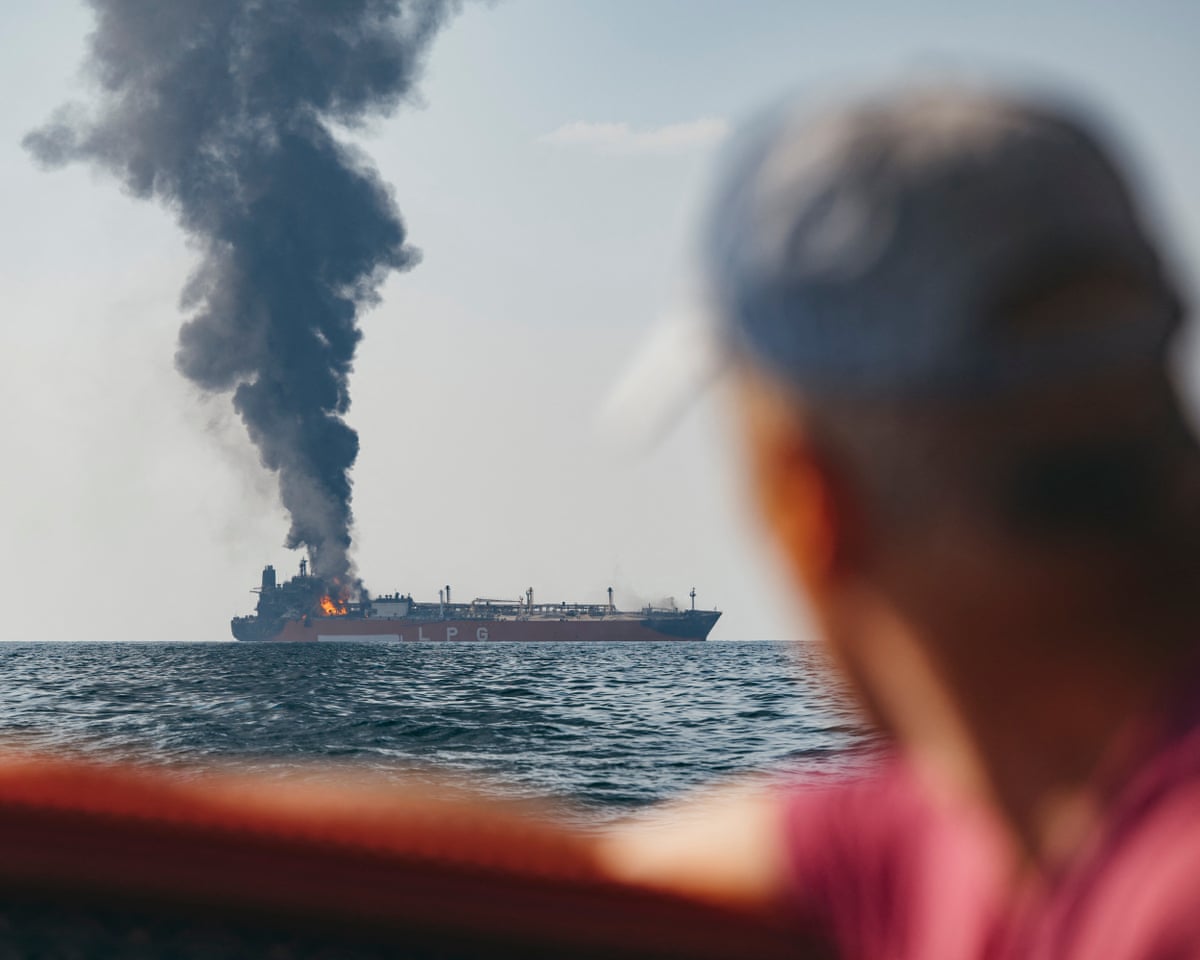
My immediate thoughts were for the seafarers onboard. The flames were enormous. These vessels carry highly flammable gases, and an attack on one can have catastrophic consequences, not just for crew members but also on the surrounding marine environment.Pugh said these words after witnessing the burning vessel, underscoring the dual threat posed by the conflict to human life and ecosystems.
Pugh, born in Plymouth, believed himself to be the first person to attempt a long-distance swim in the strait since the conflict began. His route traced from Musandam Island through the dramatic mountain terrain and inlets of Oman's Musandam peninsula and Iran's mangrove forests, concluding at the Cape of Hormuz at the peninsula's northern tip. The strait, which measures 39 kilometres across at its narrowest point, is home to dolphins, sea turtles, dugongs and whale sharks—species whose survival depends on the health of coral reefs, seagrass meadows and mangrove ecosystems.
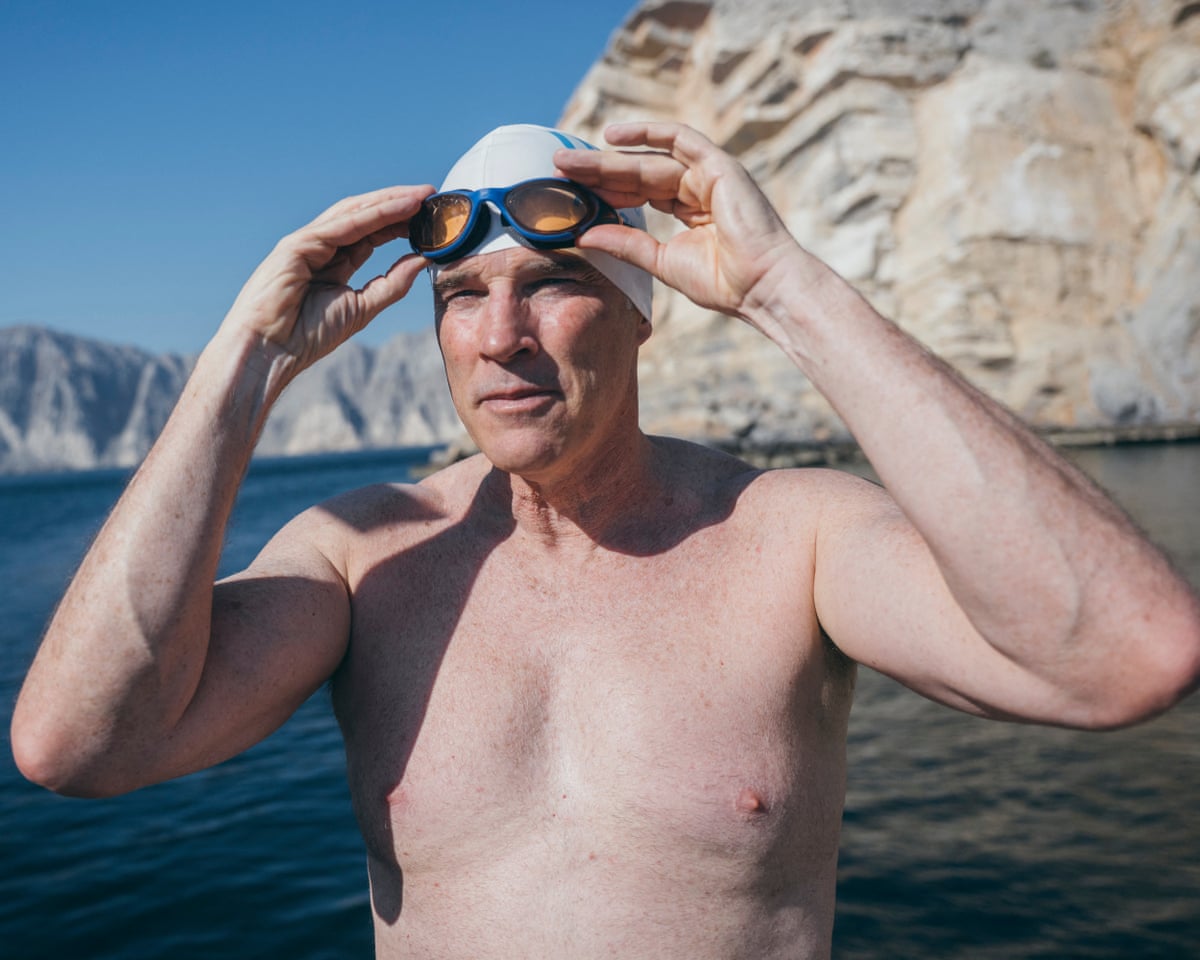
Pugh described the strait as one of the most beautiful places he had visited, yet acknowledged that the conflict threatens its ecological integrity.
War causes immense human suffering. Lives are lost, families are torn apart and homes, hospitals and schools can be destroyed in minutes. But there is another casualty that receives far too little attention: nature itself. And the damage can last long after the fighting has stopped.
The environmental stakes are substantial. According to the UN, at least 175 vessels have been attacked since fighting began, with approximately 30 attacks causing significant pollution. Oil spills and other contamination from these incidents carry long-term consequences for marine life and the broader ecosystem. The strait's strategic importance—as a key route for Middle East oil shipments—means that environmental damage compounds the economic disruption already affecting global energy markets.
The conflict has created unprecedented challenges for maritime commerce. In June 2026, the UN's International Maritime Organization paused ship evacuations through the strait following a vessel attack off Oman, reflecting the hazardous conditions that persist despite ongoing negotiations. More recently, Middle East crude oil shipments have recovered to 92 per cent of pre-conflict levels through military escorts, shuttle tankers and pipeline diversions, though analysts warn this arrangement remains fragile amid persistent Iranian attacks.
Pugh's expedition included a support boat and kayak that remained alongside him throughout the swim. His decision to undertake this first long-distance swim in a conflict zone represented a deliberate choice to elevate environmental concerns that typically receive less public attention than the human cost of war. By combining personal endurance with advocacy, he sought to demonstrate that the consequences of conflict extend far beyond immediate casualties and property damage, reaching into the natural world in ways that demand urgent international attention and remediation.