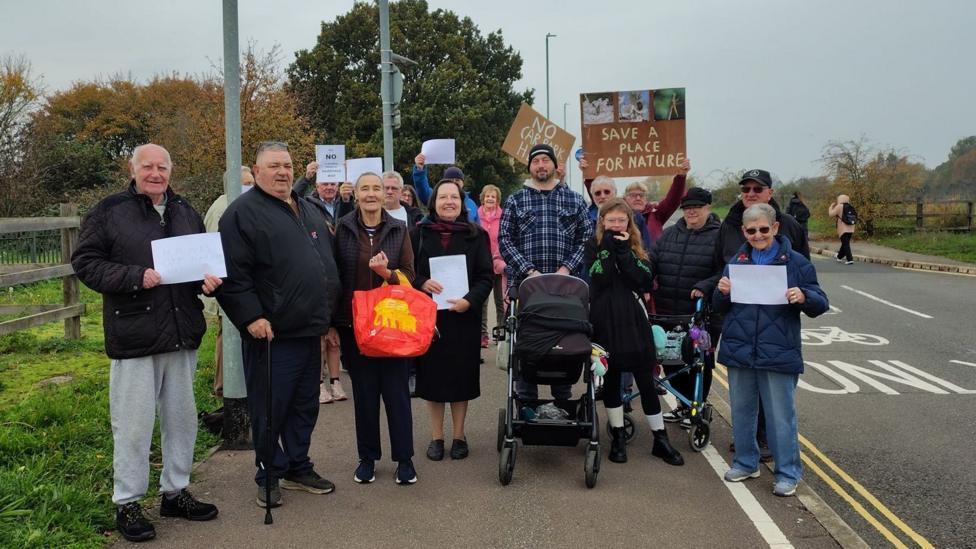
Residents in King's Lynn are building on a major victory by seeking expanded safeguards for additional green space in the Norfolk town. After successfully securing protected status for seven acres of land known as Harding's Pits, the Harding's Pits Community Association is now targeting an adjacent area that remains vulnerable to housing development. According to BBC News, the group wants the same protections extended to the east side, which has been earmarked for up to 50 houses in the local plan.
The campaign represents the culmination of three decades of effort by local residents. Norfolk County Council approved village green status on 20 October 2026 for the council-owned land west of Harding's Way, covering Harding's Pits, South Lynn Community Orchard and Beuys' Acorns. The designation gives the public a legal right to use the land for lawful sports and pastimes, and its protection remains in place if ownership changes.
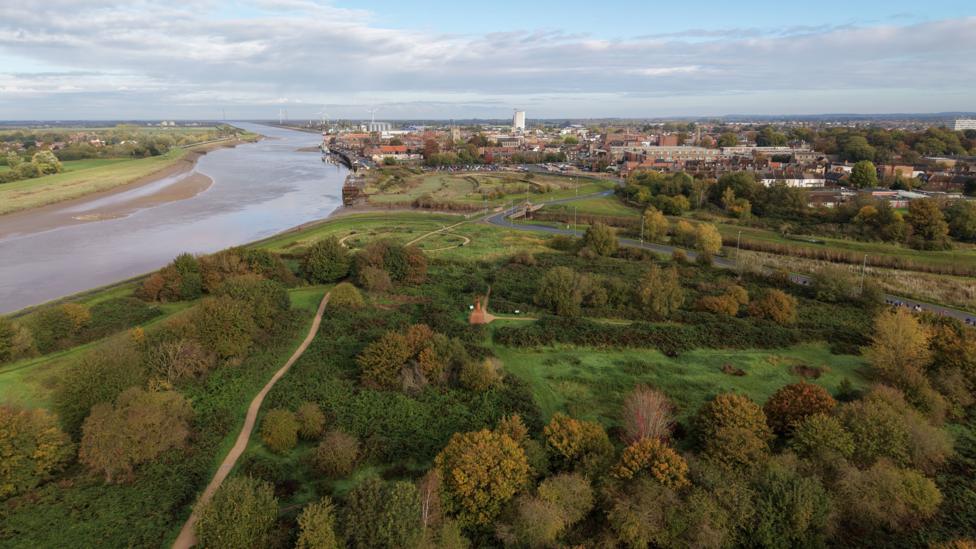
The protected area now spans approximately 10 acres, having expanded from the original seven acres to include a community orchard and the Beuys' Acorns oak circle. The Harding's Pits Doorstep Green was created in 2004 with Countryside Agency grant funding and has since been managed with substantial volunteer involvement from the community association. When the association was formed in 2004, its plans retained rough habitats while adding paths, meadow areas, seating and trees, with volunteers planting more than 400 trees that December.
What are campaigners asking for next?
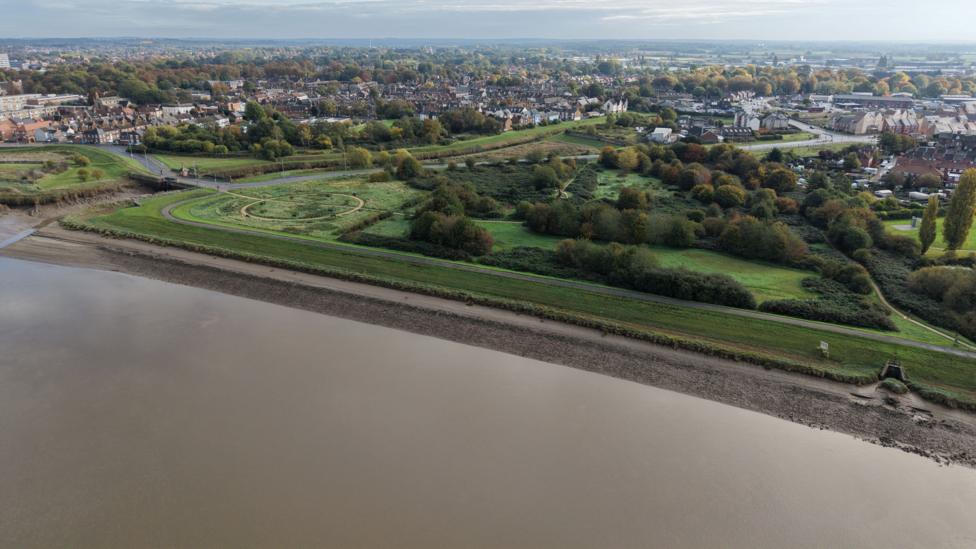
Independent councillor Alexandra Kemp is pushing her authority to amend its local plan to protect the east side of Hardings Way as a village green. She said:
"I want to protect the east side of Hardings Way as a village green. To take out the 50 houses earmarked for Harding's Pits east from the borough's local plan, and provide community sports facilities, more trees and places for wildlife instead. Any development along Hardings Way risks more general traffic which would be devastating to the peace, quiet, safety, and amenity and wildlife."King's Lynn and West Norfolk Borough Council has been approached for comment on the proposal.
Why is this land significant?
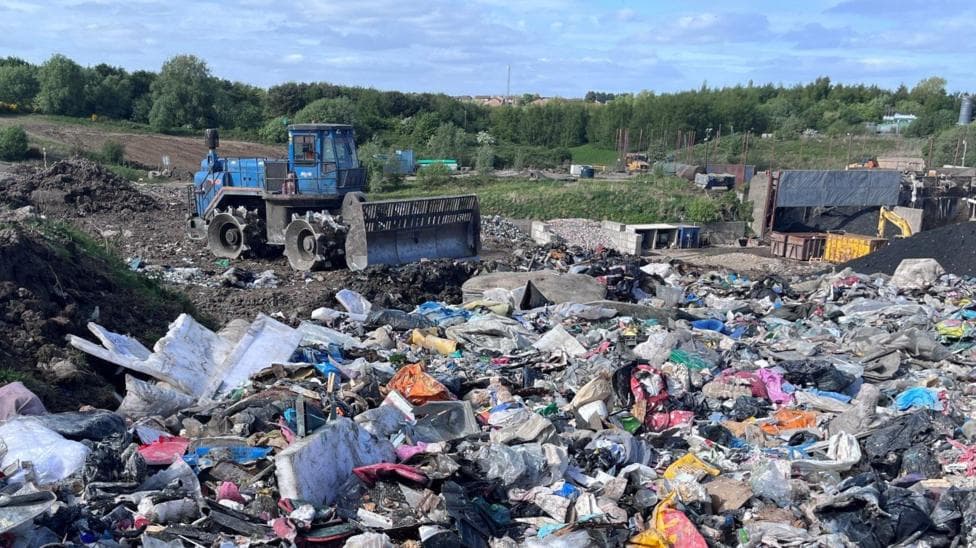
Harding's Pits was transformed into a public space in the early 1960s, but its history extends much further back. The site originated as a 19th century clay pit, which was subsequently used as landfill before being reclaimed for community use. Today, the land serves multiple purposes: residents use it for dog walking and as pedestrian access to King's Lynn town centre, while also functioning as a wildlife habitat and recreational space.
What housing pressures does the council face?
The local council operates under significant constraints from central government. King's Lynn and West Norfolk Borough Council has been given a target to build more than 10,000 new homes by 2040, creating tension between housing delivery and green space preservation. However, the borough council said its newly adopted Local Plan removed the previous development allocation affecting land that now forms Beuys' Acorns, suggesting some flexibility in planning decisions.
The campaign in King's Lynn reflects broader tensions across England, where campaign groups are fighting proposals to build on green belt land, citing infrastructure pressures and permanent loss of countryside. The Harding's Pits Community Association's success in securing village green status for the western section demonstrates that determined local action can influence planning outcomes, even as national housing targets continue to drive development pressure.