The National Trust has regained control of a 370-acre (150-hectare) site near Cambridge for the first time in six decades, marking a significant step in expanding nature conservation across the region. According to BBC News, the land known as Northfield will be managed to restore wildlife habitats and increase public access to green space in an area where nature has been severely depleted.
Northfield sits alongside Quy Road towards Bottisham, approximately seven miles (11 kilometres) from Cambridge city centre and adjacent to Anglesey Abbey. The site features a distinctive fen-edge landscape where low-lying fenland transitions into the higher chalk ridge, along with a chalk stream and evidence of human settlement dating back thousands of years, including the Roman period.
Emma Ormond-Bones, general manager of the National Trust's North Cambridgeshire Portfolio, outlined the organisation's vision:
We want Northfield to become a place where nature can thrive, helping wildlife recover and building resilience to a changing climate.
Why does this matter for Cambridgeshire?
Cambridgeshire ranks among the most nature-depleted counties in the United Kingdom, while the region simultaneously faces growing demand for accessible green space as its population expands rapidly. The Northfield acquisition forms part of a broader Wicken Fen Vision launched in 1999 as a 100-year project to expand the nature reserve from Wicken Fen towards Cambridge, with the reserve having more than doubled in size since its inception.
The project represents the first initiative within the Trust's new masterplan for the area, which aims to establish a more connected and resilient landscape for both wildlife and people stretching from Wicken Fen to the edge of Cambridge.
What wildlife could benefit?
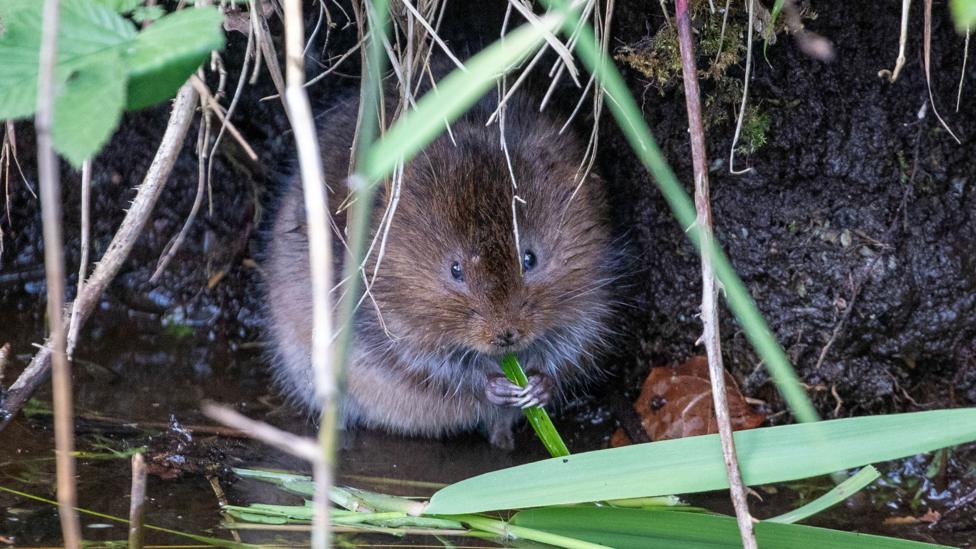
The National Trust anticipates that species including harvest mice, water voles and turtle doves will benefit from habitat restoration efforts. According to the National Trust's project page, plans include woodland and species-rich grassland development alongside opportunities for people to access and enjoy the landscape.
How will the community be involved?
The Trust is committed to understanding what matters most to local residents and ensuring the site becomes a place people feel connected to and value. Ormond-Bones stated:
Northfield has the potential to deliver meaningful benefit to both people and wildlife and we want local people to play a vital role in helping shape what that future will look like.
Six public drop-in sessions are scheduled for between 21 and 27 November 2026 at venues in Wicken, Bottisham, Burwell, Cambridge, Waterbeach and Lode. Feedback gathered during these sessions will inform the next stage of planning before formal proposals are developed during 2027.
What is the broader context?
This acquisition reflects a growing trend of land restoration across England. Similar projects have recently been undertaken elsewhere in the region: wildlife is beginning to settle in a new 25-hectare wetland at Great Fen, Cambridgeshire, created as part of the National Lottery-funded Peatland Progress project linking ancient fen fragments. Beyond Cambridgeshire, conservation organisations have acquired farmland for habitat restoration, including efforts to transform agricultural land into wetlands and nature reserves across the wider region.
What happens next?
Public engagement will be central to shaping Northfield's future. The consultation period running through late November 2026 will gather community input on priorities and aspirations for the site. Further public involvement is planned as proposals are developed during 2027, with the Trust working to balance wildlife restoration with community access and enjoyment of the landscape.