Up to 900 artificial nest "cups" for threatened house martins are set to be installed across Hampshire as part of an expanding conservation initiative. According to BBC News, the project follows a successful pilot phase and aims to provide safe breeding sites for birds that migrate from Africa each spring and are classified on the UK's Red List of endangered species.
The birds are thought to have suffered from a shortage of wet mud needed to construct nests during periods of extreme heat and drought. The artificial nests, made from woodcrete—a material significantly stronger and more durable than mud—save the birds considerable time and energy compared to building their own structures. Project co-ordinator Nigel Matthews has encouraged residents, schools and businesses to apply for the free cups "to give these remarkable birds a safe place to raise their young".
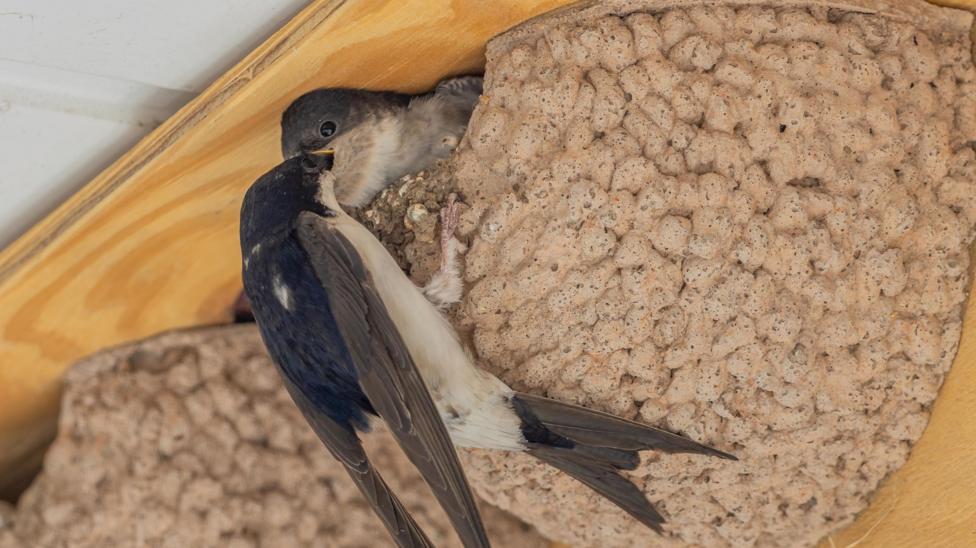
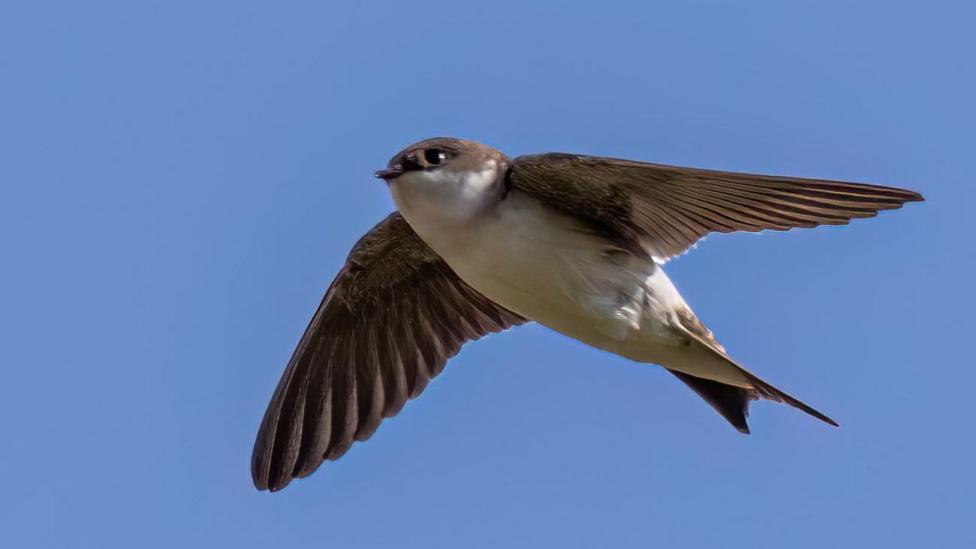
House martin populations across the UK have experienced a dramatic decline. Between 1995 and 2024, numbers fell by 40%, driven partly by poor breeding success. The birds construct distinctive cup-shaped nests beneath the roofs of houses and other buildings, typically carrying around 1,000 pellets of soft mud to complete each one. Each April and May, house martins return from Africa to spend the summer in the UK, often forming colonies with several nests positioned in close proximity to one another.
The deterioration in numbers has been attributed to multiple factors. A fall in insect populations has reduced available food sources, while hotter and drier weather patterns—exemplified by the summer of 2026—have resulted in less wet mud being available for nest construction. Modern homes with uPVC soffits present an additional challenge, as mud nests struggle to adhere to these surfaces.
How did the pilot project perform?
During the initial pilot phase, 249 artificial nest cups were installed on buildings close to known nesting sites across northern and eastern Hampshire. The results exceeded expectations: 27 cups were used by house martins during the following summer, more than the project team had anticipated. This success demonstrated both the birds' willingness to adopt artificial nests and the strong community support for the initiative.
The pilot was supported by South East Water, which funded 100 double nest cups for an initial trial in November 2025, inviting applications from several Hampshire towns including Basingstoke, Alton, Aldershot, Farnborough, Fleet, Bordon and Petersfield. The utility company has committed to funding cups again within its supply area as the scheme expands.
Keith Betton, chair of Hampshire Ornithological Society, said:
"The response to the first pilot stage of this project showed how strongly people across Hampshire want to help house martins. This next phase turns what we have learnt into action by offering hundreds more safe, ready-made nests. It gives homeowners, schools and businesses a simple, practical way to support the recovery of this threatened bird."
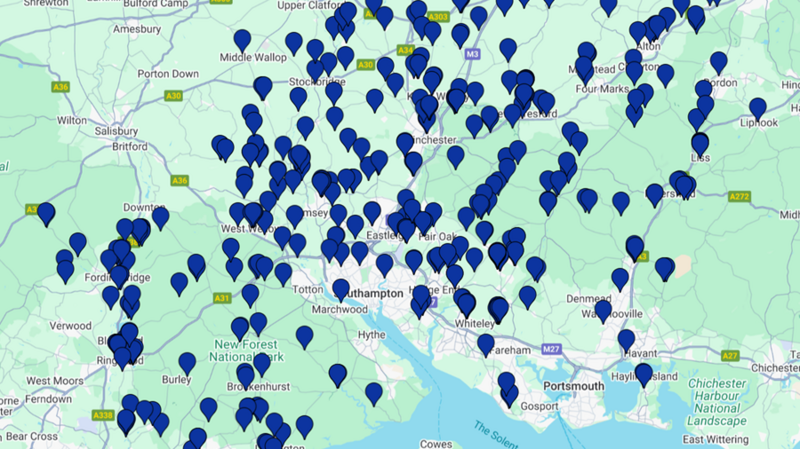
Last year the Hampshire Ornithological Society launched a survey allowing members of the public to record house martin nest locations. According to the project website, approximately 400 people recorded more than 500 nest sites containing over 2,000 nests throughout Hampshire in 2025, providing crucial baseline data for the expansion.
What are the eligibility requirements for receiving artificial nests?
To qualify for a free cup, properties must meet specific criteria. Host buildings must be situated within 1 kilometre (0.6 miles) of a previously recorded house martin nest, and they must have suitable overhanging eaves at second-storey level, positioned between four and seven metres from the ground. Both the cups themselves and their installation are provided at no cost to applicants.
The expanded scheme is being supported by the South Downs National Park Trust through its Sustainable Communities Fund, alongside environmental and water-sector partners. This backing reflects the broader recognition of house martins' ecological importance and the need for coordinated action across the region.
What happens next for the project?
The 900 additional cups are planned for installation before the birds return in April and May 2027. The project team is actively seeking additional properties where artificial nests will be provided and fitted free of charge, describing this as thought to be the biggest such initiative in the country.
Looking ahead, the project plans a structured survey in 2027 to estimate how many pairs nest in Hampshire, which will help assess the effectiveness of the conservation effort and inform future phases of the work. This data will be essential for understanding whether the artificial nests are successfully reversing the long-term decline in house martin populations.
Applications for the nest cups can be made through the Hampshire House Martins Project website, with the Hampshire Ornithological Society coordinating the initiative alongside its conservation partners.