Scotland's household recycling rate has declined to 42.8% in 2025, marking its lowest performance in five years, according to figures released by the Scottish Environment Protection Agency (Sepa). This represents a drop from 44.3% the previous year and falls dramatically short of the Scottish government's 2010 roadmap target of 70%, which should have been achieved by 2024. According to BBC News, waste experts have warned that landfill space in Scotland is rapidly running out, intensifying concerns about the nation's waste management infrastructure.
The figures reveal a troubling stagnation in recycling performance. Recycling rates have remained static at approximately 45% for more than a decade, suggesting that efforts to improve household waste diversion have plateaued. Meanwhile, the composition of waste treatment has shifted significantly, with energy-from-waste facilities now playing a much larger role in Scotland's waste management strategy. According to Circular Online, household waste sent to landfill fell 10.3% in 2025 and was 84% below its 2011 level, while incineration rose by 49,000 tonnes, representing a 5.7% increase.
Why are recycling rates falling despite increased incineration?
The decline in recycling rates does not reflect disruptions caused by long-term repairs at the Polmadie incinerator in Glasgow. The Glasgow Recycling and Renewable Energy Centre was shut down in April 2025, forcing much of the waste to be diverted to other incinerators or landfill sites. However, Viridor's October update indicates that cracks were found in three smoke-tube boilers during routine inspections, with repairs and upgrades underway. The facility is expected to return to service by the end of March 2027.
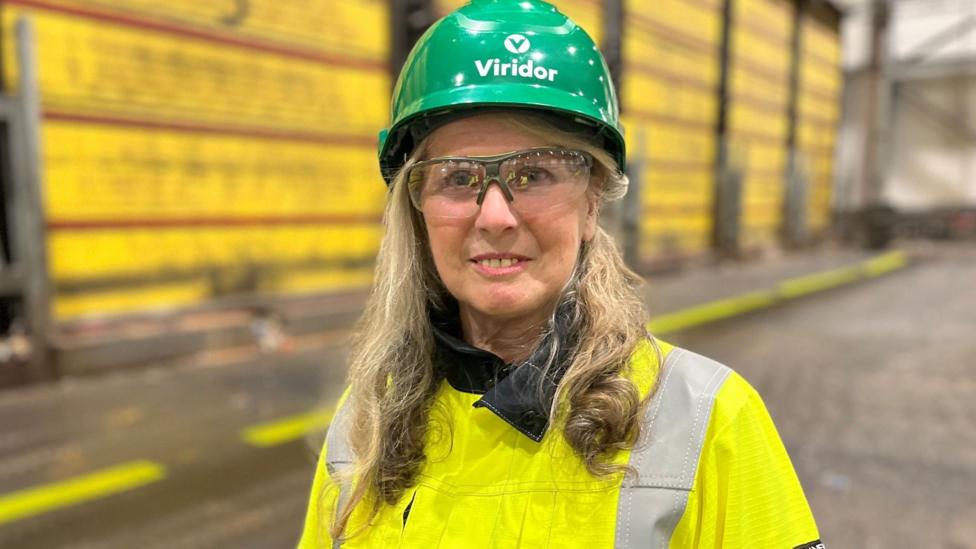
Karen MacCormick from Viridor argues that waste incineration represents a greener alternative to landfill because it generates electricity.
When it's in landfill you've got the landfill gasses, you've got methane, etc. This is a more sustainable way of dealing with the waste, coming through an energy recovery facility, and obviously we can create something at the end of it which is low carbon energy going straight to the grid.The company operates both the Glasgow facility and a site at Dunbar.
How do recycling rates vary across Scotland?
Performance differs dramatically between local authorities. South Ayrshire achieved the highest rate at 55% of household waste recycled, while Glasgow recorded just 26%. The islands face the most severe challenges, with Orkney recording the lowest figure at 18.2%. These disparities reflect inconsistencies in collection practices across councils, with some authorities accepting glass at the kerbside while others require residents to use bottle banks.
What is driving the shift away from landfill?
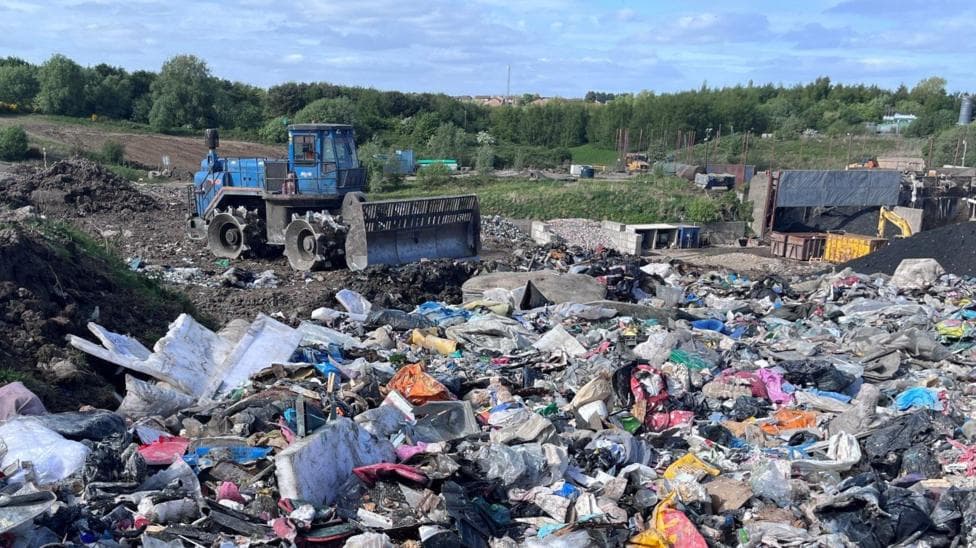
A rapid expansion in energy-from-waste plant construction has accelerated the diversion of waste from landfill. In 2025, the share of waste processed at incinerators remained broadly stable at 82%, but the amount directed to landfill fell by 10%. Scotland sent 1.58 million tonnes of waste from all sources to landfill in 2025, reflecting the ongoing transition away from traditional disposal methods.
However, this shift has not occurred quickly enough to meet the original landfill ban scheduled for the start of 2025. The ban has been effectively delayed to 2028. According to Sepa, the landfill ban's legislation remains in place, but the agency will not enforce the ban for up to two years where operators meet the conditions of its temporary regulatory position, with the full ban taking effect on 1 January 2028.
What barriers prevent higher recycling rates?
Experts have identified multiple obstacles to improving Scotland's recycling performance. A deposit return scheme for bottles and cans, which has significantly increased recycling rates in other countries, has been repeatedly delayed. Research from Zero Waste Scotland suggests that more than half of the waste placed in black bins could be recycled, indicating substantial untapped potential.
The lack of consistency in collection practices across local authorities creates confusion for households. While some councils accept glass at the kerbside, others require residents to transport glass to dedicated bottle banks. This fragmentation undermines efforts to establish uniform recycling habits across the country.
What do regulators say about the challenge?
Sepa's chief scientific officer, Dr Richard Allan, characterised the figures as highlighting an ongoing challenge with waste management.
It's clear that where waste ends up is important, but we need to focus on preventing waste in the first place and recycling more of that material when it is produced.This statement emphasises that while the shift from landfill to incineration represents progress, the fundamental issue remains the volume of waste generated and the proportion that is recycled rather than burned.
A total of 2.31 million tonnes of waste was created by households in 2025, representing a fall of just 1,500 tonnes compared to the previous year. This minimal reduction suggests that efforts to reduce waste generation at source have had limited impact.
What happens next for Scotland's waste infrastructure?
Sepa expects additional energy-from-waste facilities to begin operating between 2026 and 2027, which should further reduce reliance on landfill. The return of the Glasgow facility to service by March 2027 will also ease pressure on alternative disposal routes. However, achieving meaningful improvements in recycling rates will require addressing the underlying barriers of inconsistent collection practices and the delayed deposit return scheme.