Sixteen young participants gathered at a timed creative problem-solving event to develop practical approaches for addressing environmental challenges including light pollution, wildfires, ocean degradation and water quality issues.
The hackathon took place on Tuesday at the Jerwood Dancehouse in Ipswich, organised by Seeds of Hope and Change, a partnership between the Soka Gakkai International and the UN Earth Charter. During the session, participants worked in groups to design posters presenting their ideas for tackling specific climate-related problems affecting communities and ecosystems.
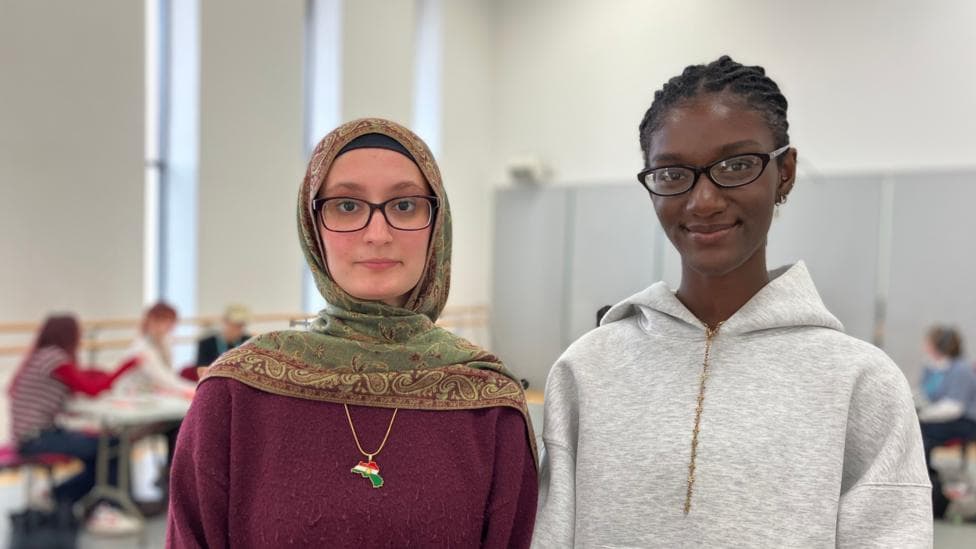
Maryanne, aged 16, participated in the event and explained her motivation:
We just want people to be aware of what's going on, especially with major issues such as ocean pollution.She and her teammate Hannah focused their efforts on raising awareness about the scale of pollution affecting seas and oceans worldwide.
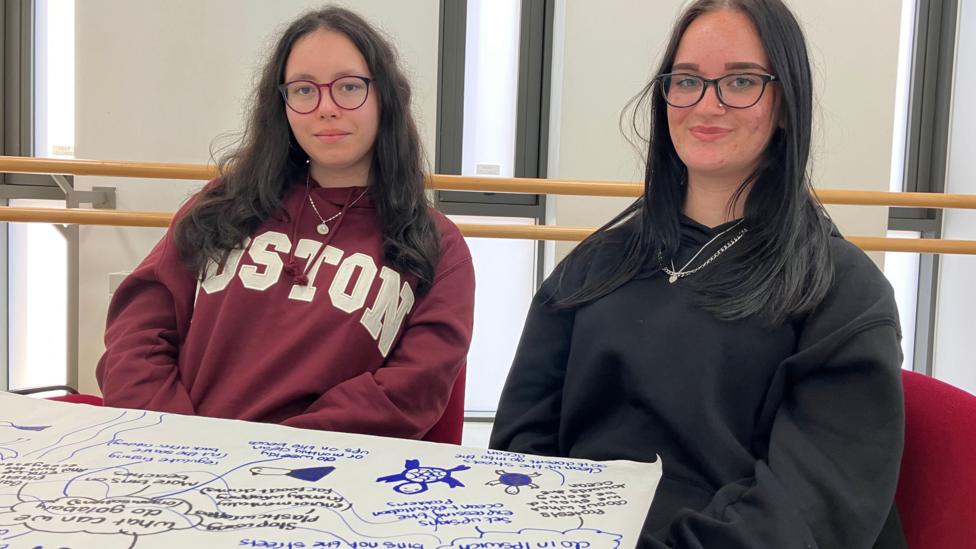
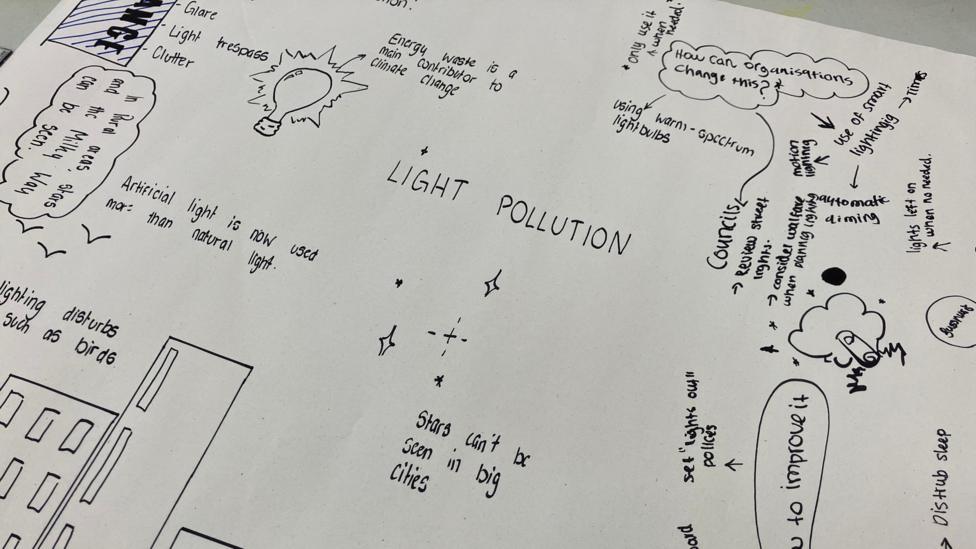
Another participant, Baveen, 17, led a group examining the effects of artificial lighting on urban environments and wildlife.
We wanted to talk about the cities and the sky and how it affects people and also wildlife.The solutions her team proposed included installing low-intensity bulbs and motion sensors in street lighting systems to prevent lights remaining on continuously, reducing unnecessary energy consumption and minimising disruption to nocturnal species.
Climate change refers to long-term alterations in the Earth's average temperatures and weather patterns. This year's summer marked the UK's hottest on record according to provisional figures released by the Met Office. The organisation's analysis indicated that the extreme heat experienced during the season was approximately 130 times more probable as a result of human-caused climate change.
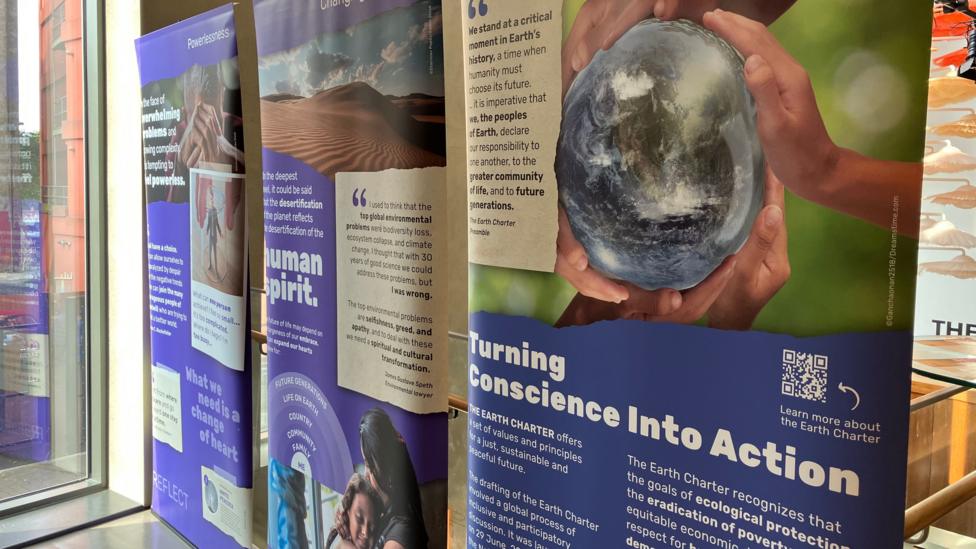
The hackathon formed part of a broader free touring exhibition running until 4 October, featuring 24 pop-up panels displaying information and environmental case studies from locations across the globe. These panels document the varied impacts of climate change on different regions and communities, providing visitors with global context for understanding environmental challenges.
The event was facilitated by ambassadors from #iWill, a youth-led campaigning organisation focused on empowering young people to drive social change. Alex Harrison, one of the #iWill ambassadors involved in running the hackathon, outlined the initiative's core objective:
The main purpose is reminding young people that in the face of something really scary like climate change, there's a lot that you can do personally to make a real change.This message emphasised that despite the scale of environmental challenges, individual and collective action remains meaningful and achievable.
The exhibition and hackathon represent part of a wider effort to engage younger generations in environmental problem-solving and to demonstrate that practical solutions to climate-related issues can emerge from collaborative thinking and creative approaches. By involving young people directly in developing and presenting ideas, the initiative aims to build awareness and agency among those who will inherit the consequences of current environmental decisions.