

Thames Water is preparing to bring its Beckton desalination plant back online later in 2026, but the facility is not expected to be operational until winter — well after the current drought conditions are likely to have subsided. The company says the aim is to use the plant to help replenish reservoir stocks ahead of next summer, rather than to ease the immediate pressure from this year's heatwaves.
The announcement comes as water companies across the country enforce hosepipe bans to conserve dwindling supplies amid a fifth heatwave that has deepened drought conditions nationwide. Thames Water's own restrictions, covering more than 10 million customers, have already been in place since 23 July 2026, according to our earlier coverage of the ban, meaning any decision on restarting Beckton would now unfold alongside active restrictions rather than purely as a future contingency.
How reliable has the Beckton plant been?
Not very. Over the 15 years since it was built, the facility has been switched on only five times, together generating roughly the equivalent of a week's worth of London's daily water demand. Desalination technology is widely relied upon across the Middle East for drinking water, but Beckton has instead become something of a cautionary tale in UK infrastructure circles.
Thames Water, which serves 16 million customers across London and the Thames Valley, initially spent £270m installing the plant. Including subsequent costs, the total bill has now climbed to an estimated £500m — a substantial sum funded through customer bills for a facility that has delivered little practical benefit.
Why has the plant struggled to operate?
According to Thames Water's chief executive, Chris Weston, the plant has suffered from ageing equipment and a lack of infrastructure to test replacement parts. Weston told MPs on the Commons environment committee last year that engineers were struggling to keep the facility functional.
Engineers were "working very hard to try to make it work."
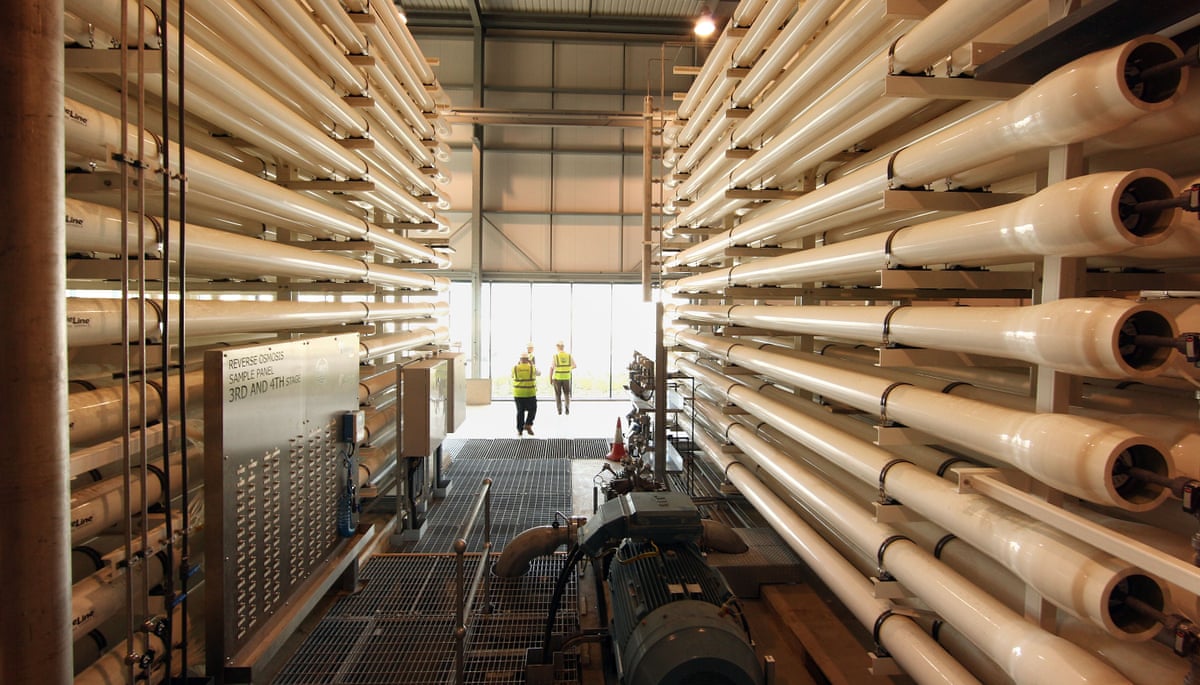
The plant depends on membranes that filter out salt while allowing water through. Weston said these membranes had reached the end of their working life, but the company could not replace them because it lacked a suitable facility to test the new components. He was blunt about the scale of the problem.
"The desalination plant is a big problem for us," Weston said. "I wonder why it was built in the first place. It is not a good story, it was not a good investment, and there are no excuses about it."
MPs have repeatedly voiced frustration that a facility built specifically to provide drinking water during droughts has so rarely been available when needed most.
How does this fit into Thames Water's wider troubles?
The company's handling of this year's drought is being watched closely, with the prime minister, Andy Burnham, expected to make decisions about the utility's future in the coming weeks. Burnham said on Thursday that he was angry that water customers were not a "bottomless source of funding," after 13 companies had bills approved for increases, with Thames Water among five permitted to raise charges over the next four years.

Thames Water's finances remain under severe strain. Creditors have effectively controlled the business for two years while stopping short of a formal takeover. As we reported previously, the company returned to profit with a £113m post-tax gain following a 40% increase in bills, even as net debt climbed to £18.5bn, and the government rejected a rescue proposal that would have written off debt and eased pollution penalties. Separately, a £10bn rescue plan was also turned down, pushing the utility closer to potential nationalisation.
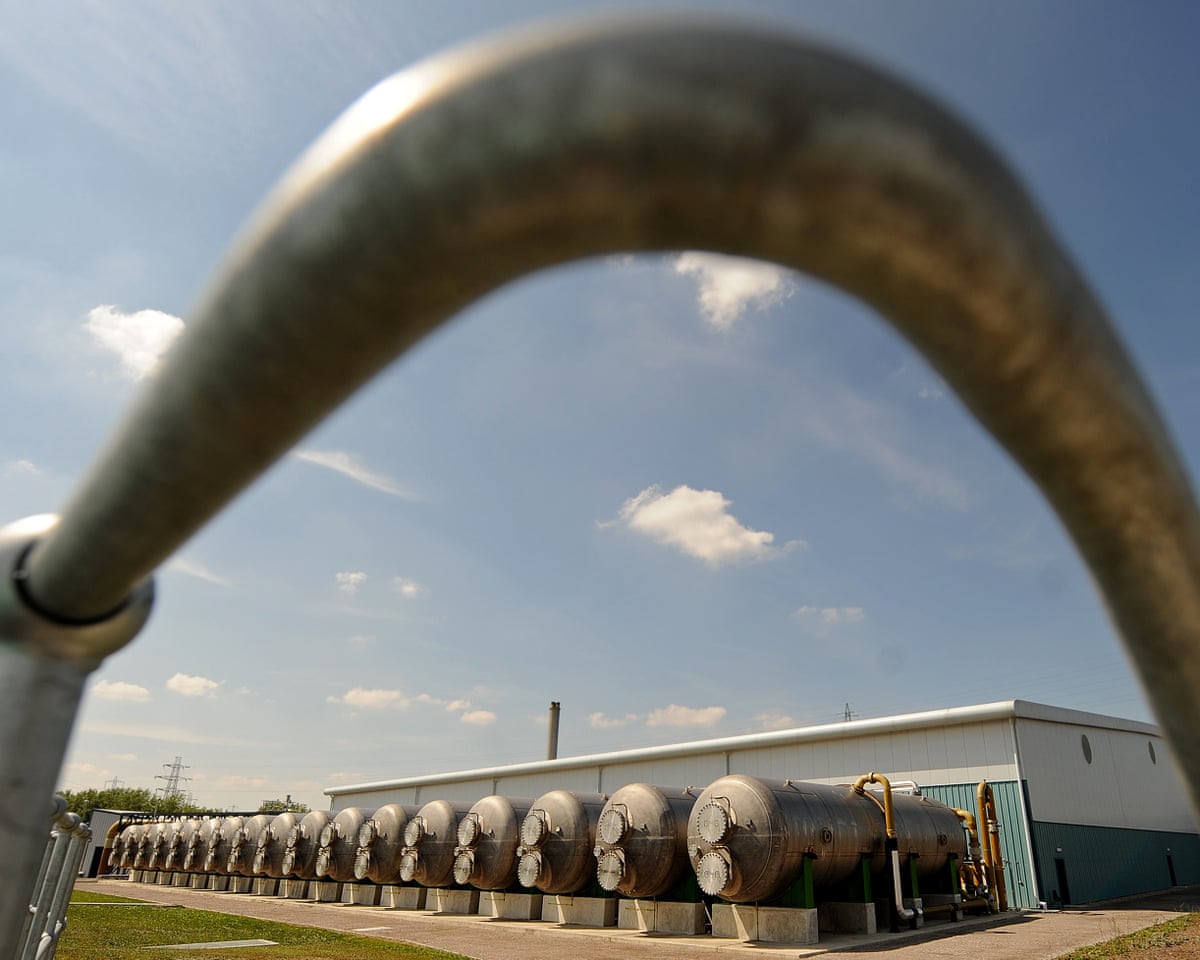
Running Beckton is also complicated by economics: desalination is energy-intensive, and high electricity costs have historically made operating the plant unattractive. However, Thames Water noted that conditions could shift.
"Preparations are under way at the Thames Gateway water treatment works in Beckton, east London, so it can be brought online by the end of the year, if needed, to help support reservoir recovery over the winter," a Thames Water spokesperson said. "Any decision to use the desalination plant will depend on weather conditions, demand, and reservoir levels in the coming weeks."
Running the plant during cooler months could prove more cost-effective if wind power output is high and overall electricity demand is lower, potentially reducing energy prices at the time Thames Water hopes to operate the facility.
What do reservoir levels look like right now?
Figures suggest the drought pressure, while easing seasonally, has not fully resolved. According to Thames Water's own reservoir data, Farmoor Reservoir stood at 92% full at the end of July 2026, though this remains below the seasonal average and is continuing to decline. A government assessment, cited in a Thames Water situation report, put Farmoor slightly lower at 91.8% and the Lower Thames reservoirs at 72.4%, both again below long-term averages for the time of year.
Nationally, the picture is similarly strained: coverage of the drought earlier this month reported that only 13% of rivers were at normal seasonal levels, with national reservoir storage at 78.8%, roughly 5% below the long-term average, according to reporting on the nationwide hosepipe restrictions.
What is the plant's history?
The Beckton facility opened in 2010 as the first desalination plant on the UK mainland, built specifically to help address water shortages in the capital, according to a national broadcaster's report from the time. At its launch, Thames Water said the plant could supply up to 140 million litres of water a day, enough to serve around 400,000 homes during a drought — a capacity that has rarely been tested in practice given how infrequently the plant has actually run.
What happens next?
Thames Water's hosepipe ban notice gave customers until 23:59 BST on 22 July 2026 to submit formal objections, and the restrictions remain in force until further notice, according to the company's official legal notice. That notice specifies that the ban covers activities including garden watering, vehicle washing, filling pools, ponds and fountains, and cleaning walls, windows and patios.
Going forward, Thames Water's regular reservoir reporting is expected to be the key indicator determining whether the Beckton plant is ultimately switched on to support winter reservoir recovery, with the company stressing that any final decision will hinge on weather patterns, customer demand and how quickly storage levels rebuild in the coming months.
Key Facts
- Thames Water hopes to restart its Beckton desalination plant by the end of 2026, targeting winter reservoir recovery rather than immediate drought relief.
- The plant has operated only five times in 15 years, and its total cost has risen to an estimated £500m from an initial £270m.
- Chief executive Chris Weston has called it "a big problem" and questioned why it was built, citing worn-out membranes and no facility to test replacements.
- Thames Water's hosepipe ban, covering over 10 million customers, has been in force since 23 July 2026 with no set end date.
- Farmoor Reservoir was around 91–92% full at the end of July 2026, still below the seasonal average and declining, according to company and government data.


