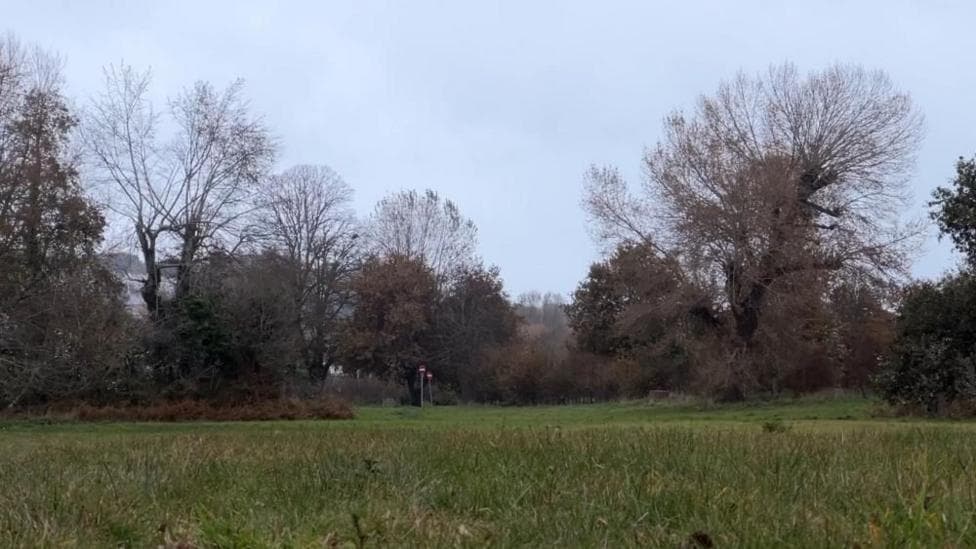
Jersey is experiencing a "biodiversity crisis" that demands urgent government action, a scrutiny panel has heard, with concerns mounting that environmental protection is not receiving adequate political focus or resources.
According to BBC News, Willie Peggie, the government's Director of Natural Environment, acknowledged that the Environment Department requires additional time and resources to produce a state of nature report. Environment Minister Senator Mary Le Hegarat said the government was developing policies to strengthen environmental protection, though she emphasised the need to be "very cautious" about spending commitments.
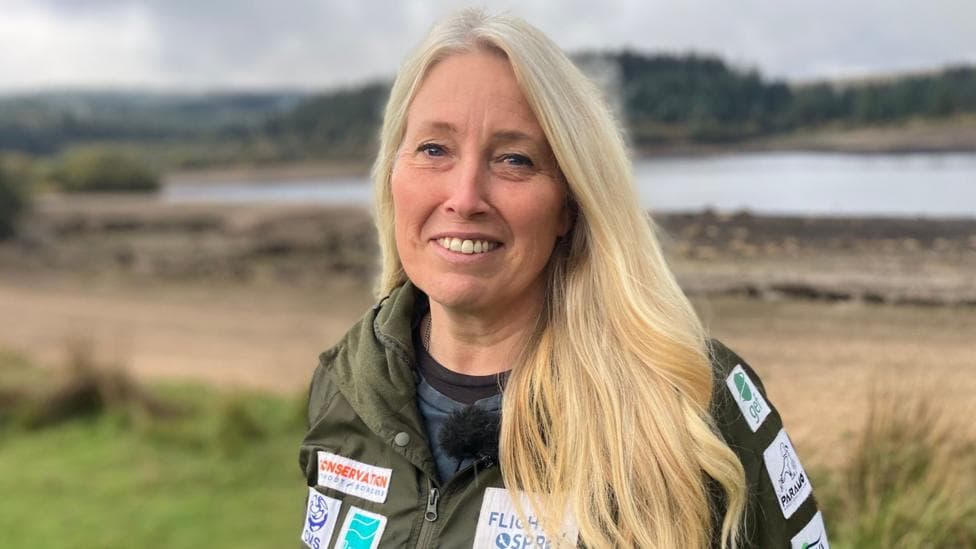
Piers Sangan, who leads Sangan Island Conservation, outlined the scale of the environmental decline affecting the island. He described a biodiversity crisis characterised by the proliferation of invasive species, the disappearance of native wildlife, and the deterioration of ecosystems. Sangan stressed that the government bore responsibility for ensuring the environment did not "fall by the wayside" because it represented "a fundamental part of our island". He noted that Jersey's biodiversity strategy had remained "put on the shelf" since the early 2000s, with the island having lost animals including stoats.
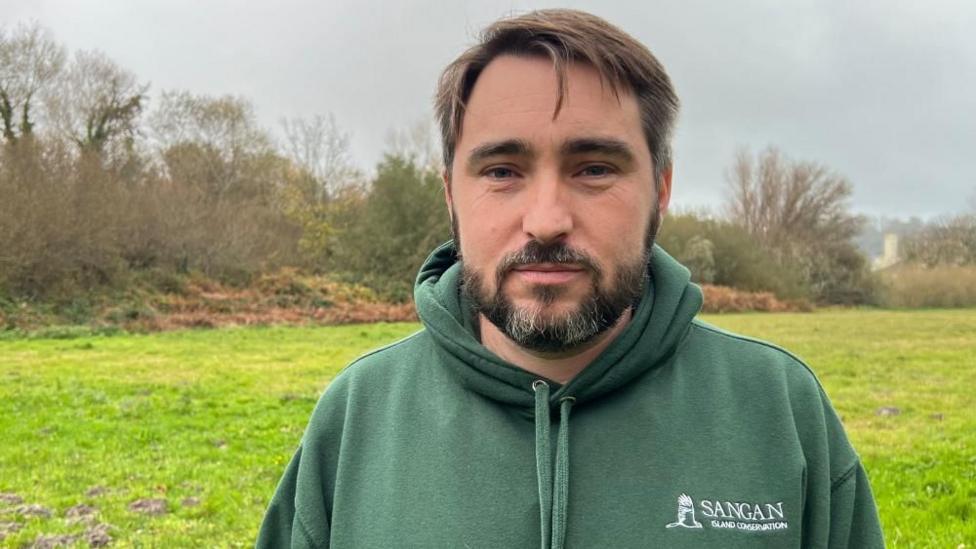
Sangan highlighted a "woeful lack of investment" in ecology over recent decades. He observed that the natural world was becoming noticeably quieter, drawing on 15 years of direct observation. Several bird species were struggling to recover their populations, he explained, with some already functionally extinct on the island. "Even though they're still here, they're still breeding, they're not increasing in number... They are more or less extinct already and are likely to go extinct in the next few years," he said.
The government plans to release a state of nature report in 2027, which will inform the development of a new biodiversity strategy. Peggie indicated that any such report should follow the model established in the UK, Guernsey, and Alderney, providing a comprehensive assessment of environmental conditions across the island.
What is driving the environmental decline?
Le Hegarat acknowledged that the countryside required proper management to address the rising tide of invasive species. She stated: "Everybody needs to manage the countryside together, and we'll do the work and set out the policies and strategies in order to do so."
Practical conservation efforts are already underway at locations such as Grouville Marsh, where habitat restoration is being attempted. A 2009 countryside appraisal had identified that Grouville Marsh had diminished in extent and quality due to falling water levels, agricultural improvement, runoff pollution and insufficient management, recommending low-intensity grazing and maintaining water levels. The National Trust for Jersey's 2023 report described wet-meadow surveys at Grouville Marsh as baseline data for assessing future management, with reedbed and meadow work aimed at improving habitat and encouraging wading birds to return.
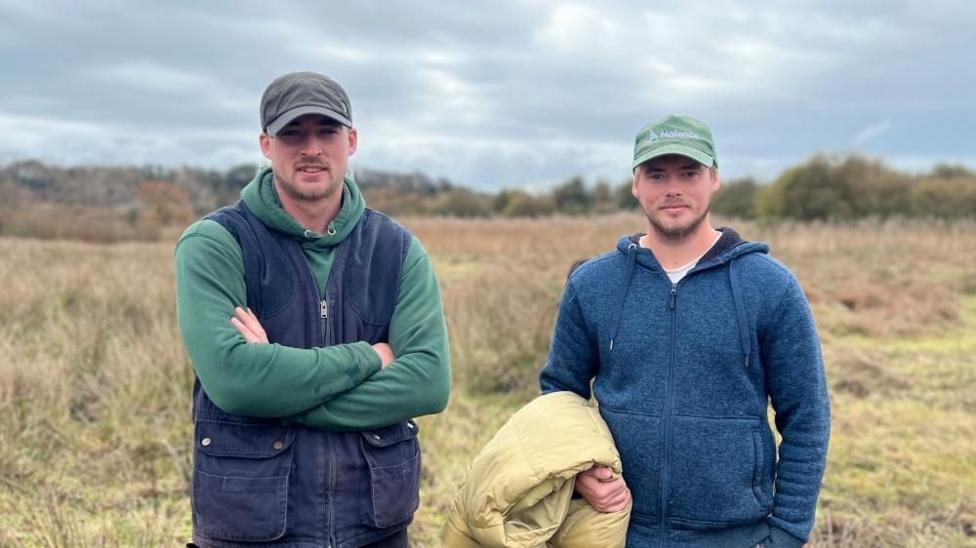
Joshua and Benjamin Voak work for the Jersey Grazing Project, which employs cows and sheep to improve and restore habitats across the island. Joshua Voak expressed concern that the environment had received minimal attention during the summer's election campaign, despite the significant economic advantages of maintaining a healthy environment. Benjamin Voak emphasised that biodiversity was "super important" for the island's air and water quality and the retention of habitats.
Is the government doing enough?
Deputy Hilary Jeune, who chairs the environment scrutiny panel, raised concerns that ministers' draft Common Strategic Policy did not adequately account for the natural environment. The panel worked with Le Hegarat to develop an amendment addressing this gap. Jeune stressed that biodiversity needed to be "front and centre" of government priorities.
The Council of Ministers has now lodged an amendment to Jersey's proposed 2026–2030 Common Strategic Policy to strengthen commitments to biodiversity and environmental protection, according to Bailiwick Express. The amendment commits to a "fit-for-purpose Biodiversity Strategy, underpinned by a State of Nature Report" and states that environmental spending should be treated as "an investment rather than a cost." Additionally, Jersey Trees for Life called for nature protection to be added as a core government priority, with a named minister, measurable targets, public progress reports and funded work.
Jersey's existing biodiversity action plans address 67 species, alongside a separate Hedgerow Habitat Action Plan, indicating the breadth of conservation work required across the island.
How much will environmental protection cost?
The question of funding remains contentious. Professor Liz Bentley, who participated in the Jersey Climate Council, indicated that Jersey would need to spend £10 million per year to reach net zero by 2050, rather than the £4 million currently allocated in the Climate Emergency Fund. The council acknowledged the financial pressures facing the government but warned that delaying action to tackle climate change would prove more costly in the long term.
"We need to consider it over decades, not over a four year budget... It's about that long-term investment," Bentley said. Le Hegarat could not specify the total cost of reaching net zero by 2050 but indicated that investing the available funds was a sensible approach given budgetary constraints.
What happens next?
The proposed Common Strategic Policy amendment would add formal commitments on biodiversity and the State of Nature Report, though no decision date has been specified for its adoption. The government's state of nature report is scheduled for release in 2027, which will provide the evidence base for developing a comprehensive new biodiversity strategy for the island.