Thames Water has announced a hosepipe ban affecting more than 10 million people after an “exceptionally warm and dry spring”. The restrictions take effect on Thursday and cover customers supplied with drinking water by the company across parts of Gloucestershire, Wiltshire, Kent, Surrey, the Thames Valley, Greater London and surrounding areas.
The water operator said the three heatwaves contributed to the ban, and that its region had seen 40% of average rainfall and more days at or above 34C this year than ever recorded before. It said water use was currently 10% above normal in the Thames Valley and Home Counties and 7% above normal in London, amounting to an extra 100 million litres of water every day.
What does the ban mean for customers?
From Thursday, hosepipes should not be used for watering gardens or allotments, cleaning cars, filling paddling pools or swimming pools, or cleaning windows. The company also said hosepipes and pressure washers should not be used to water gardens, lawns or allotments, including the use of sprinklers, to fill paddling pools, swimming pools or hot tubs, or to clean vehicles, patios, paths, driveways, walls, windows or any outdoor areas.
Plants and gardens can still be watered with a watering can, and cars can be washed using a bucket. Customers should continue to use water for essential needs such as drinking, cooking, washing and hygiene.
“We would not be taking this step unless it was necessary to protect water supplies for everyone and the environment.”
Who is affected by the restriction?
The ban applies to all customers that Thames Water supplies with drinking water. The company provides water for 10.1 million customers across its supply area and provides water and wastewater services to 16 million customers overall.
Thames Water said the restrictions are in force to reduce non-essential outdoor demand and keep taps flowing, while essential water use continues to be available. It said customers who cannot reasonably adjust their water use because of a disability or medical condition are exempt, along with cases where water use is necessary for health and safety reasons or for customers with severe mobility problems.
Why has Thames Water introduced the ban now?
Thames Water said recent heatwaves and a very dry spring and summer had led to sustained high demand. It added that during peak periods this year, water has been used faster than it can be treated and moved through parts of the network, placing additional pressure on local supplies.
The company said: “Many customers have already reduced their water use and that support has made a difference. Thank you to everyone who has already changed their daily habits.”
It also said: “Our teams are working 24/7 to keep water moving, fix leaks and support customers. We will keep the situation under close review and lift restrictions as soon as it is safe to do so.”

“Recent heatwaves and a very dry spring and summer have led to sustained high demand. While there is enough water for essential use, we need to reduce non-essential outdoor demand to keep taps flowing.”
How is the company responding?
Thames Water said its teams are working 24/7 to keep water moving, fix leaks and support customers. It said the situation would be kept under close review and the restrictions lifted as soon as it is safe to do so.
The company said buckets and watering cans can still be used, and that there are exemptions, including where water use is necessary for health and safety reasons or for customers with severe mobility problems. It also said animal welfare, including pets, livestock and fish, remains a consideration, along with watering food crops and certain newly planted trees.
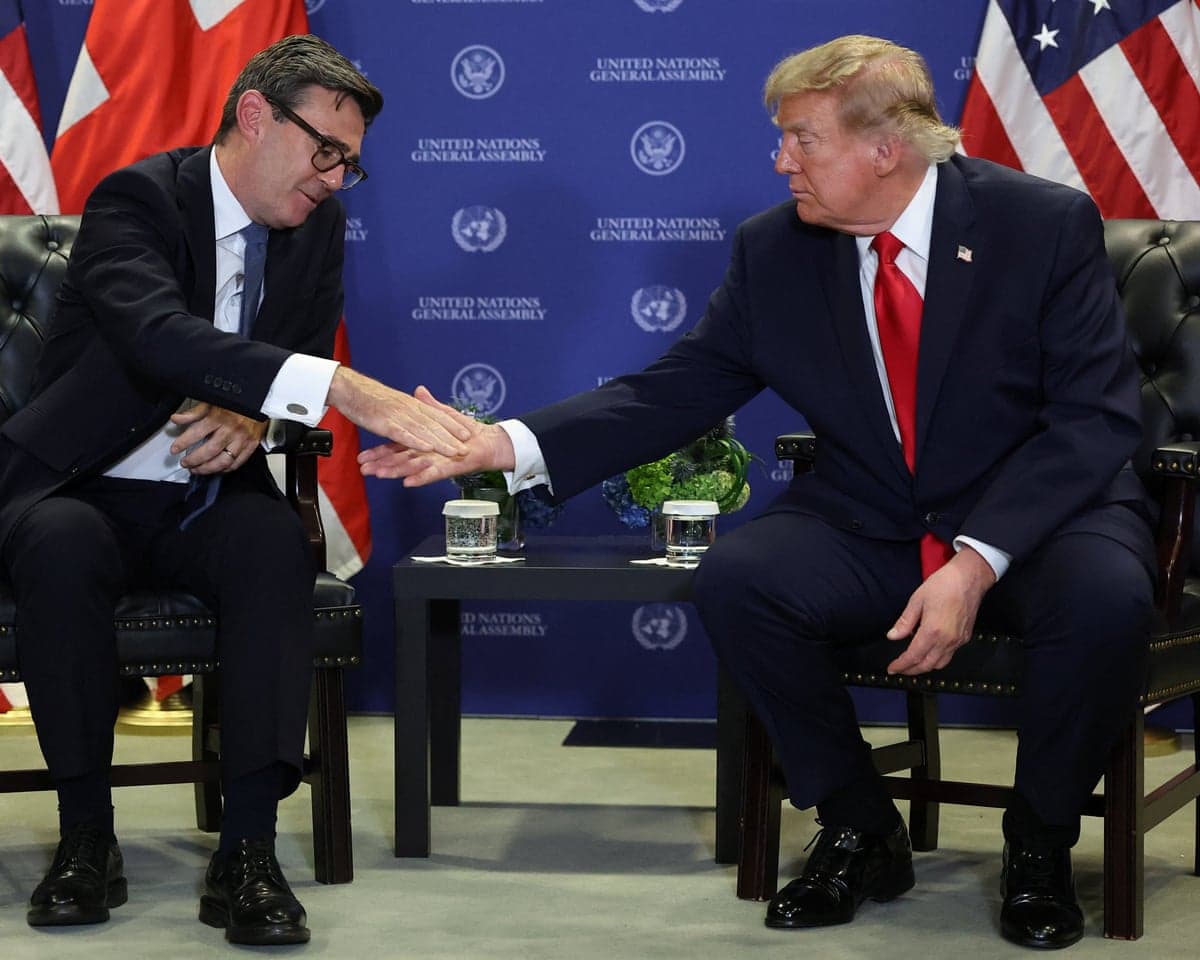
Thames Water is about £20bn in debt. The government recently rejected a rescue proposal, and the BBC understands the company's main lenders are preparing a legal challenge in case the new Andy Burnham-led government takes the firm into public hands.
Key Facts
- The hosepipe ban affects more than 10 million Thames Water drinking water customers from Thursday.
- Thames Water said its region has received 40% of average rainfall this year.
- Water use is 10% above normal in the Thames Valley and Home Counties and 7% above normal in London.
- The company said this equals an extra 100 million litres of water every day.
- Thames Water said it is about £20bn in debt.
Correction: The earlier figure in this story has been amended to 10 million because only the firm's water supply customers, and not waster water customers, are affected.
Watch the latest episode of South Today
Listen to the latest news from Oxfordshire
Do's and don'ts: Hosepipes and pressure washers should not be used to water gardens, lawns, or allotments, fill paddling pools, swimming pools, or hot tubs, or clean vehicles, patios, paths, driveways, walls, windows, or any outdoor areas. Plants and gardens can be watered with a watering can, and cars can be washed using a bucket.
Get in touch
: South East Water hosepipe ban to affect 2.4 million people