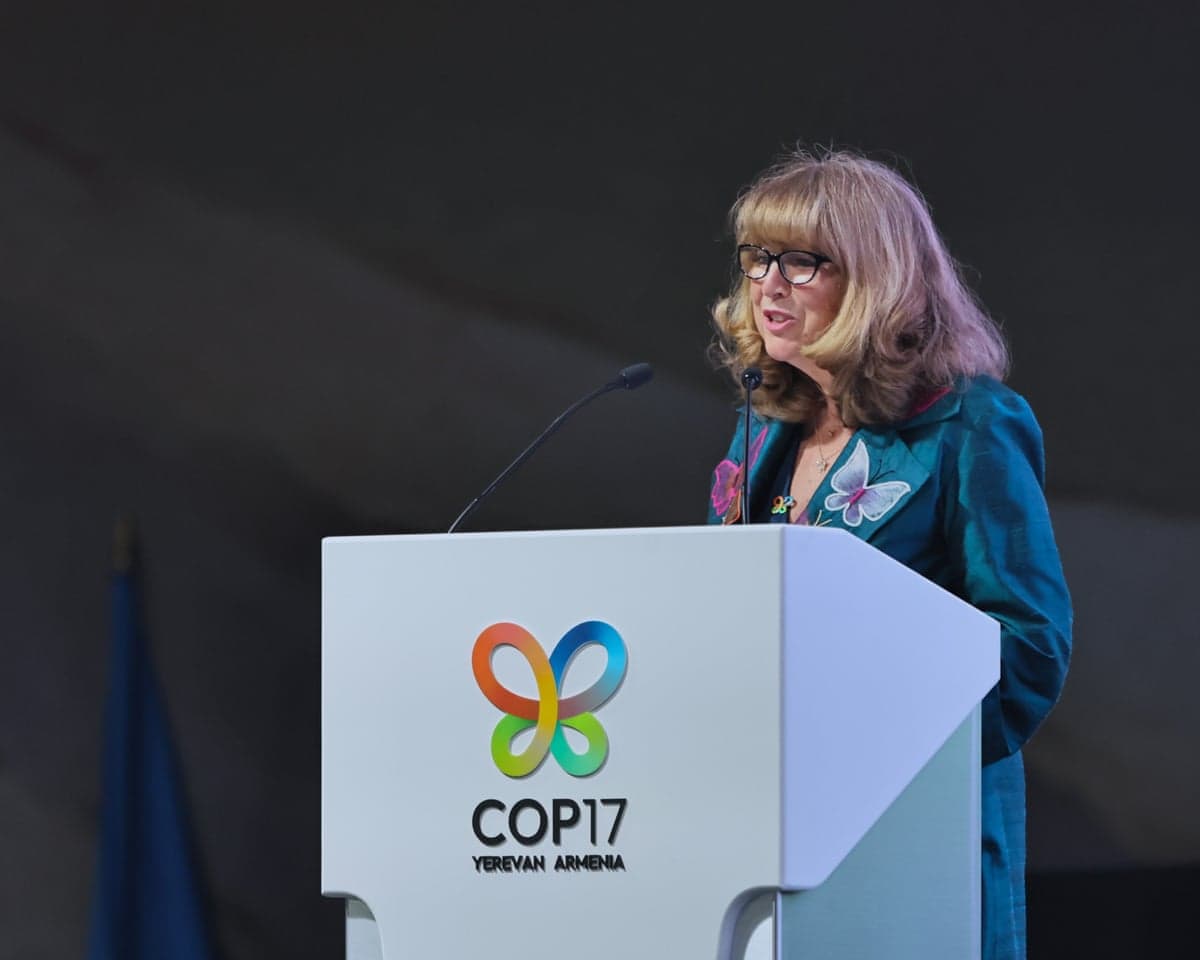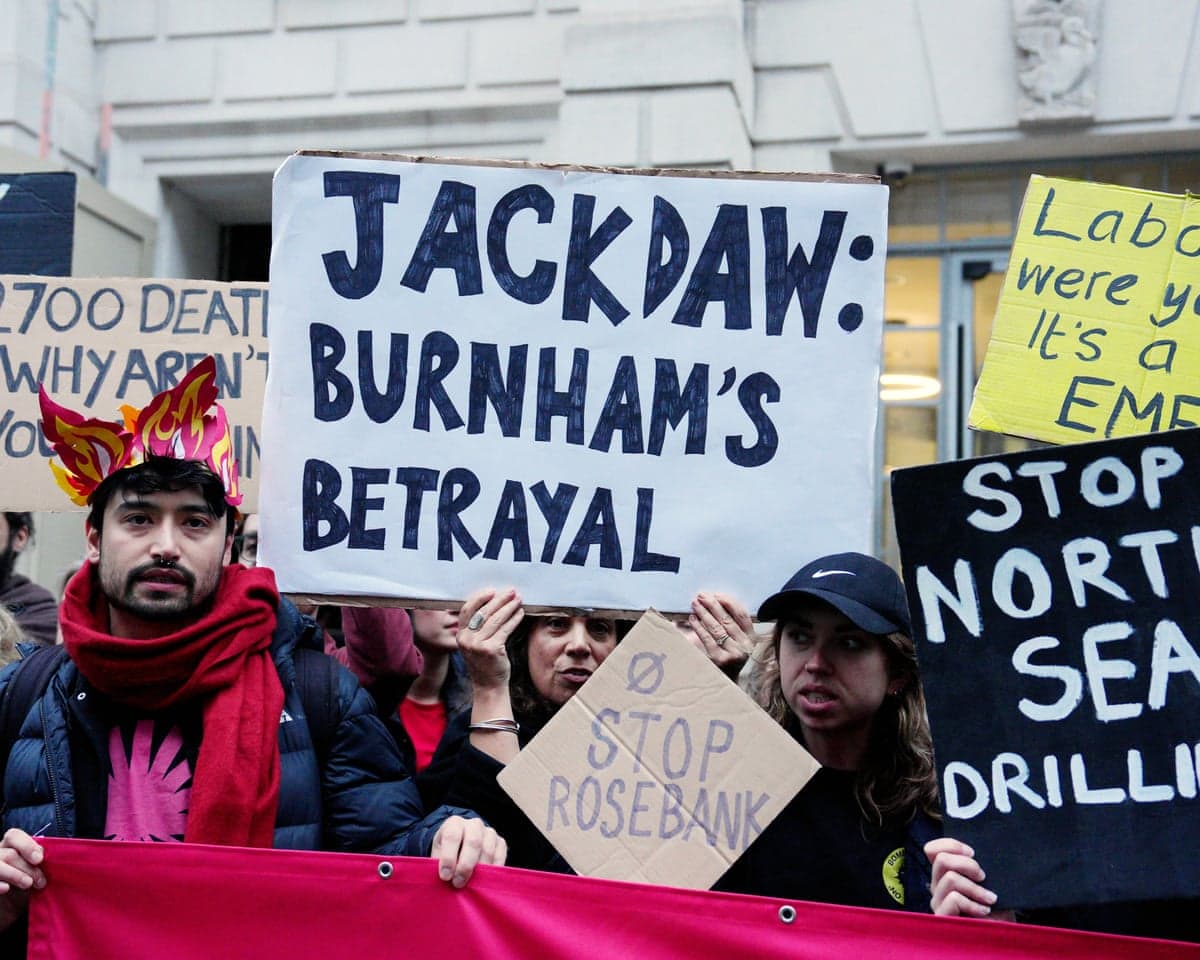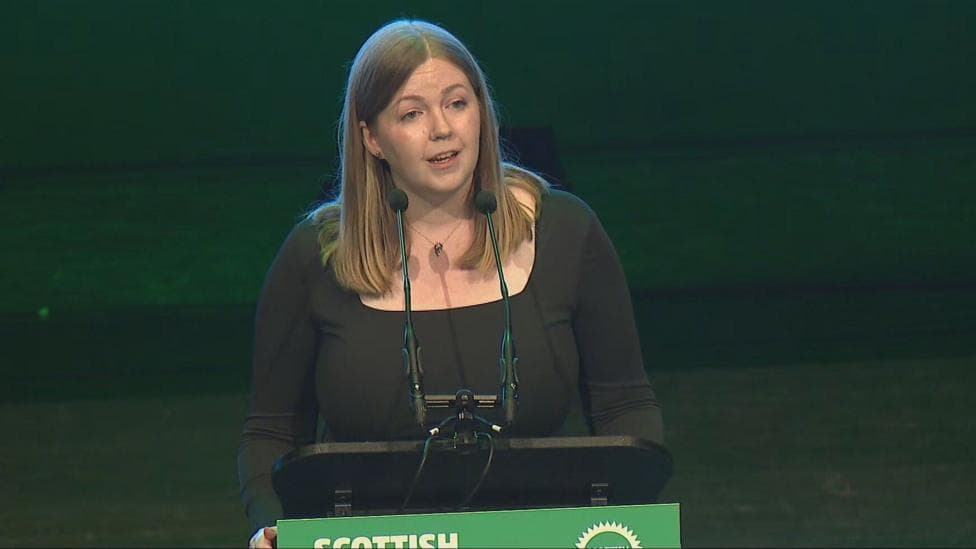
The Scottish Green Party's leadership has attacked both the UK and Scottish governments over their approach to new oil and gas extraction, with co-leader Gillian Mackay singling out Prime Minister Andy Burnham for approving the Jackdaw gas field and accusing First Minister John Swinney of prolonged hesitation on energy policy. Speaking at the party's conference in Inverness, Mackay called on both leaders to block production at the Rosebank oil field, while fellow co-leader Ross Greer used the platform to announce a new frequent flyer tax to fund discounted rail travel for younger workers.
According to BBC News, Mackay delivered a keynote address criticising the government's energy decisions. She described adding Burnham to her "ever-growing eejit list" following the Jackdaw approval, which she argued contradicted the government's stated commitment to addressing climate risks including flooding. Turning her attention to Swinney, she urged him to "put people and planet before money-hungry corporations" and to "oppose Rosebank too"."
Mackay questioned whether the Scottish government was reverting to its historical position as a pro-oil administration.
"Are they going back to being the pro-oil party of the past? The first person to welcome Jackdaw was Donald Trump - do they really want to fall in line behind that tangerine eejit?"
The broader context of these remarks reflects ongoing tensions over North Sea development. Burnham has faced mounting pressure from environmentalists, unions, industry and international figures as consultations on both the Jackdaw and Rosebank fields progressed. Swinney had previously signalled a softer stance on North Sea drilling amid energy security concerns, a shift that has drawn criticism from environmental advocates. The Rosebank consultation closed on 17 August 2026, leaving the final decision on the £8.7bn project with ministers.
What are the Greens' recent electoral achievements?
Greer highlighted the party's standing within the global Green movement, claiming they now occupy a position of unusual strength.
"We have major bragging rights within the global Green movement: as of today, we are the most successful Green party in the world,"he said, though he acknowledged they could be overtaken by an upcoming election in British Columbia, Canada.
The party doubled its parliamentary representation in the recent Holyrood election, winning 15 seats and capturing two constituencies for the first time: Glasgow Southside and Edinburgh Central. Greer attributed this success to the party's focus on tangible benefits for voters.
"We convinced people that we would save them money, we would make their lives easier and that we would take seriously the biggest crisis of our times - the climate crisis,"he explained.
However, Greer underscored how narrow the margin of victory had been.
"If just 2,300 votes had been cast differently across the country, we would have had fewer MSPs than the Tories and Reform would have been by far the largest of the opposition parties,"he said, emphasising the importance of member efforts during the campaign. He noted that a shift of just 0.1% of votes nationwide would have reduced their representation to 10 MSPs.
What local government achievements does the party claim?
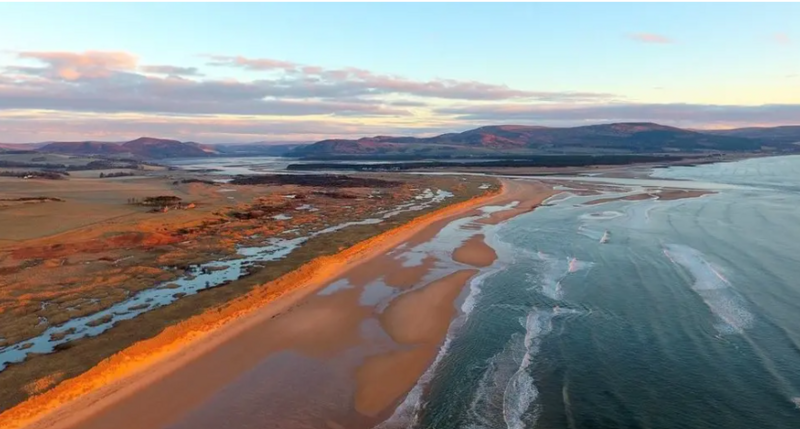
Mackay pointed to the party's influence on Scottish government policy, taking credit for blocking a golf course development at Coul Links in Sutherland following a local campaign supported by the Greens. She also highlighted the party's role in mobilising communities against data centre projects, which she characterised as "energy vampires" operated by major technology companies.
She further claimed that Green MSPs were preventing what she called "Reform eejits running amok in our parliament", referencing the far-right party's representation in the chamber.
What new policies is the party proposing?
Greer announced a new tax on frequent flights designed to fund a "Millennial railcard" offering people in their 30s and 40s a third off train fares.
"We are proposing a Frequent Flyer Levy for those who get the plane like the rest of us get the bus,"he said, arguing that regular business flights within the UK contribute significantly to climate breakdown and should be taxed more heavily than occasional leisure travel.
The party has committed to expanding the existing £2 bus fare scheme across Scotland by next year as a step towards universal free bus travel on a publicly owned network. Greer also called for fundamental reform to the council tax system, which he described as outdated and regressive.
"This is a tax that is older than Gillian or I, that hasn't been in-date in our lifetimes - the other party leaders hate when we bring that up,"he said, arguing that the poorest households pay disproportionately more while the wealthiest benefit from "an absolute steal".
The party has signalled it will not support government plans to reorganise councils unless ministers agree to scrap and replace the council tax entirely. Greer called for more taxation of wealthy residents, noting that while a "proper national wealth tax" would require independence, Scotland should use existing powers to tax land and property wealth.
How is the party targeting young voters?
Greer expressed ambitions for the local elections scheduled for May 2027, hoping to gain representation in areas where the Greens have never held seats and to win Edinburgh council "outright". The party plans to target young people by posting letters to residents in selected wards, with members asked to donate £10 to fund outreach to 60 young people per target ward.
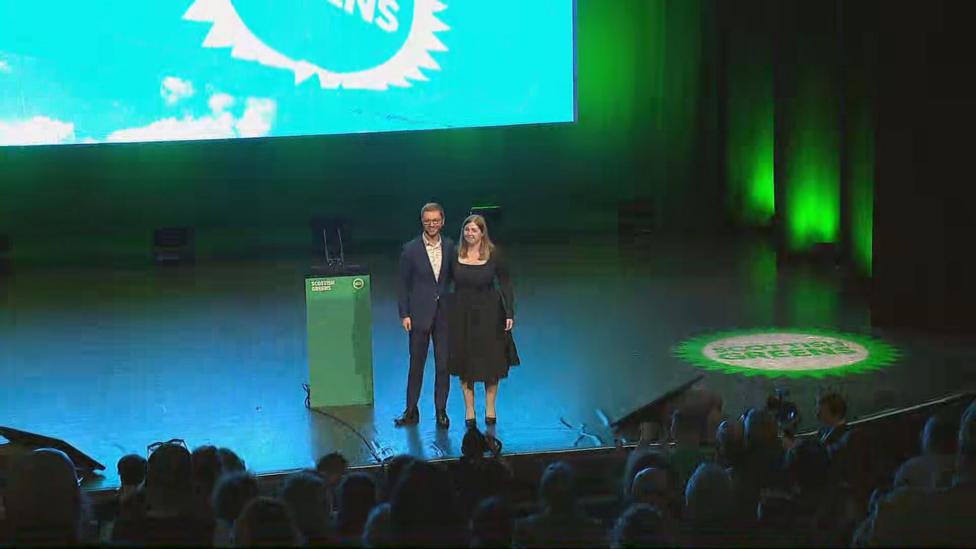
Mackay also made a direct appeal to women to stand for elected office, acknowledging the personal challenges involved.
"It's not easy, sometimes it's awful, but we deliver incredible things for communities up and down the country,"she said.
"If I can do this, any of you can too."
What is the broader policy vision?
Greer articulated a wider ideological framework for the party's platform, arguing that a "better future" for Scotland required "radical steps" to address the climate emergency, end the cost of living crisis, combat racism, and ensure equitable distribution of resources. However, he contended that such transformation could not be achieved within capitalist or neoliberal systems, instead positioning the Green movement as a "real threat" to oil companies, arms dealers, technology billionaires and racist ideologies.
The party co-leader praised recent Scottish government policies influenced by the Greens, including the mansion tax, an incoming tax on private jet flights, and the £2 bus fare scheme, framing these as evidence of the party's ability to deliver material change through parliamentary influence.