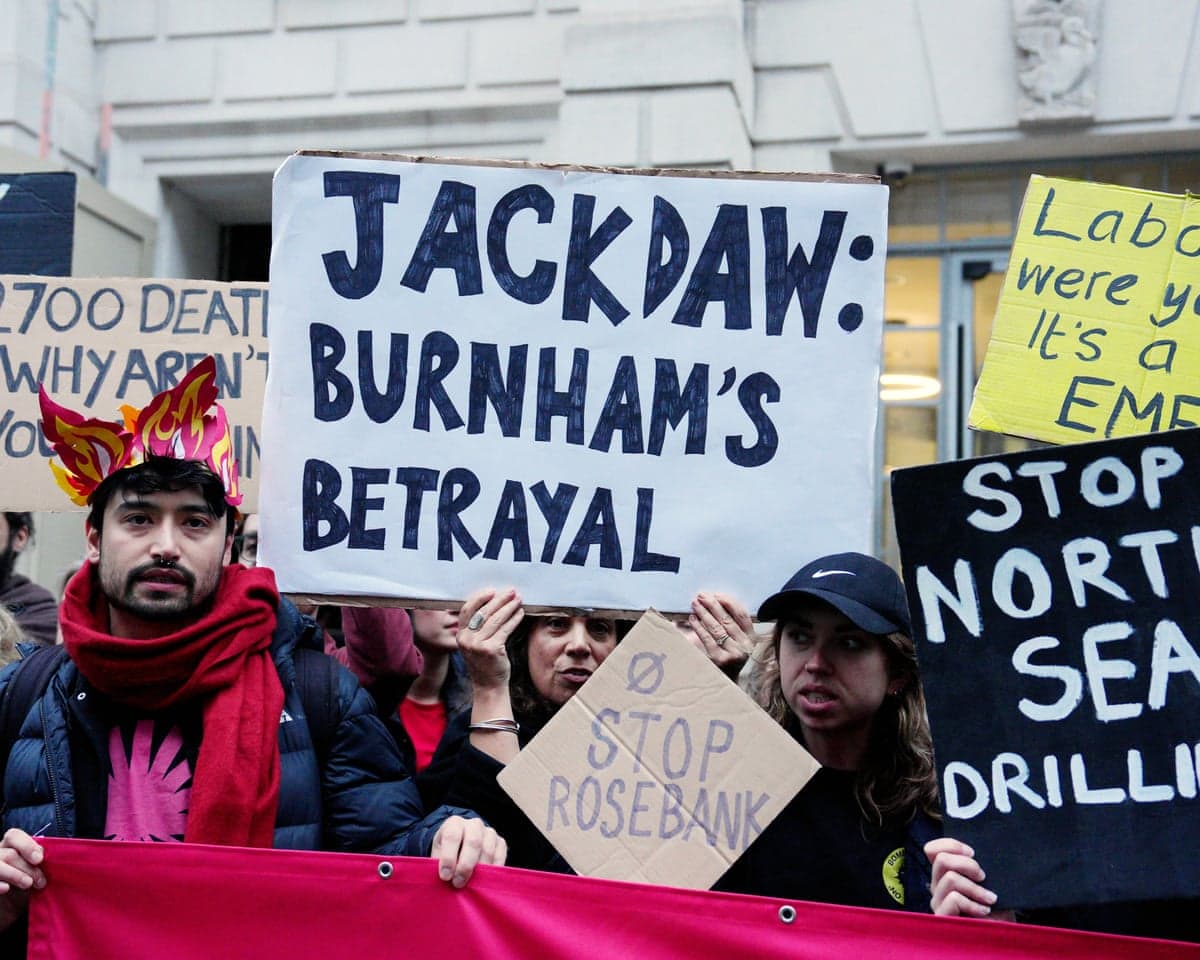
Environmental campaigners and climate experts have strongly criticised the UK government's decision to approve the Jackdaw gas field in the North Sea, arguing the move will undermine climate targets, fail to reduce energy bills and divert attention from the urgent need to decarbonise the nation's energy system.
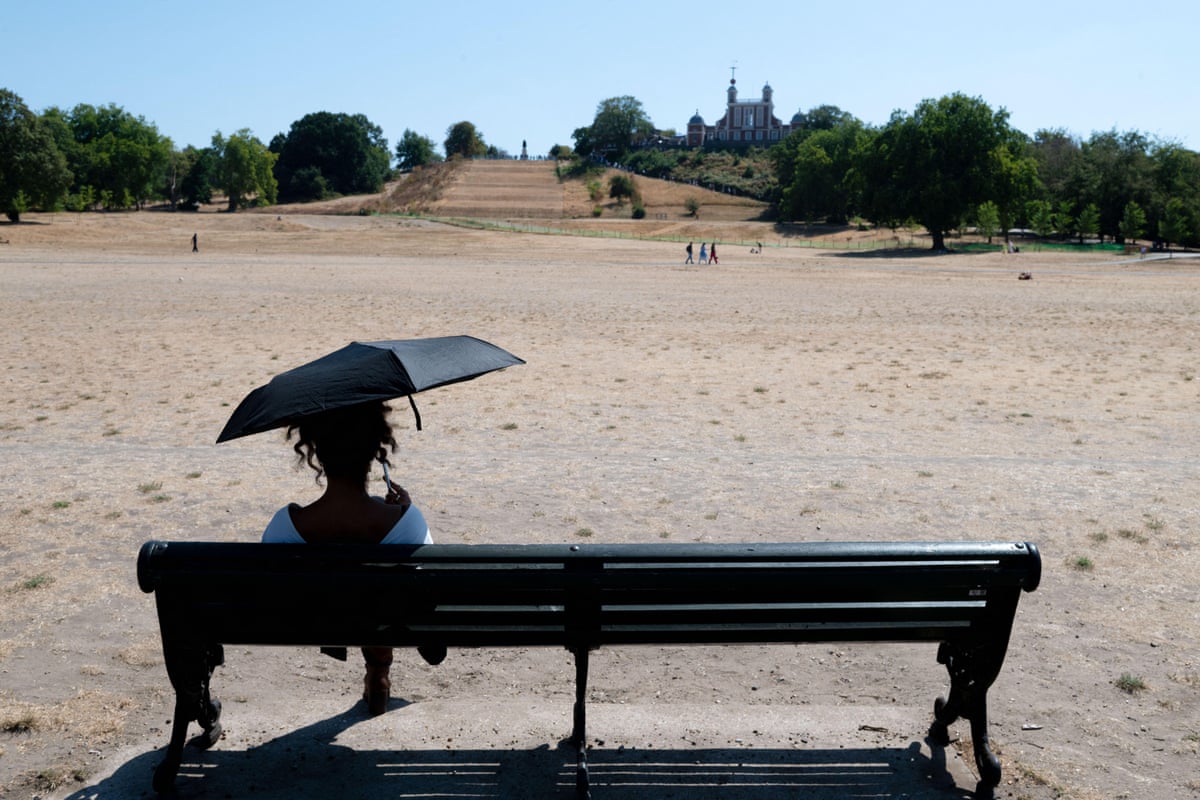
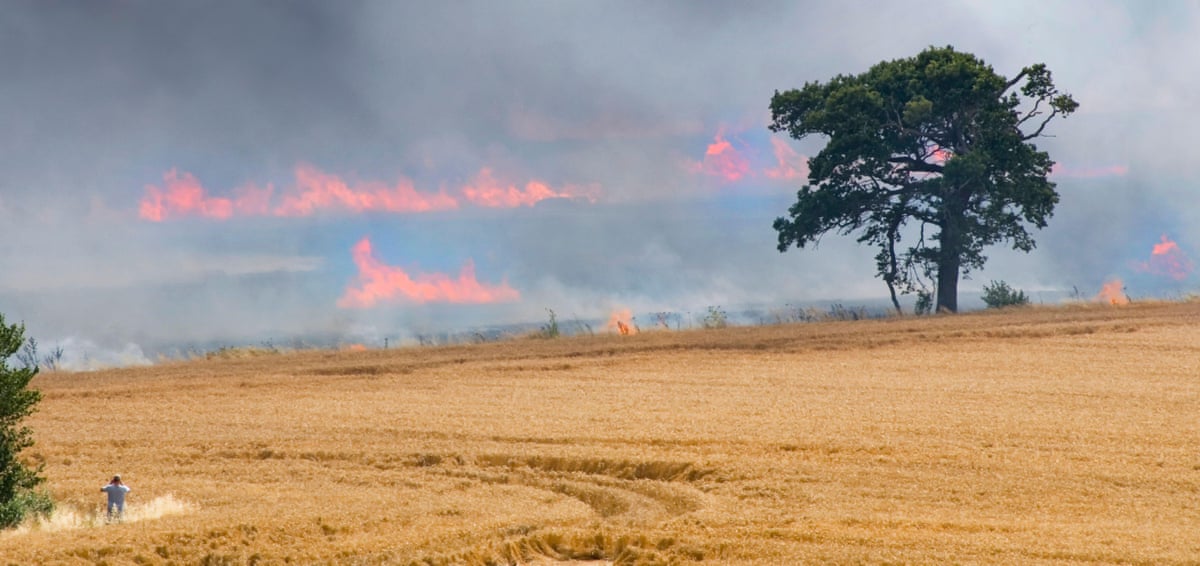
According to The Guardian, critics drew parallels between the government's decision and the extreme weather events—including droughts and record heat-related deaths—that struck the UK during its hottest summer on record.
Danny Gross, climate campaigner for Friends of the Earth, questioned the government's reasoning in light of recent climate impacts.
"Is the prime minister living in a parallel universe? One where we haven't just endured our hottest summer on record, with droughts, floods and, in all likelihood, the most heat-related deaths on record? And where the UN hasn't warned that we're on the brink of climate breakdown?"Gross emphasised that because gas extracted from Jackdaw will be sold on international markets rather than reserved for UK consumption, the project will not strengthen Britain's energy security but will instead contribute to global greenhouse gas emissions.
"The disconnect [between the government's green ambitions and its actions] is maddening,"he said.
Tessa Khan, executive director of the campaigning organisation Uplift, criticised the government's claim that the project would improve affordability.
"This benefits oil giants and their shareholders and doesn't make life more affordable as Burnham promised. We need to invest in renewables, reindustrialise regions and increase public control – not by caving to fossil fuel lobbyists, laying off workers and driving the climate crisis."
Kyle Lischak, head of UK at the legal pressure group ClientEarth, warned that companies operating in the North Sea—a rapidly declining hydrocarbon basin—would extract profits while leaving Britain to bear the environmental costs.
"The companies drilling our oil and gasfield will soon leave the empty oilfields with record profits, whilst we pay the price of extreme weather for decades to come."
Ami McCarthy, head of politics for Greenpeace UK, highlighted the contradiction between the government's stated ambitions and its decision.
"Approving Jackdaw shows the toxic grip fossil fuel lobbyists still hold over our energy policy. The Prime Minister promised pragmatism, but there is nothing pragmatic about rubber-stamping a project that won't lower energy bills, won't boost energy security and will create just 27 full-time jobs."
The government's approval has divided the labour movement. While the Conservative Party, Reform UK and some trade union leaders, including Sharon Graham's Unite, welcomed the decision, ten unions representing firefighters, healthcare workers, teachers and others had opposed development of the related Rosebank oilfield the previous week.
Many Labour MPs have expressed disappointment with the government's green light for Jackdaw. Some are attempting to negotiate a compromise: they would refrain from publicly criticising the Jackdaw decision—and potentially the forthcoming Rosebank determination—in exchange for the government protecting the electric vehicle mandate from weakening, which is also under review.
"The EV mandate is a bigger issue, in terms of emissions in the long term,"one Labour MP told The Guardian.
The Green Party, however, sees electoral opportunity in the decision. With dozens of constituencies where the Greens could emerge as Labour's main opposition at the next election and where climate concern ranks highly among voters, party leader Zack Polanski characterised the approval as a fundamental betrayal.
"This is climate vandalism. Today's decision by Labour is a betrayal of all of our futures, Labour has abandoned all credibility in the fight against climate change. The energy secretary has herself said it will make no difference to energy bills; the health secretary has admitted the summer heatwave added to pressure on the NHS, and the industry's own assessment is that it will create only 27 jobs. This is a victory for Shell over the people."
What the government says about the project
The government has presented a more optimistic assessment of Jackdaw's benefits. According to government sources, the project could contribute £2.9 billion to the UK economy, increase domestic gas production by approximately 6 percent at peak output, and safeguard 273 existing jobs, though the developer estimates the field will create 27 new direct positions. Operator Adura, a Shell–Equinor joint venture, says peak output could reach 40,000 barrels of oil equivalent of gas per day.
A revised environmental assessment put the field's lifetime emissions at 35.8 million tonnes of carbon dioxide equivalent. The approval came after a Scottish court ruling in 2025 required fresh government consent that accounts for emissions from burning the extracted hydrocarbons; the original approval had been granted in 2022.
The government has also announced a £2 billion initial contribution to a new Energy Wealth Fund, intended to reinvest oil and gas revenues in the climate transition.
International climate credibility at stake
Mohamed Adow, director of the Power Shift Africa thinktank, warned that the UK's international standing on climate action has been damaged by the decision to approve further fossil fuel extraction.
"Approving Jackdaw is a serious blow to Britain's international climate credibility. The UK cannot expect developing countries to move away from fossil fuels while giving the green light to new drilling in its own back yard. That double standard will not go unnoticed by countries already suffering the consequences of climate change."Adow added that Britain's reputation as a climate leader depends on actions rather than rhetoric.
"Britain has spent years presenting itself as a climate leader, but leadership is about what you do, not what you say. At a time when the world urgently needs to reduce its dependence on fossil fuels, approving new gas developments sends completely the wrong message."
Prime Minister Burnham and Energy Secretary Miatta Fahnbulleh are expected to attend an upcoming international climate conference, where governments will be asked to demonstrate they are meeting their climate commitments.
What happens next
The government says Jackdaw could begin supplying gas from the end of October 2026, following development work. The UK budget is due next week, ahead of which the government has announced the Energy Wealth Fund's initial £2 billion contribution.