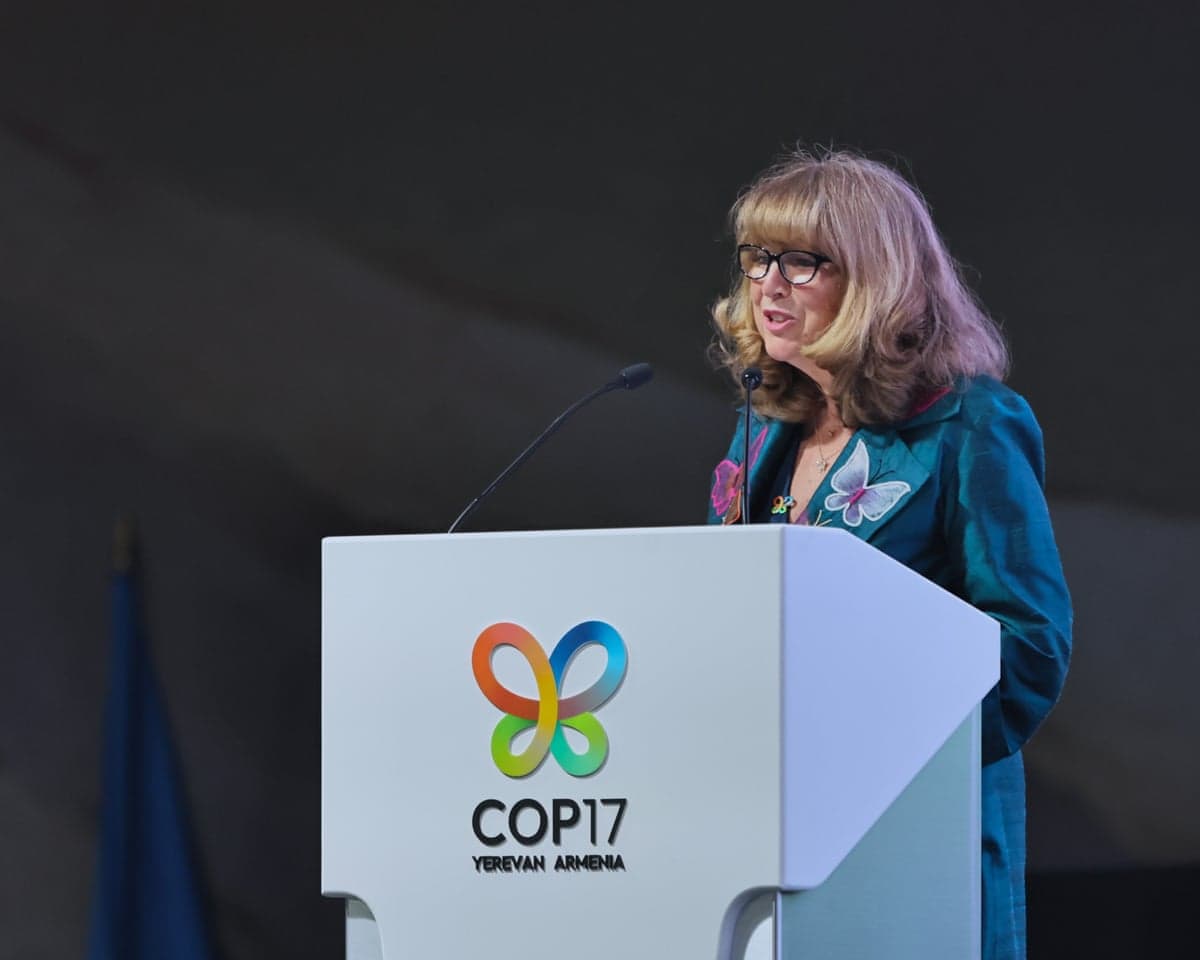
World leaders are converging on Armenia's capital Yerevan for COP17, a critical conference where nearly 200 countries must agree on accelerated action to halt nature destruction and meet targets set four years ago. The stakes are high: budgets are constrained, conflicts persist, and global energy crises complicate commitments. According to The Guardian, officials, scientists and environmentalists from around the world are gathered to forge a plan that could fundamentally reshape how nations protect endangered wildlife and ecosystems.
The conference represents a pivotal moment in global biodiversity efforts. The first global review of progress under the Kunming–Montreal Global Biodiversity Framework is underway at COP17, with countries assessing implementation gaps and ways to accelerate action. The framework, adopted in 2022, is now at its midpoint before the 2030 deadline, making this conference essential for determining whether nations can meet their commitments.
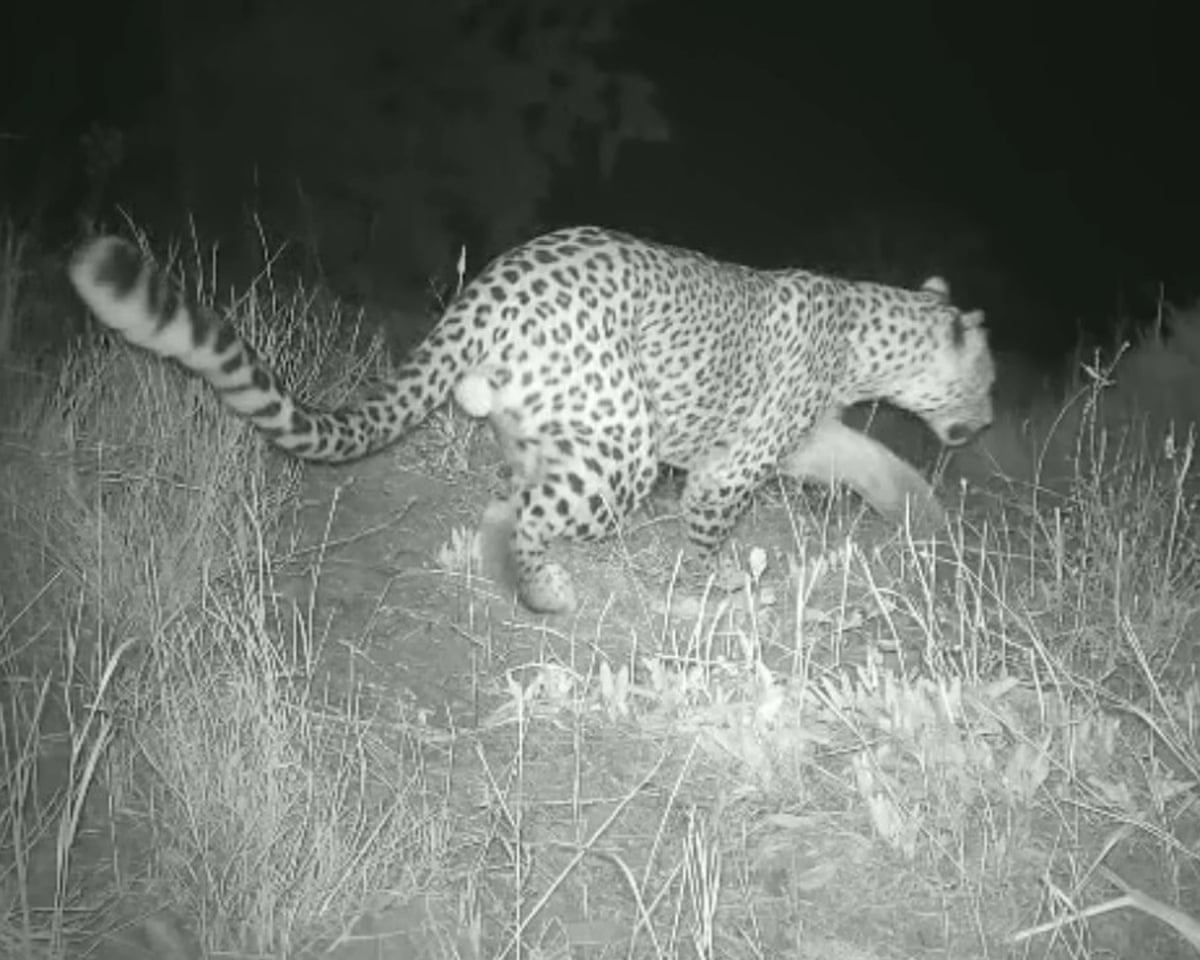
A symbol of what hangs in the balance emerged just before the conference began. A Persian leopard—one of Armenia's rarest and most endangered animals—was spotted in the southern-central region of the country, marking a significant discovery for local conservationists. When Syuzi Karapetyan, a teacher who leads the Gndasar Social-Environmental NGO, received word of the sighting, she described the moment vividly:
"It was late, we came home and then one of my caretakers [rangers] called me and said, 'I have amazing news.'"She recalled having goosebumps upon hearing the news.
The Plight of the Persian Leopard
Persian leopards, also known as Caucasian leopards, once roamed across western and central Asia, but their range has contracted dramatically over decades. Fewer than 10 individuals are believed to remain in Armenia, with poaching and habitat destruction having decimated populations across the region. The discovery of this previously unrecorded individual represents a rare success story in a landscape of decline.
Karapetyan and local communities, working in partnership with WWF, have undertaken substantial efforts to support the leopard's survival. They have rebuilt populations of bezoar goats, a key prey species for the leopards, and developed strategies to protect critical habitats. These grassroots initiatives demonstrate how coordinated local action can yield measurable conservation gains, even for species on the brink of extinction.
Why Protecting Endangered Species Matters at COP17
The question of how to save the world's most endangered species stands at the centre of discussions at COP17. Scientists have documented the rapid annihilation of wildlife at rates far exceeding natural background levels, with some researchers warning that humanity has triggered a sixth mass extinction event, driven by overpopulation and overconsumption. A commitment to protect endangered species was one of 23 targets that governments established four years ago, yet many nations have struggled to mobilise the necessary resources.
The challenge is partly one of prioritisation. Dr Kira Mileham, who co-chairs the Reverse the Red Action Partnership, which supports governments in tackling species loss, explains that nations often lack clarity on where to focus their efforts. Hundreds of species may be at risk within a single country's borders, yet governments frequently lack the frameworks to determine which species require immediate intervention and which might benefit from broader habitat protection initiatives.
New Initiatives to Coordinate Conservation Efforts
This week, Armenia and Colombia announced the Coalition of Action to Recover Endangered Species (Cares), a government coalition designed to help nations assess where to direct their conservation resources most effectively. The initiative recognises that different species require different approaches. Some species may thrive if parallel efforts—such as habitat protection—continue, while others need focused, species-specific interventions including disease protection or, in cases of critically low populations, breeding assistance programmes.
The Cares alliance will help governments identify which threatened species are already receiving support from non-governmental organisations or research institutions, and which are falling through the cracks. By connecting nations with relevant experts, the coalition aims to eliminate duplication and ensure no species is overlooked. Reverse the Red will serve as the secretariat for Cares. So far, 17 countries, including the United Kingdom, have joined the alliance to share best practices and coordinate their efforts.
Funding Commitments and the Challenge of Equitable Resource Distribution
Separately, nine private funders and organisations, including Leonardo DiCaprio's Re:wild, have committed more than $500 million over the next five years to recover the world's most threatened species. However, funding alone does not guarantee success; how money is allocated matters enormously. A persistent bias exists in conservation spending, with larger, charismatic animals such as leopards, tigers and elephants capturing the majority of resources, while less visible species receive minimal support.
Benoit Guénard, an associate professor at the University of Hong Kong who has researched the distribution of conservation funds, emphasises the importance of evidence-based decision-making:
"Decisions need to be taken based on the scientific information that is available, and not just because some are cute, which unfortunately is what happens."Many conservationists hope that increased funding will be directed more strategically, with resources distributed more evenly across taxa so that fungi, algae and amphibians might receive the attention and investment that has benefited the Persian leopard.
The Scale of Financial Need
The financial requirements for global biodiversity protection are substantial. The Kunming–Montreal Global Biodiversity Framework calls for at least $200 billion a year from all sources by 2030, including at least $30 billion in international biodiversity finance, according to Armenia's UN Ambassador Paruyr Hovhannisyan. This figure underscores the magnitude of investment required to reverse current trends and meet the framework's ambitious targets.
What Happens Next
The conference runs through 30 October 2026, with the high-level segment scheduled for 27–28 October. During this period, governments are due to consider practical arrangements for the Cali Fund, which is intended to support fair and equitable benefit-sharing from commercial use of digital sequence information on genetic resources. These decisions will shape how nations collaborate on biodiversity protection and ensure that benefits from genetic resources are shared equitably among countries, particularly those in the Global South where much of the world's biodiversity resides.