Countryside managers across the North Pennines have adopted an ambitious five-year plan to prepare the region for climate change impacts, with measures including peatland restoration and wildfire prevention equipment for farmers. According to BBC News, the North Pennines National Landscape Management Plan 2026-31 has been formally approved by Cumberland, Westmorland and Furness, County Durham and Northumberland councils, with Durham County Council's cabinet endorsing it on 14 October 2026.
The strategy reflects growing recognition that upland areas face particular vulnerability to shifting climate patterns. Chris Woodley-Stewart, director of the North Pennines National Landscape (NPNL), characterised the initiative as both ambitious and grounded in practical reality, stating:
In many ways, its the most ambitious plan that we've ever had, but also the most realistic.
What climate risks does the region face?
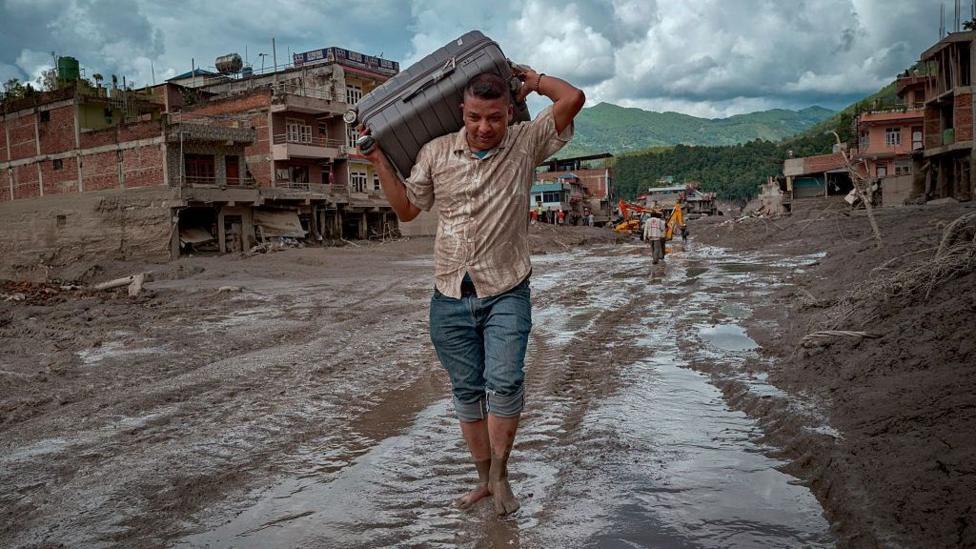
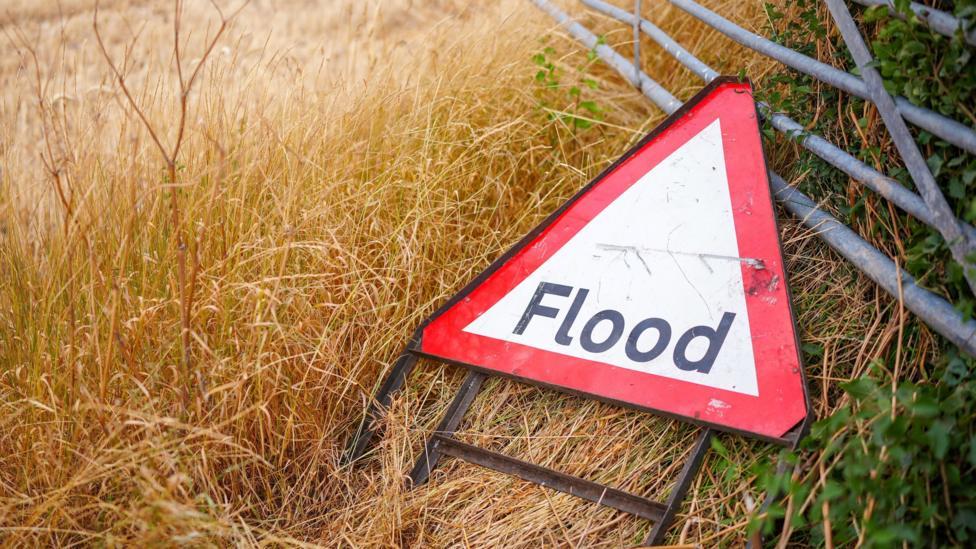
The North Pennines uplands are experiencing rising temperatures, changing rainfall distribution, and more frequent extreme weather events. The management plan specifically identifies adaptation to warmer, wetter winters alongside hotter, drier summers as a central priority. These shifts threaten both the landscape's ecological integrity and downstream communities dependent on stable water supplies and reduced flood risk.
How will the plan protect ecosystems and reduce flooding?
Mitigation efforts centre on restoring carbon-rich peat soils and protecting existing woodlands, which together help safeguard upland ecosystems while improving water quality and reducing flooding in lower-lying areas. Peatland restoration is particularly significant because degraded peat releases stored carbon and loses its capacity to absorb and regulate water flow during heavy rainfall events.
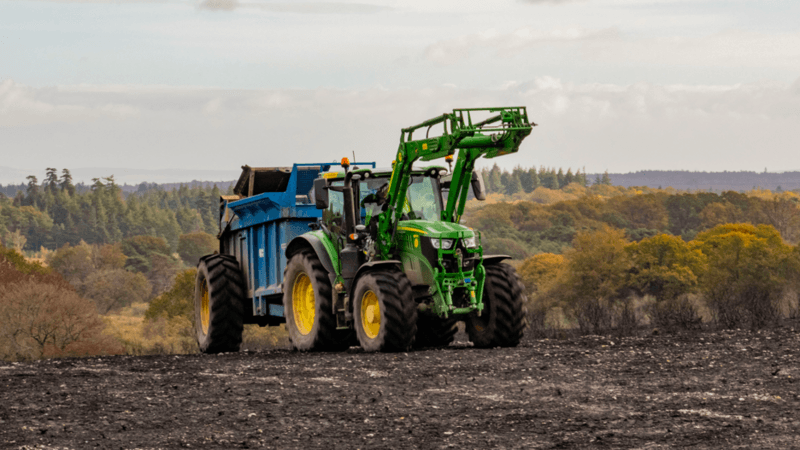
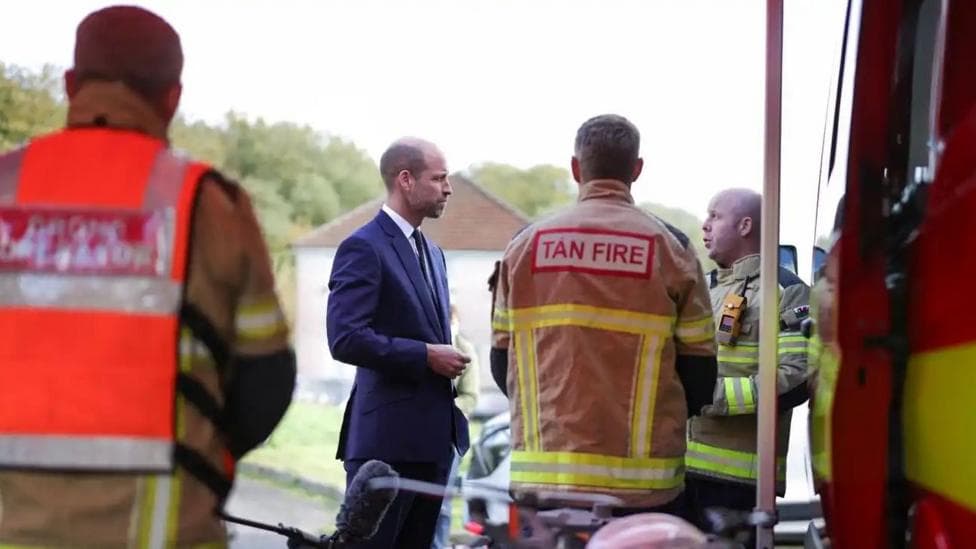
One of the region's largest landowners, Raby Estates, is collaborating with NPNL on wildfire prevention by managing fuel loads on farmland and supplying firefighting equipment to agricultural operators. Duncan Peake, chief executive at Raby Estates, highlighted the value of emerging technology in this effort, noting:
drone equipment to help spot fires was a "really significant, additional tool in our wildfire control kit".The Northern Echo reported that the plan's guidance on wind turbines suggests they should generally be avoided on prominent moorland ridges and hilltops, though it does not impose an outright prohibition.
How will the plan improve public access to the countryside?
Increasing countryside access and engagement, particularly among young people, forms a second pillar of the strategy. Raby Estates farmers are already hosting visits from groups of mostly young people who would not normally have the opportunity to experience farming and rural life. These farm visits help visitors understand agricultural practices and build connections to the landscape.
Woodley-Stewart emphasised the importance of inclusive access, stating:
You can't make people come to the countryside and invest in the local economy, but you can help to create circumstances in which they feel this landscape is for everybody.The plan also encourages farmers to develop skills and acquire equipment to facilitate such educational visits.
What is the long-term vision?
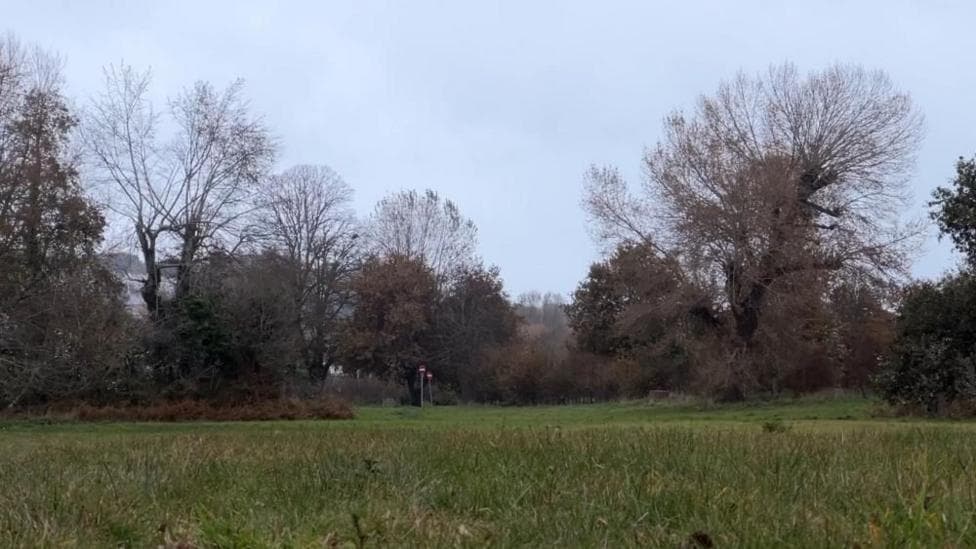
The North Pennines National Landscape has set a vision for 2040: establishing the North Pennines as England's most wildlife-rich upland area while demonstrating how protected landscapes can deliver benefits for nature, people and local economies. This aspiration reflects a broader shift in landscape management toward integrated outcomes that address climate resilience, biodiversity, and social wellbeing simultaneously.
Beyond climate and access priorities, the adopted plan promotes fully shielded, timer-controlled, low-colour-temperature LED lighting in new developments, alongside continued dark-sky monitoring and dark-sky tourism initiatives. These measures protect nocturnal wildlife while preserving the region's astronomical heritage.
How will the plan be implemented?
The management plan operates on a voluntary basis rather than through enforcement. Woodley-Stewart explained the collaborative approach, stating:
There's no stick here, it's all carrot. Everyone has a role to play in its implementation.The North Pennines National Landscape notes that suggested measures are not compulsory for land managers or other stakeholders, meaning success depends on voluntary adoption by farmers, councils, conservation organisations and other partners.
The five-year plan will guide policy decisions by local authorities but carries no legal obligation to implement every recommendation. This approach reflects the complexity of landscape management across multiple jurisdictions and private landholdings, where consensus and incentive-based participation often prove more effective than top-down mandates.
What happens next?
The 2026-31 plan now serves as the statutory management framework for the North Pennines, setting out suggested measures for partners and stakeholders to pursue during the five-year period. The Countryside and Rights of Way Act 2000 established management plans as a statutory duty for local authorities, requiring reviews at least every five years, ensuring the strategy will be reassessed and updated as conditions and priorities evolve.
Key Facts
- The North Pennines National Landscape Management Plan 2026-31 was adopted by four local councils and approved by Durham County Council's cabinet on 14 October 2026
- The plan aims to make the North Pennines England's most wildlife-rich upland area by 2040 while demonstrating how protected landscapes can benefit nature, people and local economies
- Peatland restoration and wildfire prevention equipment for farmers are central to climate adaptation, alongside measures to improve water quality and reduce downstream flooding
- Implementation is voluntary rather than compulsory, relying on collaborative engagement with landowners, farmers and conservation partners
- The strategy addresses both climate resilience and public access, with farm visits helping young people understand rural life and agricultural practices