Restoration efforts have commenced at the site of a major wildfire that ravaged the New Forest national park. According to BBC News, more than 1 sq km (247 acres) of the forest was destroyed after a fire spread from a blazing van on 9 August, causing extensive damage to rare heathland, ancient woodland, and peat layers that store carbon.
Forestry England has launched a long-term recovery initiative to restore the affected area, with specialist teams beginning work to protect vulnerable zones ahead of winter and to reseed areas of heather. The agency, which manages publicly owned forests in England, reports that the blaze spread rapidly across heathland, removing surface plants before travelling underground to destroy root systems and seed banks.
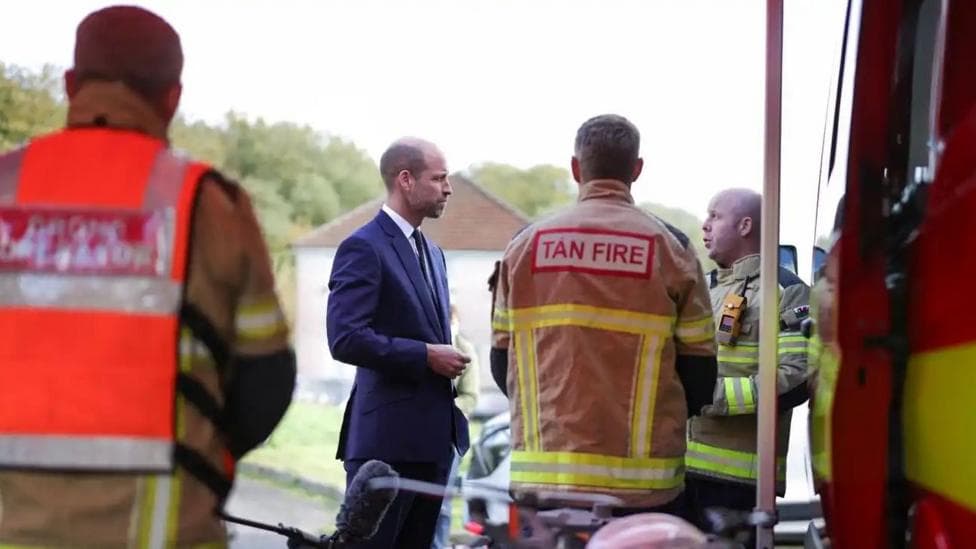
At its peak, the fire forced closure of the A31, a major route connecting Hampshire and Dorset, for nearly two weeks. The incident occurred during an exceptionally demanding summer for Hampshire and Isle of Wight firefighters, with the fire service estimating costs at £600,000.
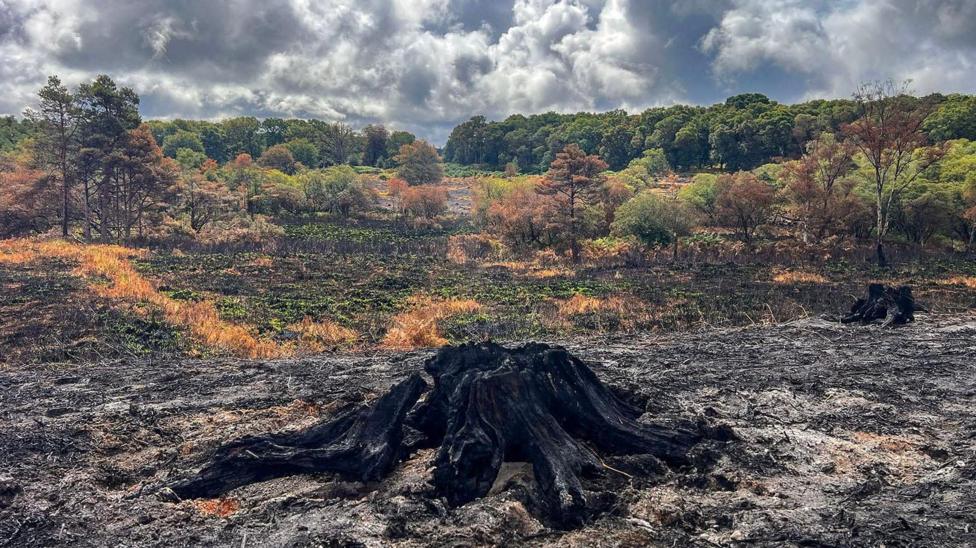
Dave Morris, a senior figure at Forestry England, described the immediate aftermath:
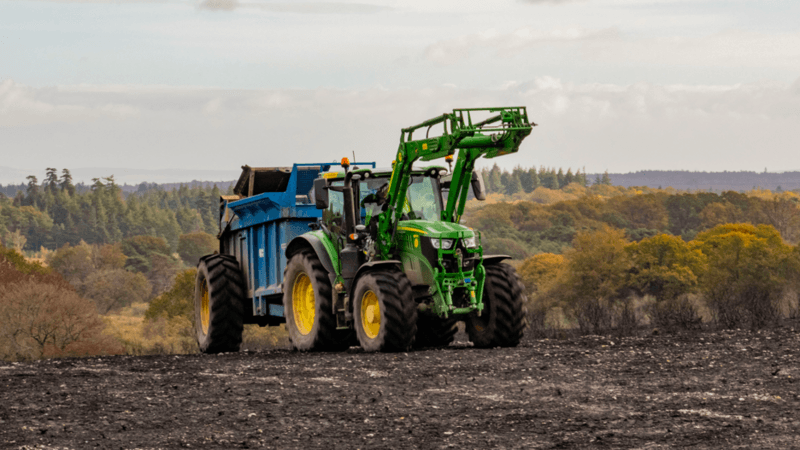
"The scene immediately after the fire had gone through this part of the forest is something I will never forget."He elaborated on the scale of destruction, noting that
"Large areas were reduced to piles of charcoal, burnt soils and torched trees. At that time, it was difficult to imagine it would ever fully return to a place where nature could thrive."
Despite the devastation, Morris emphasised the commitment to recovery:
"Undeterred, our specialist staff immediately got to work to see how we could help the area recover."
How is the restoration being carried out?
Forestry England has deployed a proven recovery technique by harvesting heather full of seed from unaffected parts of the forest and spreading it across the worst-damaged sections to form a protective layer and encourage new plant growth. According to Forestry England, the agency cut and laid the seeded heather during autumn before deteriorating weather conditions set in, and it will assess the health of damaged trees in spring by checking for leaves and new growth.
The same technique was successfully applied after a previous wildfire destroyed part of the New Forest in 1989.
"Almost 40 years later, this area is now thriving and has been fully restored,"Forestry England stated, offering evidence that recovery is achievable over time.
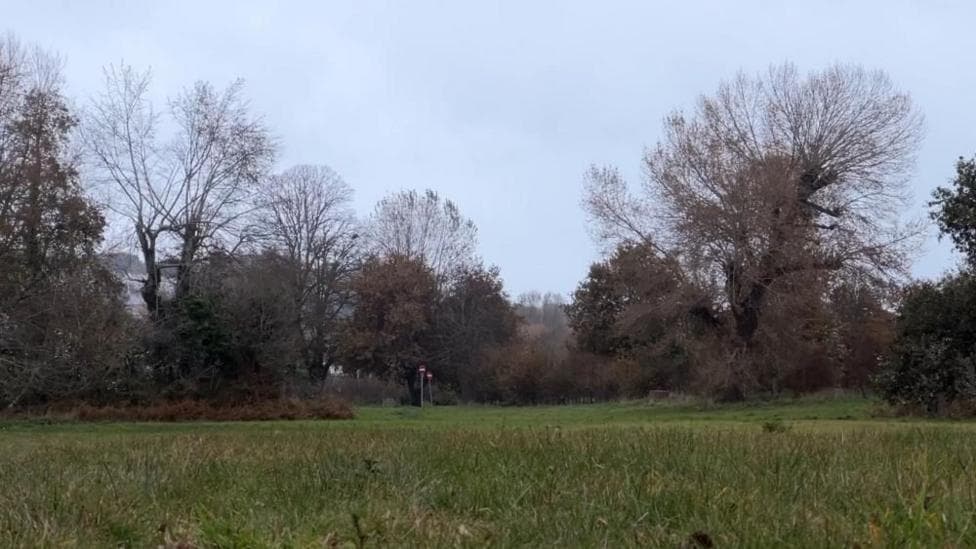
Teams are also examining methods to protect the vulnerable root systems of ancient beech and oak trees damaged in the summer fire. Forestry England notes that the fire left some areas with very little topsoil, stripped back to gravel, raising concerns about further winter erosion and poor germination in spring.
Which areas are recovering fastest?
The boggy sections of the fire site sustained the least damage, functioning as a barrier that slowed the fire's spread across the wider forest and have recovered most rapidly. Molinia grasses and other plants are already returning in these boggy areas, demonstrating nature's capacity for rapid regeneration in less severely affected zones.
Morris reflected on this resilience:
"The fire has reminded us that nature is remarkably resilient and in the boggy parts of the fire area we can already see plants and wildlife returning."He added that
"It will take many decades for the area burnt by the fire to recover completely but, with the right help at the right time, we can give it the helping hand it needs."
What broader recovery efforts are underway?
The New Forest wildfire occurred during a period of heightened wildfire activity across the UK. Earlier analysis highlighted how wildfires have devastated nature reserves and countryside across the UK, from Staffordshire to the Cairngorms, with conservationists warning that full recovery could take years or decades.
Beyond immediate restoration work, local organisations are coordinating longer-term support for affected communities and businesses, alongside work to improve the Forest's resilience to future droughts and wildfires. This multi-agency approach reflects recognition that recovery extends beyond ecological restoration to encompass economic and social dimensions.
Forestry England has been engaged in wetland restoration across the New Forest for 15 years to help these areas hold and store water during drought periods, work that provides a foundation for the current recovery efforts. The agency's experience with previous incidents, including a 2020 heathland fire in Wareham, Dorset, has informed its approach to the New Forest restoration.
What happens next?
Full recovery of the burned area will require many decades of careful management and monitoring. Forestry England plans to assess the health of damaged ancient trees in spring, checking for signs of new leaves and growth that would indicate survival. The agency will continue to monitor progress throughout the recovery period and adjust restoration strategies as conditions evolve and new growth patterns emerge.