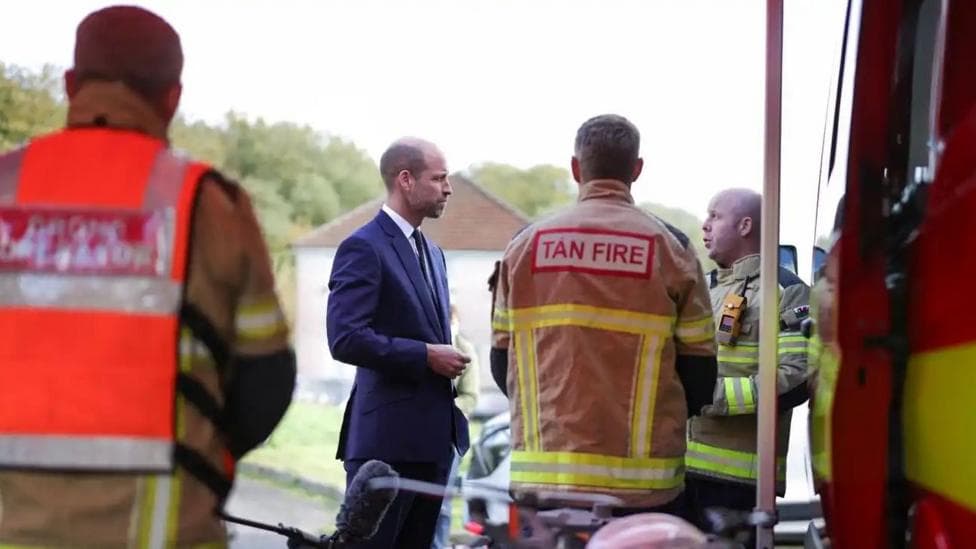
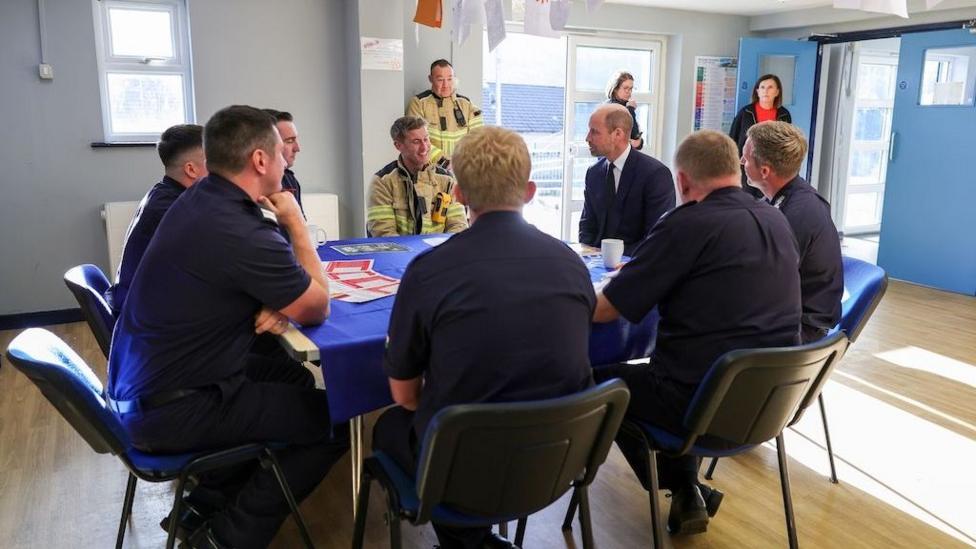
The Prince of Wales has cautioned that the United Kingdom faces a "terrifying prospect" of intensifying wildfires in coming years as climate change accelerates, emphasising that preparation and serious national commitment will prove essential. During a visit to Treherbert in Rhondda Cynon Taf on 2026-09-17, where a major mountain fire threatened the community in August, Prince William commended the "gargantuan" collective effort by firefighters, military personnel and volunteers who prevented catastrophic loss of homes and lives. According to BBC News, he stressed the need for the UK to adopt the same rigorous approach to wildfire management that continental Europe has already implemented.
The August fire in Treherbert occurred during an unprecedented wildfire season that exposed significant gaps in the nation's preparedness. A UK parliamentary committee warned on 21 October that the 2026 fires revealed critical shortcomings in aerial firefighting capacity and called for a comprehensive implementation plan before the 2027 wildfire season. The scale of the crisis was stark: figures from the National Fire Chiefs Council showed 1,350 significant wildfires across England and Wales in 2026, surpassing the previous year by more than 300 incidents and exceeding 2024 by over 1,000.
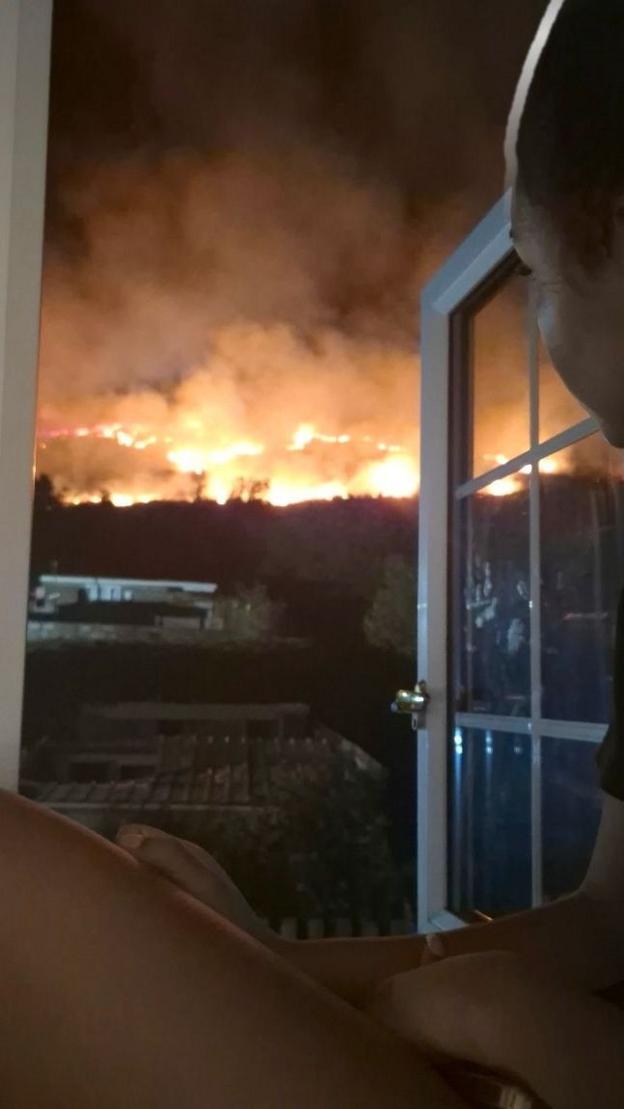
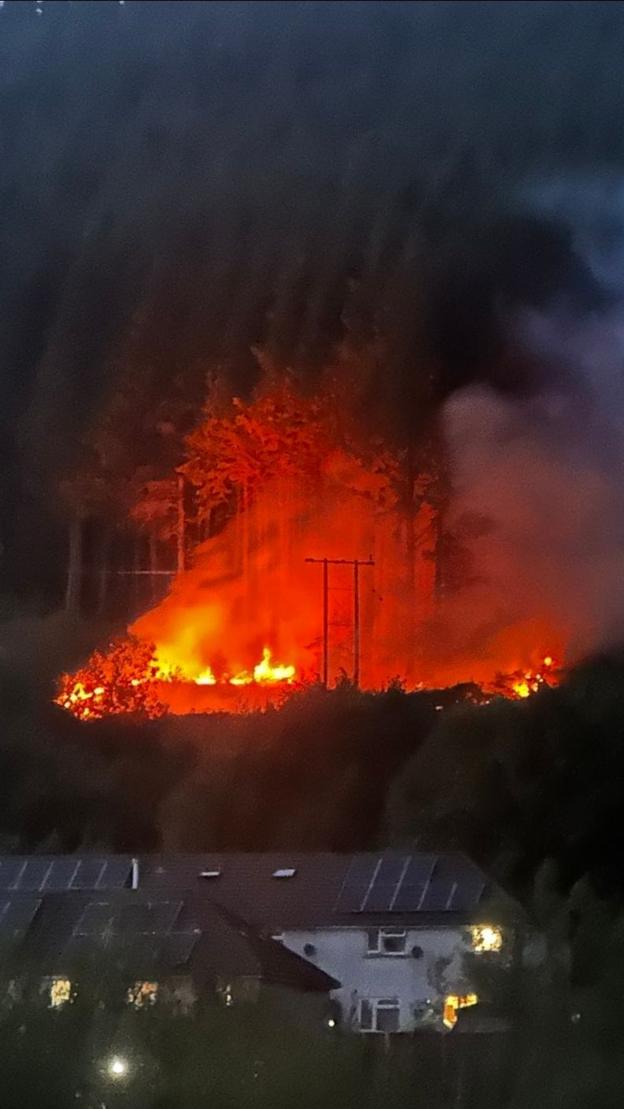
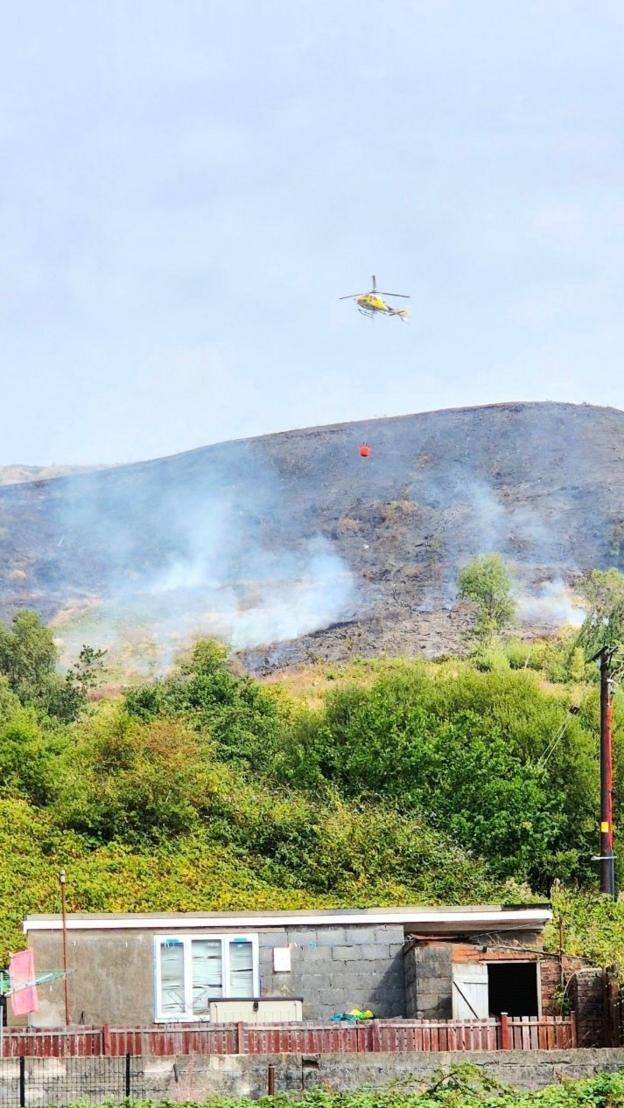
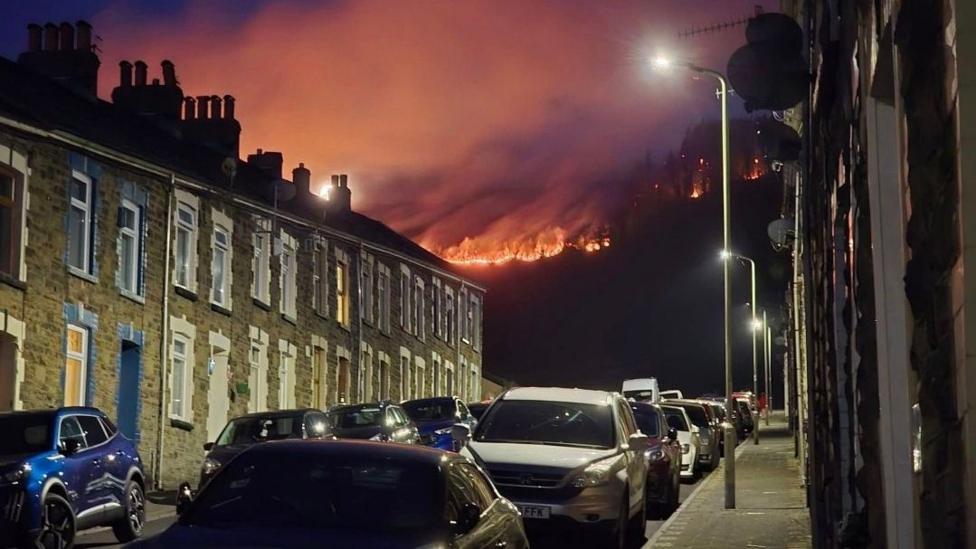
The Treherbert fire came within metres of the village before being contained, forcing residents to evacuate as flames approached their homes. The hillside, positioned just metres from the community centre where Prince William met with fire crews, military personnel and local volunteers, remains charred black two months after the incident.
What made the Treherbert fire particularly dangerous?
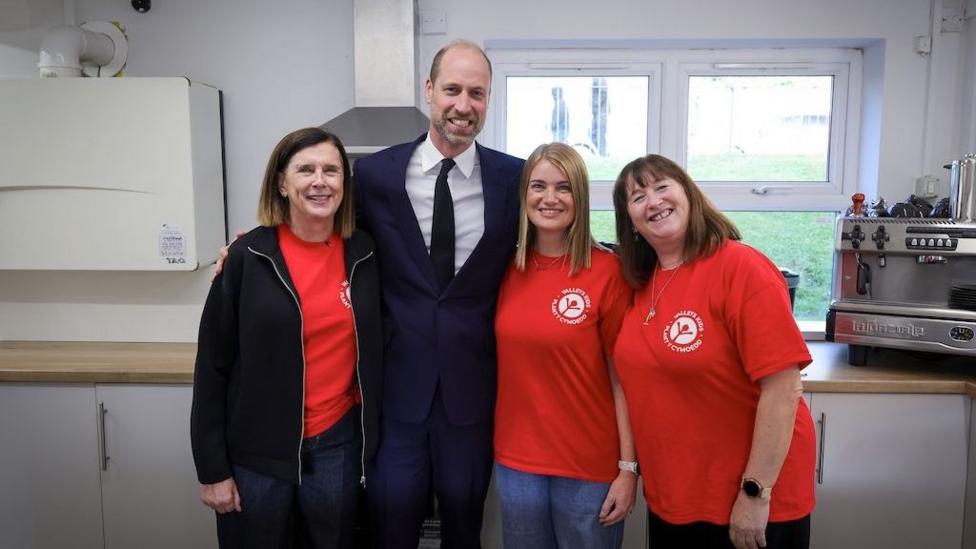
The fire at Treherbert was classified as small but exceptionally high-risk due to its proximity to residential properties, the challenging mountainous terrain that complicated firefighting efforts, and the significant likelihood of rapid spread. Kath Edwards, managing director of Valleys Kids charity which operates the community centre, recalled the terrifying moment when the flames became visible.
"You looked up [and] the mountain was alight - it was like lava,"she explained.
"I genuinely thought we were going to lose the centre - but more importantly people were going to lose their homes. You never think this is going to come literally to your door and that's what it was - it was just crazy."
How did emergency services respond to the crisis?
South Wales Fire and Rescue Service declared a major incident as it confronted 14 simultaneous wildfires across the region in August. Support was mobilised from 22 other UK fire services, while military personnel were deployed to construct fire breaks and deliver 2.1 million litres of water to suppress the flames. Approximately 200 members of the Queen's Own Gurkha Logistic Regiment participated in the operation, working alongside civilian firefighters in gruelling conditions.
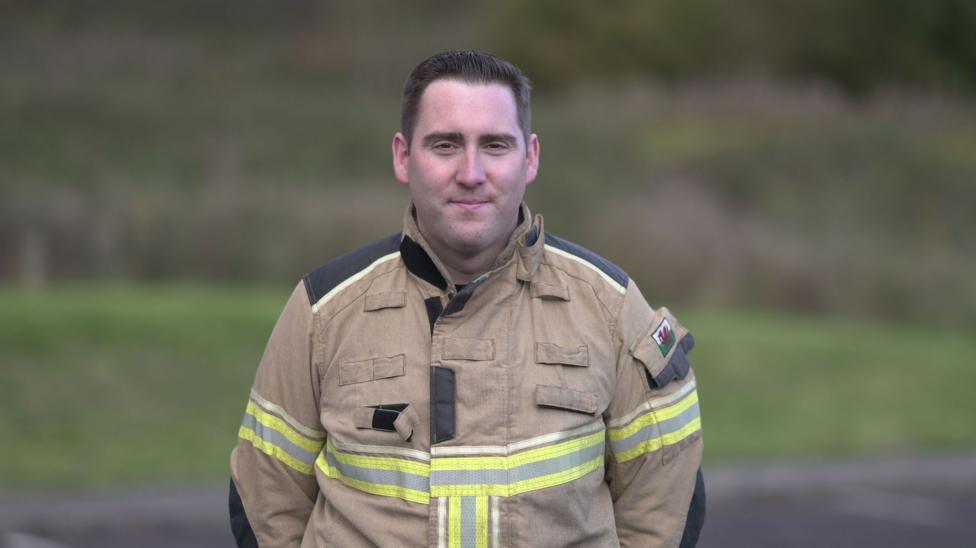
Aled Bound, crew manager at Maesteg fire station and a retained on-call firefighter at Treorchy, described the experience to Prince William as
"the hardest wildfire season"he and his colleagues had encountered.
"I've never had to take so much water up a mountain to put on a fire and still come back the next day because that fire has relit, because it's so deep-seated,"he said, warning that climate change suggested this could represent
"a sign of what's to come."
What role did the community play in the response?
The Penyrenglyn community centre became a vital hub for the firefighting operation, remaining open 24 hours daily from the Saturday evening of the fire through the following Thursday. Volunteers provided rest facilities, regrouping spaces and a focal point for community members wanting to demonstrate support. Businesses donated supplies—40 pizzas arrived within the first 20 minutes—and an ice cream van made regular visits to sustain those involved in the emergency response.
Edwards explained that the centre's continuous operation enabled the fire service to concentrate resources on controlling the incident.
"From something really quite horrific, the valleys did what the valleys do very, very well - we pulled together to make a difference,"she reflected. Adam Openshaw, deputy chief fire officer for South Wales Fire and Rescue Service, described the community's response as
"the best demonstration of the community coming together to support the wildfire response,"noting it significantly assisted fire crews working
"tirelessly"in
"challenging circumstances."
What are the underlying causes of escalating wildfire risk?
The 2026 wildfire season followed months of record-breaking heat and exceptionally dry conditions that swept across the UK during spring and summer. A 2026 analysis identified prolonged drought and heat, human ignition sources, and landscapes with diminished water retention as primary drivers of wildfire risk. The research also noted that degraded peat can smoulder and reignite underground, making fires particularly difficult to extinguish completely.
The Climate Change Committee had warned as early as 2012 of increasing wildfire frequency due to warmer, drier conditions. Its chair later cautioned that wildfire risk could double across much of the UK by 2050 if current climate trends continue. The parliamentary committee's assessment revealed that the government's July 2026 reasonable-worst-case scenario evaluation had rated multiple simultaneous major wildfires as "remote," with an estimated annual likelihood of approximately 1%—a projection that proved dangerously inaccurate when the August fires unfolded.
What gaps in preparedness did the fires expose?
Prince William identified the absence of dedicated firefighting aircraft as a critical vulnerability.
"We need to start taking wildfires as seriously as the continent has done,"he stated, noting that
"the need for aerial assets has been hoisted quite high up in government"as an area
"we're lacking."He drew on his own military experience, having served a three-year tour flying Sea King helicopters with the Search and Rescue team at RAF Valley on Anglesey between 2010 and 2013, qualifying as a captain.
Prince William recalled flying water bowsers in the Falkland Islands to suppress range fires, observing that
"once the Sea King went, we don't have the assets any more."He emphasised that recreating such aerial firefighting capacity was now
"front and centre of many people's minds."Conversations during his visit also addressed the equipment available to fire crews working in extreme heat, proactive land management practices, and whether social media platforms could take greater responsibility for discouraging people from setting fires.
What government action has been announced?
The UK government has committed to equipping RAF Chinook helicopters and A400M aircraft with firefighting capabilities for future seasons. A separate Welsh government wildfire summit has also produced commitments to enhance preparedness across the nation. Prince William observed that
"it feels like this is something we're going to have to live with as a country or as a world now every summer."
Adam Openshaw stated that
"it's fair to say that we've learnt a lot from this season... and there's lots that we'll be putting into place, particularly following the wildfire summits."The parliamentary committee's October warning underscored the urgency of these measures, demanding that detailed plans for UK aerial firefighting capability be finalised well before the 2027 wildfire season arrives.
What happens next?
The parliamentary committee has called for a comprehensive implementation plan for UK aerial firefighting capability to be completed ahead of the 2027 wildfire season. Government and devolved administrations are expected to build on commitments made through the RAF aircraft equipment programme and the Welsh wildfire summit recommendations. Communities like Treherbert, already experiencing the compounding effects of climate change through floods, fires and other environmental hazards, are preparing for the possibility of future incidents while advocating for systemic solutions to wildfire risk.
Edwards warned that south Wales valleys communities are already bearing the brunt of climate impacts.
"We've had floods, fires... we've got [coal] tips that move as well,"she noted.
"I think the message I was keen to get across is... we are motivated as a community to ask how do we solve this? How can we work together as a community and voluntary sector to support agencies [like the fire service]?"