Opening summary: planetary fever worsens despite slight emissions dip on day two
Greetings from Turkey on the second day of Cop31, the United Nations climate conference convening once again to pressure nations into confronting catastrophic planetary warming.
Considerable frustration surfaced during the first day regarding whether this gathering will accomplish its stated objectives, and whether the Cop format remains the appropriate venue for such work. Recognising the fragmented and distracted international atmosphere, Chris Bowen, Australia's climate minister and chief of Cop negotiations, made an impassioned appeal to participating nations to "show the world that multilateralism works. Let's show the world we are equal to the challenge."
According to The Guardian, a report released this morning provides fresh evidence of the world's struggle to reverse its warming trajectory. However, the data also reveals that carbon emissions from fossil fuels are declining marginally, offering a glimmer of possibility that meaningful change remains achievable. Without such progress, the fundamental purpose of assembling here becomes questionable.
The conference venue accommodated approximately 100,000 delegates on Monday, with registration queues stretching so extensively that the UN requested attendees to collect their badges today if they had not done so during the mandatory first day.
The agenda for today will establish the framework for the arrival tomorrow of leaders representing more than 90 nations, with significant absences including the heads of state from the United States and China. Energy and transport form today's thematic focus, aligned with a central Cop31 objective: securing global agreement to substantially expand the proportion of electricity generated through renewable sources. Ideally, that electricity will originate from clean energy.
The extent to which nations will converge on this matter remains to be seen. Beyond the policy discussions, the Turkish culinary offerings at the venue are noteworthy, and thoughtfully designed installations constructed from reclaimed materials provide aesthetic interest. The proceedings continue.
Carbon emissions from fossil fuels flatline in 2026
Elevated energy prices triggered by the conflict in Iran have prompted a shift away from fossil fuels, resulting in a moderation of climate-damaging carbon emissions this year.
Projections indicate that carbon dioxide from oil, gas and coal will remain essentially flat throughout 2026 based on data accumulated to date. Emissions from petroleum consumption alone are expected to decline by 2% as consumers reduce fuel expenditure and transition toward electric vehicles.
The findings, unveiled on Tuesday morning at the climate negotiations in Antalya, demonstrate both the consequences of the Iran conflict and the expanding deployment of renewable energy sources, particularly solar and wind installations.
However, researchers and analysts caution against interpreting these results as evidence of a sustained global shift. The reduction in fossil fuel emissions for 2026 will amount to approximately 0.4% relative to the previous year. According to the Global Carbon Budget, coal emissions are projected to increase by 0.6%, natural gas emissions to decrease by 0.3%, and oil emissions to fall by 1.9%, with China's emissions declining 0.9% and United States emissions falling 1.3%.
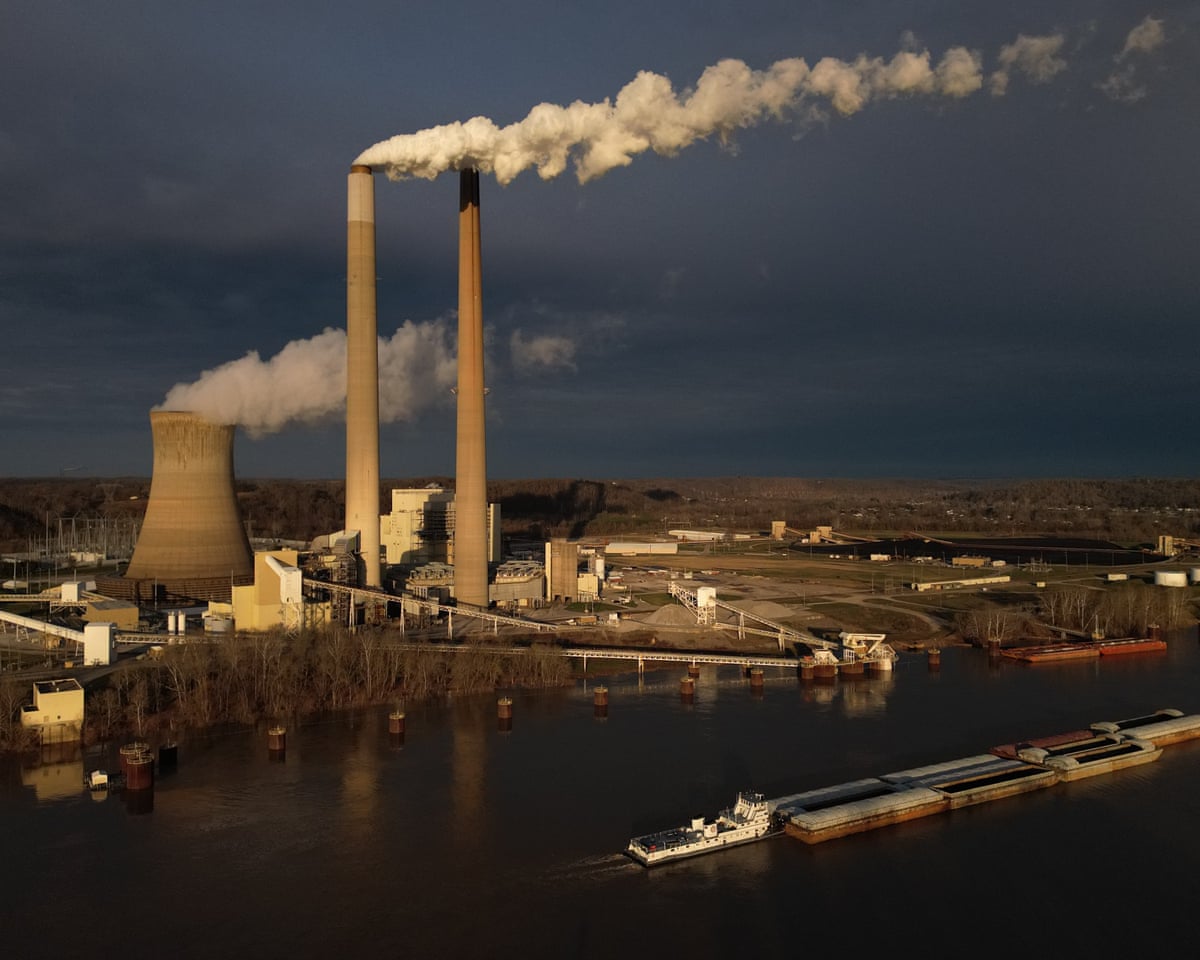
The modest decline this year could prove ephemeral, and has been substantially counterbalanced by rising emissions stemming from deforestation and alterations to land use, following agricultural expansion and the conversion of natural ecosystems to commercial purposes.
Multiple developments could undermine the tentative deceleration in fossil fuel emissions, including accelerated coal expansion in India, a potential decrease in oil prices and policy shifts under the current US administration. Substantially greater investment in renewable energy infrastructure and low-carbon technologies such as electric vehicles would remain essential to achieve lasting reductions in annual emissions, according to the report's authors.
The broader picture reveals a more sobering reality. The Global Carbon Budget projects that total CO₂ emissions, encompassing land-use change, will reach 43.3 billion tonnes in 2026, up from 42.8 billion tonnes in 2025, despite the projected decline in fossil-fuel emissions. This represents a continuation of the upward trajectory that has characterised recent years, with fossil-fuel emissions having risen 1.2% in 2025.
The carbon budget remaining for limiting warming to 1.5°C stands at approximately 150 billion tonnes of CO₂—equivalent to less than four years of emissions at current rates, according to the Global Carbon Budget. This constraint underscores the urgency of accelerating the transition away from fossil fuels.
What happens next at Cop31
The Antalya Leaders' Summit is scheduled for 11–12 November. On 11 November, leaders' dialogues will address clean-energy transition and electrification, followed by discussions of green industry, investment, jobs and growth. Finance and trade negotiations are scheduled for 13 November.
A journey through Antalya traffic
In an attempt to arrive at the venue ahead of schedule, I abandoned the tram system in favour of the specially designated conference buses. This proved to be a miscalculation of considerable magnitude.
The journey has now exceeded two and a half hours, with the bus still moving slowly through Antalya's congested streets. Unexpected camaraderie is developing among passengers. Food sharing has commenced.
Appreciation is due to Philippa Bayley from Groundwork, who contributed walnut and chocolate biscuits procured from her hotel's breakfast service. The biscuits were exceptional—a distinction that cannot be extended to the traffic conditions.