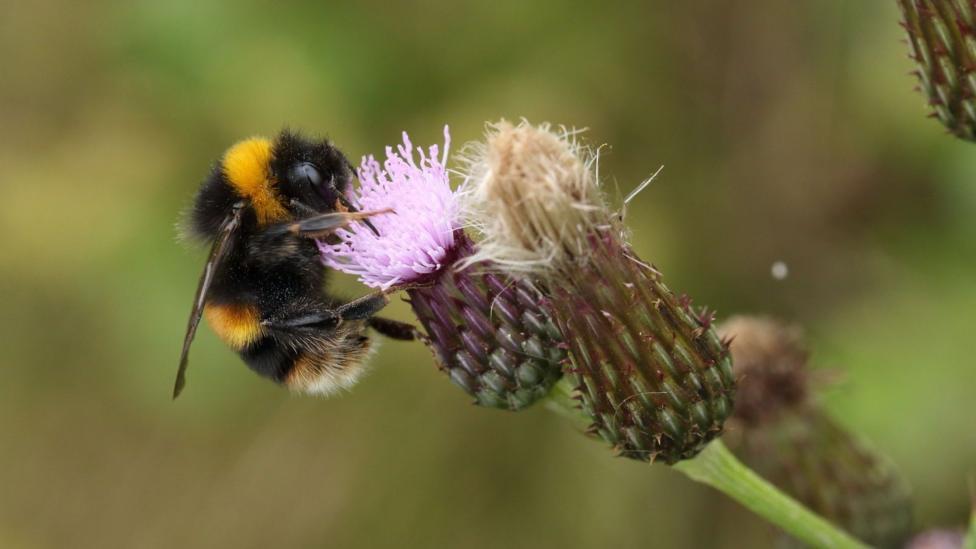
The Berkshire, Buckinghamshire and Oxfordshire Wildlife Trust (BBOWT) is seeking to raise £70,000 for a project designed to reverse declining populations of birds, bees and butterflies across farmland in the Thames Valley region. According to BBC News, the funds will form part of the trust's Nature Recovery Fund, which aims to tackle the sharp fall in wildlife numbers across the three counties.
Farmland represents 68% of the landscape across Berkshire, Buckinghamshire and Oxfordshire, making it a critical focus for conservation efforts. The trust has documented alarming declines in key species: farmland bird populations have fallen by 63% since 1970, while half of the UK's 27 bumblebee species are experiencing population decline. BBOWT's appeal page showed £34,594 raised toward its £70,000 target as of 8 November 2026, indicating substantial progress toward the fundraising goal.
The conservation challenge extends beyond birds and bees. Farmland butterflies have declined by 42% since 1976, a decline that reflects broader habitat loss and agricultural intensification across the region.
What conservation methods will be used?
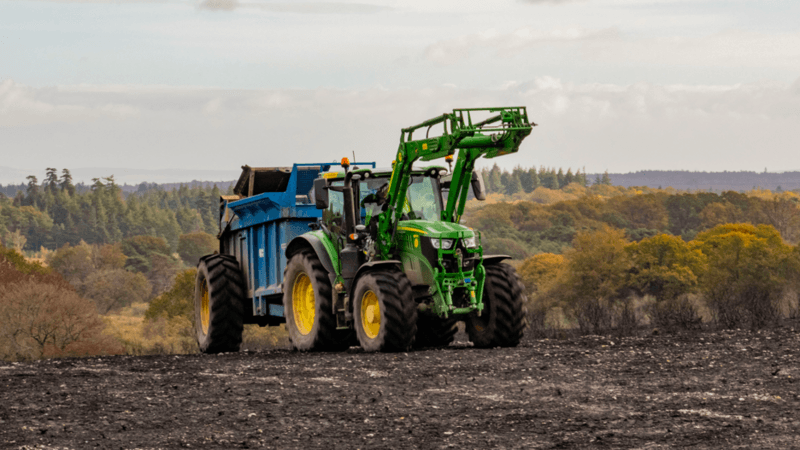
The trust plans to implement a range of practical measures to restore wildlife habitats on working farmland. These include reducing chemical use in farming practices to create healthier soil and cleaner waterways, as well as designating corners of grassland as wildlife refuges. BBOWT's work with farmers includes creating bare plots in arable fields to improve breeding opportunities for ground-nesting birds, providing targeted habitat improvements that benefit vulnerable species.
Why is farmland conservation so important?
Farmland makes up the majority of the landscape across the three counties, meaning that conservation efforts must extend far beyond protected nature reserves to have meaningful impact. BBOWT's chief executive Estelle Bailey emphasised this point, stating:
Farmland makes up 68% of our three counties, so to truly have an impact on nature's recovery, our work must expand far beyond our precious nature reserves.
Bailey outlined a vision for what successful conservation could achieve:
I want future generations to experience the joy of countryside filled with life - swallows darting above fields, butterflies and bumblebees feeding on abundant wildflowers, hedgerows alive with the sound of birdsong, and to eat locally grown food that supports a healthy, resilient landscape.
What is the wider context for this appeal?
The appeal reflects growing concern about biodiversity loss across the UK. In 2023, a report produced by government agencies, environmental groups and universities found that one in six species in the UK were at risk of extinction. The appeal is part of BBOWT's wider £3 million Nature Recovery Fund, launched in 2023, which supports conservation work across the three counties through partnerships with farmers and landowners in the wider countryside.
Similar conservation initiatives are underway across other regions. Surrey Wildlife Trust has been fundraising £40,000 to restore local wildlife habitats, helping species like hedgehogs and swifts return to residential areas, while Kent Wildlife Trust received a £1.28 million grant to support conservation of beavers, rare butterflies and birds.
Key Facts
- BBOWT is seeking £70,000 for farmland wildlife conservation across Berkshire, Buckinghamshire and Oxfordshire
- Farmland bird populations have fallen by 63% since 1970, and 42% of farmland butterflies have declined since 1976
- Half of the UK's 27 bumblebee species are in decline
- The appeal is part of a wider £3 million Nature Recovery Fund launched in 2023
- As of 8 November 2026, the appeal had raised £34,594 toward its target