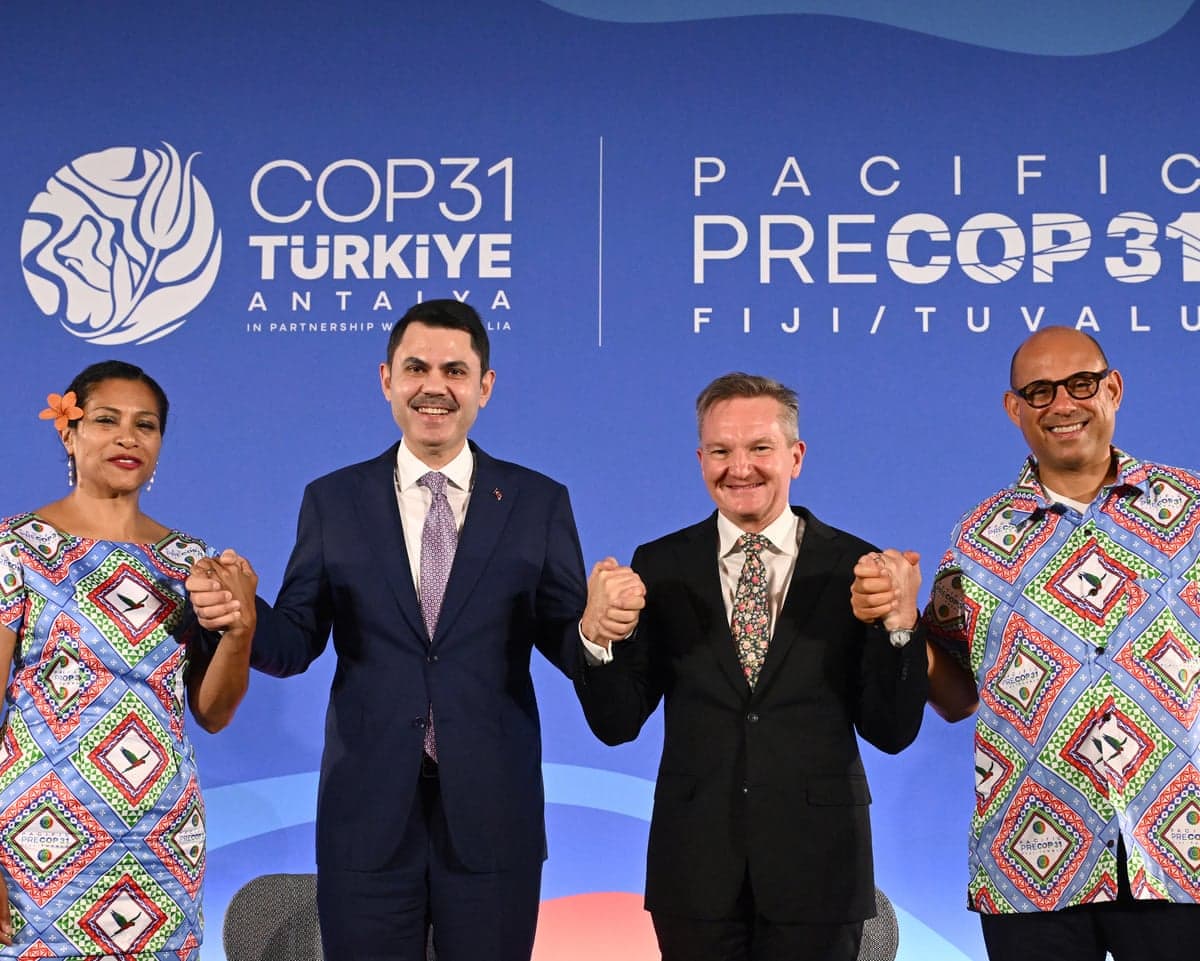
Wealthy nations should allocate substantially more resources to addressing the climate crisis than the 5% of gross domestic product they have pledged toward defence, according to the president-designate of the upcoming UN climate summit. The Turkish climate change minister leading Cop31 framed the climate emergency as fundamentally a security issue, arguing that preventive investment now would prove far cheaper than managing disasters later.
However, the same official offered a more cautious stance on whether countries should renew their commitment to phase out fossil fuels when they convene next month, suggesting the world was already undergoing a transition and that indirect measures might suffice instead of explicit language on ending coal, oil and gas.
Murat Kurum, who will preside over Cop31, made these remarks during a preparatory summit held in Fiji this week. The gathering brought together national leaders, government ministers, officials and representatives from civil society to lay groundwork for the main climate conference, scheduled to take place in the Turkish city of Antalya in November. Australia, which holds the formal role of "president of negotiations" at Cop31, organised the pre-summit meeting to amplify the voices of island nations facing existential threats from rising seas and intensifying storms.
The geopolitical landscape—marked by active conflicts, an energy crisis, and uncertainty about the incoming US administration's climate stance—dampened attendance. Only 13 national leaders joined Australian Prime Minister Anthony Albanese in the Fijian city of Nadi, most representing Pacific island states. The broader gathering included approximately 30 ministers from nations including India and representatives from major emitters China and Saudi Arabia, heads of international agencies, and roughly 4,000 other participants.
On Tuesday, delegates travelled north to Tuvalu, a low-lying atoll nation of approximately 10,000 people and among the most vulnerable to climate impacts. Visitors toured a 20-hectare land reclamation project and heard firsthand accounts from residents of a country where most land sits only about 2 metres above sea level, facing accelerating threats from rising waters, storm surges and extreme weather intensification.
Melelusi Sokotia, a 13-year-old from Tuvalu, delivered a striking address to the assembled delegates. She described how her peers' aspirations to become "teachers, doctors, builders" were being overshadowed by a more fundamental question: whether they could "grow safely here in Tuvalu". Her testimony underscored the generational stakes of climate inaction for Pacific communities.
Back in Nadi, Fiji's climate minister Lynda Tabuya delivered an emotionally resonant closing address that moved her to tears and earned a standing ovation from delegates.
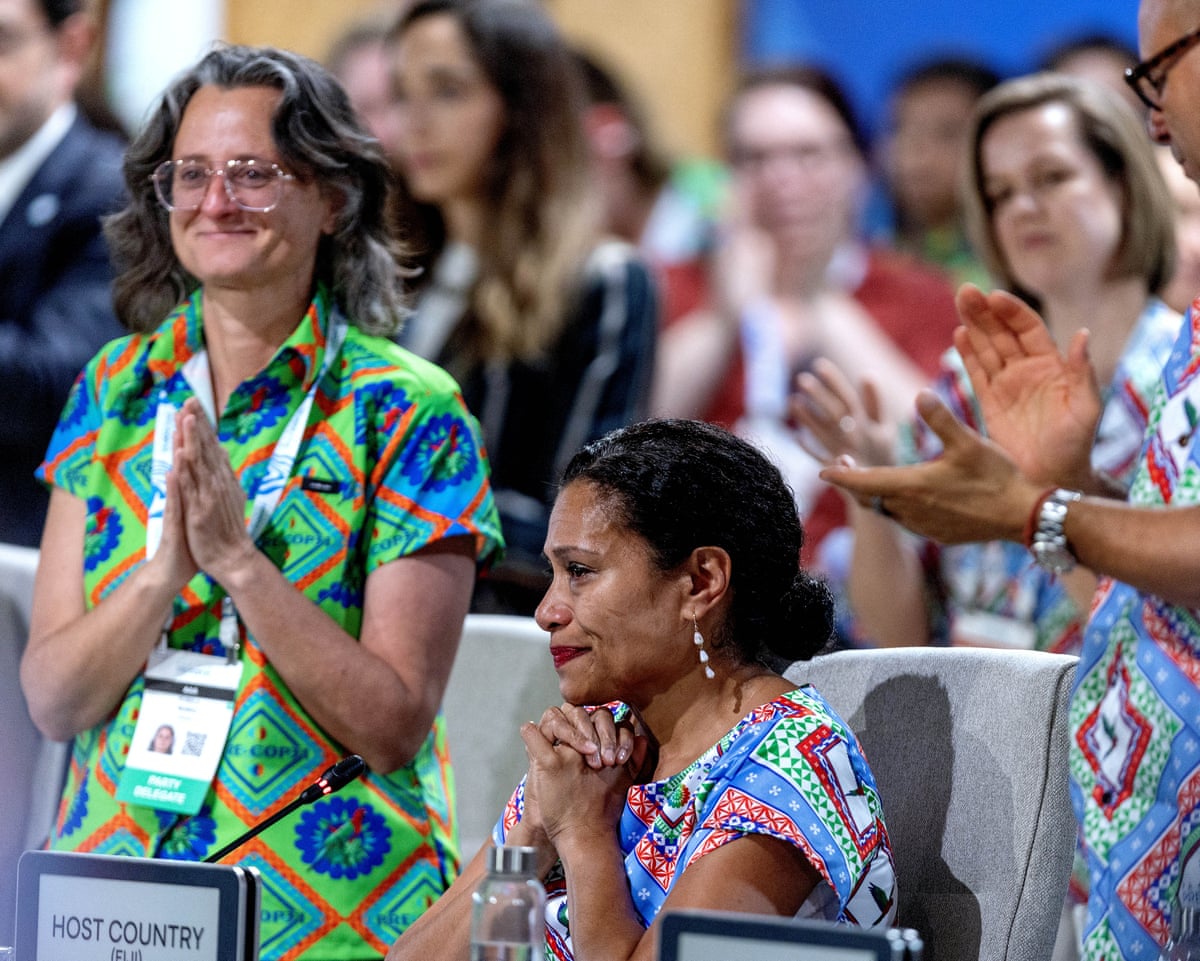
Tabuya urged attendees to "remember the people you met" and "carry something of the Pacific with you", emphasising that while the pre-summit was concluding, "our responsibility does not."
The roughly 190 governments preparing to travel to Antalya face sobering evidence that this responsibility remains unmet. A recent assessment by the UN environment programme warned that even under the most optimistic scenarios, global heating would exceed the 1.5 degrees Celsius target enshrined in the Paris climate agreement. The report called for immediate and sustained emissions reductions, noting that every fraction of a degree of warming prevented would save lives and reduce economic damage.
Throughout the pre-Cop proceedings, Pacific leaders reiterated consistent demands: that countries must take action to "keep 1.5C alive", that climate finance must be readily available to poor and vulnerable nations that did not cause the crisis but face its worst impacts, and that ocean health must receive priority attention.
Australia's climate change minister, Chris Bowen, highlighted a stark disparity in climate finance distribution. He noted that only 0.2% of global climate finance reaches small island developing countries seeking to adapt to climate impacts, with the nations most in need—such as Tuvalu—receiving the least support. "That has got to change," Bowen stated, identifying it as a key priority for Australia's presidency of negotiations.
The pre-Cop meeting also yielded new financial commitments for climate resilience. According to reports from the summit, the Pacific Resilience Facility received fresh pledges including $10 million from Fiji and $13 million from the UK, though the total remains insufficient for the scale of need across vulnerable island states.
Kurum directed sharp criticism at NATO member countries, arguing they should prioritise climate spending far more heavily than defence. He noted that these nations had committed to raising defence budgets to 5% of GDP by 2035 in response to security concerns, yet had pledged substantially less to address the climate crisis despite acknowledging its severity and greater long-term risk. When asked whether climate spending should match defence spending, Kurum responded unequivocally: "Much more."
"The climate issue is the security issue itself," Kurum told through an interpreter. "If you don't spend one unit of money prior to the disasters, then you are left in a position where you have to spend 10 units of money after the disaster. It's cheaper pre-disaster."
Kurum added that $1.5 billion in financing focused on limiting warming to 1.5 degrees could help save the Pacific, framing climate action as an investment in survival rather than a cost. He also criticised the current moment, stating that "today is a time where everyone is running away from responsibility."
Both Kurum and Bowen indicated they would push in Antalya for adoption of a global target to source 35% of energy for homes, businesses, factories and vehicles from renewable sources by 2035, up from the current level of approximately 21%.
The question of how directly the global community should commit to phasing out fossil fuels remains far more contentious. Both Turkey and Australia backed a multi-country statement in Fiji endorsing a global "transition away from fossil fuels", echoing language from the 2023 Dubai climate summit. However, both nations faced criticism and accusations of hypocrisy for continuing to extract and produce fossil fuels while calling for their phase-out.
At the 2023 COP28 summit in Dubai, nearly 200 countries agreed to transition away from fossil fuels in energy systems, though the pledge lacked a detailed implementation roadmap. The absence of specifics has allowed divergent interpretations ever since.
Bowen argued that the path to ending fossil fuel dependence lay not in restricting supply of coal, oil and gas, but in deploying sufficient renewable energy capacity to eliminate the need for fossil fuel power plants. This approach sidesteps direct confrontation with fossil fuel producers.
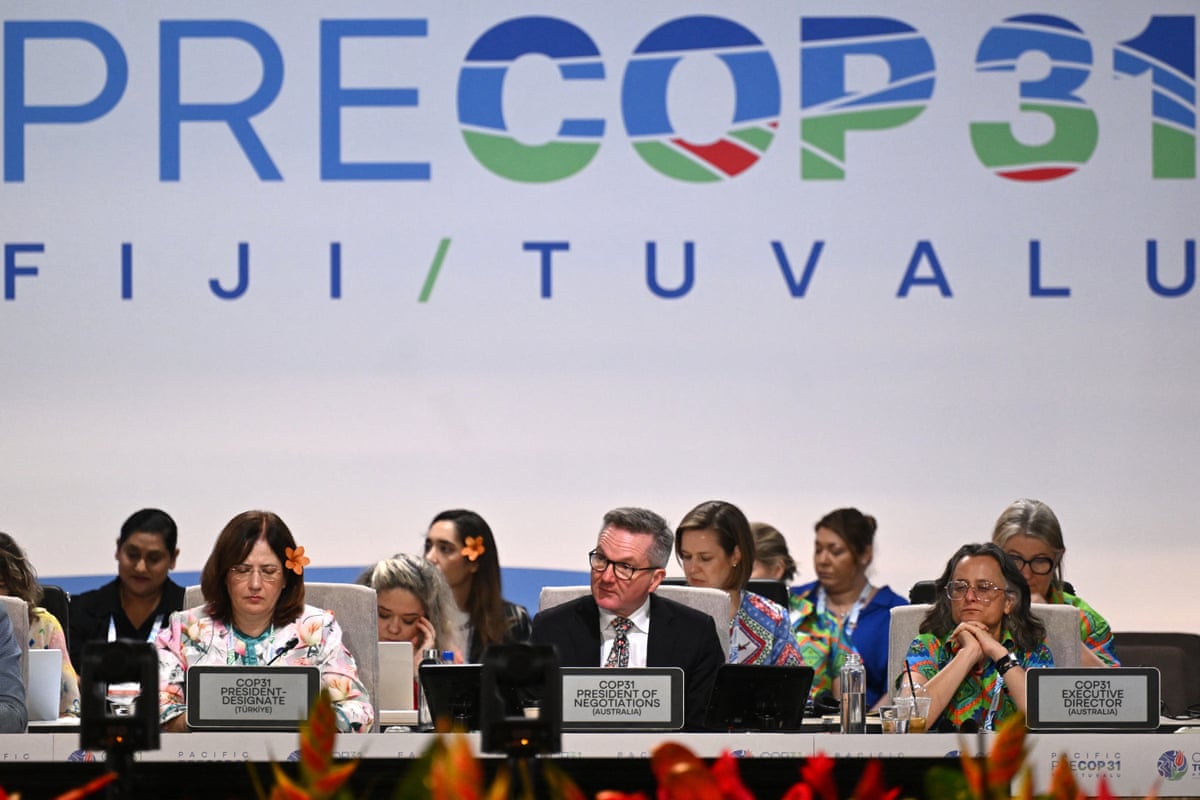
Kurum took a different line, asserting that the world was "already in a transition" and suggesting that further negotiations focused on explicit language about transitioning away from fossil fuels might prove unproductive, as he doubted meaningful progress could be achieved on this wording. Delegates from oil-producing nations including Saudi Arabia and Russia have signalled resistance to stronger commitments on fossil fuel phase-out language.
Frustration with what many countries view as a UN deadlock on fossil fuels has prompted dozens of nations to pursue parallel discussions. These countries are scheduled to convene again in July 2027 in Tuvalu to advance a path away from fossil fuels, and they are pushing for the issue to be formally addressed in an Antalya agreement.
Tzeporah Berman, chair of the Fossil Fuel Non-Proliferation Treaty Initiative, stressed that Pacific leaders in Nadi had been explicit in their call for urgent fossil fuel phase-out. "This means no new projects," she said. "You can't phase something out by building more of it."
Looking ahead to the main summit, the European Union is positioning energy security as central to its case for accelerating the shift from fossil fuels. According to the EU's draft Cop31 position, the transition to renewable energy offers not only climate benefits but also more secure and affordable energy supplies—a framing designed to broaden political support for ambitious climate action.
The cost of hosting the pre-Cop meeting reflected the scale of Australia's climate diplomacy efforts. Bowen disclosed that the Fiji summit cost Australian taxpayers approximately A$20 million, drawn from Australia's A$147 million Pacific climate package. This investment underscores the importance Australia places on maintaining influence over climate negotiations during its presidency of formal talks.
What happens next
Cop31 is scheduled to run in Antalya from 9 to 20 November 2026, with the World Leaders Summit taking place on 11–12 November. EU finance ministers are due to confirm the Council's climate-finance position on 9 October, setting the stage for European negotiating positions at the main summit.