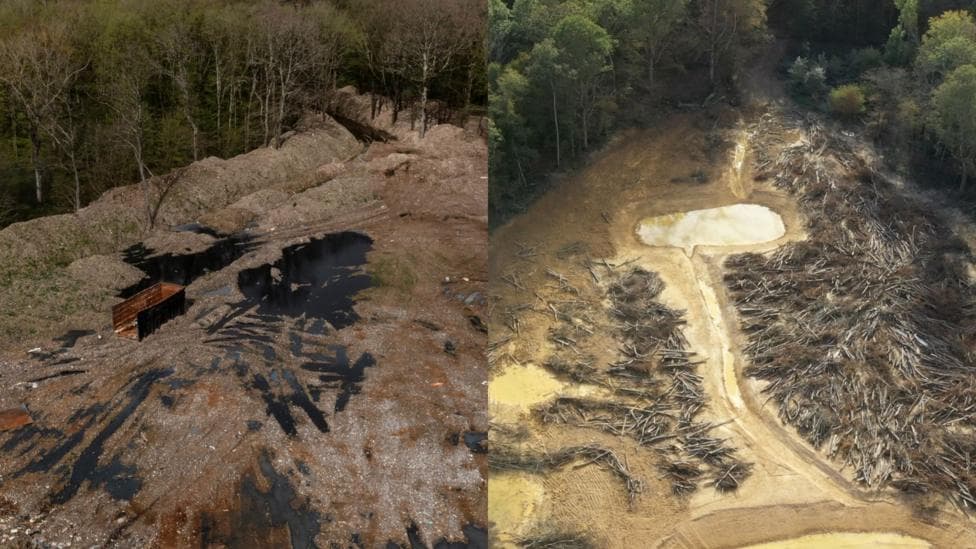
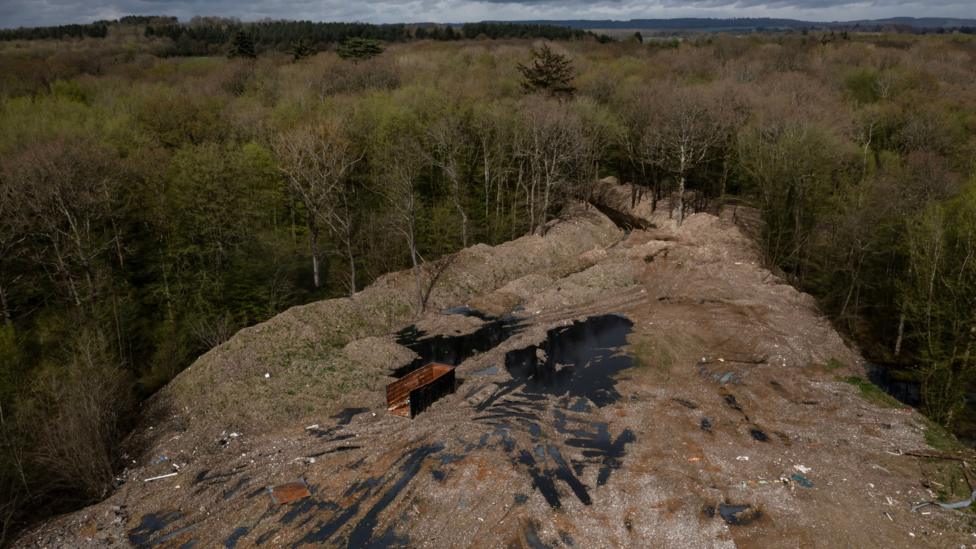
The clearance of a major illegal waste "supersite" at Hoads Wood near Ashford in Kent has been finished after 15 months of work, costing taxpayers £15m. The site, located within a Site of Special Scientific Interest (SSSI) designated for its rare plants and wildlife, had accumulated nearly 40,000 tonnes of waste dumped by criminal gangs over a six-month period in 2023. This represents the first supersite in England to receive central government funding for remediation, with two additional sites bringing the total public expenditure to £26m.
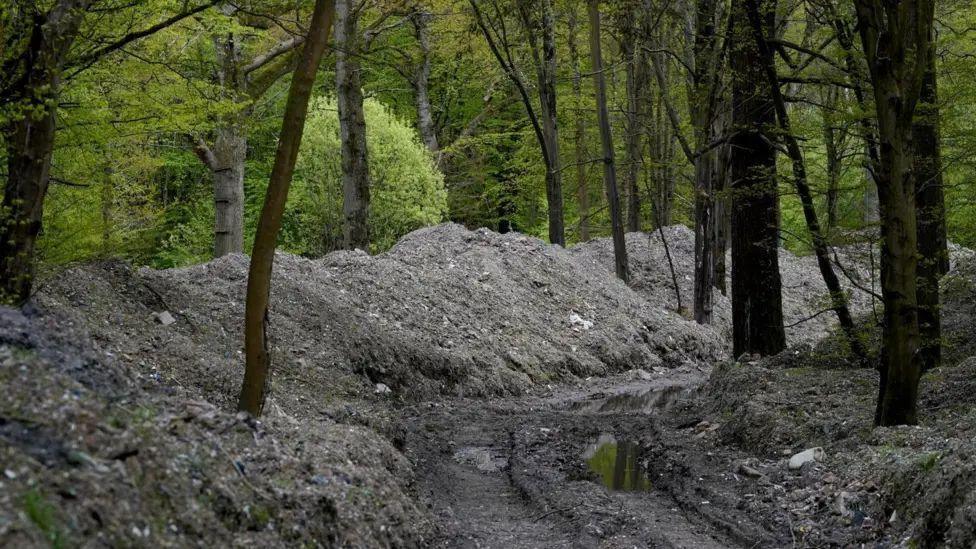
The Environment Agency-led operation commenced in June 2025 and involved removing waste across 183 days using specialist contractors who transported material to a landfill facility in Essex. According to the Environment Agency, the clearance removed 39,500 tonnes of commercial waste, with more than 50 specialist workers participating and Acumen Waste Services Ltd executing the work. The operation required 2,500 lorry loads to remove all dumped material, some of which had been piled to heights of 15 feet (4.6 metres).
How did the illegal dumping occur?
Criminal gangs targeted the ancient bluebell woodland during the summer of 2023, with local residents reporting between 20 and 30 trucks arriving daily at the height of the illegal activity. The Environment Agency responded to initial reports but required time to conduct investigations to establish a robust legal case for obtaining a court restriction order that would close the site to further dumping.
What enforcement action has been taken?
Three men were arrested in February 2025 in connection with the dumping, according to the Environment Agency's investigation, conducted jointly with the Joint Unit for Waste Crime and Kent Police. However, as of October 2025, no prosecutions had been completed. The Environment Agency obtained a court order banning unauthorised access to the woodland following the launch of its criminal investigation in 2023.
Matthew Higginson, the Environment Agency's area environmental manager, explained that the regulator, police and local authorities have established a joint "trigger plan" designed to mobilise law enforcement partners rapidly to prevent similar incidents.
"That will bring all law enforcement partners to work together closely and much more quickly to stop anything like this happening in the future,"he stated.
What are the concerns about future dumping?
Campaigners who organised the 'Rescue Hoads Wood' campaign have expressed anxiety that criminal gangs and opportunist fly-tippers may return to exploit the now-cleared site. One campaign organiser told the media:
"Our biggest fear now is people are going to be able to access this site and start dumping on it again and unless the authorities are quick it will happen again."
In response, the Environment Agency has extended the current restriction order prohibiting access and constructed ditches to render the site inaccessible to waste trucks. The agency continues working with investigators to identify those responsible for the original dumping.
What is the ecological outlook for the site?
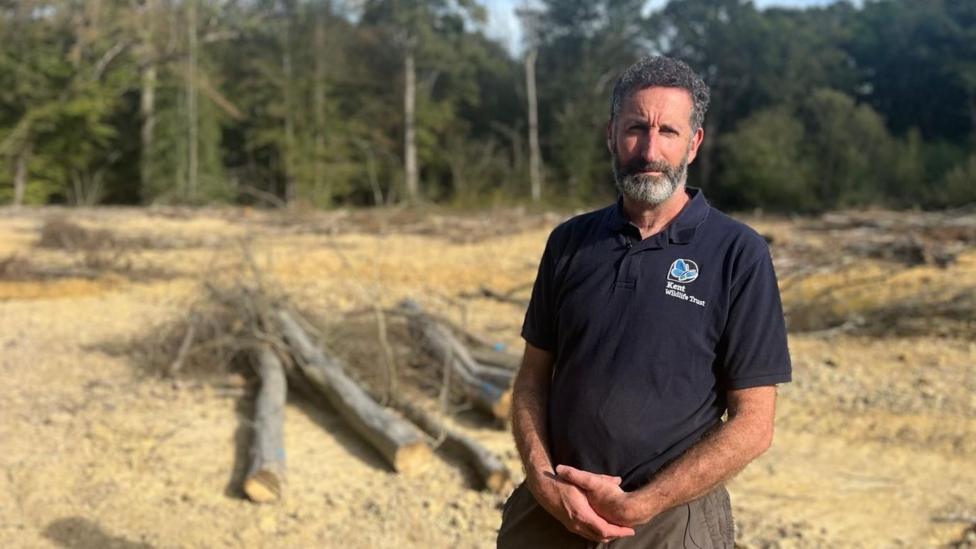
Conservation specialists acknowledge that recovery will be a lengthy process. Ian Rickards, area manager for Kent Wildlife Trust, stated that ancient woodland species would require decades to return to the site. However, he identified potential benefits emerging from the clearance:
"It won't recover as it was but there are benefits to this. You've now got open space within the woodland. You've got wet bodies. You've got ponds. You've got these piles of dead wood as well. All of this will start creating, collecting and attracting wildlife back into here so it'll be fascinating to see how the site recovers."
What is the broader context of waste crime in England?
Hoads Wood represents one of hundreds of illegal waste sites across England, including numerous "supersites" containing more than 20,000 tonnes of rubbish, which were exposed by investigative reporting earlier in 2025. Beyond the £15m spent on clearing Hoads Wood, the government has allocated £6m for remediation of an illegal supersite in Kidlington, Oxfordshire, and a further £4.8m for clearing a third site near Wigan. The government estimates that waste crime costs the country more than £1bn annually.
In August 2025, the government launched a national action plan to address waste crime. Environment Secretary Dame Angela Eagle remarked:
"This government is taking action on the illegal waste sites that have blighted communities. Handing this ancient woodland back to local people, alongside our nationwide clean-up of waste sites, shows just how serious we are about restoring the places people love."
What happens next for the site?
Access to Hoads Wood will remain restricted while the woodland is afforded time to recover naturally. Bethersden Road, which was closed during the clearance works, is expected to reopen later in 2026, with a diversion currently in place. The Environment Agency will continue its investigation to identify those responsible for the illegal dumping, with the joint trigger plan now active to prevent any recurrence of large-scale waste crime at the location.
Key Facts
- Nearly 40,000 tonnes of waste were illegally dumped at Hoads Wood over six months in 2023, with up to 30 trucks arriving daily at the peak
- The 15-month clearance operation cost £15m in taxpayer funding, the first supersite in England to receive central government money for remediation
- Three men were arrested in February 2025; investigations are ongoing with no prosecutions yet completed
- The Environment Agency has extended access restrictions and constructed ditches to prevent future dumping
- Recovery of ancient woodland species is expected to take decades, though new habitats created by the clearance may attract wildlife