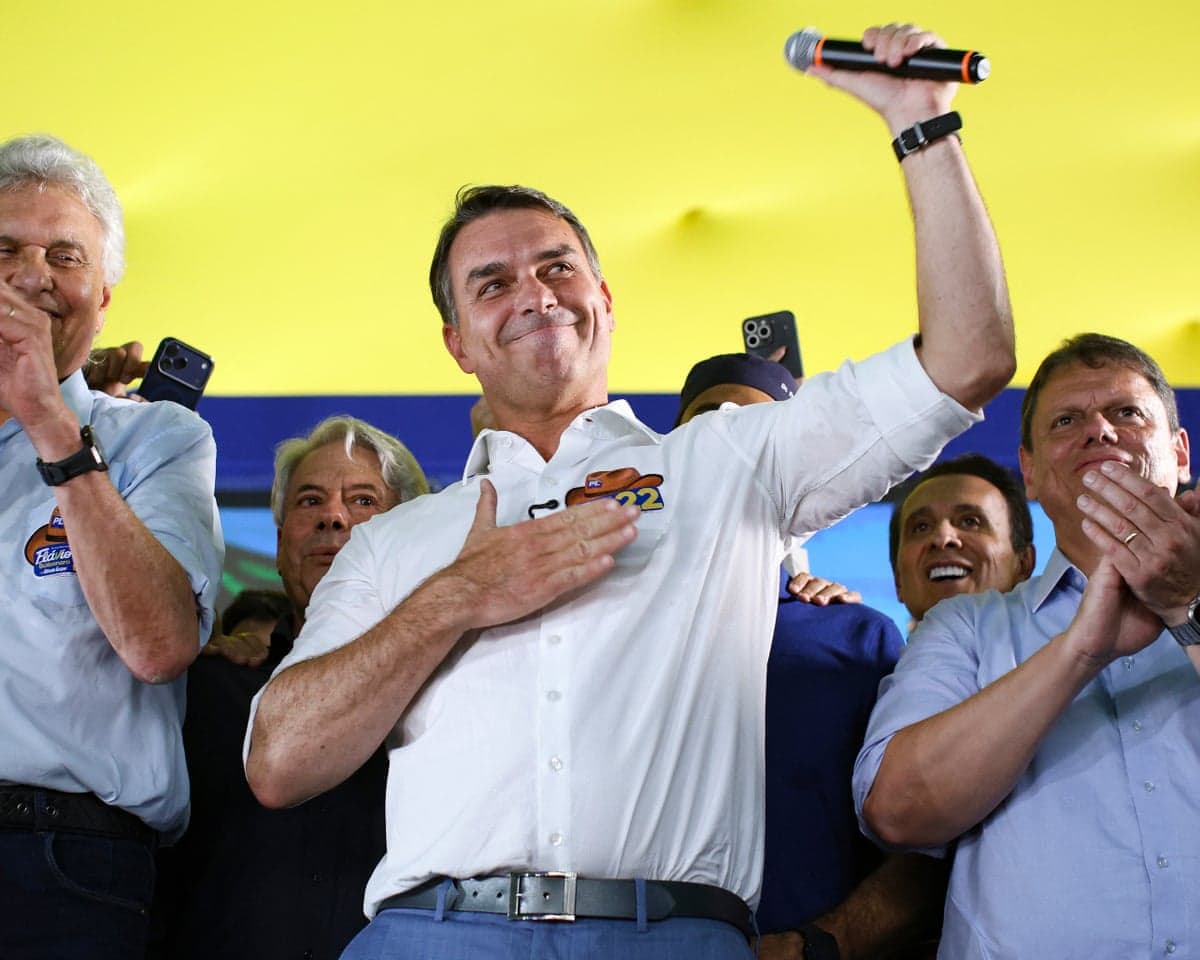
Flávio Bolsonaro's commanding performance in Brazil's first-round presidential election has alarmed environmental campaigners worldwide, raising the prospect of accelerated deforestation and ecological collapse across the Amazon rainforest. The far-right candidate secured 47.03% of valid votes—56.1 million votes according to Brazil's electoral court—establishing a lead of approximately 2.2 million votes over incumbent Luiz Inácio Lula da Silva, who received 45.16% of the vote. The two candidates will face each other in a runoff scheduled for 25 October 2026, with the winner set to take office on 5 January 2027.
The outcome has exposed a stark disconnect between environmental progress and electoral success. Lula's administration has reduced Amazon deforestation by nearly 50% since taking office, yet this achievement has generated minimal political benefit for the incumbent or pro-forest candidates in concurrent elections. Former environment minister Marina Silva failed in her Senate bid, and Joenia Wapichana, a former head of Brazil's Indigenous affairs agency Funai, did not secure a congressional seat. Of 57 environmental candidates, only two won office.
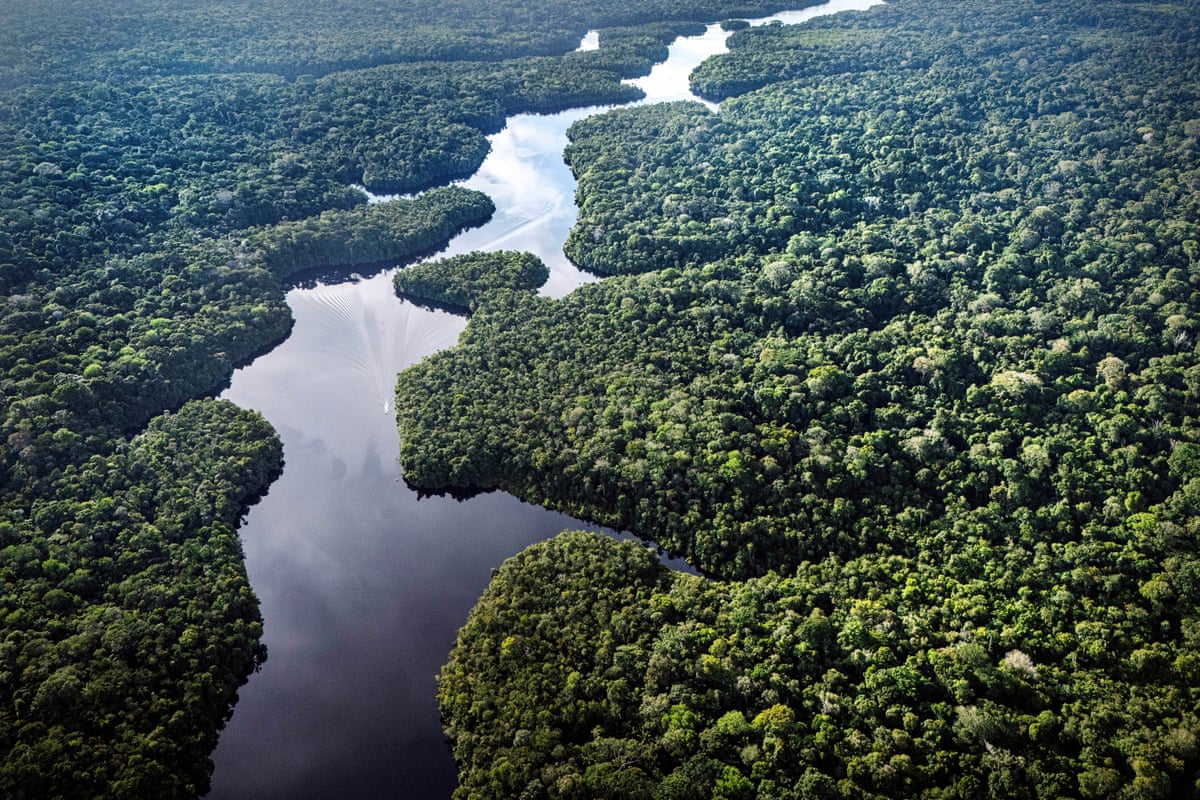
What would a Bolsonaro presidency mean for the Amazon?
A Bolsonaro victory would likely reverse environmental protections and accelerate resource extraction across the rainforest. Flávio Bolsonaro has demonstrated willingness to dismantle climate and nature safeguards and permit illegal mining, logging, and land seizures in Indigenous territories. As a lawmaker, he supported a 2019 bill eliminating requirements for Amazon landowners to preserve native vegetation on their property. His campaign manifesto contains no mention of the climate crisis, and he has cultivated backing from some of the region's most destructive landowners.
Under Jair Bolsonaro's four-year presidency, deforestation surged by 59.5%—with more than 45,000 square kilometres cleared from 2019 to 2022, equivalent to destroying approximately 2 billion trees. Flávio has pledged to end illegal deforestation by 2029, a target less ambitious than Lula's stated goal of zero net deforestation by 2030 through forest loss offset by restoration efforts.
What is the political landscape in Congress and the Amazon states?
The Bolsonaro movement now controls seven of nine Brazilian Amazon states and could secure an eighth in the runoff elections. The family's congressional representation has expanded significantly: Jair's brother Eduardo and mother-in-law Michelle were elected to the Senate, while an uncle and brother won seats in the lower house of deputies. This growing legislative power, combined with a Congress already dominated by agribusiness interests, will make environmental protection nearly impossible to enforce.

Even before this election, Congress had been pushing aggressively to weaken environmental protections. The victorious Bolsonarist candidate for the Amazonian state of Pará was fined $275,000 for unauthorised deforestation of 280 hectares but is now promising to waive such penalties. With Bolsonarist strength in Congress and chaos in the Supreme Court—which has provided partial restraint on uncontrolled expansion by miners, ranchers, and monoculture operators—environmental enforcement will face unprecedented obstacles.
Why did environmental messaging fail to resonate with voters?
An investigation into the election results reveals multiple factors behind voters' apparent indifference to environmental concerns. Social media has played a decisive role, with the far right deploying these platforms far more effectively than the left. During Jair Bolsonaro's administration, his sons operated what became known as a "digital militia," spreading fear and disinformation through WhatsApp groups and other channels; his second son Carlos was indicted by federal police for leading the operation, with environmentalists frequently targeted.
The expansion of US-style Pentecostalism across Brazil, particularly in the Amazon, has shifted the religious and political landscape. This movement is steadily displacing Catholicism and carries different environmental implications. While recent popes have issued pro-nature teachings, many evangelical preachers encourage followers to pursue wealth accumulation as much as moral conduct, creating a theological framework that accommodates extractive industries.
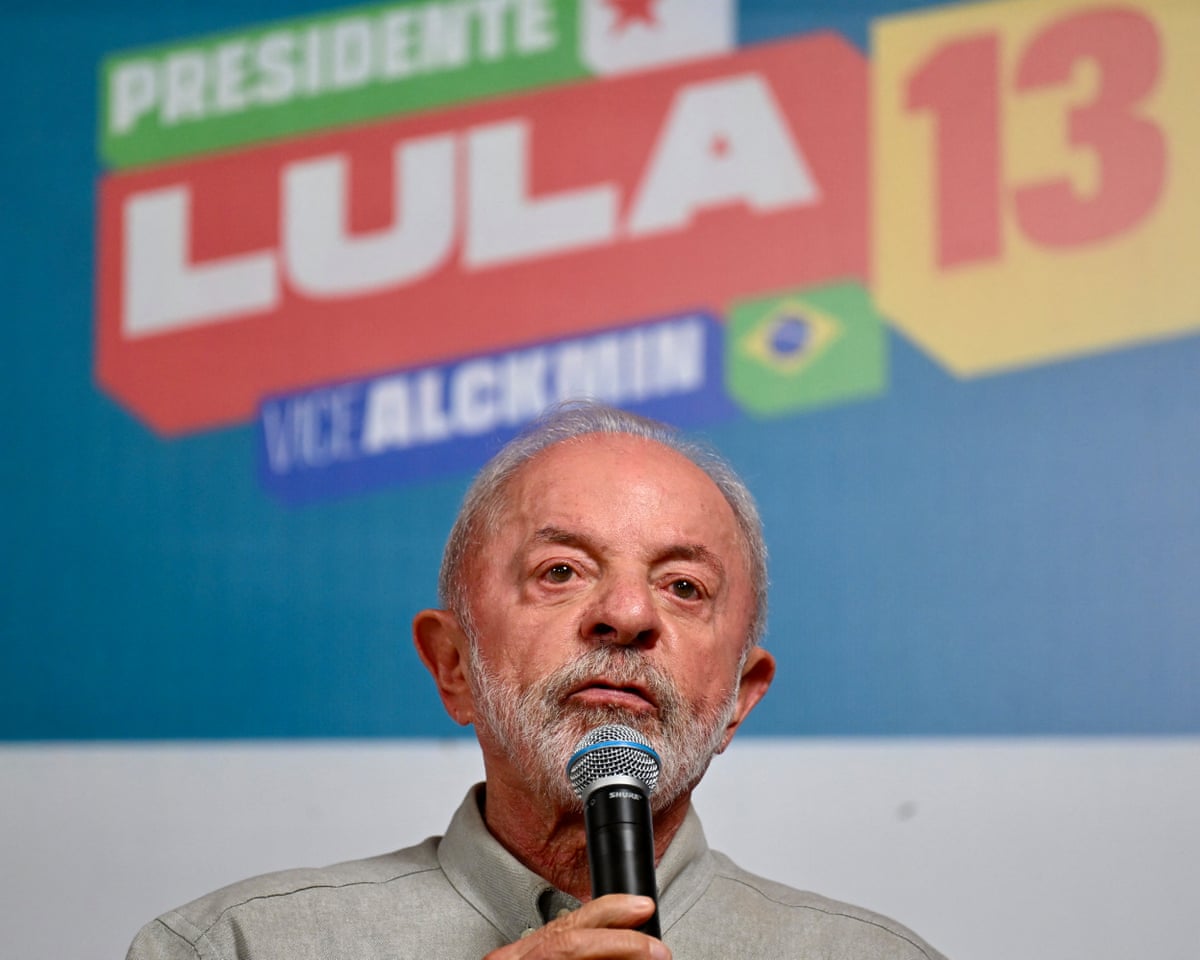
Lula, now 80 years old, has struggled to adapt his messaging to contemporary voters. Though arguably the most iconic and successful Latin American politician of the 21st century, his communication appears less attuned to current public sentiment than during his earlier political career. The Workers Party has faced challenges in an era of weakened unions and has become a victim of its own success: education and social policies that lifted millions from poverty and created expectations for consumption and entrepreneurship, combined with massive agricultural subsidies, have paradoxically turned farmers toward the right wing due to resentment of environmental limits.
How does this fit into broader geopolitical patterns?
Brazil's election reflects a wider global trend in which the far right is consolidating power to expand extractivism despite mounting evidence that capitalist economies are breaching planetary boundaries. Over the past two years, Donald Trump has returned to power in the United States and reasserted American dominance across the Americas. Argentina has already aligned with this rightward shift. Venezuela has faced external pressure over its resources, while Colombia, Peru, and Chile have experienced sharp rightward movements.
The Bolsonaro family has signalled alignment with this international trajectory. Jair Bolsonaro saluted the US flag during his presidency, and his son Eduardo urged the United States to impose tariffs on Brazil to "punish" the government for imprisoning his father. Brazil's intelligence agency has warned that the US attempted to interfere in the election.

What are Lula's remaining chances?
Lula retains a narrow path to victory if he can persuade the millions of voters who abstained in the first round to support him in the runoff. However, the odds favour Bolsonaro: the other candidates together received approximately 9 million votes, now potentially in play for the runoff, and most eliminated candidates positioned themselves on the right, making their supporters more likely to shift toward Bolsonaro. Historically, no first-round leader has ever failed to win a Brazilian presidential runoff.
What happens next?
The presidential runoff is scheduled for 25 October 2026, with the winner taking office on 5 January 2027. The outcome will determine not only Brazil's environmental trajectory but also the fate of the Amazon rainforest—which accounts for approximately 60% of the world's largest rainforest—and potentially the stability of global climate systems. If Bolsonaro prevails, the consequences may extend beyond environmental degradation to threaten democratic institutions themselves.
Voters retain the constitutional right to change their minds before 25 October or again in four years' time. Yet the window for reversing course may be narrowing. A Bolsonaro victory could render future electoral choice meaningless if democratic safeguards are dismantled alongside environmental protections.