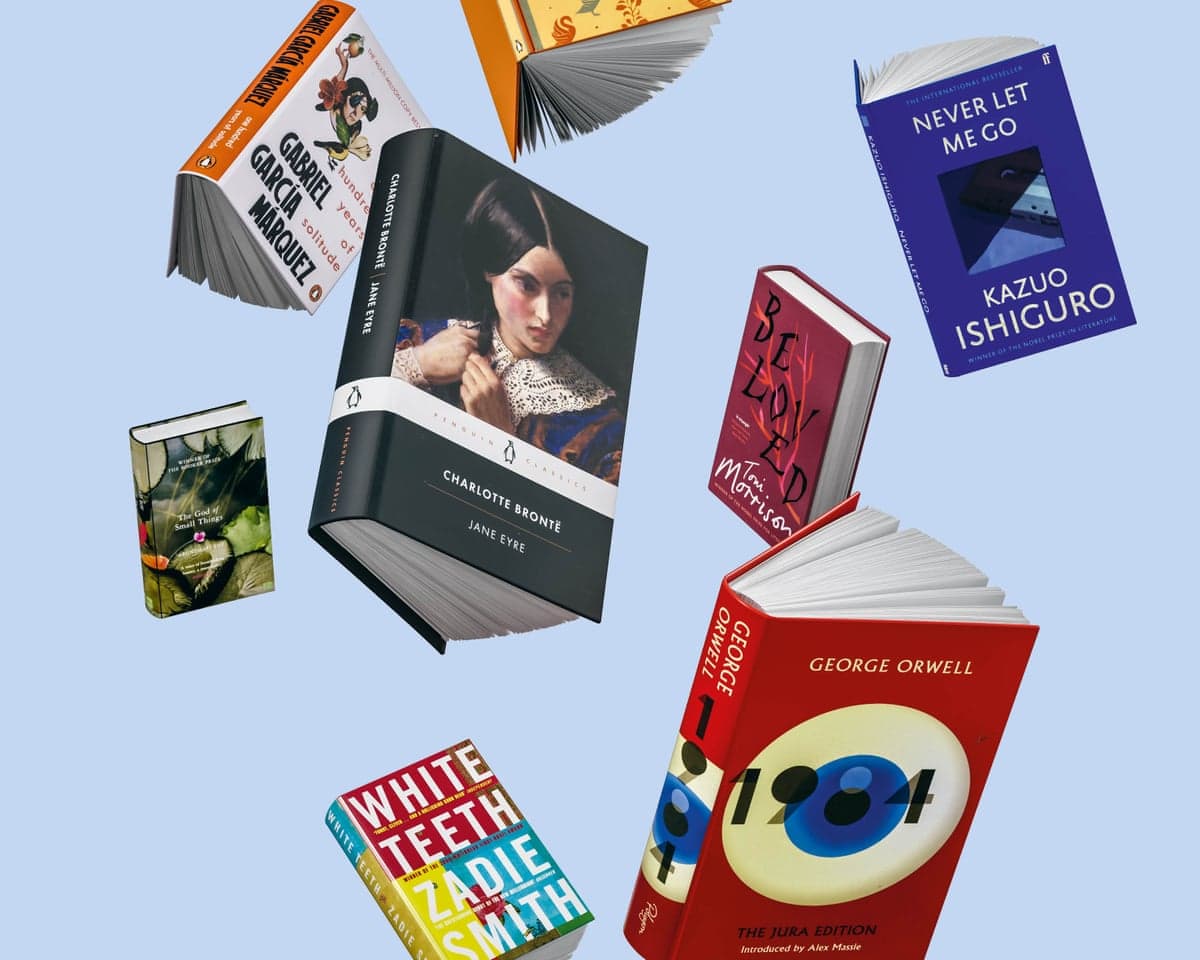
A definitive ranking of the finest novels ever published in English has been compiled through votes cast by authors, critics and academics from around the world. The list represents a consensus view of literary excellence across centuries of English-language fiction. How many titles from this selection have you encountered in your own reading?
This comprehensive survey identifies the most significant works of fiction in the English language, drawing on the expertise and judgment of leading figures in literature and literary scholarship. The voting process brought together perspectives from multiple continents and literary traditions, creating a genuinely international assessment of which novels have most profoundly shaped the development of the form.
The assembled list spans from foundational works of the novel's early development through to contemporary masterpieces, reflecting how literary tastes and critical evaluation have evolved. Each entry represents a work that has demonstrated enduring influence, either through its immediate cultural impact or through its sustained relevance to successive generations of readers and scholars.
Among the authors whose work appears prominently in such rankings are figures like Douglas Stuart and Marlon James, whose recent recognition on the 2026 Booker Prize longlist reflects the ongoing critical reassessment of contemporary fiction. The Booker Prize itself has long served as a marker of literary achievement, with its annual selections influencing how readers and institutions evaluate new work.


The methodology behind this ranking prioritises works that have demonstrated both critical acclaim and reader engagement across time. Novels included tend to exhibit qualities such as innovative narrative technique, psychological depth, social significance or linguistic achievement. The list acknowledges that literary value is not fixed but rather subject to reinterpretation as cultural contexts shift and new readers bring fresh perspectives to established texts.
What makes a novel truly great?
The criteria applied by the voting panel emphasise works that have expanded the possibilities of the novel form itself. Some titles earned their place through revolutionary approaches to storytelling, character development or the representation of human experience. Others have been selected for their capacity to capture the spirit of their era while speaking to universal human concerns that transcend their historical moment.
How was this list compiled?
The voting process involved soliciting nominations and rankings from hundreds of literary professionals across multiple countries and literary traditions. Rather than relying on a single critical perspective or institutional authority, the methodology sought to balance established canonical judgments with more recent critical reassessments. This approach recognises that literary merit encompasses both historical significance and contemporary relevance.
Key Facts:
- The list represents votes from authors, critics and academics worldwide
- It spans the full history of English-language fiction from its earliest developments to recent works
- The selection process prioritised works demonstrating both critical acclaim and enduring reader engagement
- The ranking acknowledges that literary value evolves as cultural contexts and critical perspectives shift over time