Across the rolling countryside of the Garden of England, French champagne house Taittinger is partnering with local growers to produce premium sparkling wine that has earned international acclaim. The venture, Domaine Evremond, opened its visitor centre to the public in 2025 and now welcomes guests to sample its wines amid the vines of Chilham, Kent, marking a dramatic shift in how English wine is perceived globally.
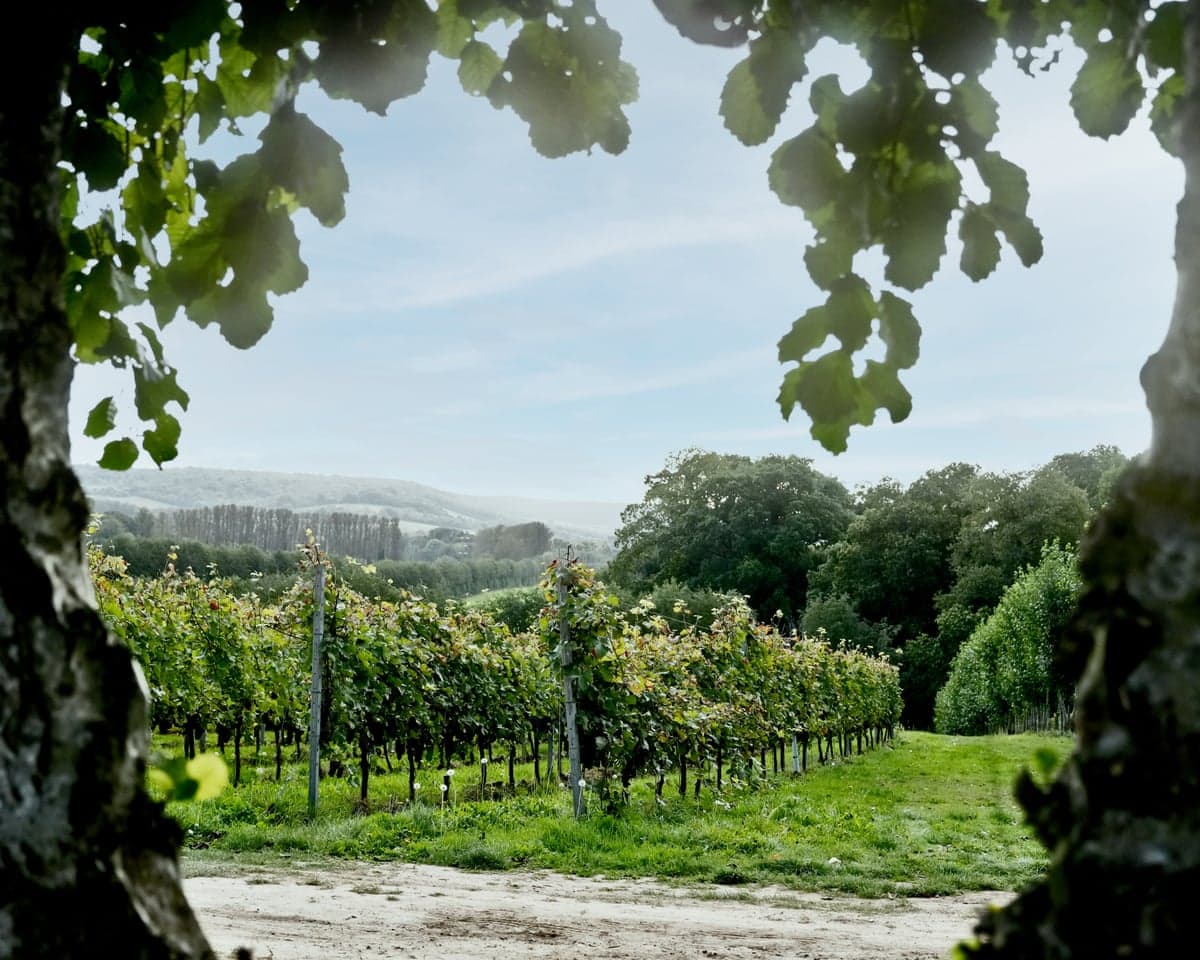
Rows of Pinot Meunier grapes stretch down towards the flint-and-limestone tower of Chilham church, with 51% of the vineyard owned by the French champagne house.
England is now the most exciting wine region, says Hilary Sharp, host and sales executive at the estate, as she guides visitors around the property.
The transformation of English wine from a subject of ridicule to a serious contender has unfolded over three decades. Drinks writer Henry Jeffreys documented this journey in his 2023 book, tracing the industry's evolution from a joke to world-class status. The story of Domaine Evremond itself began in May 2017 with vine-planting at the site, named after a 17th-century exiled French aristocrat who introduced champagne to England and became governor of Duck Island in St James's Park under Charles II.
The vineyard's origins lie in a Franco-British partnership announced in December 2015. Taittinger and its partners acquired 69 hectares of farmland in Kent with an ambition to produce 300,000 bottles annually, establishing what would become one of the county's most significant wine operations.
Wine critic Jancis Robinson awarded the estate's debut release a score of 16 out of 20, describing it as
distinguished. Jeffreys characterised the wine as possessing
bright green apple fruit with a reassuring bass note of croissant and Marmite. The wine gained further prestige when King Charles III selected it to toast French president Emmanuel Macron at a state banquet in summer 2025.
Taittinger's vineyard director, Christelle Rinville, oversees operations at Domaine Evremond, regularly commuting from Champagne to supervise the vines and assess the flinty Kentish subsoils. The estate's 25-metre-deep cellars, excavated by the same company that dug through chalk for the Channel Tunnel, can store 1.5 million bottles in the UK's first subterranean winery, maintaining optimal temperature year-round.
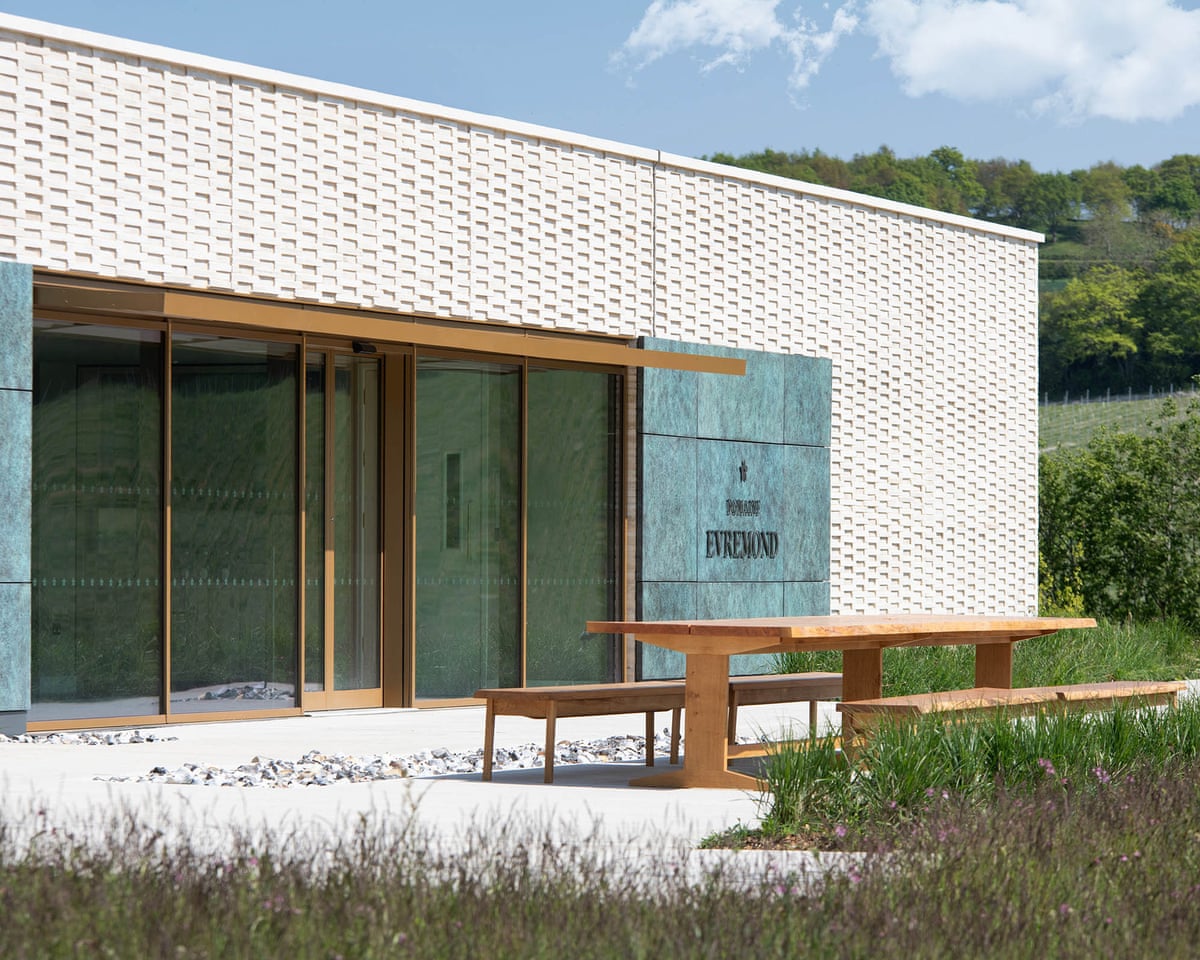
An elegant terrace shaded by umbrellas overlooks the chalk-cliff walls of the winery, furnished with long rustic tables and vases of wildflowers. Visitors can sample the wine at £12.50 per glass or £55 per bottle from Wednesday to Sunday. The cellar door operates with seasonal hours: 10:30–17:30 from October to March and 11:00–18:30 from April to September. The estate also offers scheduled experiences such as the "Flavours of Kent" tasting, with upcoming dates on Sunday 29 March and Sunday 26 April.
Why is English wine thriving now?
Climate conditions in south-east England have shifted dramatically in favour of viticulture. Jeffreys notes that the current climate in the region mirrors that of Champagne during the 1970s, a period when the French region was establishing itself as a world-class producer. The optimal latitude for wine production falls between 30 and 50 degrees north, with Champagne positioned at the northerly edge of this range. Chilham sits at 51 degrees north, a location once considered marginal but now ideal as temperatures rise.
The unirrigated vines at Domaine Evremond have flourished despite the relentless summer heat, with harvests arriving up to three weeks earlier than historical norms. This acceleration reflects broader trends in UK wine production. The UK recorded its third-largest harvest in 2025, driven by a hot summer and increased vineyard planting, with white wine production surging over 131%.
The expansion of English wine production has been supported by growing expertise and investment. The UK wine industry is expanding rapidly due to climate change, innovative techniques, and rising expertise, with production and employment climbing despite ongoing challenges.
What makes Chilham and Kent special?
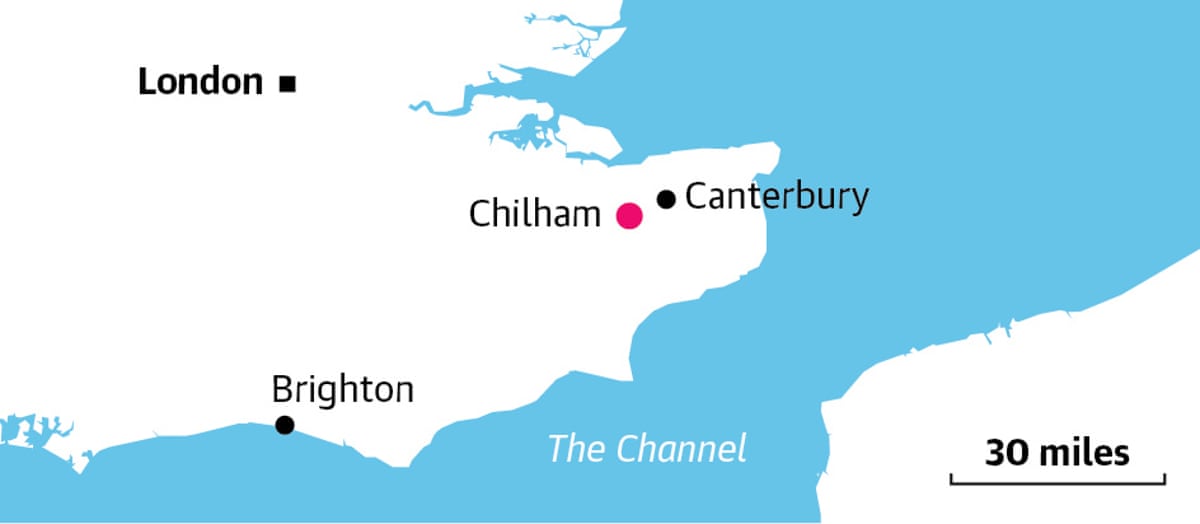
The village of Chilham, situated a short walk from the railway station, sits at the heart of England's wine country. The landscape surrounding the vineyard reveals the agricultural richness of the region. Bearded butter-yellow cobs of sweetcorn burst from pale green husks beside the path, while an old oasthouse stands visible through branches laden with rosy gala apples. The land was purchased in 2015 from the fruit-growing Gaskain family, whose managing director, Mark Gaskain, oversees day-to-day vineyard operations while the family continues to produce approximately 70 million apples annually.
Beyond the vines, an orchard of plums droops under the weight of purple fruit, with crates stacked ready for harvest. Hedgerows tangle with sprawling hops, honey-scented wild clematis, reddening rosehips and wine-dark blackberries. Sparrows forage on early-ripened hawthorn beneath arching beech and sweet chestnut trees, while ancient ivy-wreathed hedge maples and squirrel-haunted hazels frame the landscape. Towering poplars support huge clumps of mistletoe.
Cottage gardens overflow with late summer roses, scented lavender and aromatic catnip. Wisteria clings to walls, and mud-built house martin nests shelter late fledglings still cheeping beneath half-timbered eaves, while gathering swallows twitter on the wires.

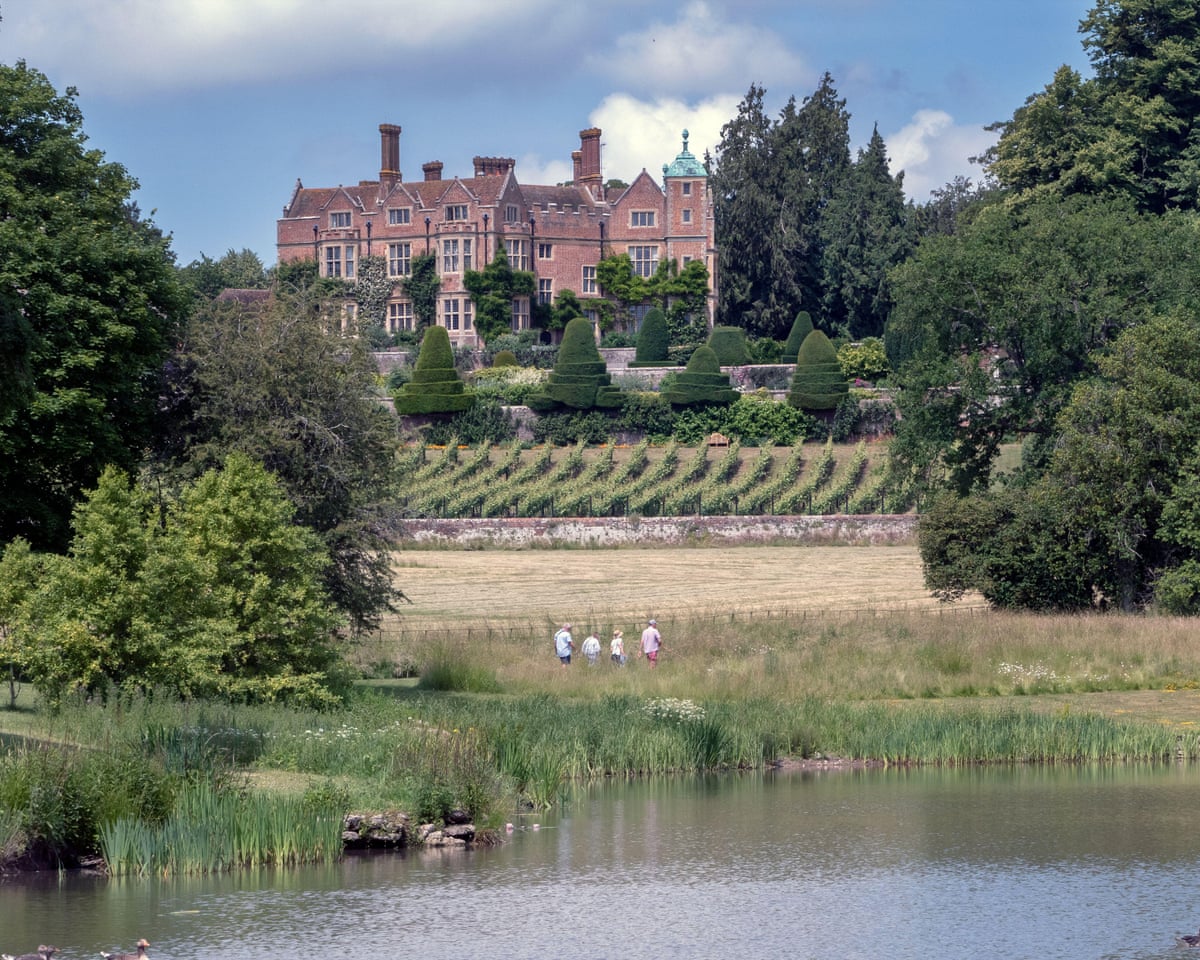
The flint-walled church of Chilham dates back centuries and marks a significant point on the pilgrim route to Canterbury. Across the square stands creeper-covered Chilham Castle, a Jacobean structure whose grounds were landscaped by the celebrated 18th-century designer Capability Brown. The castle's gardens now include a new vineyard, reflecting the region's commitment to wine production.
The River Stour flows nearby, framed by weatherboarded Chilham Mill, willowherb and ripe elderberries. Turquoise damselflies hover among loosestrife and waterlilies as the river sparkles in the sun.
Where to stay and eat
The Woolpack Inn, located in the village, offers accommodation and dining that reflects the local wine culture. Following a multimillion-pound renovation several years ago, the establishment features suites and bedrooms named after Kentish vineyards. Rose Cottage, situated across the lane, provides larger rooms with private gardens. The brick-walled bar contains a curving window seat, weathered oak beams, prints, plants and quirky lighting. A 600-year-old olive tree grows in the garden, which carries a Mediterranean atmosphere with pink hydrangeas and agapanthus.
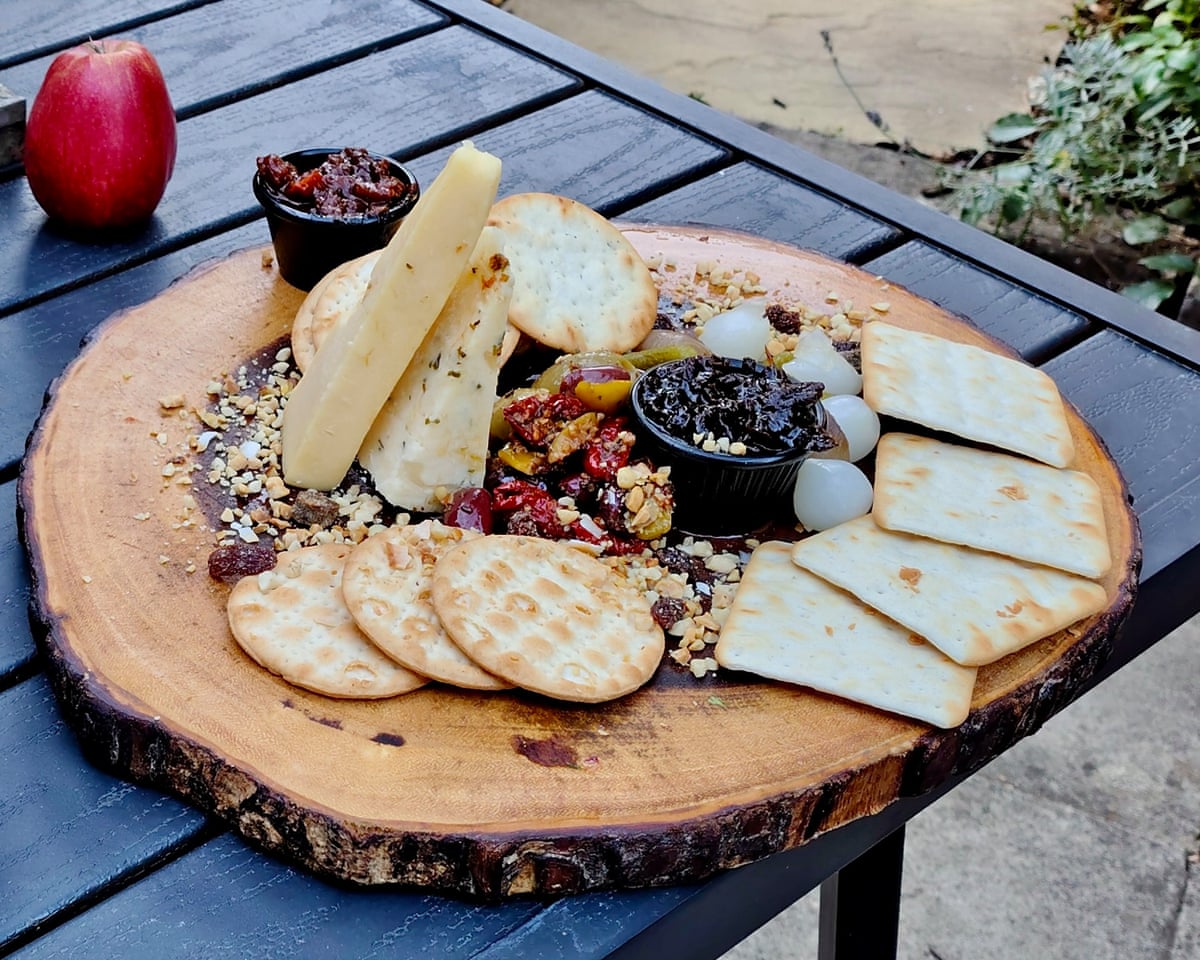
The
Woolly cheeseboardrepresents the inn's signature offering—more installation than meal, with applewood-smoked and creamy goat cheese artfully arranged among crackers, olives, nuts, dried fruit, chutneys and tangy homemade pickles, all served on a slice of tree trunk. Pints of Shepherd Neame's toffee-appley Master Brew from Faversham pair well with the spread, as do glasses of the local cuvée at cellar door prices.
Kent's wine industry at a glance
Domaine Evremond helped establish the Kent Wine Alliance, a collaboration of vineyards across the county. In August 2026, a new tourism initiative launched to encourage visitors to explore
England's largest and most awarded wine region. Kent is home to 120 commercially active vineyards and accounts for more than 25% of Britain's vines by area. Last year's harvest produced more than five million bottles, demonstrating the scale of the industry's growth.
The commercial reach of Domaine Evremond has expanded beyond direct sales. Sogrape was appointed exclusive distributor of Domaine Evremond in February 2026, opening new market channels for the wine. The estate's official contact details are available at Chalk Hill, New Cut Road, Chilham, Canterbury, CT4 8DT, telephone 01227 696 055.
From the train window, after hours of walking through wooded hills and orchards heavy with fruit, several vineyards roll past, glowing in the evening sunlight—a visible reminder of how thoroughly the English countryside has embraced wine production.
Five more Kent vineyards to visit
Balfour Winery
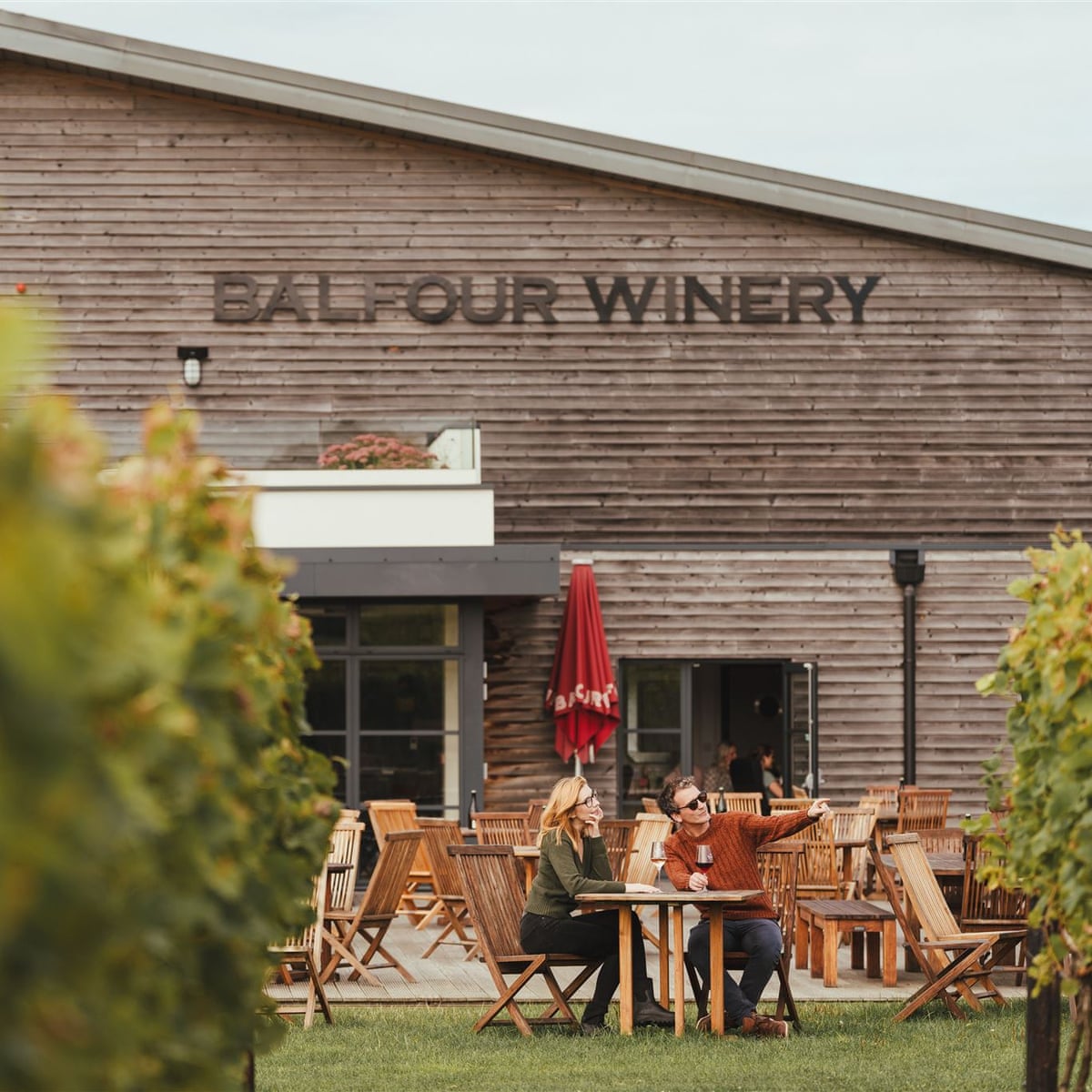
This estate produced the first English wine to win a gold medal and trophy at an international competition for its 2004 Brut Rosé. Most days, visitors can collect a map at the Cellar Door and wander freely around the vineyards, orchards, wildflower meadows and ancient oakwoods, or book a range of experiences starting from £15 per person for a self-tutored tasting. A free shuttle service runs to Balfour from Marden train station Friday to Sunday, taking 45 minutes from London or Canterbury.
Biddenden Vineyards
Located five miles from Tenterden, Biddenden is the oldest vineyard in Kent. The Barnes family, originally apple growers, entered viticulture in 1969 after Joyce Barnes heard a segment about English wine-growing on Radio 4's Woman's Hour and decided to plant vines. The estate continues to sell apple juice and cider alongside wine. Experiences run from May to September, starting from £15 for a self-guided tour and tasting flight, with a new behind-the-scenes production tour and tasting added for the colder months at £30.
Chapel Down
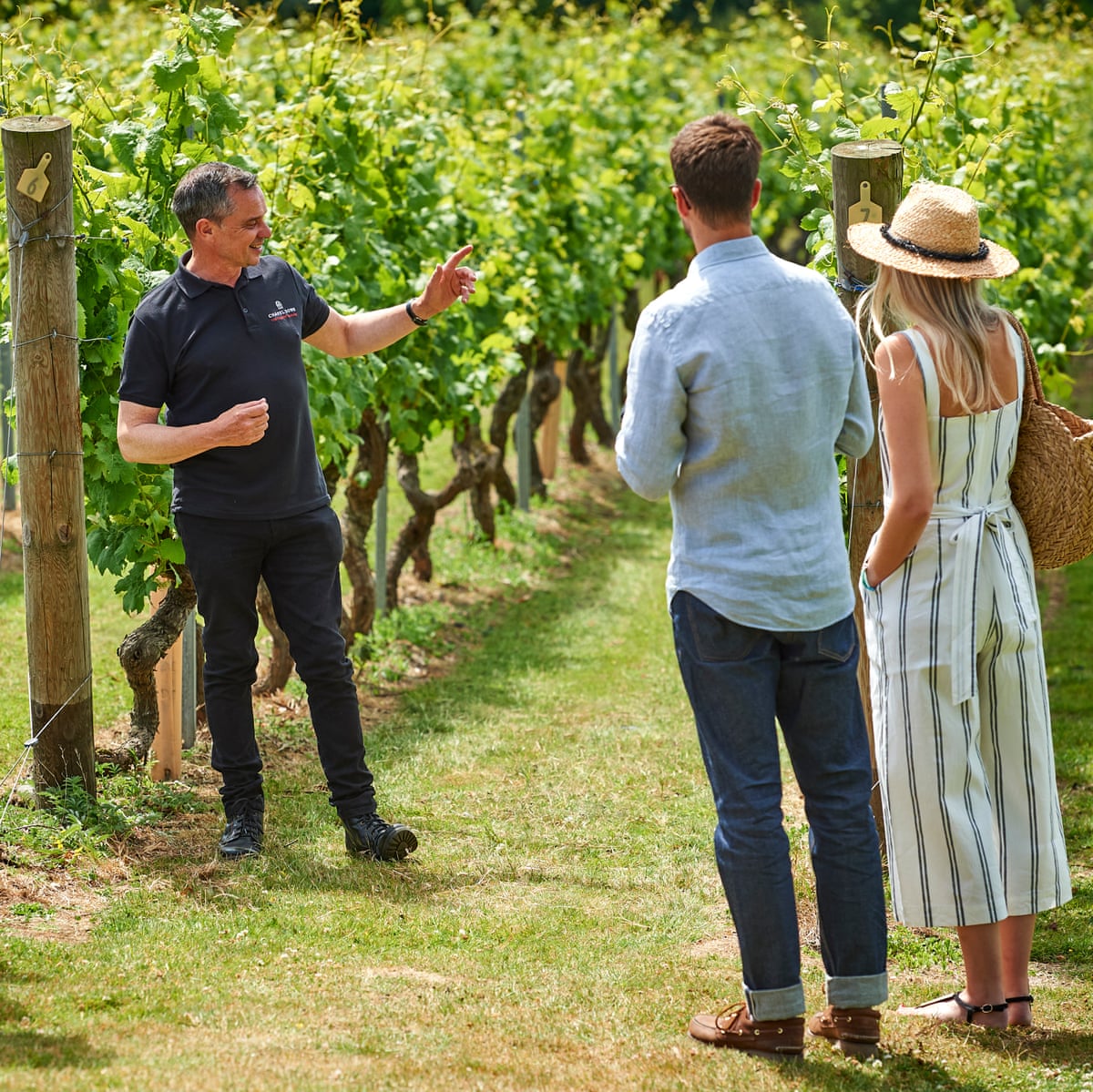
Situated near Tenterden, Chapel Down is England's largest wine producer, with bottles stocked in numerous supermarkets. The operation sources fruit from more than 700 acres of vineyards across south-east England. Located a half-hour taxi ride from Ashford International, it offers various tours and tastings, including a cheese and wine pairing at £70.
Simpsons' Wine Estate
Ruth and Charles Simpson began making wine in Languedoc in 2002 before establishing their Kent operation in 2012, which they describe as
one of the most dynamic wine-producing regions of the world. Experiences include tastings from £25 on a glass-walled mezzanine floor in the winery with velvet sofas and an optional helter-skelter slide for descent after sampling their still and sparkling wines.
Westwell Wine Estates
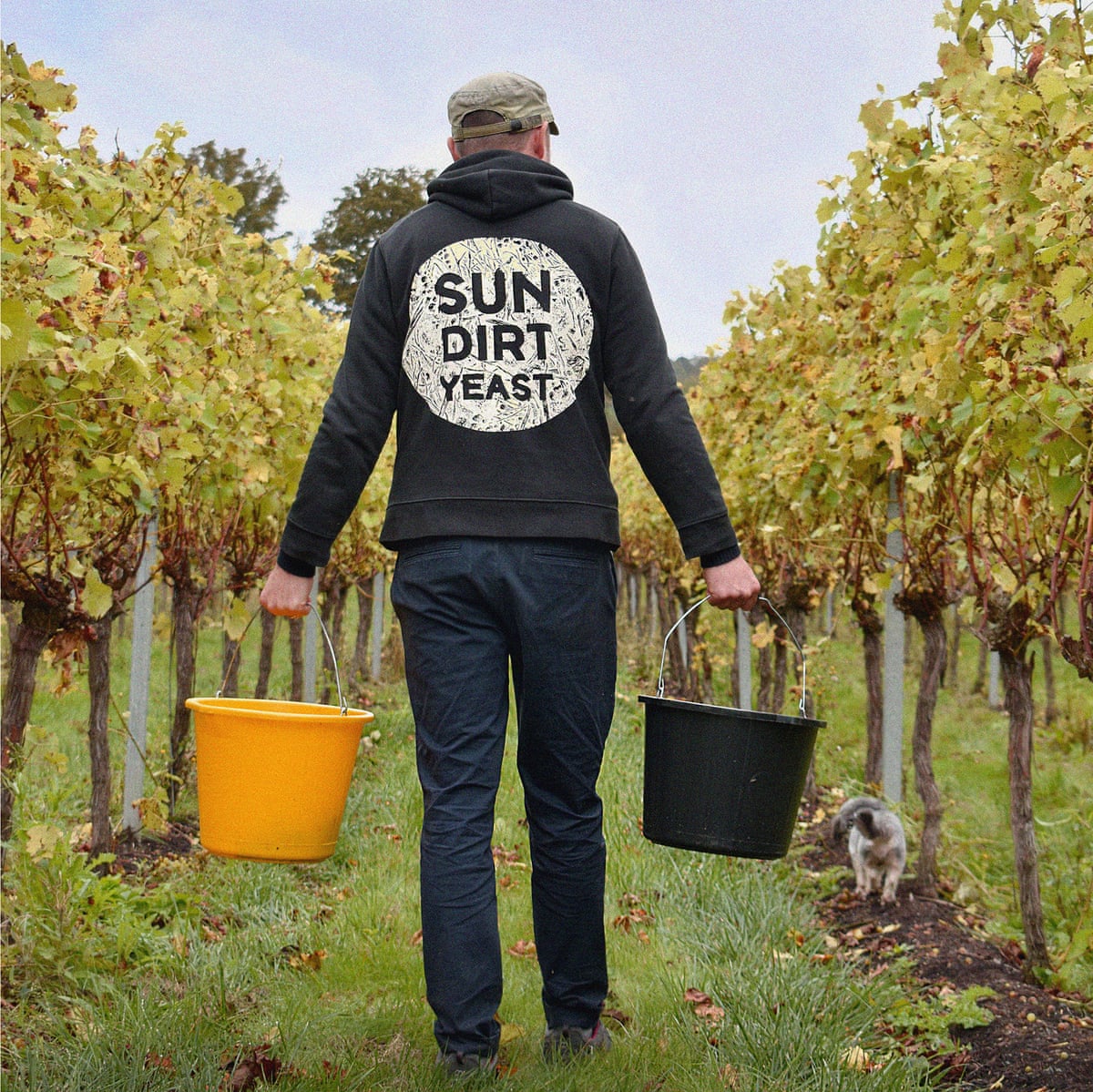
Positioned on the edge of the Kent Downs, Westwell is close to Charing station and a short walk from the Pilgrims' Way. The vineyard is recognised for experimental approaches, including wild yeasts, small-scale production and cloudy, naturally sparkling wines. Alongside regular tours, the estate hosts Friday pizza nights and seasonal supper clubs. A tour and tasting costs £28.
What happens next
Domaine Evremond continues to expand its visitor offerings. The estate has scheduled
Flavours of Kentexperiences on Sunday 29 March and Sunday 26 April, allowing visitors to book in advance. Regular cellar door access remains available Wednesday to Sunday throughout the year, with hours adjusted seasonally to accommodate changing daylight and visitor demand.