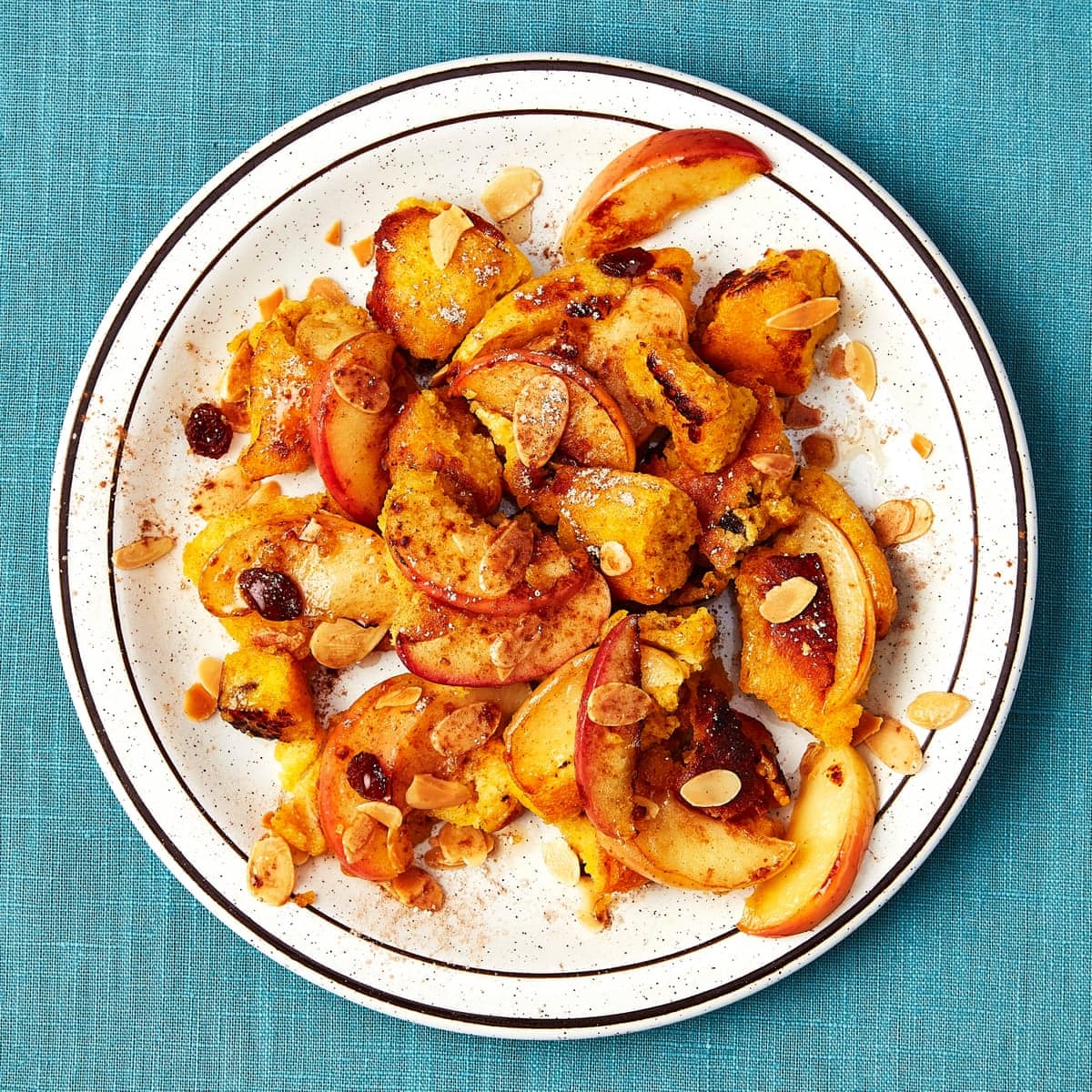
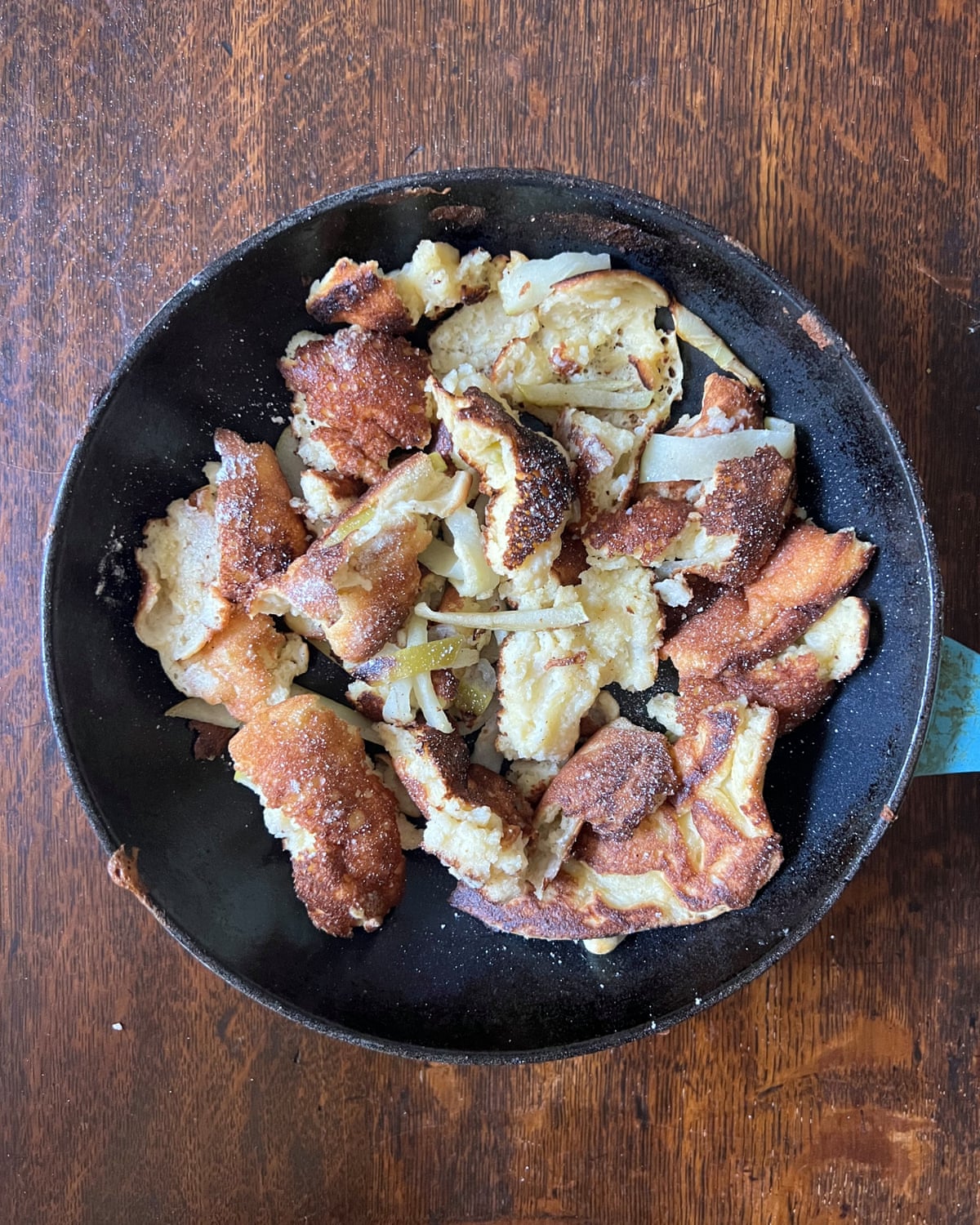
Apfelschmarrn, a fruity Central European pancake dish that straddles the line between main course and dessert, represents peasant cooking at its finest: filling, straightforward and deeply satisfying. The English term "pancake" somewhat undersells this preparation, which bears little resemblance to the delicate, lacy crepes we typically associate with that word. Instead, it occupies a middle ground between the plump, rich pancakes of Shrove Tuesday and a soufflé-like creation. While you'll encounter it on dessert menus throughout Austria and Germany, the dish functions equally well as a savoury main—particularly when paired with sausages—because it is remarkably substantial and not overly sweet in flavour. Its speed of preparation, taking merely ten minutes from start to finish, makes it an ideal quick supper option.
With roots in Austro-Hungarian cuisine, apfelschmarrn appears across both Germany and Austria in numerous regional variations. Beyond the fruit-forward apple version, you'll find kaiserschmarrn studded with rum-soaked raisins, savoury potato schmarrn, semolina schmarrn and bread schmarrn. Contemporary recipe collections continue to celebrate these distinctions: Styrian and Old Viennese variations have been updated recently, while Bavarian interpretations show the dish remains actively reimagined across Alpine regions. Whether served as a main course or afterwards, this versatile preparation deserves a permanent place in your cooking repertoire, especially when accompanied by soured cream or ice cream.
What makes the batter work?
The foundation of apfelschmarrn differs fundamentally from standard pancake batters. All versions begin with the same basic components—eggs, flour and milk—but the critical distinction lies in how the egg whites are treated. Rather than simply mixing them in, you whisk the whites separately and then fold them into the batter, creating a soufflé effect that prevents this inherently hearty dish from becoming leaden. The proportions of each ingredient, however, make a substantial difference in the final result.
Some recipes, such as the one in The German Cookbook, call for more than twice as much flour as most alternatives, along with additional milk, yielding a flat, dense pancake that tastes pleasant but lacks the lightness of lighter versions. Conversely, Ernest R Schulz of Larchmont, New York, who submitted his recipe in response to a food editor's description of kaiserschmarrn as a rolled crepe, uses a milk-to-flour ratio of nearly one-to-one, producing a very liquid batter that's wonderfully smooth to eat but challenging to flip in the pan.
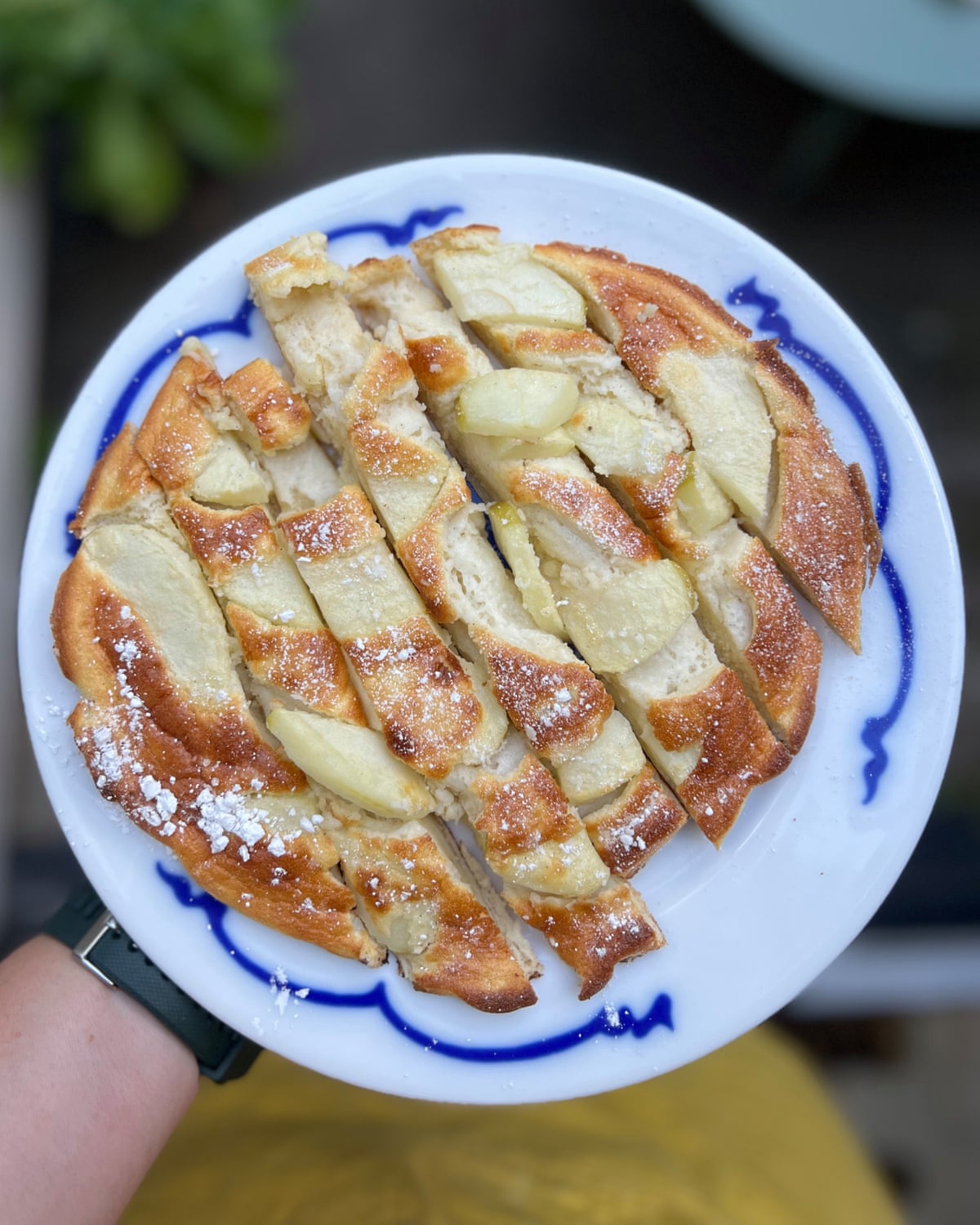
Tasters consistently prefer the more egg-heavy recipes, which deliver superior lightness and fluffier texture alongside richer flavour. Using equal proportions of milk and cream, as some recipes suggest, enhances the result further, though additional milk works perfectly well if cream is unavailable. The treatment of egg whites also matters: some cooks beat them to stiff peaks, others to soft peaks, and still others to medium peaks. Stiffer meringues prove harder to fold in evenly and seem to lose more air during cooking, so a soft, creamy foam strikes the best balance.
How should you flavour the batter?
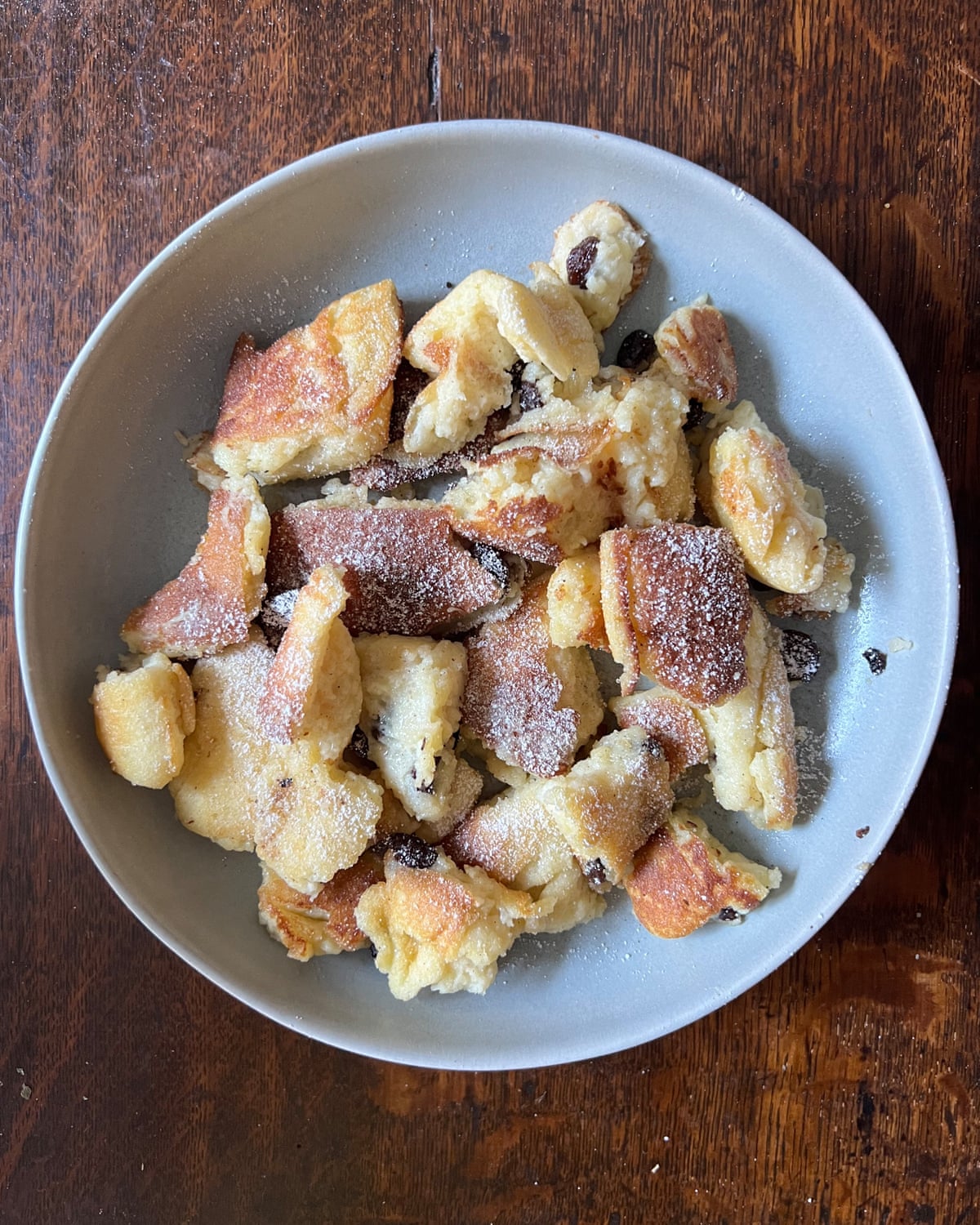
Apfelschmarrn is deliberately restrained in sweetness; most recipes use barely a teaspoon of sugar, though some cooks are more generous. Adjust the sugar level according to your audience's preferences, keeping in mind that the finished dish will be dusted with icing sugar before serving. Beyond the base batter, most recipes incorporate additional flavourings. Vanilla appears frequently, whether as vanilla sugar, fresh seeds or extract, while lemon zest is equally common. Some cooks add cinnamon and rum, others kirschwasser—all excellent combinations that enhance the apple without overwhelming it.
What's the best way to incorporate the apples?
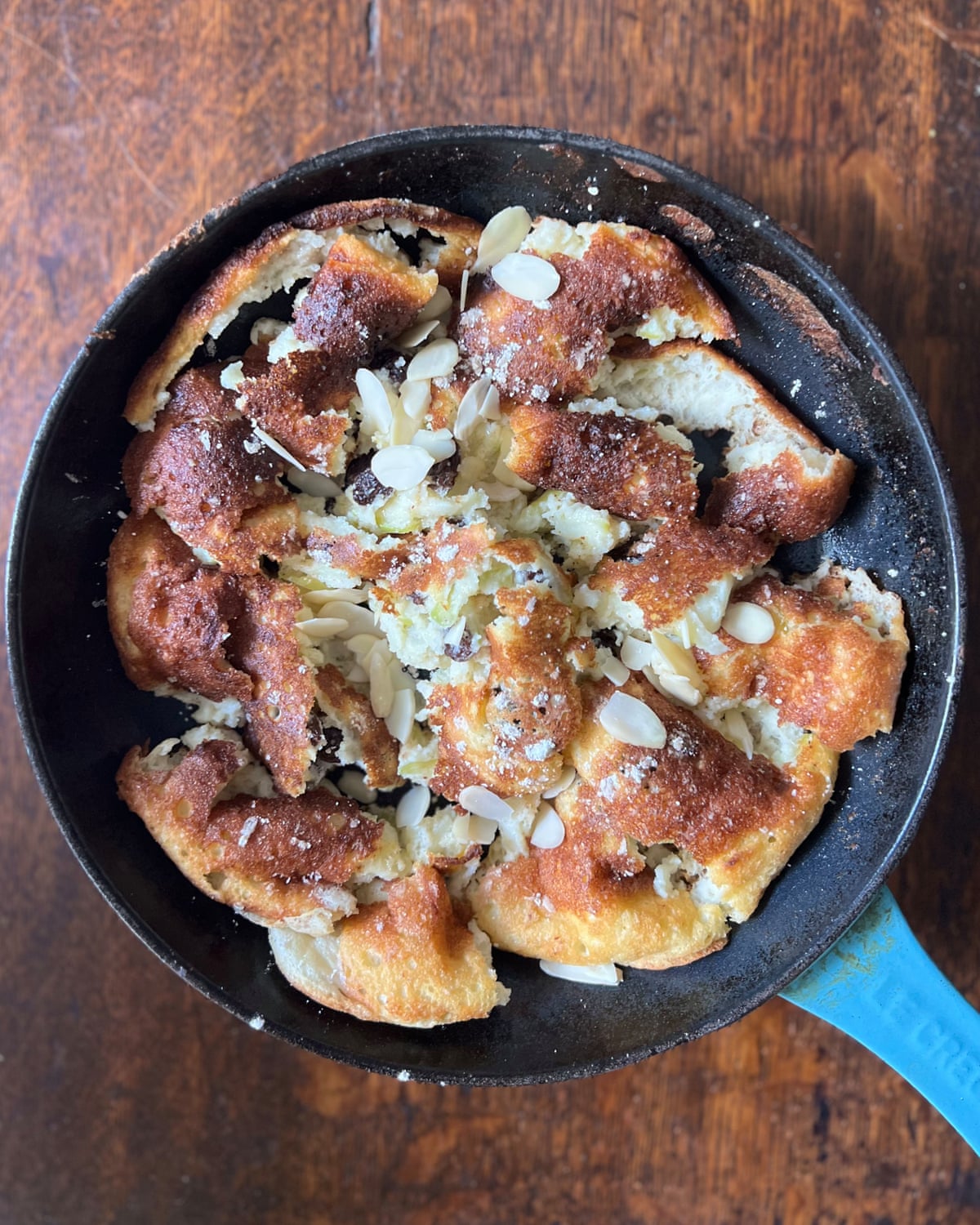
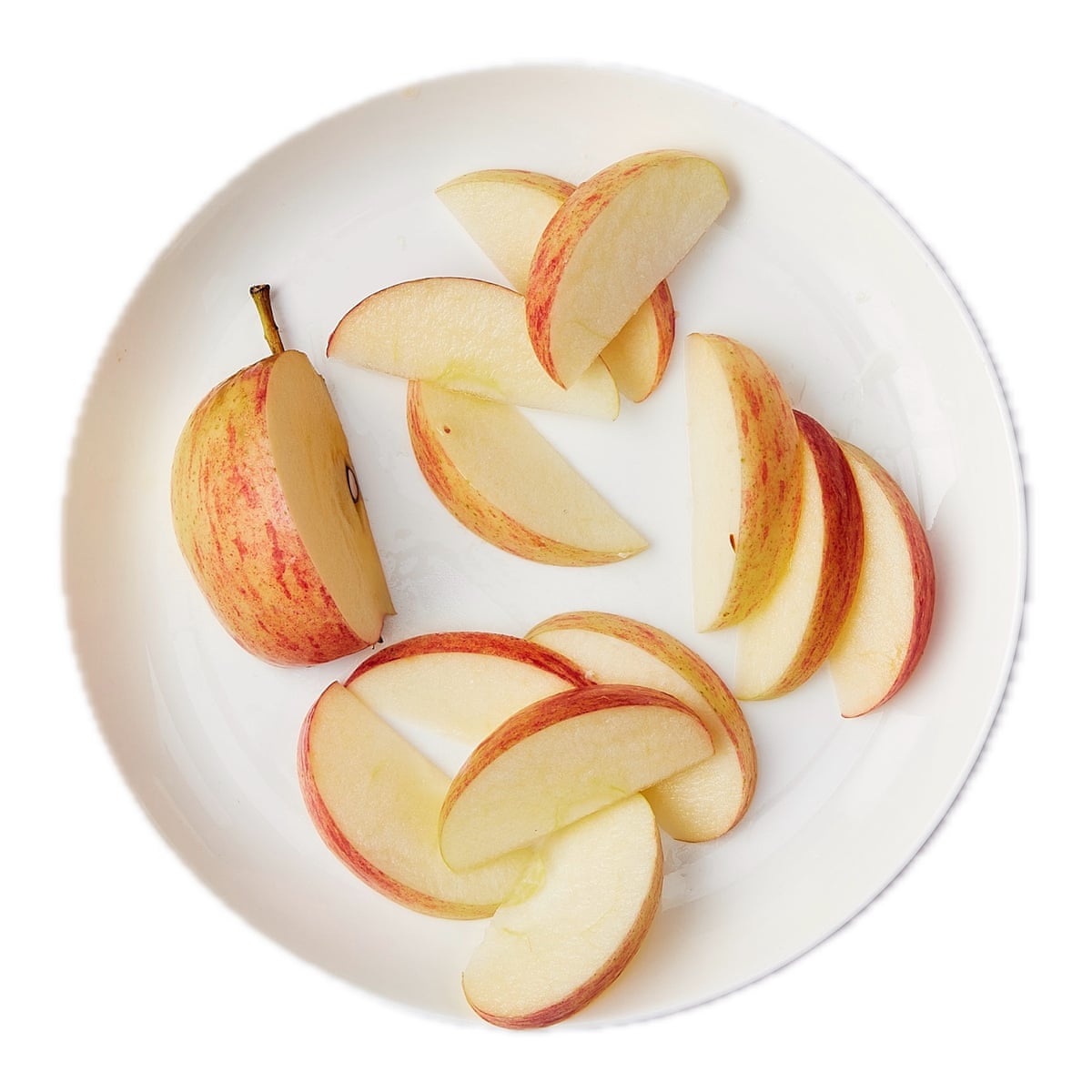
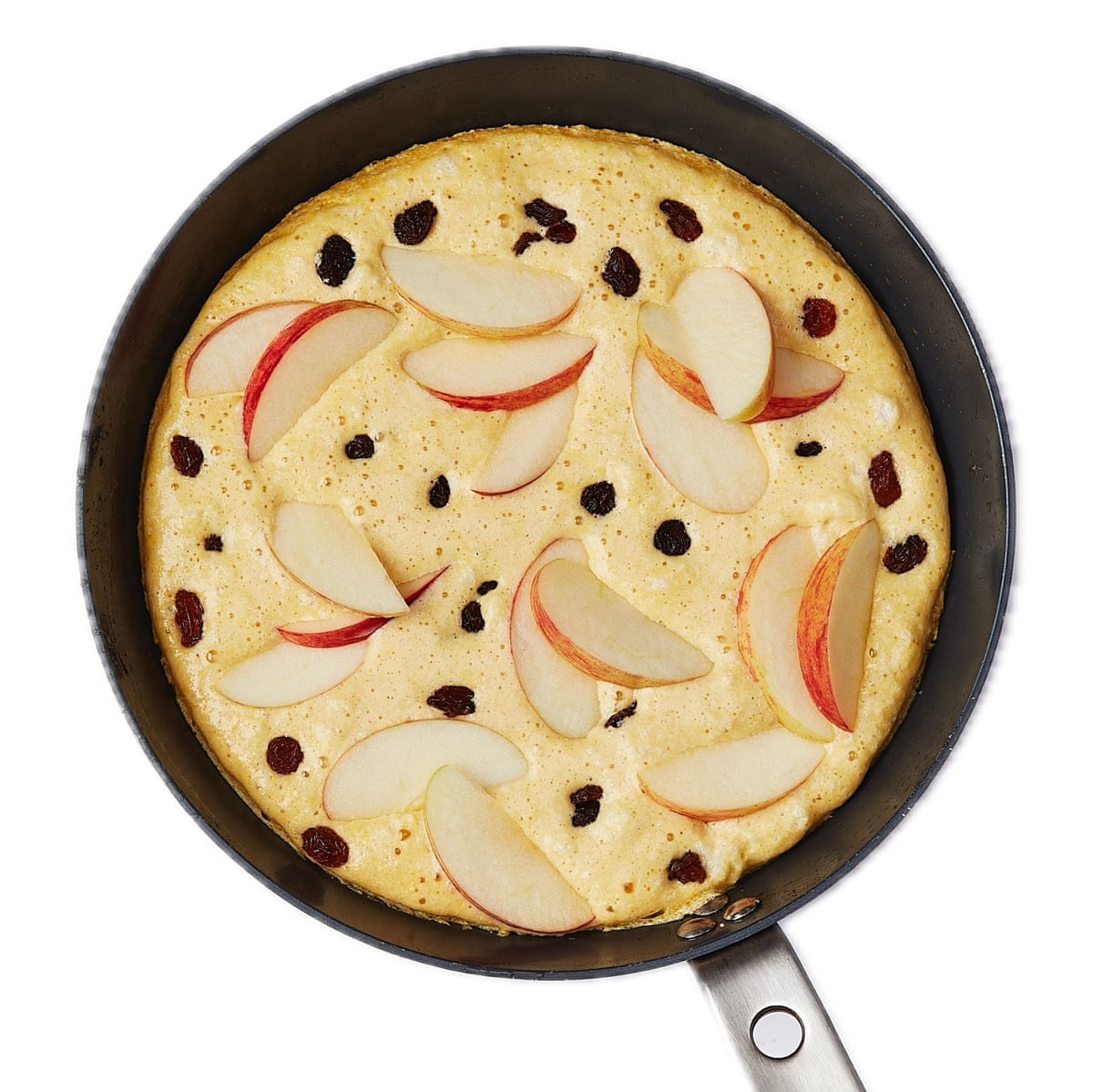
You can serve apples as a compote alongside the schmarrn, but incorporating them directly into the pancake works even better and requires far less preparation. Any eating variety will do; cooking apples break down and dilute the batter, making them better suited to stewing and serving on the side. The peel need not be removed regardless of how you cut the fruit. Some cooks grate the apples, others cut them into small pieces, but slightly chunkier wedges look more appealing and allow the fruit to feel like the true star of the dish. Arranging them on top of the batter rather than folding them in gives them the opportunity to caramelise slightly during cooking.
Many recipes include raisins alongside the apples, a pairing that, while occasionally controversial, has deep historical roots. You can substitute another dried fruit or omit them entirely, but those pops of sweetness prove popular in such a plainly flavoured dish. To create a kaiserschmarrn, soak the raisins in rum first, as traditional recipes recommend.
What cooking method produces the best results?
While apfelschmarrn is traditionally made on the stovetop, using the oven yields superior results. A brief blast of hot air produces a better rise and makes the cooking process considerably easier. Achieving a golden, crunchy base on both sides while maintaining a fluffy interior throughout without burning anything requires delicate timing on the hob alone. If you prefer stovetop cooking, simply cook the second side using the same method as the first. Don't be concerned if the pancake breaks when you flip it; once cooked, it's broken into pieces and tossed with sugar to caramelise anyway.
Contemporary regional variations offer specific guidance on technique. The Styrian version specifies preheating the oven to 180°C with top and bottom heat, then cooking the pancake in an ovenproof pan for two to three minutes before transferring it to the oven, while the Bavarian approach involves sautéing the apples separately with sugar and cinnamon for two to three minutes until slightly softened and caramelised before adding them to the batter. These techniques add depth to the apple flavour and ensure even cooking.
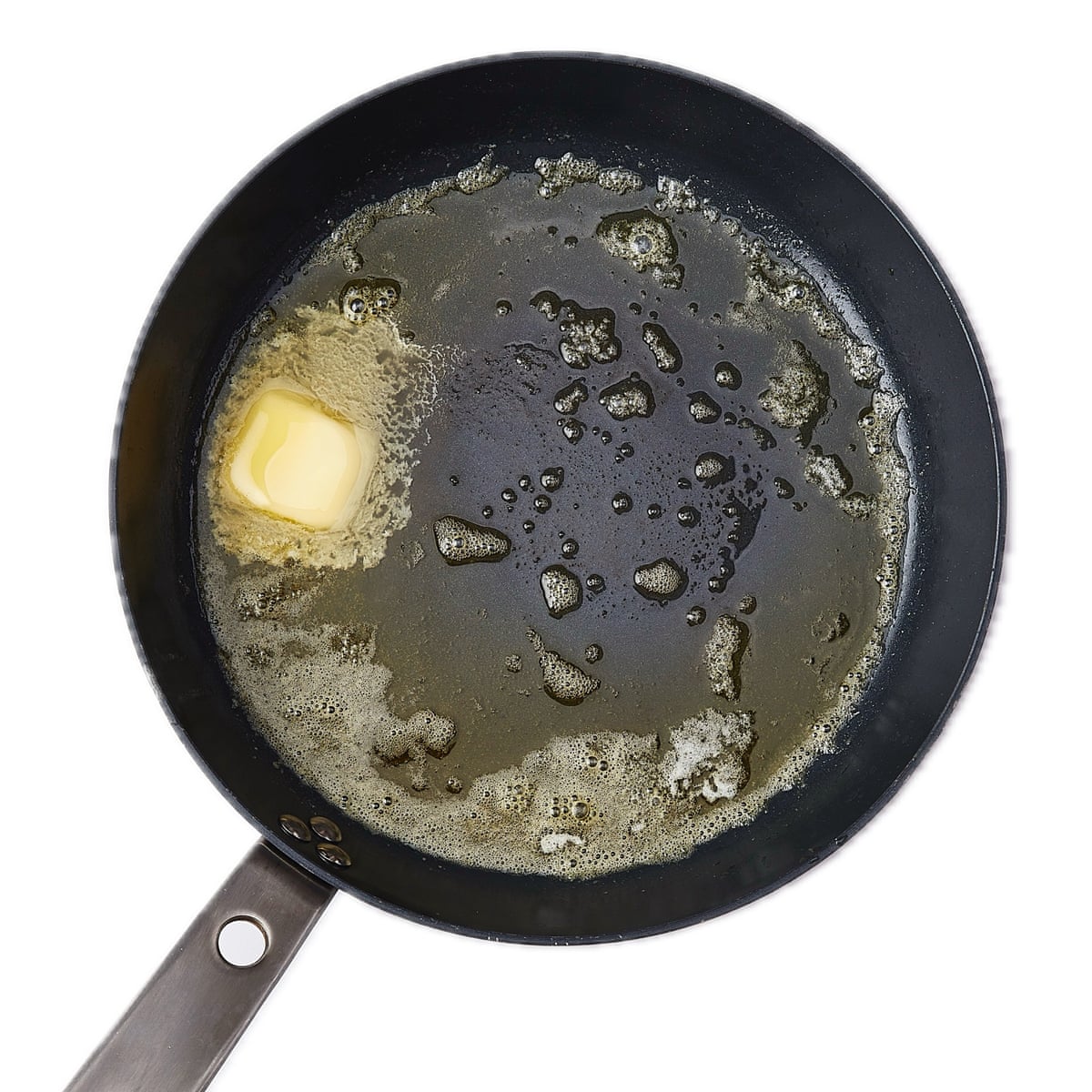
Almost every recipe except those using oil calls for butter, which clearly tastes far superior. It's worth browning the butter first, as this step adds nutty notes that complement the apples beautifully, though you may skip this if you're preparing a quick supper. Melt the butter on medium-high heat and allow it to brown to a pale golden colour before removing it from the heat; reheating will continue the browning process.
How should you finish and serve the dish?
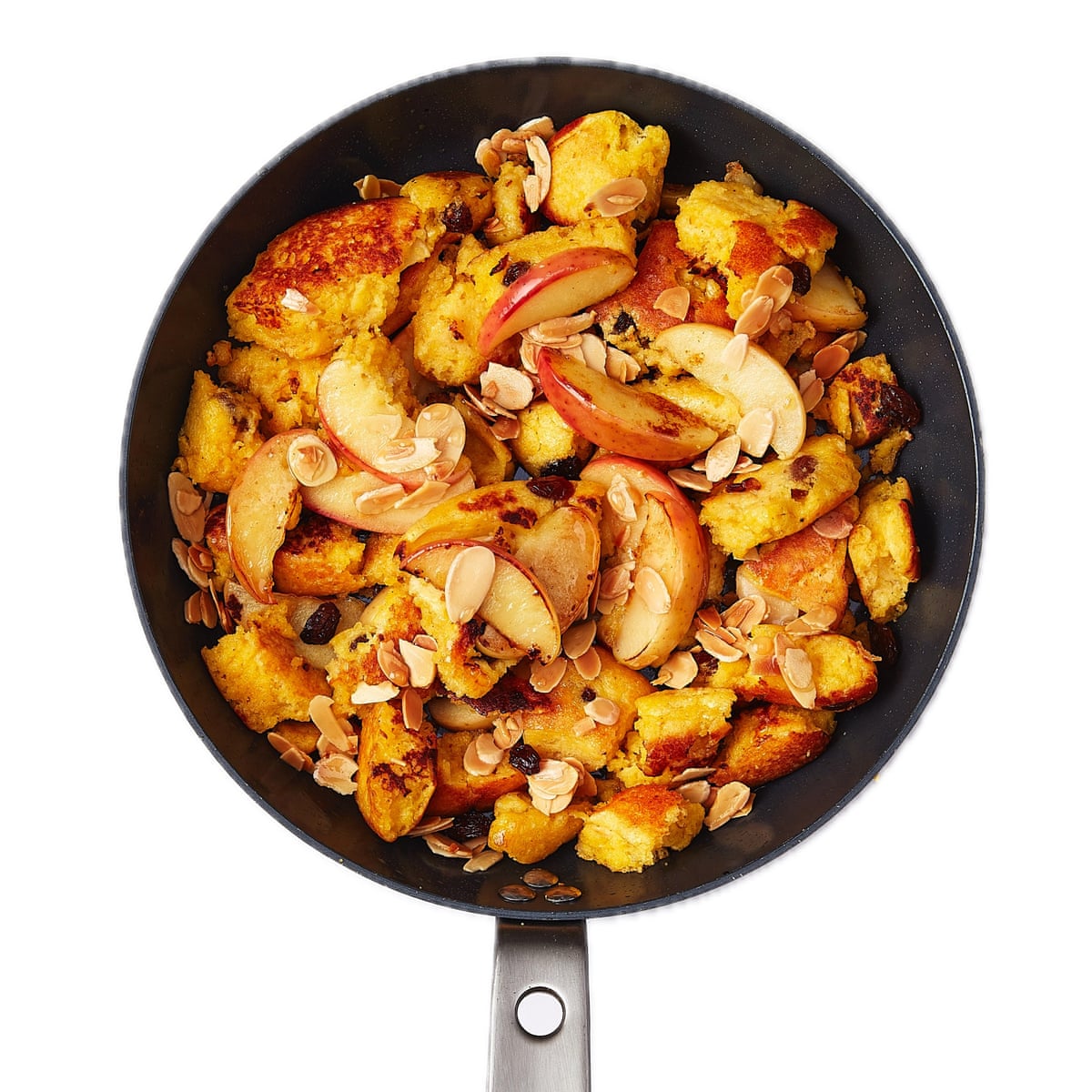
A cloud of icing sugar is essential, and transforming it into cinnamon sugar elevates the presentation and flavour. Crunchy flaked almonds add textural contrast, though both are entirely optional. Chopped hazelnuts, pecans or walnuts make fine substitutes for those unconcerned with authenticity, and the dish pairs beautifully with any fruit compote, particularly plums.
Perfect apfelschmarrn recipe
Prep: 10 minutes | Cook: 15 minutes | Serves: 2–4, depending on appetite

Ingredients:
40g butter
90g flour
½ tsp salt
3 eggs
75ml milk
75ml cream (single, whipping or double), or 50ml extra milk
Finely grated zest of ½ unwaxed lemon (optional)
1 tbsp caster sugar
1 dessert apple
25g raisins, or currants or sultanas (optional)
1 tbsp icing sugar
½ tsp ground cinnamon (optional)
Flaked almonds, to finish (optional)
Method:
Melt the butter in a medium ovenproof frying pan on a medium-high heat, allowing it to brown to a pale golden colour, then remove from the heat—reheating will continue the browning process. Preheat the oven to 220°C (200°C fan)/425°F/gas 7.
Place the flour and salt in a large bowl. Separate the eggs, putting the whites in a large glass or metal bowl and the yolks in a smaller bowl.
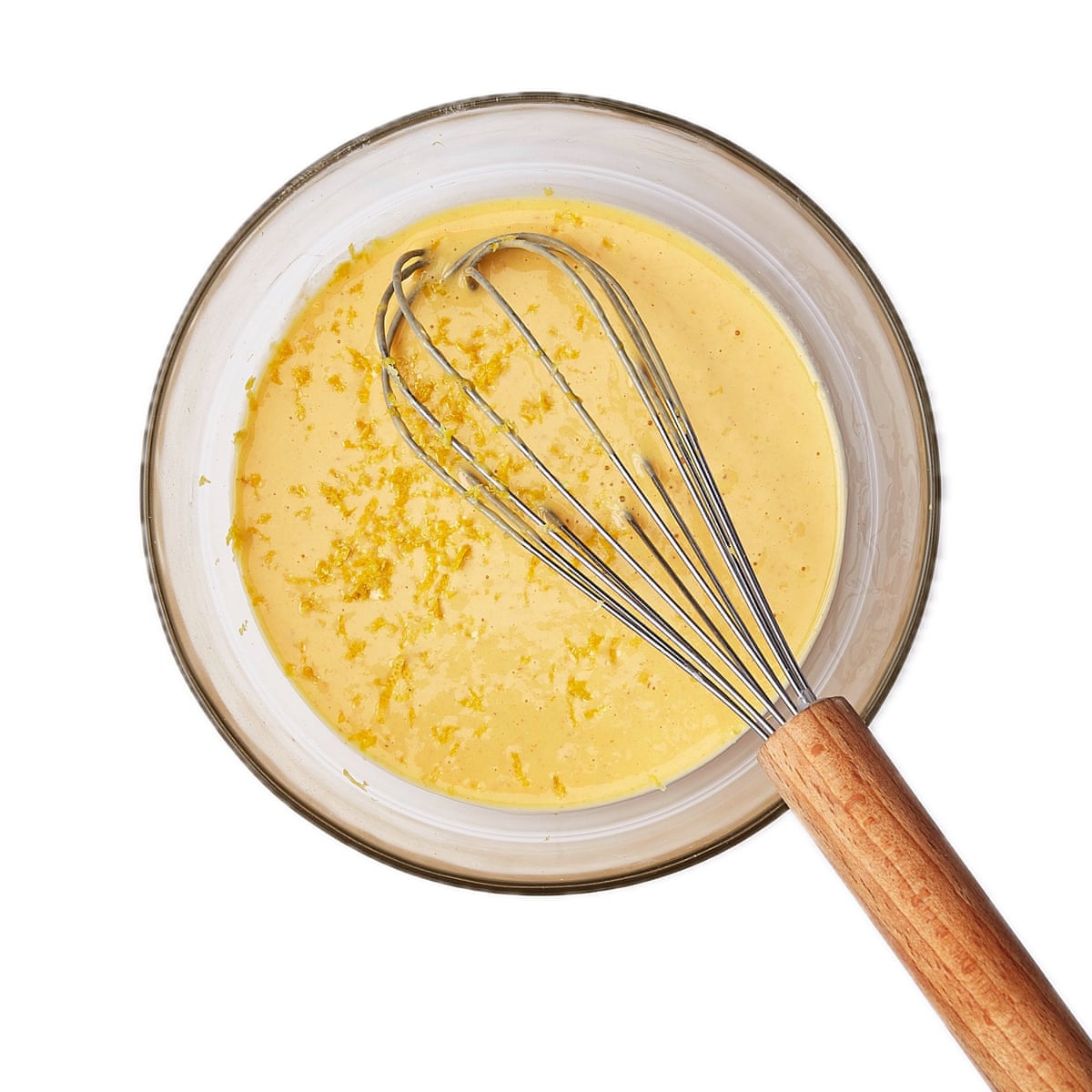
Beat the milk and cream, if using, into the egg yolks, then whisk into the flour to create a smooth batter. Stir in the lemon zest.
Beat the egg whites until foamy, then add the caster sugar and whisk to soft, creamy peaks that hold their shape but flop over at the top. Fold a small amount of the egg-white mixture into the batter to loosen it, then fold in the remainder.
Cut the apple into thin wedges and remove and discard the core. Pour two tablespoons of the melted butter into a bowl, return the pan to a medium heat and, once sizzling, pour in the batter. Arrange the apple slices and raisins, if using, on top, then allow to cook to a rich golden brown underneath. Carefully flip over the pancake—don't worry if it breaks—then place in the hot oven for five minutes.
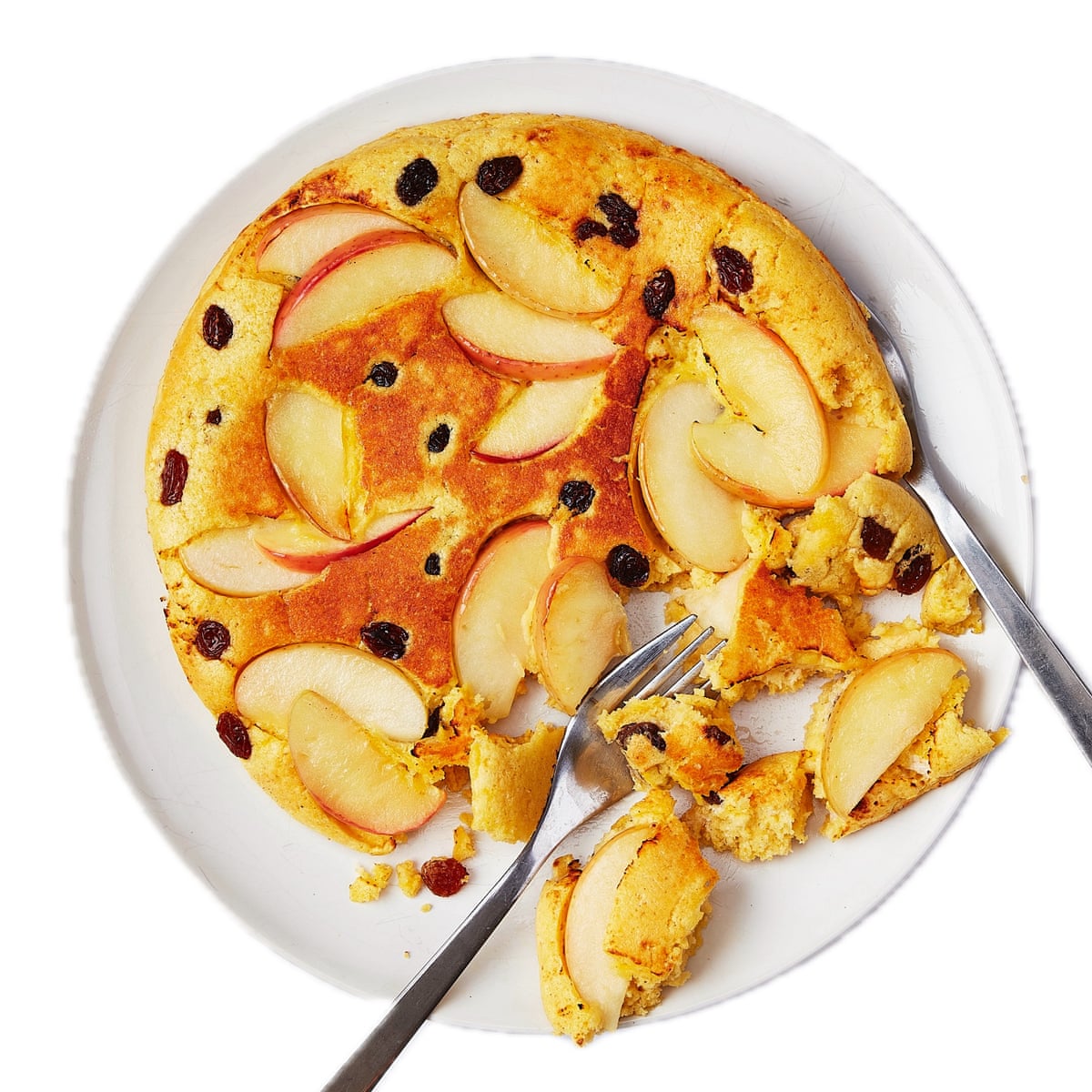
Meanwhile, mix the icing sugar with the cinnamon, if using. Use two forks to break the pancake into bite-size pieces. Tip out onto a plate or work surface and return the pan to a medium-high heat with the reserved melted butter. Add the almonds, if using, and lightly toast, then top with the pancake pieces and sprinkle with most of the sugar. Toss over the heat to coat, then divide between plates. Sprinkle with the remaining sugar and serve hot.
Key Facts
• Apfelschmarrn originated in Austro-Hungarian cuisine and remains popular across Germany and Austria, with distinct regional variations including Bavarian, Styrian and Viennese versions
• The dish takes approximately ten minutes to prepare and can function as either a main course or dessert, making it ideal for quick suppers
• Whisking egg whites separately and folding them into the batter creates a soufflé effect that prevents the dish from becoming heavy despite its substantial ingredients
• Using an ovenproof pan and finishing the pancake in a preheated oven produces superior results compared to stovetop-only cooking
• The dish pairs exceptionally well with soured cream, ice cream or fruit compotes, particularly plum