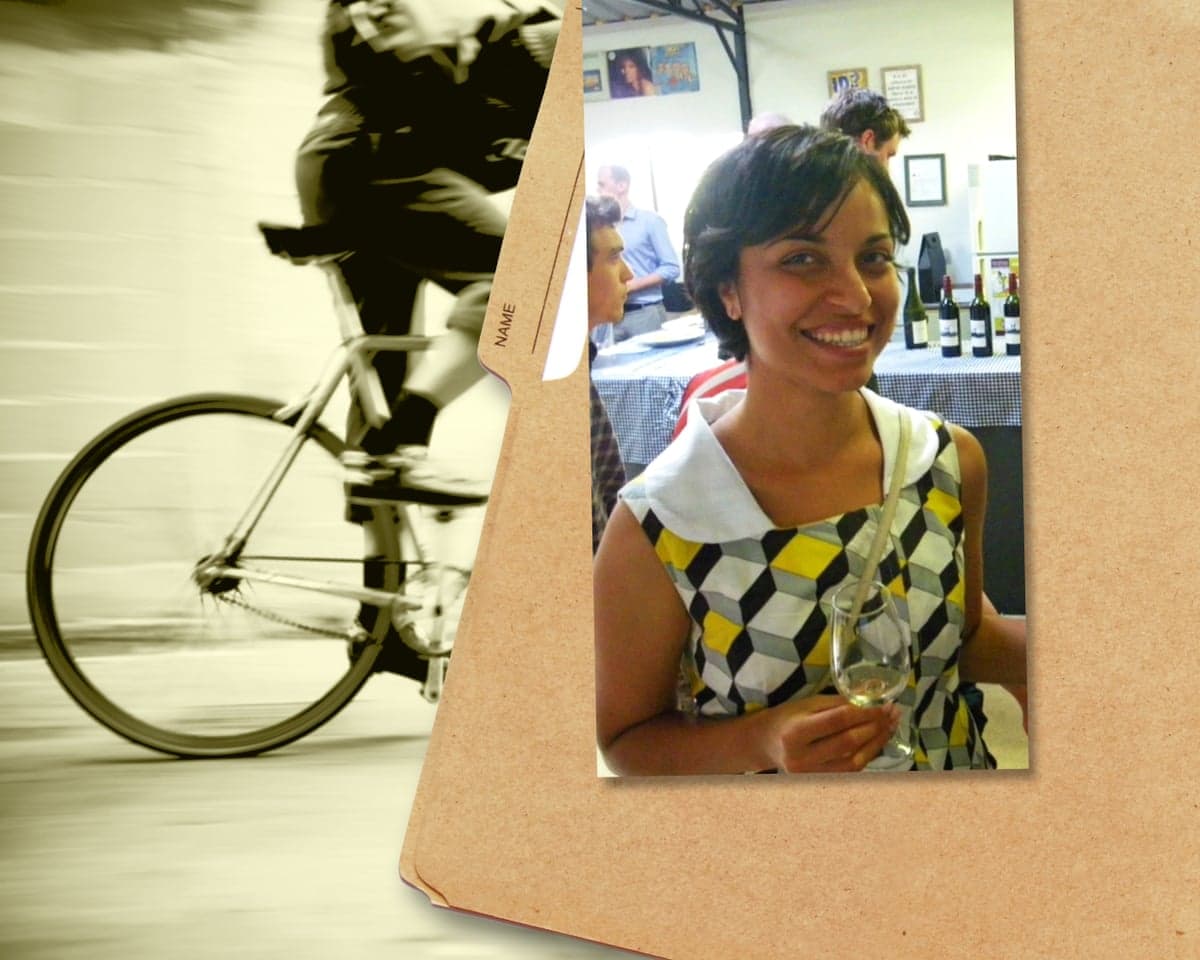
The assignment seemed straightforward enough: transport letters, notices of assessment and other legally significant documents across the city by bicycle. What became apparent over time was that the delivery locations were scattered and often inconveniently situated.
The term "gopher" carries a double meaning. Technically, it refers to a small, solitary burrowing rodent with prominent front teeth found across North and Central America. In workplace parlance, the same word—more commonly spelled "gofer"—describes someone hired to run errands and fetch items for others.
At 21, while studying law in Canberra, I was searching urgently for casual employment. A job posting on the library's bulletin board caught my attention. Exhausted from an all-nighter spent completing coursework, I copied down the law firm's contact details.
The position title held no immediate appeal or concern: "Gopher." The wordplay—go for it, fetch things—seemed manageable. My upbringing as the only child of immigrant parents had equipped me with a willingness to take on practical tasks. The prospect of cycling during business hours also appealed to me. More pressingly, my bank account was depleting rapidly, leaving me with limited options.
On my first day, dressed in black trousers and a carefully pressed shirt, I arrived feeling overdressed for the environment. The receptionist wore casual clothing and a jumper bearing the text "I KISSED A VAMPIRE AND I LIKED IT." I immediately liked her. She directed me toward a stack of papers labeled "gopher's in-tray."
The work, as she outlined it, involved delivering letters, legal notices and official documents. The destinations, I soon discovered, were geographically dispersed and awkwardly positioned.
Certain days required me to carefully balance packages on bicycle handlebars while navigating toward the courts. Other assignments sent me weaving through pedestrian crowds to reach the bank before its impractically early closing time. The staff member at the revenue office eventually recognized me by name—likely because I was the only breathless person in my twenties wearing a magpie-proof helmet in their waiting area.
Within roughly a week, I observed fresh writing on the top sheet of the in-tray. The document bore an address to "G.O.D."
"God? What does that mean?" I asked the receptionist.

Pedaling through the city, carrying stacks of papers or parcels, I experienced fleeting moments when I felt like the G.O.D. of my email signature. Without these deliveries, serious legal proceedings could not advance. Vulnerable clients depended on my work reaching them.
That narrative sustained me, at least temporarily. The reality, however, was different. Errand runners typically receive little professional regard. Once a delivery concludes, lawyers forget your identity. Worse, they assign you an expanded title: "Tuesday Gopher." Though I occasionally covered reception duties, my responsibilities never genuinely progressed. On one memorable occasion, a paralegal standing near the fax machine requested that I scratch her back.
A university career counselor mentioned that law students in their final years typically pursue paralegal roles. My tenure at that firm, however, would prove to be my sole employment in legal practice. Following graduation, I did not pursue a legal career. Instead, I transitioned into a more secure and financially rewarding field: media.
Yet that single year as G.O.D. provided more valuable lessons than the five years I spent absorbed in textbooks covering torts and litigation. It fundamentally changed how I regard every errand runner, delivery driver and courier I encounter.
Delivery work is demanding, whether performed for a law firm, a postal service, or someone on a motorcycle delivering ice cream to a shared house at two in the morning. I can reflect on my time running errands with humor and affection. For many individuals working under precarious conditions or visa restrictions, however, this work represents no source of amusement. It constitutes their daily existence—one that carries numerous concealed difficulties.
The landscape of delivery and logistics continues to shift. Workers operating bicycles and motorcycles face increasing competition from automated systems. Yet in 2026, physical items, paper documents and the people who transport them remain essential to how society functions.
The modern economy has also spawned new platforms for task-based work. Contemporary gig-economy applications now use the "gopher" label to describe paid task runners, offering services spanning deliveries, errands, transportation, moving assistance, yard maintenance, waste removal and repairs. This digital evolution reflects how the fundamental concept of errand running has adapted to contemporary commerce, even as the core work remains physically demanding and often undervalued.
The recurring careers-and-work feature series that includes this account demonstrates how individual professional experiences illuminate broader truths about labor and dignity in the workplace. Each story in the collection reveals how seemingly minor roles shape our understanding of work's value.
One person's gopher represents the world's G.O.D.—an individual upon whom we all depend. Recognizing this fundamental truth transforms how we regard those who move goods, deliver documents and keep essential services functioning. Their work, though often invisible and undercompensated, sustains the systems we rely on daily.