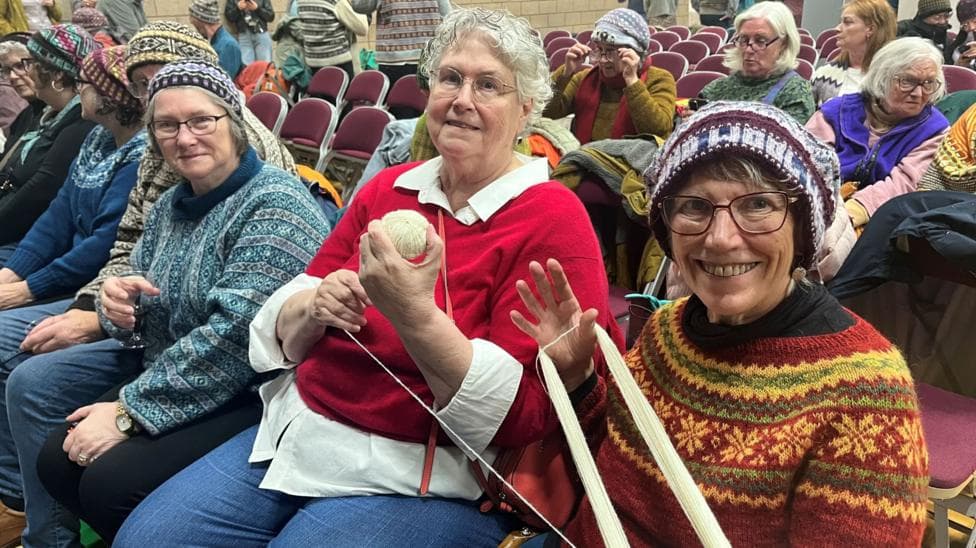
Almost 1,000 enthusiasts have descended on Shetland for the island's 17th annual celebration of wool, knitting and textiles, with the festival running from 27 September through 3 October. The week-long event features classes, workshops, talks, tours and social activities that draw visitors from Scotland, the US, Japan and beyond, transforming the remote islands into a hub for fibre arts and heritage craftsmanship.
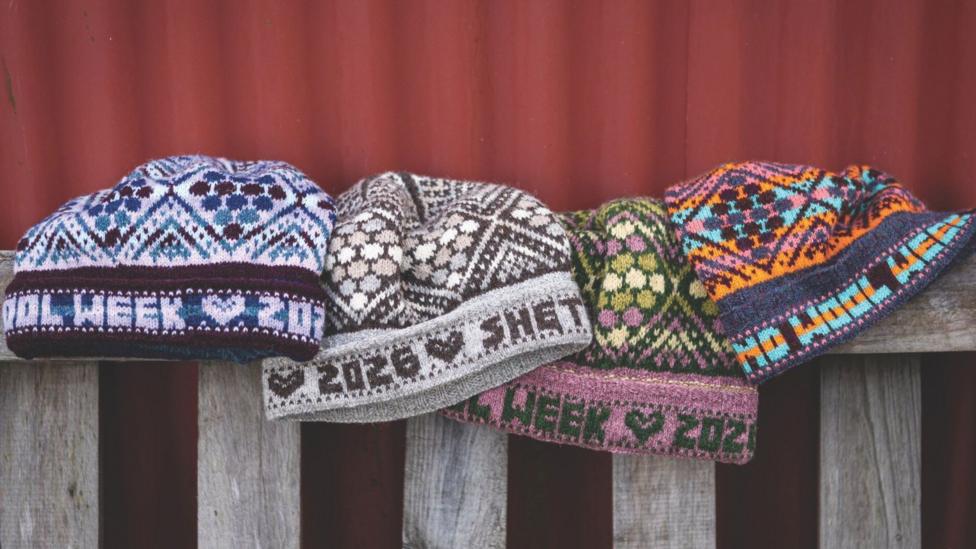
This year's patron, knitwear designer Helen Robertson, has designed the official festival hat pattern, the Birsie Beanny, and is leading both in-person and online Knit-A-Long sessions throughout the week.
I think wool week is just such a fantastic organisation and festival, and it's really brought Shetland textiles to life,Robertson said. The opening performance featured pianist Amy Laurenson, saxophonist Norman Willmore and Shaetlan Scriever Claire White, setting the tone for a celebration that extends far beyond traditional classroom learning.
Shetland Wool Week emerged in 2010 as part of the Campaign for Wool, launched when wool prices were low and the fibre was out of favour. The festival has since become a major draw for international visitors seeking to connect with the island's textile heritage and the communities that sustain it.
What draws visitors from across the world?
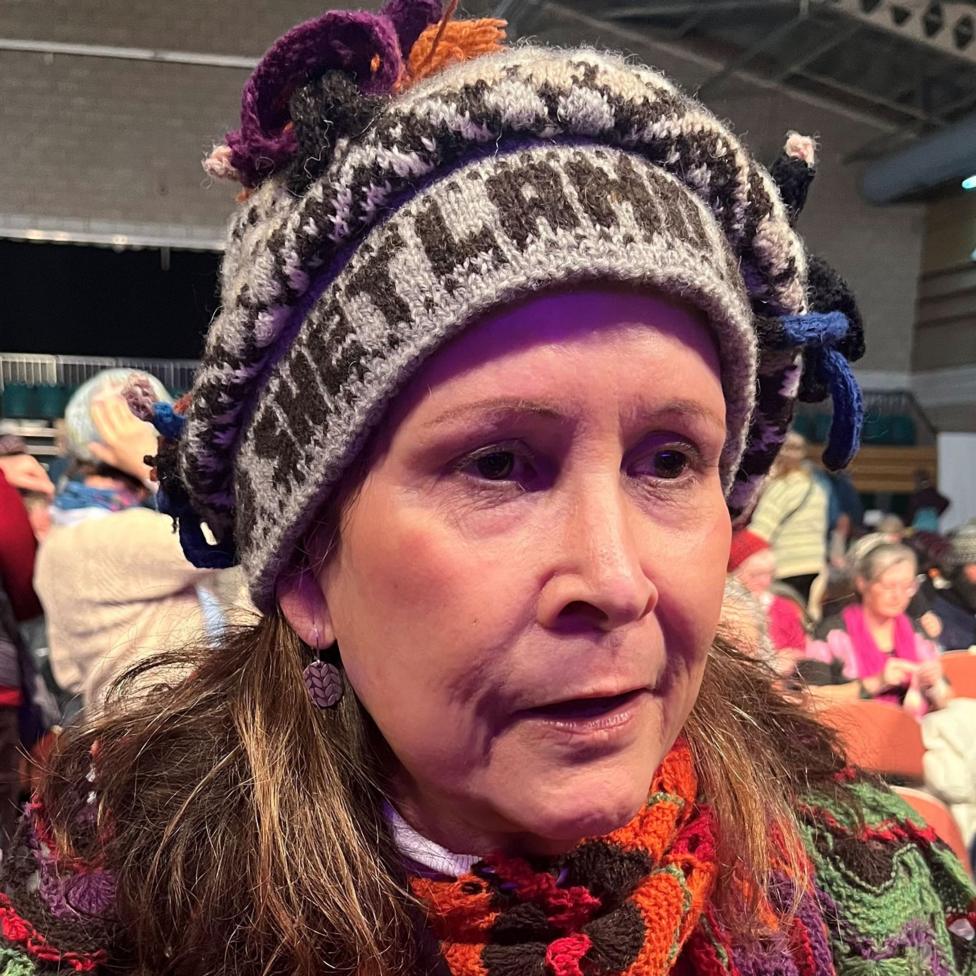
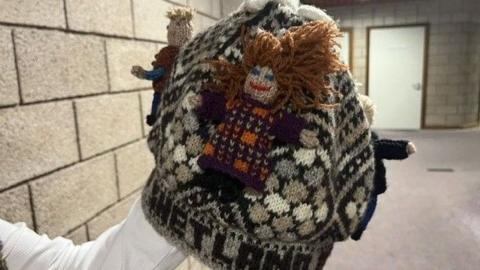
Nancy Woodhouse, a knitter from Arizona, travelled thousands of miles to attend the festival and brought creations inspired by the crime drama Shetland. Her woolly hat features characters from the television series, including detective Jimmy Perez and his successor Tosh, alongside supporting characters Sandy and Ruth Calder.
We start on the hat with detective Jimmy Perez of course and Tosh who's taken over as the lead detective, then we have the ever helpful Sandy and Ruth Calder, and this is the chalk outline of the victim. The hat has muted colours so the detectives would shine - it's the crime scene I wear on my head,Woodhouse explained.
Satoko Nagakubo has flown from Tokyo specifically for the festival, returning to Shetland multiple times to experience wool week.
I come from Japan many times to Shetland for wool week because I love the sheep and the local people. I love Shetland lace knitting and spinning,she said. Mary Randles, visiting from Lancashire, highlighted the unique appeal of combining relaxation with practical engagement.
I think the fact that you can chill, you can knit, meet people, buy wool and sit on your suitcase until it forces all the wool in before you take it home,Randles said. She added that the event allowed her to see the sheep whose wool she uses for knitting, and to appreciate how Shetland wool drapes beautifully after washing, unlike some synthetic alternatives.
What activities and workshops are available?
The festival programme spans an extraordinary range of textile disciplines, from Fair Isle knitting to spinning, fleece preparation, weaving, lace knitting and wool skirting. The 2026 programme includes a livestreamed panel with Unst lace knitters and a new peg-loom weaving workshop, ensuring both in-person and remote participation. Activities stretch across the islands from Unst to the south mainland, with community halls, crofts, businesses, makers and musicians collaborating to create the distinctive experience.
Why is Shetland wool considered special?
Shetland's native sheep produce a fairly unique commodity that has clothed islanders for thousands of years. Ronnie Eunson, who runs Uradale Farm on the west side of the islands and breeds native sheep and cattle, explained the significance of the fibre.
Shetland wool is a fairly unique commodity. It's the history and heritage that makes it really special. You're looking at a type of fibre that has clothed Shetlanders for thousands of years,Eunson said. The sheep possess a distinctive double coat of wool that protects them against the islands' harsh winter weather, with the finer wool lying beneath the protective top layer.
Tourists are fascinated to see the sheep and to hear about the way we look after the sheep and how the sheep look after themselves,Eunson added.
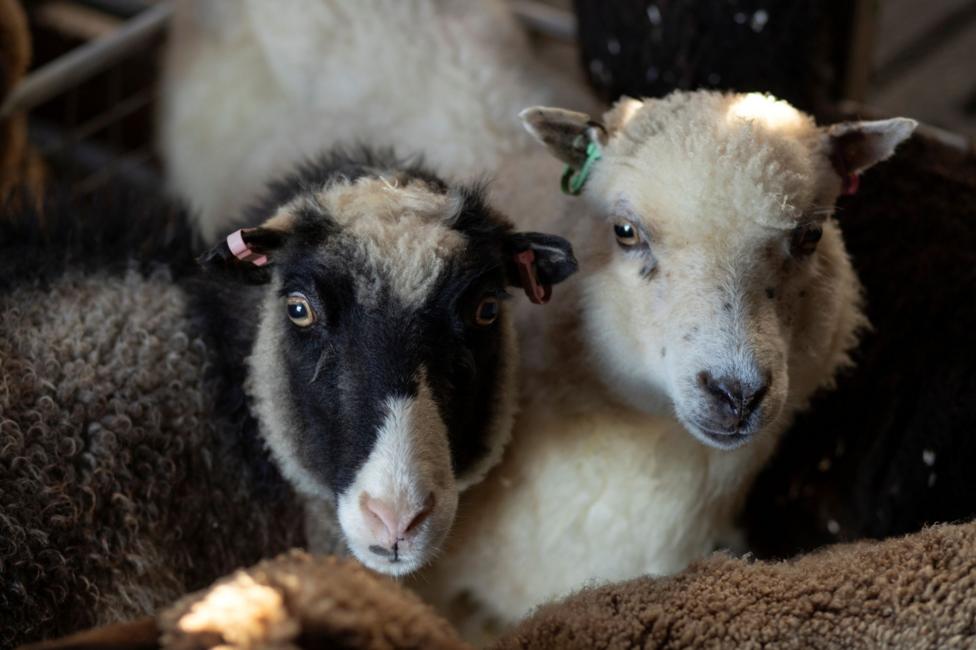
The star attraction remains the Shetland sheep themselves and the earthy shades of cream, brown and black their wool naturally produces. These native animals graze on the nearby hills and coastline, their wool reflecting the landscape and heritage of the islands. The festival's focus on these animals and their fibre connects visitors directly to the source of the materials they work with.
What economic impact does the festival have?
As the nights draw in and winter approaches, the festival provides a significant boost to the island's economy at the end of the tourist season. Donna Smith, who runs Langsoond Yarn in Burra, described the week as transformative for her business.
It's really an amazing event that's the highlight of the year for me at the end of the tourist season. There are so many people coming to visit and so many people coming to buy yarn. It's such an important week in the whole year for the business,Smith said. The influx of visitors purchasing Shetland wool and textiles generates substantial revenue for local yarn shops, farms, accommodation providers and hospitality businesses across the islands.
This economic significance comes at a time when British wool prices have surged more than 70% in a year to a decade-high level, as shrinking flocks and fading stockpiles fuel fresh global demand for the versatile fibre. The renewed interest in wool as a sustainable and desirable material has elevated Shetland's position as a centre of excellence in textile production and heritage craftsmanship.
What happens next?
The festival concludes with the SWW Makkers Market scheduled for Saturday 3 October at Anderson High School, where the week's activities culminate in a celebration of makers and their creations. The closing event, described as the "sewing of the loose ends" of the festival, will mark the time for hundreds of visitors to cast off and head home with their Shetland Oo—wool—for another year, carrying with them the connections they have made to the island's people, sheep and textile traditions.