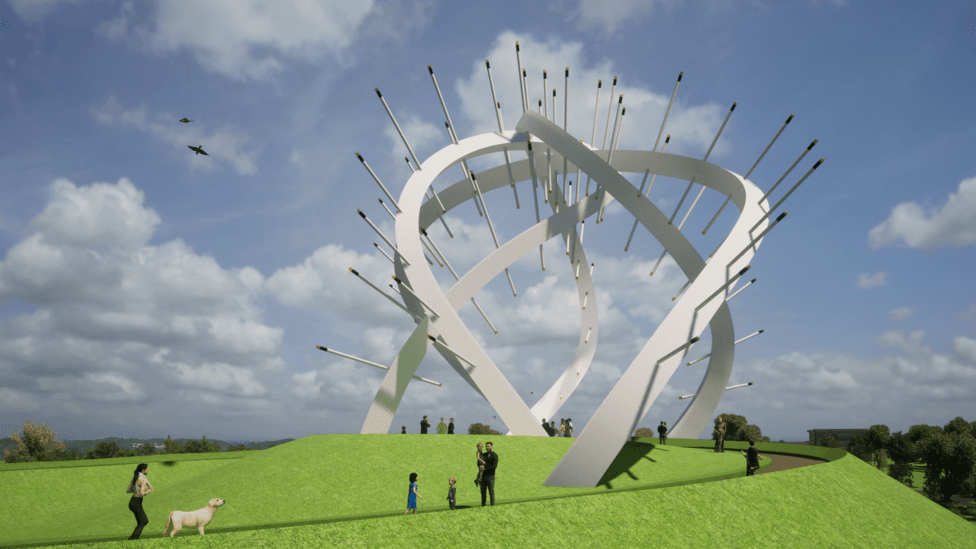
A 25-year-old vision to build a landmark sculpture at the Scotland-England border has stalled after a major financial supporter withdrew its backing, leaving the project £8 million short of its £12 million target. According to BBC News, the Star of Caledonia Trust has paused construction plans and launched an urgent fundraising campaign to bridge the gap. The trust has set a deadline of spring 2027 to secure replacement funding or risk indefinite postponement of the scheme.
The journey toward realizing this ambitious border landmark began roughly 25 years ago, emerging from the devastating foot-and-mouth outbreak of 2001. The concept originated with the late local businessman Alasdair Houston, who envisioned a striking sculpture that would celebrate the region's role as a gateway between Scotland and England while stimulating economic growth in the area.
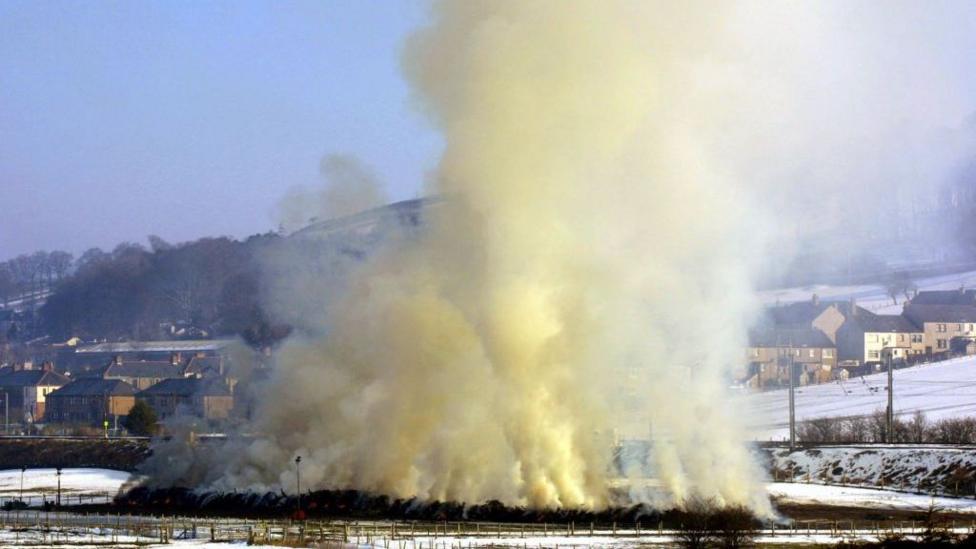
Initial cost projections stood at approximately £3 million when the idea first took shape. By 2010, three internationally renowned designers had been shortlisted to develop the project, then known as The Great Unknown: Cecil Balmond, Ned Kahn, and Wilkinson Eyre Architects. Sri Lanka-born designer Balmond ultimately won the commission and created a design that drew praise from prominent figures including author Ian Rankin.
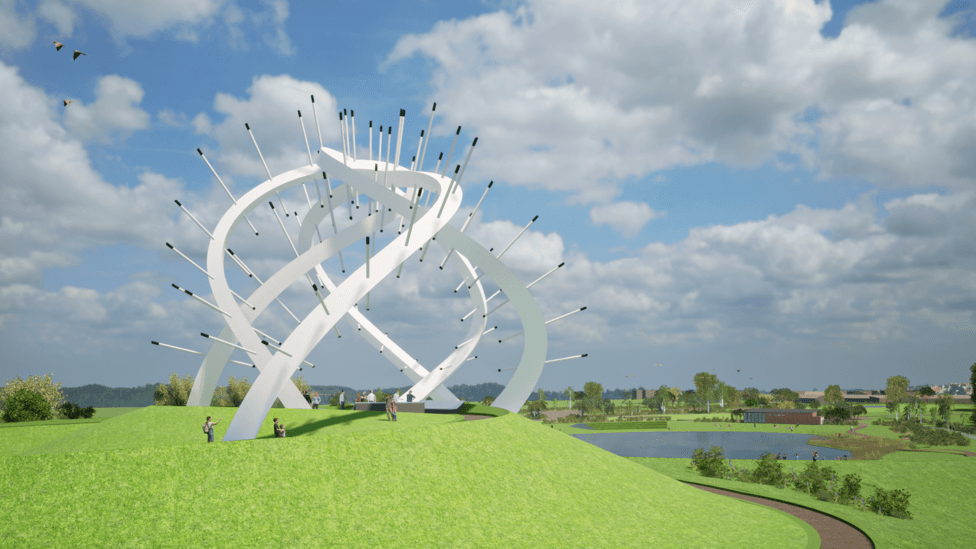
"It's quite futuristic, it isn't looking back, it isn't anything to do with the past," Rankin said of the winning design. "It is not just a huge welcome to Scotland sign or a huge Saltire - it is quite revolutionary I think. I was reminded of almost like a twist of DNA - it had that kind of molecular thing going for it."
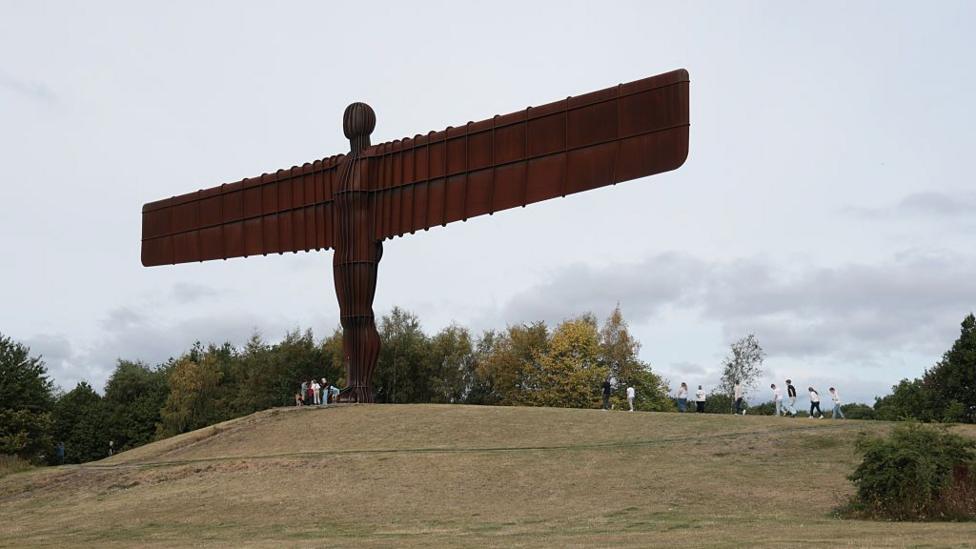
Rankin acknowledged the challenge of justifying the cost of large public sculptures but emphasized the potential long-term benefits for raising the profile of both Gretna and Dumfries and Galloway. The proposed artwork would dwarf the Angel of the North in Gateshead, the famous sculpture that inspired the original concept.
How has the project's cost evolved?
The estimated price has climbed substantially over the years, reflecting both inflation and design refinements. By 2014, the budget had grown to £5 million, prompting Creative Scotland to decline a £1 million funding offer due to the failure to secure other public sector financial commitments. This decision appeared potentially fatal to the scheme's prospects.
However, momentum returned several years later. In 2020, renewable energy company Community Windpower pledged financial support, and the Borderlands Growth Deal provided additional backing that revived the project's viability. To manage escalating costs, planners decided to reduce the sculpture's height from 40 metres (130 feet) to 33 metres (110 feet).
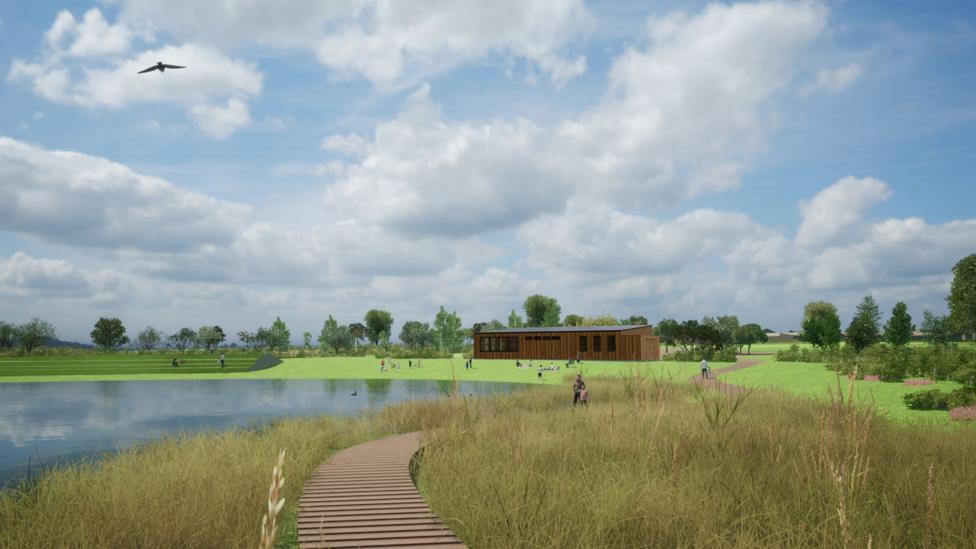
According to The National, the revised artwork is planned to stand 33 metres (108 feet) tall and include 100 illuminated LED spikes. Revised plans received planning approval in August 2025, with the project now incorporating a visitor hub designed to promote tourism across Dumfries and Galloway and the wider Borderlands region.
The estimated cost reached £12 million by the time Dumfries and Galloway Council approved the revised plans last year. The expanded scope included wider landscape work and visitor facilities alongside the central sculpture, with projections suggesting the site could attract 200,000 visitors annually.
What sparked the current funding crisis?
Just as the project appeared positioned to move forward, a devastating financial blow emerged when a major private funder withdrew its support. The Star of Caledonia Trust's chair, Lucy Houston, confirmed that the funder could no longer commit financially, though the trust remains in dialogue with that organization about potential future involvement.
The withdrawal created an £8 million shortfall that halted progress. In response, the trust launched a "Save Our Star" fundraising campaign to address the gap and has given itself breathing space until spring 2027 to locate replacement backing.
How has public opinion shaped the project?
The design has proven divisive among observers and commentators. While some have praised the artwork as original and forward-thinking, others have been more critical, with detractors describing it as "truly awful." Despite this polarization, supporters have emphasized the sculpture's revolutionary character and its departure from conventional border monuments or nationalist imagery.
What happens next for the Star of Caledonia?
The trust plans to pursue replacement funding until spring 2027. According to Dumfries and Galloway News, if the fundraising appeal proves unsuccessful, the project may face indefinite postponement. The scheme has weathered multiple setbacks since its inception, but the current financial challenge represents perhaps its most serious threat to completion.
The landmark's future now depends on the trust's ability to secure new financial partners willing to commit to the vision that has persisted for a quarter century. Whether the Star of Caledonia will ultimately illuminate the border landscape or fade into obscurity remains uncertain as the clock counts down toward the spring 2027 deadline.