The chief executive of Volkswagen has endorsed European Union proposals designed to strengthen the continent's automotive industry, contending that European manufacturers require the ability to "compete under comparable conditions" against Chinese competitors.
Oliver Blume stated that "Made in Europe" regulations from the EU "must reward real value creation in Europe", speaking in Paris ahead of the motor show taking place this week. The proposals, formally known as the Industrial Accelerator Act, would restrict subsidies and public procurement to products manufactured with a substantial proportion of materials and production originating within the EU.
The regulations target the expanding presence of lower-cost Chinese manufacturers in the automotive sector and other critical manufacturing industries. This competitive pressure has triggered difficulties across multiple sectors. Volkswagen stands among the most significantly affected European companies, having initiated what Blume characterised as the "largest transformation programme in its history".
What challenges are European carmakers facing?
Blume outlined a range of obstacles confronting European manufacturers. "Europe is under enormous competitive pressure," he stated, identifying several factors: elevated energy expenses; diminished consumer demand as households grapple with elevated inflation; the requirement to accelerate vehicle development timelines; and fierce rivalry from Chinese producers. The competitive landscape has intensified further as 20 Chinese car brands are expected at the Paris Motor Show, a record attendance, with manufacturers now expanding beyond battery-electric vehicles into combustion and plug-in hybrid models.
This expansion into alternative powertrains represents a strategic shift by Chinese competitors. The EU had previously imposed tariffs on Chinese-made fully electric cars two years ago; Chinese automakers have since broadened their product range into combustion-engine and plug-in hybrid models, which do not currently face those tariffs.
How would the Made in Europe rules work?
The Industrial Accelerator Act would establish preferential treatment for products with significant European manufacturing and material sourcing. The European Parliament's draft report proposes raising the "Made in Europe" and low-carbon content threshold in strategic sectors to 50% by 2036, and also proposes incorporating maritime manufacturing into the Act's scope. Additionally, the Commission's proposal sets a goal of increasing manufacturing's share of EU GDP to 20% by 2035, from 14.3% in 2024.
Blume articulated the rationale behind supporting such measures.
Companies that invest and develop in Europe must see a clear benefit,he said. Regarding Chinese enterprises, he added:
Those who sell here should compete under comparable conditions and create jobs and value here in Europe, too.
Blume emphasised that German carmakers welcomed competition with Chinese rivals, yet contended that the EU should prioritise rewarding businesses with substantial European operations.
We believe in open markets, but openness also means standing up for our own interests in Europe. Because a strong industrial base means more than economic success. It protects technological independence.
What is Volkswagen's restructuring strategy?
Volkswagen is undergoing a major operational overhaul. The company is reducing its global model portfolio from 150 to 75 across its brands, which include Audi and Škoda. This consolidation aims to diminish manufacturing complexity and dealer-related complications, thereby lowering production costs per vehicle. Arno Antlitz, the group's chief financial officer, characterised the job reductions as necessary to "increase our economic power" by enhancing profitability and enabling the company to defend its "home turf".
The restructuring forms part of broader challenges facing the German manufacturer. Volkswagen's board has approved a plan to cut 50,000 additional jobs, bringing total planned reductions to 100,000 by 2030 as the company confronts declining profits and intensifying Chinese competition.
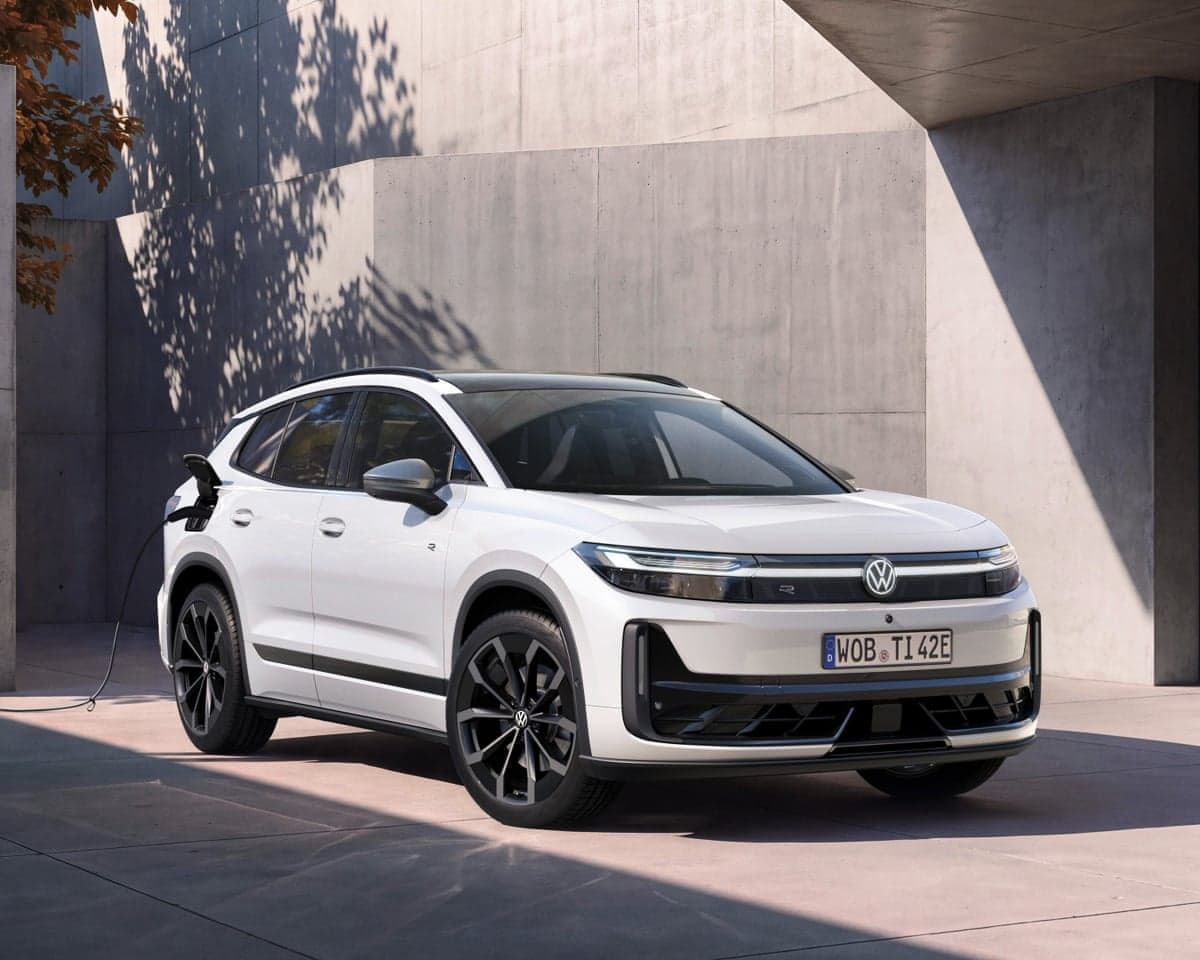
On Sunday, Volkswagen unveiled the production version of its ID. Tiguan, an electric variant of its bestselling family SUV model.
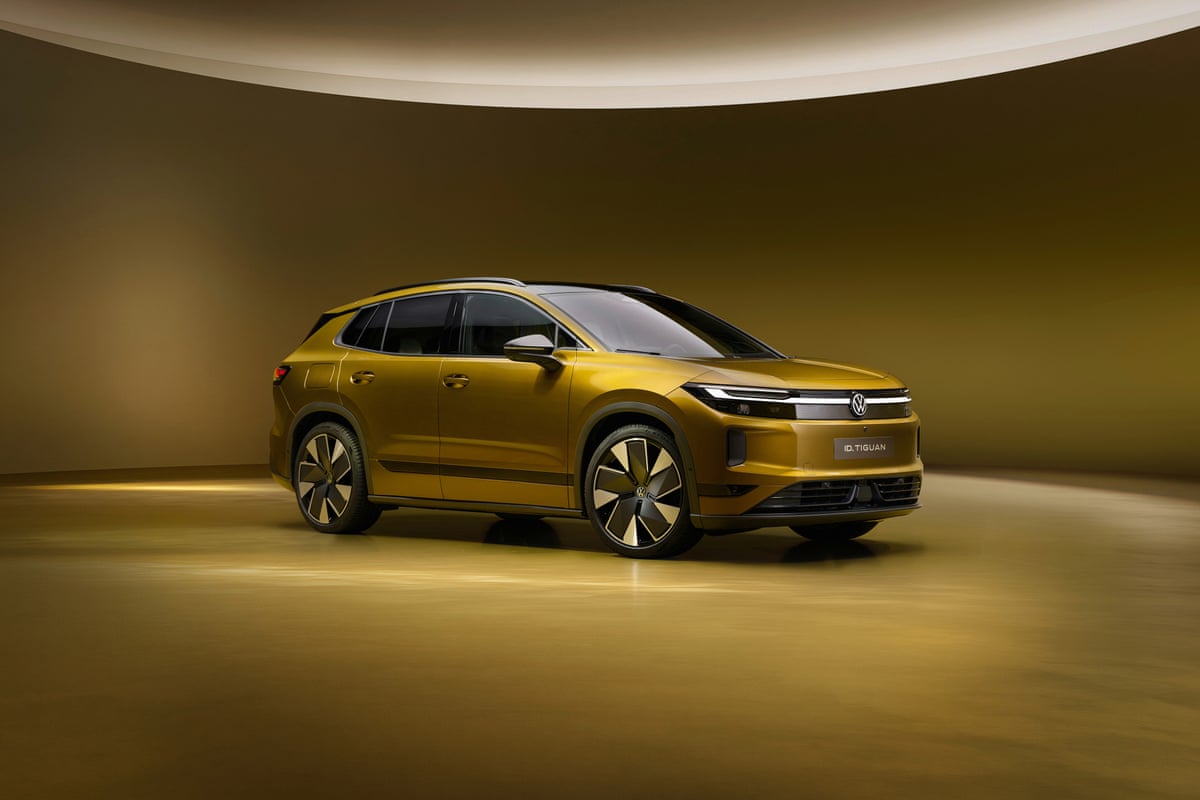
The company is exhibiting at the Paris show for the first time in two decades. Blume underscored the "close ties between France and Germany", while welcoming French industry minister Sébastian Martin.
What happens next for the Industrial Accelerator Act?
The European Parliament's joint lead committees are scheduled to vote on the Industrial Accelerator Act on December 1, 2026, with a plenary vote and adoption of Parliament's negotiating position planned for the week of December 14, subject to confirmation. The 2026 Paris Motor Show runs from October 12 to 18.
The broader context for these policy discussions reflects mounting anxiety across European manufacturing. Earlier warnings indicated that Eurometal, a trade body, cautioned of 300,000 EU manufacturing job losses in 2026 due to Chinese competition in supply chains. Meanwhile, Chancellor John Healey has urged EU finance ministers to design the "Made in Europe" industrial protection scheme to strengthen UK ties rather than exclude British firms, highlighting the geopolitical dimensions of the debate.