When Lizzy, Libby and Charlotte arrived at the University of Newcastle in 2012 as freshers, repaying loans seemed distant. A decade later, their financial situations have diverged dramatically—one has cleared her debt entirely, another is chipping away slowly, and the third watches her balance climb despite regular payments.
The three friends borrowed roughly £37,500 each to cover three years of tuition and living costs under Plan 2, the new loan scheme introduced when tuition fees in England and Wales tripled to £9,000 annually. This year marks ten years since the first members of their cohort began repayment, offering a window into how the same starting point can lead to vastly different outcomes.
Their experiences illuminate broader frustrations with Plan 2 loans, which have faced mounting criticism over interest rates that often exceed repayments and thresholds that leave many graduates paying more each month without reducing their balance. According to government guidance, Plan 2 borrowers repay 9% of income above the threshold, with loans written off after 30 years.
Why some debts climb while others shrink
Charlotte, a physiotherapist in Bristol earning around £50,000 annually, has experienced the frustration of watching her loan grow. She completed a master's degree after university and worked in the NHS before moving to private practice. Since April 2026, she has paid approximately £450 towards her loan while accruing over £500 in interest—a gap that leaves her balance at £55,500, higher than her original borrowing.
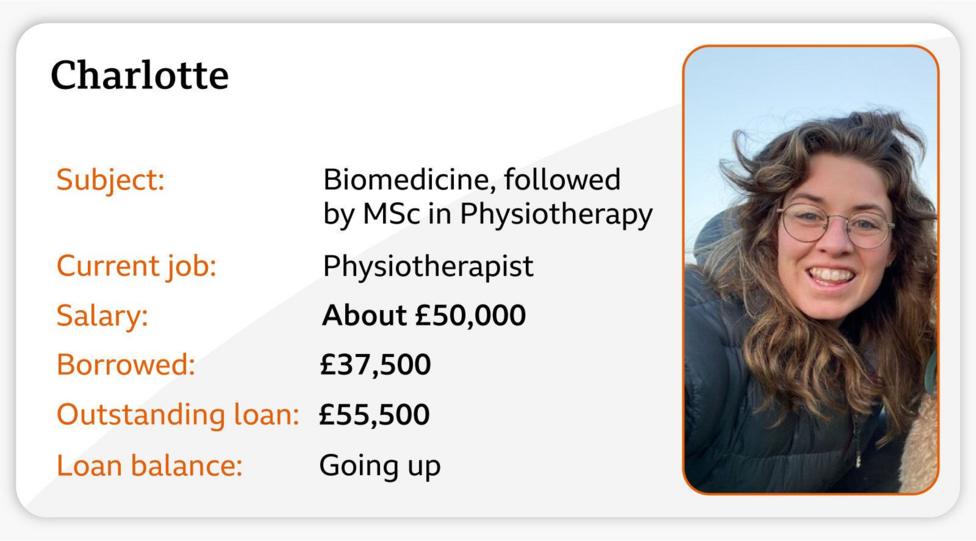
It makes me angry... it's just disheartening,she reflects on the mathematics of her repayment.
Research from the Institute for Fiscal Studies suggests that Plan 2 graduates need to earn approximately £63,000 or more for a loan balance of £50,000 to begin declining. All three friends earn above the national average of £39,039, yet only one has managed to eliminate her debt.
Libby, a project manager at a housing association in Worcester, earns £72,000—well above that threshold—yet her loan balance has remained static at around £47,000 for several years. Currently on maternity leave, she recognises that her interest will continue accumulating while her earnings and monthly repayments drop.
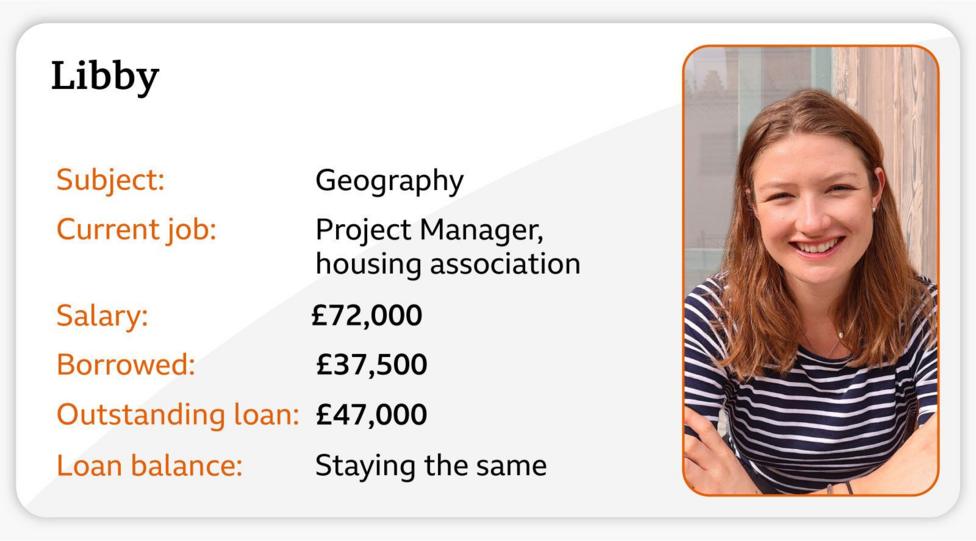
It feels like I will never pay it off, so it's something that I'm kind of just sucking up until the loan is written off,Libby says. She finds it particularly frustrating that her partner, who studied the same course but started university a year earlier under the previous fee regime, faces significantly lower annual debt payments—a difference of thousands of pounds yearly.
The strategy of early repayment
Lizzy, who studied economics and works in financial services in Bristol, took a different approach. Earning £85,000 annually, she is the highest-paid of the three. Last year, she borrowed money from her family to clear her student debt in full, a decision that has already saved her substantial sums.
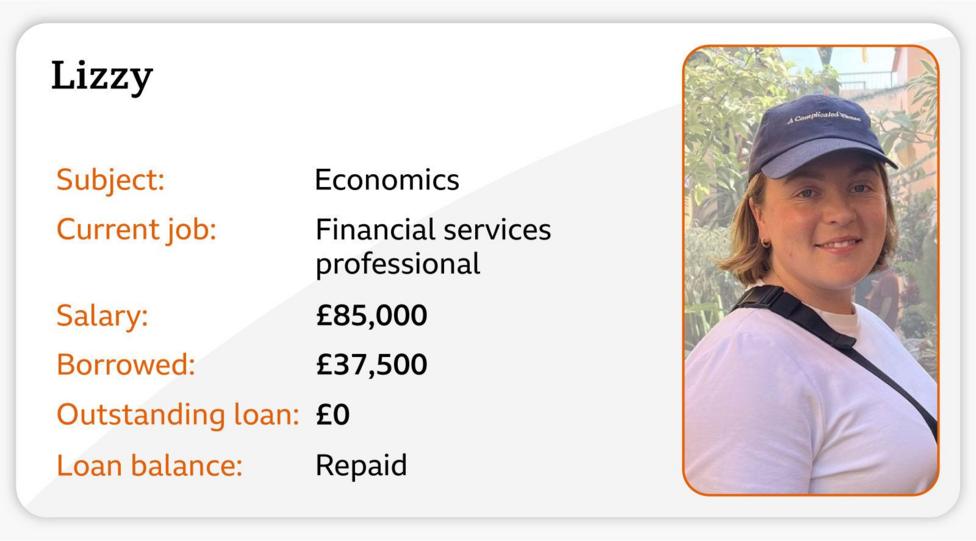
She had calculated that based on her earnings trajectory, repaying through the standard system would take eleven years. By paying off her debt early, she has accrued less interest and expects to repay her family within four years—saving approximately £20,000 in the process.
However, this strategy is not universally advisable. MoneySavingExpert.com founder Martin Lewis has cautioned that only higher earners benefit from voluntary repayments, warning most graduates against being
panicked into overpaying.Finance journalist Holly Mead noted that early repayment makes sense only for those confident they will clear the debt and can make
a really significant overpaymentof tens of thousands of pounds, as Lizzy did. Smaller voluntary payments risk meaning
you're just voluntarily paying more interest that you don't need to pay.
Lizzy acknowledges the privilege embedded in her decision.
I made a gamble on my future self to actually repay it,she explains.
I'm in a very privileged position to be able to do that... Buying your way out of the system or not being in at all is in itself a luxury. It buys you freedom.
How timing shaped their financial futures
Both Lizzy and Libby finished their A-levels in 2011 but took a year out before university—Libby on a gap year, and Lizzy to resit economics after narrowly missing her target grade. This one-year delay proved consequential: they entered university in 2012, when Plan 2 loans began, rather than 2011, when the previous system still applied.
Lizzy's twin sister started university in 2011 and accumulated less debt as a result.
Whether you went to uni in 2012 or 2011 actually financially has a huge impact, and it shouldn't,Lizzy observes. She notes that the implications of this timing difference
was never explainedto her, and it took
probably the best part of 10 years to understand.
This lack of clarity about Plan 2 loans extends beyond individual cases. In March 2026, a BBC investigation revealed that the Department for Education had compared monthly repayments to £30-a-month phone contracts in school presentations a decade earlier. An inquiry by MPs subsequently concluded this amounted to
mis-sellingbecause the comparison was inaccurate for higher earners. The government has since committed to providing university applicants in England with clearer information about student loans before they commit.
The broader campaign for change
All three friends follow the Rethink Repayment campaign, established by Oliver Gardner, which advocates for Plan 2 reform. The campaign highlights how the first Plan 2 borrowers now face competing financial pressures—purchasing property, starting families—that make the burden of student debt feel more acute than it did in their 20s.
Maybe in your 20s, you can get away without saving as much, potentially. But now people are like, 'we need the savings to do these big things that we want to do with our lives',Gardner explains.
The campaign demands a lower Plan 2 interest rate, a reduced repayment rate, and reversal of the government's decision to freeze the repayment threshold. According to the government's 2025 Autumn Budget, the threshold is set at £29,385 from April 2026 and will remain frozen at that level for three years from April 2027. While not the first freeze, this decision has reignited debate about fairness.
Gardner has stated that the government is
engaging much more openly and honestlybut emphasised that
the onus is very much on them in the upcoming October budget to take this by the reinsbecause graduates will not accept
minor tinkering around the edges.
What the government says
The Department for Education responded to criticism by stating it was
taking decisive action to improve the student finance system and break down barriers to accessing universitythrough measures including increased maintenance loans, reintroduced targeted maintenance grants, and
raised the repayment threshold for Plan 2 loans for the first time since 2021.The department added it would
continue to look for ways to make the system fairer for students, graduates and taxpayers in a financially sustainable way.
On 12 September 2026, ministers signalled they would clarify that future governments retain the power to alter student-loan repayment rules, though they stopped short of committing to reverse the threshold freeze, according to government announcements. The Plan 2 interest rate is capped at 6% for the 2026/27 academic year.

What happens next
Chancellor John Healey is scheduled to deliver the Budget on 28 October 2026. Reporting on 1 October suggested that changes to Plan 2 interest or repayment thresholds were considered unlikely, though final decisions had not been confirmed at that time. Graduates and campaigners are watching closely to see whether the government will implement more substantial reforms or maintain its current approach.

Reflecting on the university experience
Despite their divergent financial outcomes, all three friends say they remain grateful for their time at Newcastle, where they bonded over rowing. Charlotte reflects that while she
still wouldn't change my university experience,she might
go back and do something different in the sense of my course and my career trajectory.All three say they would return to university if given the chance, suggesting that the value of their education transcends the financial burden it created.
Their stories illustrate how earnings, career choices, life events and the timing of university entry combine to shape repayment outcomes under Plan 2. For Charlotte, the debt climbs despite consistent payments. For Libby, it stalls while she raises a family. For Lizzy, early repayment through family support has bought freedom from the system. Together, they represent the range of experiences facing the first cohort of Plan 2 borrowers as they navigate their 30s.