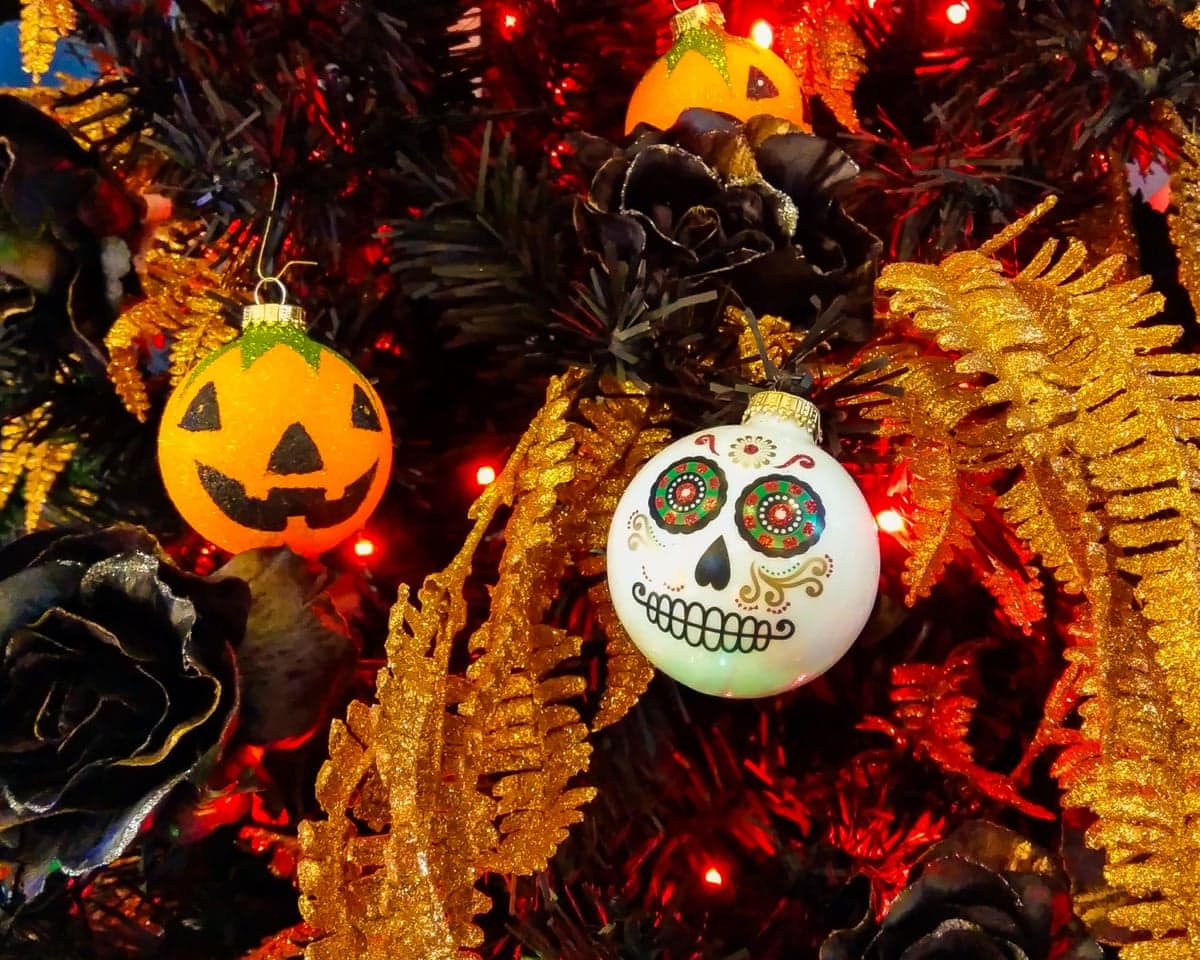
Britons are transforming Halloween from a single evening of trick-or-treating into an extended seasonal celebration that mirrors Christmas traditions—complete with decorated trees, wreaths, ornaments and themed gift-giving. This phenomenon, dubbed Halloweenmas, strips away the financial pressure and rigid expectations of the festive season while maintaining its creative spirit and social appeal.
The shift is measurable and dramatic. Analysis of sales data from the online wholesale platform Faire revealed that products marketed as Halloweenmas items surged more than 500% over four years, climbing from 425 products in 2021 to 2,632 in 2025. Trees, wreaths and ornaments represent the largest growth categories. Charlotte Broadbent, UK general manager for Faire, explained the appeal:
What was traditionally a single-night celebration has turned into a month-long event mirroring many of Christmas's traditions, but without the same level of expectation.
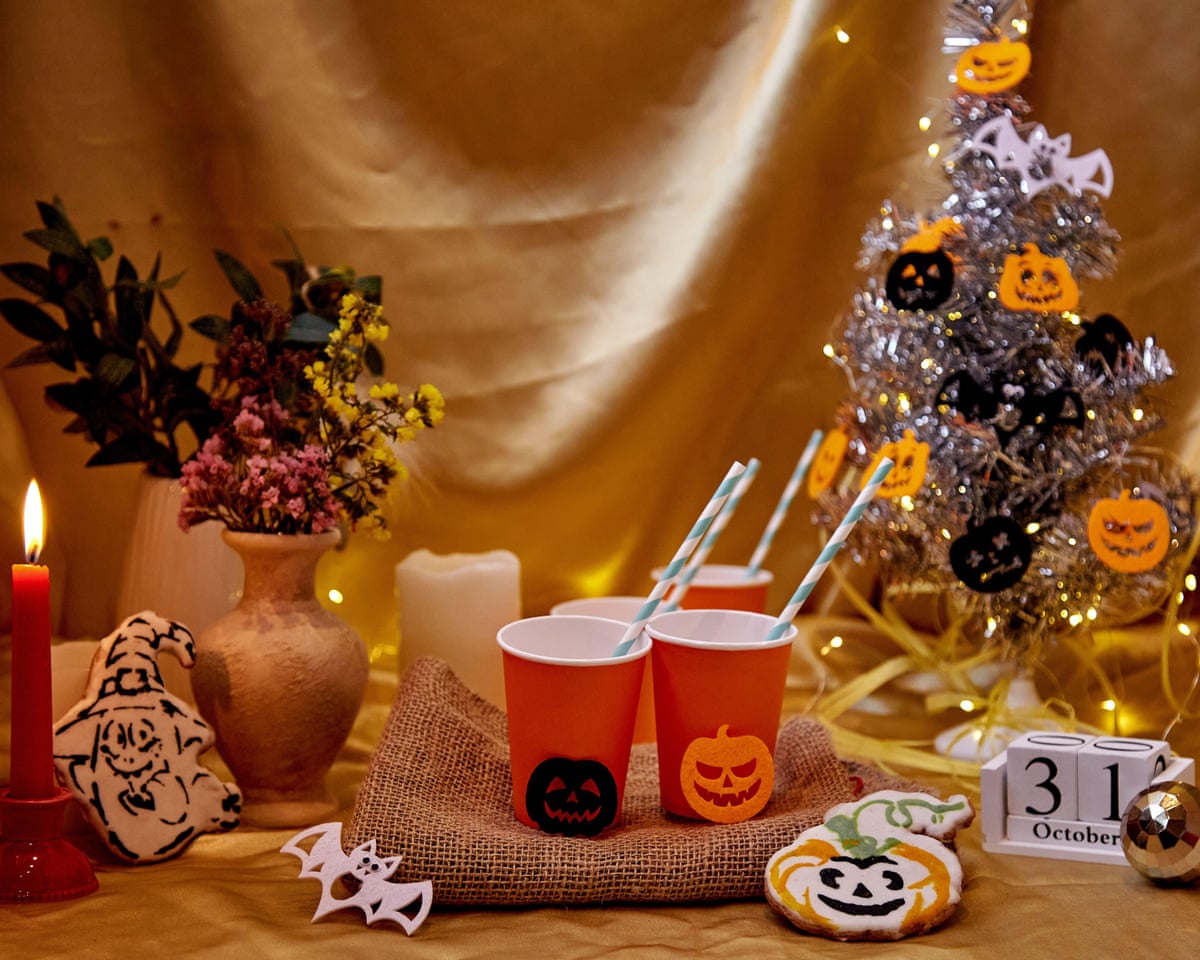
Retailers are capitalising on this trend. The budget chain Wilko reported that artificial Halloween tree sales jumped 200% in September 2025 compared to the same month the previous year, making them one of the biggest decorating trends heading into 2026. The retailer noted that
there really aren't any rules with a Halloween tree. You can go all-out or keep it simple with a smaller tree and a few spooky accessories.
Social media showcases the creative diversity of the trend. Decorations range from student-oriented designs—such as black tinsel trees shaped like witches' hats—to child-friendly approaches featuring DIY spiderwebs made from lolly sticks and felt pumpkins, as demonstrated on the Hobbycraft website. Libby Ewart, who runs the online partyware and gift retailer The Box Party, has responded to demand by purchasing 40% more stock this year. She observed that
houses are decorated earlier and with way more thought than before. Also, this year it falls on a Saturday, so there has never been a better excuse for a party.
Who is driving the trend?
Younger adults are at the forefront of this cultural shift. Research from Mintel, the consumer intelligence group, shows that 16- to 34-year-olds are leading growth in purchases of fancy dress, cosmetics and decorations. Emily Viberg, a senior retail analyst at Mintel, characterised the change as fundamental:
Halloween was no longer just about costumes and sweets, it's about a full season of engagement, gifting and themed activities.
For this demographic, Halloween represents an opportunity for self-expression and experimentation with fashion and makeup. Viberg added that
consumers are increasingly buying into the atmosphere and social moments Halloween creates. Younger adults are at the heart of this shift, transforming Halloween from a one-night celebration into a broader season of self-expression and experience-led spending.
What role does social media play?
Digital platforms have accelerated the expansion of Halloween beyond October 31st. Viberg noted that 40% of Halloween buyers now use social media to purchase products directly.
Viral costume trends, makeup tutorials, home decor inspiration and content tapping into popular culture are shaping consumer spending and helping to extend the season well beyond October,she said.
How much are people actually spending?
Despite the extended season and increased decoration, spending remains modest for most households. According to YouGov's 2025 survey, 55% of Britons spent under £25 on Halloween, while only 8% said they would spend more than £100. GlobalData forecast UK Halloween spending would rise 3.2% in 2025 to approximately £537 million, though 60% of shoppers intending to buy for Halloween expected to cut back because of financial pressures.
Research from Vypr found that 46% of consumers planned to decorate in mid-October and 24% the day before Halloween, with 38% expecting to spend £11–£20 on decorations. Supermarket Tesco emerged as the most-used Halloween shopping destination, named by 33% of YouGov respondents.
Why is this different from Christmas?
The appeal of Halloweenmas lies partly in its freedom from the commercial and social pressures associated with Christmas. Charlotte Broadbent observed that
what we're seeing is people investing into Halloween as a reason to share quality time together ahead of Christmas, with lots of fun and creativity at its heart and without the need to spend big.
Unlike the festive season, which carries expectations around gift budgets, family obligations and formal traditions, Halloween offers a blank canvas. There are no prescribed rules about how to celebrate, no obligation to buy for specific people, and no cultural pressure to spend beyond one's means. This flexibility appeals to households seeking celebration without financial strain.
Key Facts
- Halloweenmas products on Faire's platform increased 500% from 2021 to 2025, with trees, wreaths and ornaments leading growth
- Wilko reported 200% higher sales of artificial Halloween trees in September 2025 compared to September 2024
- Young adults aged 16–34 are driving the trend, using social media to discover and purchase Halloween products and inspiration
- 55% of Britons spent under £25 on Halloween in 2025, with only 8% spending more than £100
- Halloween 2026 falls on Saturday 31 October, creating additional incentive for extended celebrations and parties