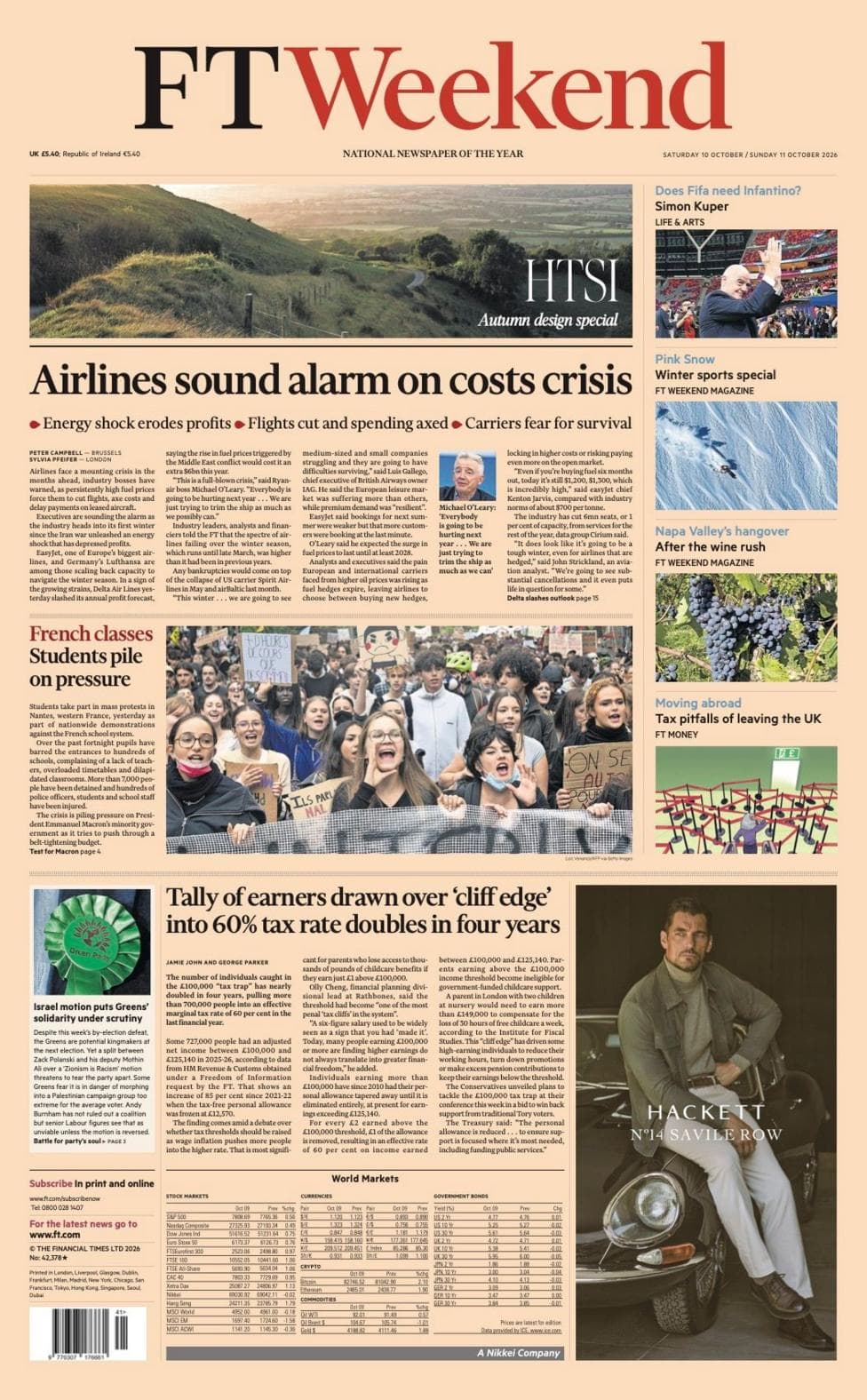
Charities and businesses across the North East are reporting severe financial strain as diesel costs have climbed to unprecedented levels. The average price of diesel in the UK has exceeded £2 per litre for the first time, according to motoring organisation the RAC, forcing organisations that depend on fleet vehicles to reassess their operations and long-term viability.
The spike in fuel costs has been driven by geopolitical disruption. Over the past seven months, conflict in the Iran region has severely disrupted the production and transportation of wholesale oil and refined products, causing prices to surge globally. According to the RAC's fuel price analysis, diesel briefly reached a UK average of 200.01p per litre on 2 October before dipping slightly below £2 by 9 October, but remained approximately 57p per litre above its pre-conflict level.
The financial impact on individual motorists has been substantial. At the 200.01p peak, filling a 55-litre diesel tank cost £110.01—£31.70 more than on 28 February, according to the RAC's calculations.
How are charities coping with the cost?
Cancer charity Daft as a Brush, which provides transport to hospital appointments for cancer patients, is facing an unsustainable financial burden. The Newcastle-based organisation now spends £15,000 monthly on diesel—£5,000 more than the previous year. With a fleet of 30 vans covering 600,000 miles annually, the charity had planned to transition to electric vehicles but says it can no longer afford to do so because donations are being consumed at the pump.
Volunteer driver Davey Hall described the dramatic increase in refuelling costs:
Before the big hikes, we used to maybe fill up and it would take £40-45. Last week, it was £94 to fill the tank from half full.
Head of income generation Scott Jobson explained that the charity receives no fuel discounts and must pay the full market rate.
At the pump, what you see is what we pay,he said, adding that
It stunts our growth and development.The funds being spent on fuel are money raised through donations that would otherwise support the charity's expansion and services.
What impact are rising costs having on commercial operators?
Teesside Minibus Hire in Middlesbrough faces a different but equally pressing challenge. Director Billy Johnson explained that many of the company's contracts with schools and businesses span multiple years and were priced based on fuel costs at the time of signing. This means the business cannot easily pass increased costs to customers without renegotiating agreements.
Johnson described the precarious financial position:
We're not running at a loss yet, but we're running close it to it not being worthwhile or sustainable.The company has attempted to increase prices for day-hire customers, but many are themselves struggling with inflation and unwilling to pay more. This has pushed some customers towards cheaper, unlicensed hire services that operate with lower overheads.
When asked whether the business could survive if fuel prices remained elevated, Johnson was blunt:
Long term, probably not.
What government support is available?
The government introduced a temporary fuel duty freeze in response to Russia's full-scale invasion of Ukraine in 2022, which had pushed prices sharply upward. In May, the government announced it would extend this freeze until the end of the year, capping fuel duty at 5p per litre for both petrol and diesel.
However, the government's amended fuel-duty plan indicates the temporary 5p-per-litre cut is scheduled to run until 31 December 2026, with final rates to be confirmed at Budget 2026. This means the freeze is not permanent and organisations cannot rely on it indefinitely.
The government has stressed there is no cause for concern about potential diesel shortages resulting from the Iran conflict, stating that the country maintains a diverse and resilient fuel supply.
What happens next?
The government is due to confirm final fuel-duty rates at Budget 2026. The current temporary 5p-per-litre cut is scheduled to expire on 31 December 2026, at which point duty rates will be reassessed. For charities and businesses dependent on diesel vehicles, this deadline represents a critical juncture—if prices remain elevated and the fuel duty freeze ends, many organisations may face unsustainable operating costs.