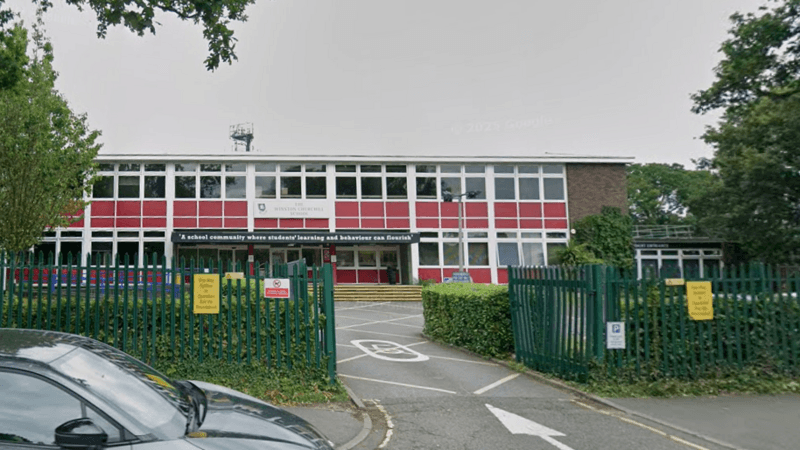
The Winston Churchill School in Woking has reduced the cost of school blazers by £20 through a new approach to uniform supply, opening its own shop where families can purchase items at the school's cost with no markup.
A secondary school in Surrey has partnered with its own uniform supplier to pass savings directly to pupils' families. The Winston Churchill School in Woking launched an on-site and online uniform shop, offering skirts, ties, PE kit and other clothing at the price the school pays, with no additional profit margin added.
Head teacher Zoe Johnson-Walker explained that this strategy had delivered tangible savings.
We've been trying to reduce the cost of our uniform over a couple of years,she said, noting the £20 reduction on blazers compared to the previous academic year.
The school redesigned its uniform for the 2026-27 academic year, aligning with new legal requirements that took effect on 1 September 2026. Under the Children's Wellbeing and Schools Act 2026, secondary schools can require only three branded items, plus a branded tie. Government guidance clarifies that the limit covers PE kit and branded bags, and includes items required only at certain times of year, such as summer dresses.
The Department for Education stated that the new rules would save parents up to £50 per child.
Parents have told us they want fewer costly branded items – and that's exactly what we're delivering. School uniform matters, but it shouldn't break the bank.a department spokesperson said.
How did the school balance cost cuts with parent demand?
Johnson-Walker revealed that the school had initially considered removing branded blazers entirely, as they represented
one of our most expensive itemsbut discovered
quite a large demand from parents to sell it with the badge on. Through negotiation with the supplier, the school secured branded blazers without passing additional costs to families.

The school scrapped branded PE tops but introduced plain black PE shirts in its uniform shop after parents requested them.
We're also trying to maintain standards because uniform, as far as we're concerned, is quite levelling,Johnson-Walker added.
What role are charities playing in uniform affordability?
Family support organisations are working to ease the financial burden on households during the back-to-school period. Nicola Dawes, chief executive at family support charity Stripey Stork, described this time as placing
additional pressure on families from a cost perspective.
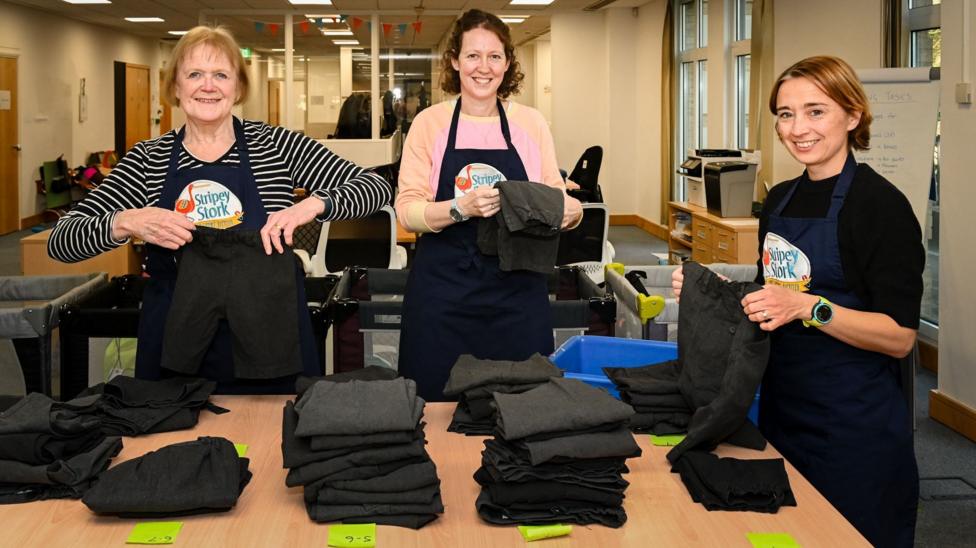
Over the summer, Stripey Stork distributed more than 15,000 uniform items and approximately 1,500 pairs of school shoes through its School Days campaign. Now in its fourth year, the scheme receives council funding and donations of pre-loved items from the community.
It's something we've put a bigger priority on it in terms of our work because we realise how important it is,Dawes said.

The surge in demand for affordable uniforms reflects broader concerns about school costs. Earlier reporting showed that a Hull charity distributing free second-hand school uniforms helped over 100 children prepare for the new term as demand surged ahead of the September 2026 restrictions, while more than 600 people queued at a Peterborough uniform swap shop as parents collected free second-hand clothes.
What happens next for schools?
Schools across England are expected to continue updating their uniform policies to comply with the statutory cap now that the September 2026 rules are in force. The Winston Churchill School's approach of securing direct supplier relationships and passing savings to families represents one model schools are adopting to meet both the legal requirements and parent expectations for affordability.