A Hull-based charity providing free school uniforms has assisted more than 100 children in preparing for the new academic year, as families across the region grapple with mounting costs ahead of government-imposed restrictions on branded items.
Doreen's, located at North Point Shopping Centre, collects unwanted uniforms and redistributes them at no cost to families throughout Hull. The organisation has experienced unprecedented demand in recent weeks, with queues forming outside the shop before opening times.
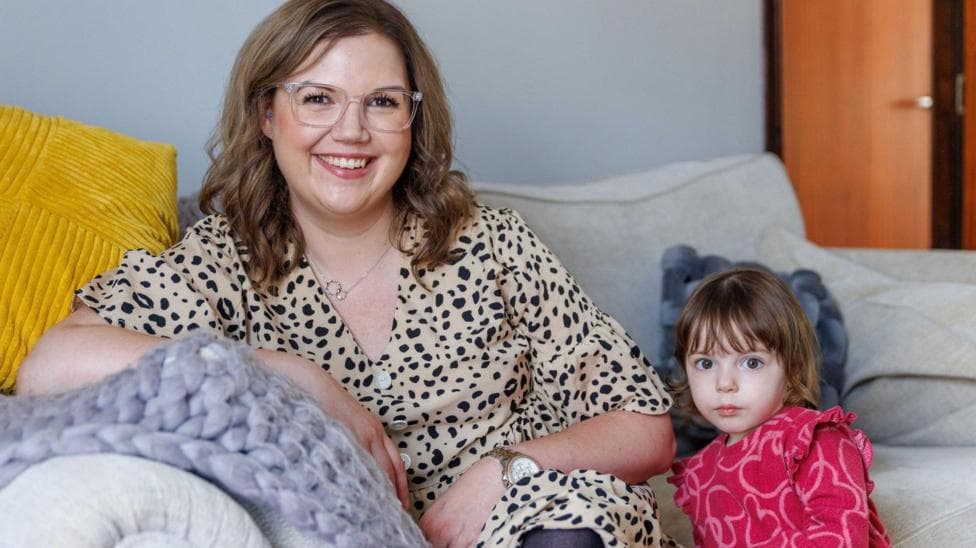
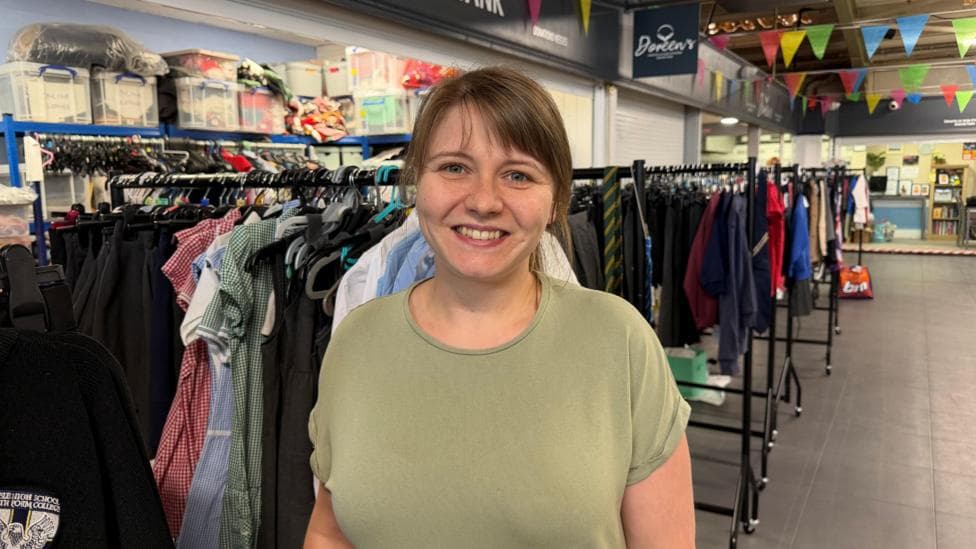
Ashleigh Hirst, the charity's co-founder, explained the scale of the challenge facing families in the area.
The demand is so high so we are just wanting to help with whatever we can.She added that the charity had been particularly stretched during the week leading up to the new school term, having provided uniforms to between 100 and 200 customers in that period alone.
The surge in demand reflects broader concerns about the financial burden of school clothing. According to the latest Department for Education data, the average cost of a complete secondary school uniform and PE kit stands at £442, while primary school pupils require an average of £343 worth of clothing.
Hirst, aged 34, acknowledged that the scale of need had exceeded the charity's initial expectations.
We knew that there was a need, but we didn't realise how big of a need there actually was,she said.
Similar pressures are being felt across the country. A Wirral-based uniform charity has reported record demand as families from both lower-income and more affluent backgrounds struggle with rising expenses. In Peterborough, more than 600 people queued at a uniform swap shop as organisers considered establishing it as a regular service.
What are the new government restrictions?
From 1 September 2026, new legal limits on branded school uniform items come into force across state-funded schools in England. Schools must limit compulsory branded uniform and PE kit items to three, or four for secondary and middle schools if one item is a tie, according to official government guidance.
The restrictions form part of the Children's Wellbeing and Schools Act 2026, which was enacted on 29 April 2026. The legislation defines school uniform to include a bag and any clothing required for school or for school-run activities, not just branded items.

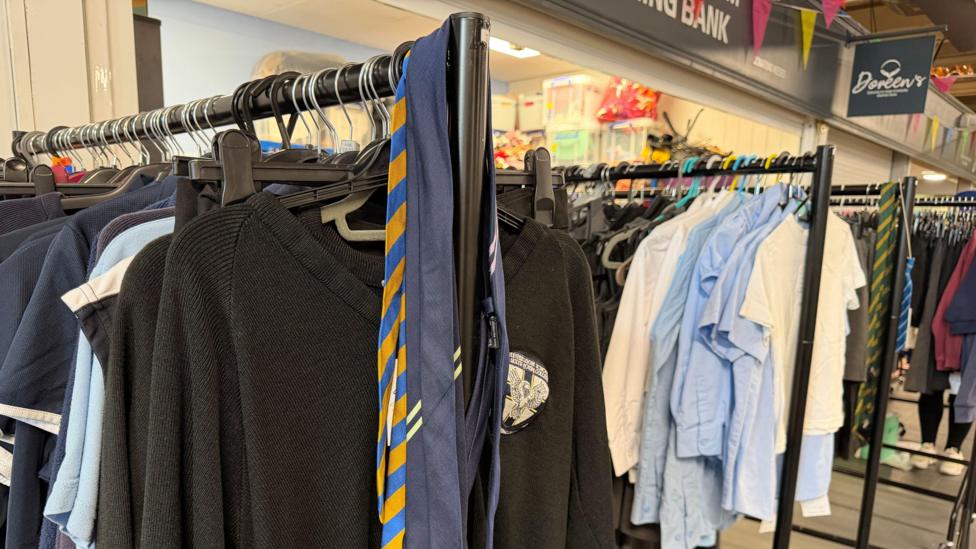
The government has stated that these changes are designed to reduce the financial burden on parents, with potential savings of up to £50 per child. However, opinions on the effectiveness of the policy remain divided.
Will the new rules actually reduce costs?
Sam Singh, founder of Uniform Direct which operates stores in Lincolnshire, questioned whether the approach would deliver meaningful savings.
We believe that a cap on the cost of branded items and school uniform is the best way forward, rather than just capping the number of items.Singh highlighted that trainers and school shoes are often among the most expensive components of a uniform.
Parents and campaigners have raised similar concerns. A Lancashire mum running a free uniform exchange has argued that the new branded-item cap won't cut costs, as pupils will still want matching kit.
Rosemary Randall, a parent from Hull with four children aged four, seven, nine and 11, described the main issue as extending beyond branded items alone. Before accessing Doreen's, she would have spent approximately £500 on uniforms for all four children. She emphasised that the broader challenge was the cost of clothing in general, rather than branded logos specifically.
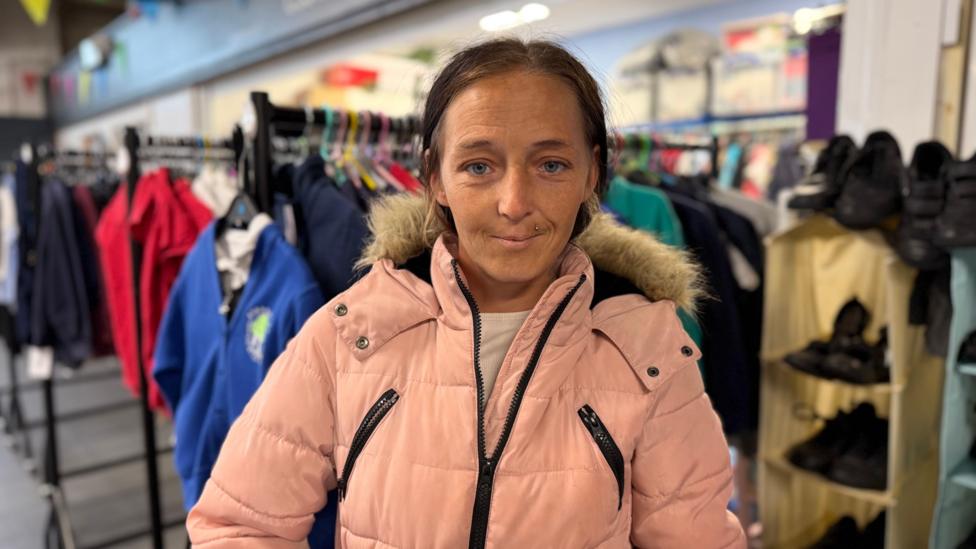
Helen Barley, from Cleethorpes, who has two children aged 10 and 13, described the situation as worsening annually.
It all adds up and I try to save a little bit of money each month, put it to one side, so I know that it's for the uniform shop.She noted that a single pair of trousers and a blazer each cost her £25.
Randall said the charity had
massively supportedher family, providing essential assistance that would otherwise have been financially unattainable.
What does the charity hope for?
Hirst expressed her vision for a more comprehensive solution to uniform costs. She said she would welcome the prospect of free school uniforms for all children, but acknowledged the government's new restrictions as a positive step forward.
Anything like that would make a substantial difference to the families that we support in this area for certain,she said.
The charity's experience demonstrates both the immediate relief that redistribution schemes can provide and the underlying structural challenges facing families managing school costs. As demand continues to grow, organisations like Doreen's are filling a critical gap in support for households struggling with the financial demands of education.
What happens next?
Schools must ensure their uniform policies comply with the branded-item limit from 1 September 2026, with governing boards required to align their policies accordingly. The new rules take effect for the 2026/27 school year, applying across all state-funded schools in England. The government's July 2026 announcement stated the legal limits are intended to cut parents' costs ahead of the new school year.