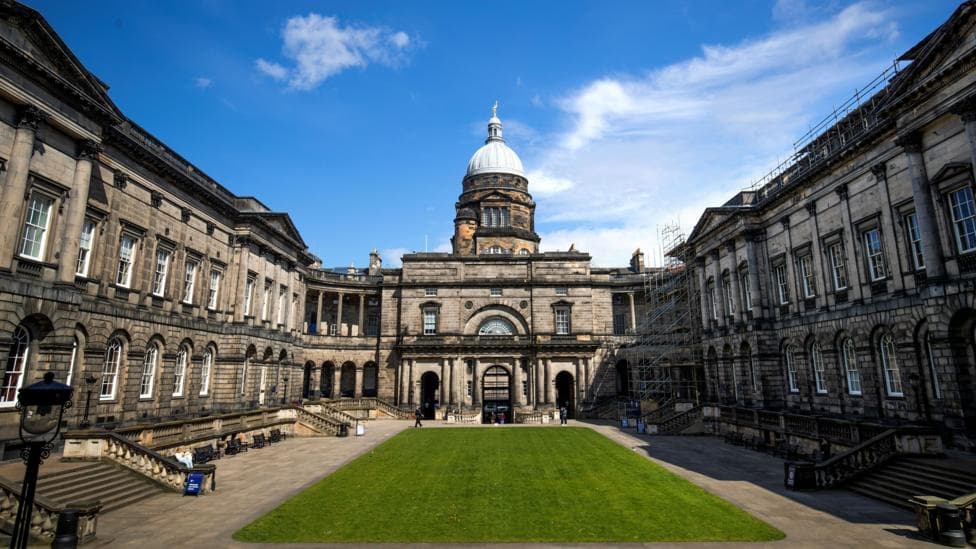
Scotland's 18 higher education institutions are operating with an annual funding shortfall of approximately £200 million, according to a major analysis that paints a deeply concerning picture of the sector's financial viability. The report, published on 28 August 2026 by the joint Scottish government and Universities Scotland initiative known as the Future Framework, warns that current income streams are insufficient to sustain core teaching and research activities, with the situation potentially deteriorating further.
Prof Sir Anton Muscatelli, who led the analysis, described the outlook as
"bleak", emphasising that the £200 million figure reflects the sector's
"current shape" and current range of teaching and research activities. Universities Scotland confirmed that the findings demonstrate the current financial model is fundamentally unsustainable.
The analysis reveals a structural imbalance in how Scottish universities fund their operations. According to research sector reporting, research activities alone faced a £583 million deficit in 2023-24, with only 72% of research costs being recovered through existing funding mechanisms.
How are Scottish universities currently funded?
Scottish universities depend on four main income sources: government block grants, tuition fees from Scottish undergraduates (which are free), fees from students elsewhere in the UK and abroad, and research income. The composition of this funding has shifted dramatically over the past decade, creating both opportunities and vulnerabilities.
Full-time undergraduate students domiciled and studying in Scotland do not pay tuition fees for their first degree, requiring the Scottish government to provide direct funding to cover teaching costs. The report identifies a shortfall of £288 million annually between what the government provides and what universities spend on these courses. This translates to a deficit of £2,703 per Scottish student in the 2023-24 academic year.
A decade ago, international student fees represented less than one-third of teaching income. That proportion has now grown to just under half, effectively surpassing Scottish government funding as the largest single source of teaching revenue. Fee-paying students, predominantly those from overseas and pursuing postgraduate qualifications, generated a surplus of £445 million in 2023-24, but this surplus is being redirected to help offset the substantial research funding gap rather than strengthening overall institutional finances.
Why has international student income become so critical?
Scottish universities have increasingly relied on international student fees because government block grant allocations have consistently failed to keep pace with inflation. This structural underfunding forced institutions to seek alternative revenue streams, making them vulnerable to fluctuations in international enrolment.
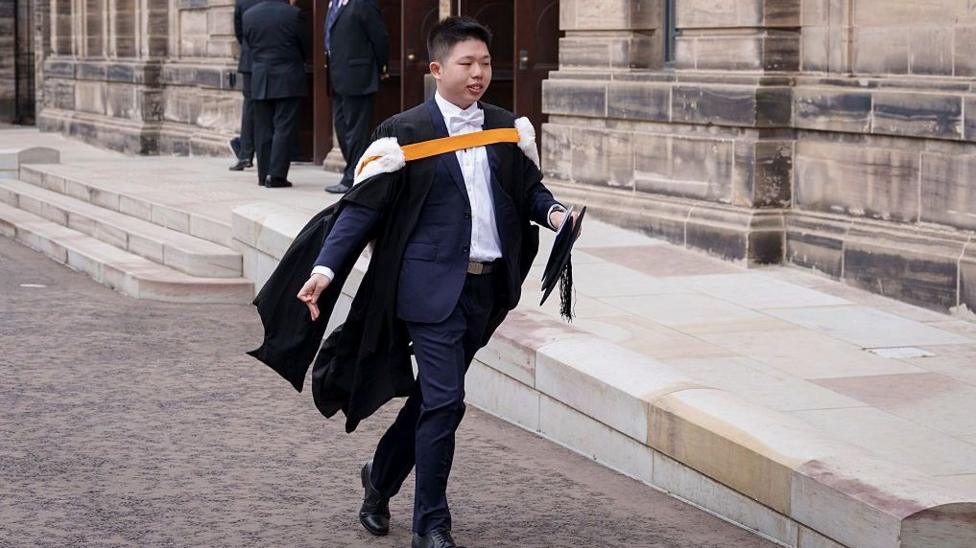
The largest cohort of international students in Scotland originates from China. However, international student numbers have declined for two consecutive years, with a 5% drop in the most recent period. The decline among students from the European Union was significantly steeper, falling 22% during the 2024-25 academic year. According to research sector analysis, this downturn has created
"immediate and severe"consequences for institutional balance sheets.
Dependence on international revenue varies significantly across institutions. St Andrews University draws 46% of its student body from abroad, while the University of Glasgow enrolls 36% international students. This concentration of reliance creates particular vulnerability for individual institutions should international recruitment patterns shift further.
What other factors are pressuring university finances?
Beyond the structural funding gap and volatile international student numbers, Scottish universities face multiple simultaneous financial headwinds. A recent decline in public funding, combined with rising inflation and elevated energy costs, has eroded institutional financial positions. The UK government's restrictions on international student visa routes and the effects of Brexit have compounded these pressures.
The report notes that this
"growing dependence creates vulnerability", yet universities have historically used income from non-publicly funded teaching and commercial activities to offset shortfalls. The warning now is that international student fee income cannot be relied upon indefinitely to sustain current operations.

According to a Scottish Parliament briefing from February 2026, underlying surpluses across Scotland's universities collapsed from £210 million in 2022-23 to just £17 million in 2023-24, illustrating the speed of financial deterioration.
What job losses and spending cuts are already underway?
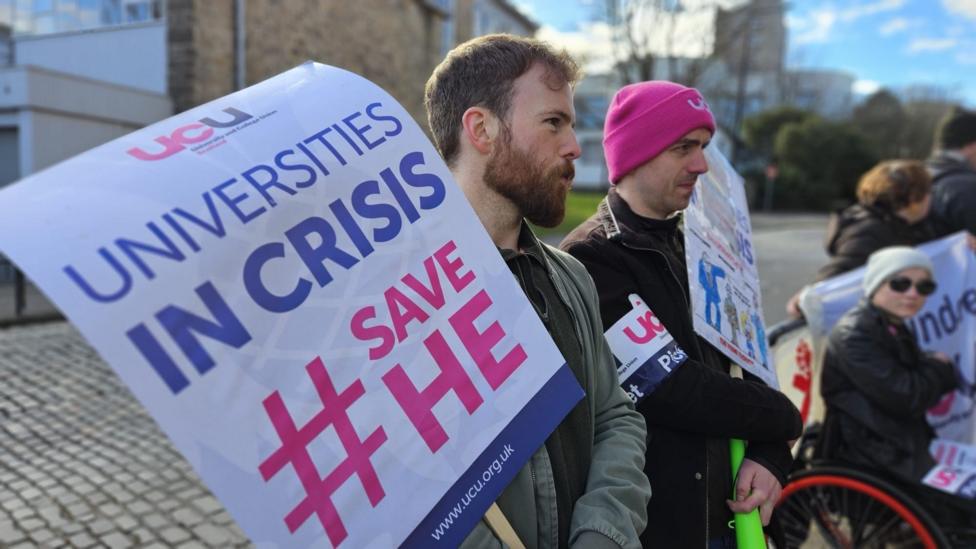
The financial crisis has already triggered significant workforce reductions and service cuts across the sector. Edinburgh University has announced £140 million in spending reductions, currently in dispute with staffing unions over compulsory redundancies. Robert Gordon University in Aberdeen eliminated 190 positions during the previous winter to achieve savings targets. Glasgow Caledonian University faces 100 job losses, prompting Unison members to plan strike action. Many other institutions have announced or are considering further cuts and redundancies.
The University of Dundee received a £62 million emergency bailout from the Scottish government following financial mismanagement, and has since announced plans to cut an additional 190 jobs to save £20 million. Thousands of positions have been lost throughout the entire sector due to funding constraints.
What are political leaders saying?
Scottish government Education Secretary Màiri McAllan acknowledged the urgency of the situation, stating:
"However, I recognise the need to ensure a sustainable model of funding which recognises wider financial pressures facing universities in Scotland and indeed across the UK. This is not a challenge unique to Scotland. The UK Government's crackdown on international student visa routes, coupled with Brexit, inflation, energy prices and increases to employer National Insurance contributions have all added to the sector's financial pressures."

McAllan added that the report
"is transparent in addressing the financial pressures in the sector, establishes a shared and evidence-based understanding of the need for change."
Prof James Miller, representing Universities Scotland, stated:
"Scotland's universities have faced significant financial pressures for some time, and this report provides an important, evidence-based, assessment of their scale."He emphasised that the analysis must initiate broader discussion about ensuring universities remain sustainable and capable of serving future generations.
NUS Scotland President Justine Pédussel characterised the report as laying bare
"the stark reality of the systemic funding crisis in Scotland's universities."She argued:
"Public funding no longer covers the true cost of teaching and other services, leading institutions to plug the gap with international tuition fees. This model is not only unsustainable but is also unfair, placing too high a burden on students."
What are opposition parties saying?
Andrew Bowie, Conservative MP for West Aberdeenshire and Kincardine, described the report as
"stark"and reflective of warnings he had received from university leadership. He stated:
"The current funding settlement is totally broken and something needs to change. Radically. The funding gap is now £200m. That means teaching and research is threatened and puts the very future of our world leading higher education institutions at risk."
Scottish Labour's tertiary education spokesperson Jenny Young accused SNP ministers of consistently ignoring sector warnings and allowing universities to become
"critically underfunded."She highlighted that the maintenance backlog on university estates now exceeds £1.1 billion and warned:
"It is well past time for the Scottish government to wake up to the dire financial crisis our universities are now facing."
Liberal Democrat education spokesperson Duncan Dunlop described the university sector as at a
"crunch point,"cautioning that
"Our university sector that has been at the backbone of practical and intellectual innovation for centuries is at risk of entering a demise similar to our newspaper industry."He called on all stakeholders to seek sustainable solutions.
Iris Duane MSP for the Scottish Green Party stated:
"This crisis didn't come from nowhere. It is the direct result of political choices by government and university executives. Staff and students are now being made to pay the price, with cuts, redundancies and course closures hitting campuses from Dundee to Glasgow Caledonian and beyond."
What happens next?
The Scottish Funding Council has already published its 2026-27 final and indicative funding allocations, setting total teaching funding at £749.9 million and university resource funding at £798.6 million, both showing year-on-year increases. However, these allocations do not address the underlying structural deficit identified in the Future Framework analysis. The immediate priority is sector and government response to the new funding-gap findings. The Future Framework programme remains the active vehicle for further analysis and policy discussion on university funding sustainability, suggesting that additional detailed work will follow this headline assessment.
Key Facts
- Scotland's universities operate with an annual funding gap of approximately £200 million, with research activities alone facing a £583 million deficit and only 72% cost recovery
- International student fees now represent just under half of teaching income, up from less than one-third a decade ago, but international enrolments have fallen for two consecutive years
- Scottish undergraduates pay no tuition fees, creating a £288 million annual shortfall between government funding and teaching costs, equivalent to £2,703 per student
- Thousands of jobs have been eliminated across the sector, with major institutions including Edinburgh University (£140 million cuts), Robert Gordon University (190 positions), and Glasgow Caledonian University (100 positions) announcing significant redundancies
- The University of Dundee received a £62 million government bailout and has announced plans to cut an additional 190 jobs to save £20 million