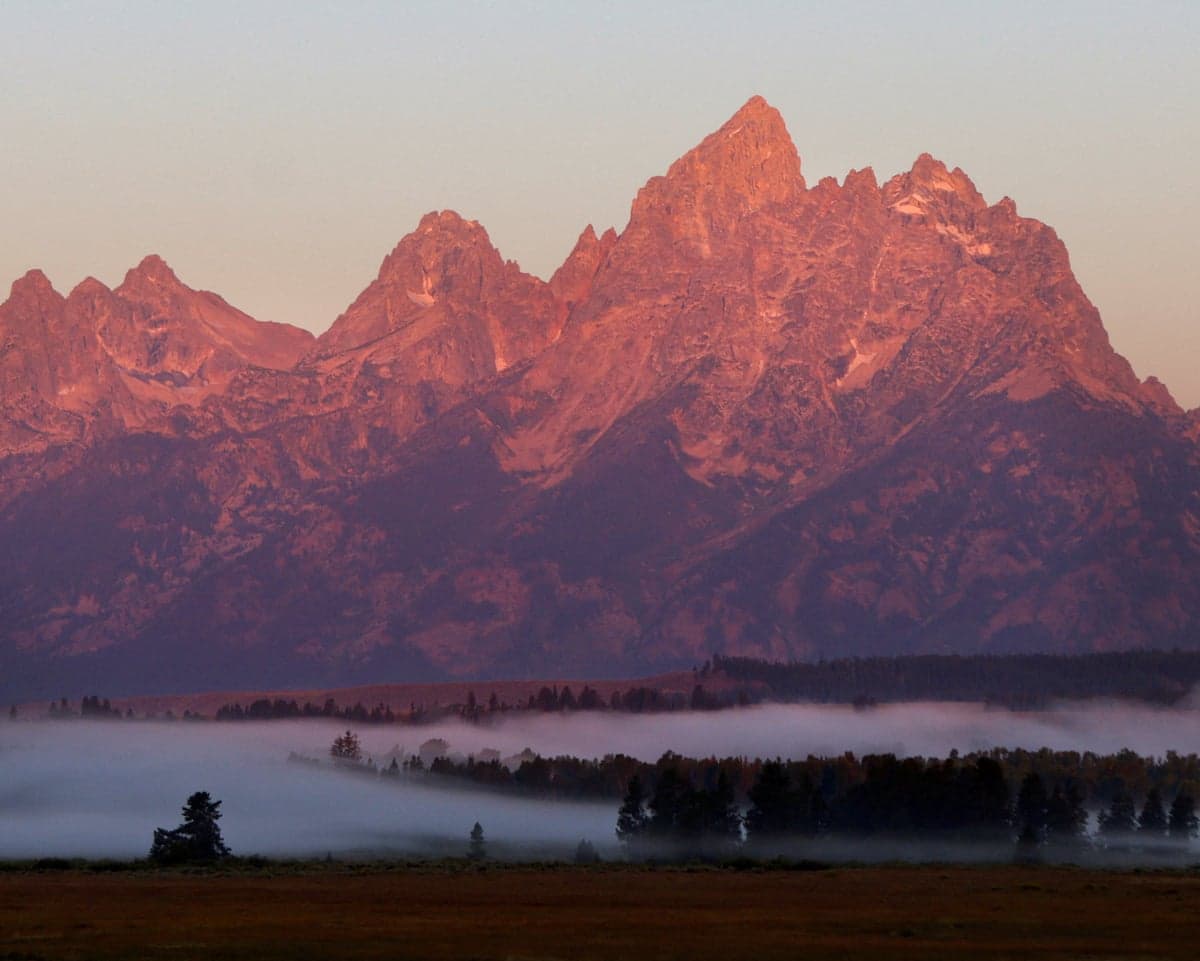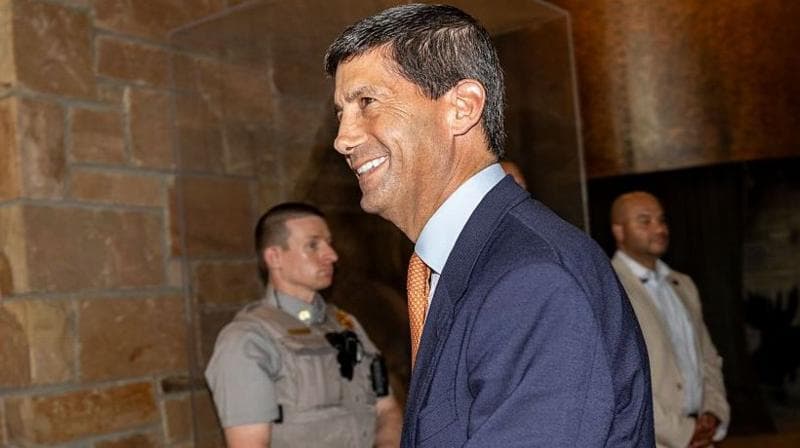
Federal Reserve Chairman Kevin Warsh warned that policymakers face unfinished work if they cannot demonstrate that cost-of-living pressures are genuinely subsiding for American households. Speaking at the annual Jackson Hole Economic Policy Symposium in Wyoming on 28 August 2026, Warsh indicated that while summer inflation readings proved better than anticipated, the underlying trend had not shifted decisively enough to declare victory.
The remarks came as the Fed's preferred inflation gauge, core PCE, stood at 3.3% year over year in July 2026, with headline PCE at 3.7%, both well above the central bank's 2% objective. The latest consumer price index showed prices rising 3.4% in the year to July, underscoring the persistent challenge facing monetary policymakers.
Warsh stressed that his comments should not be interpreted as guidance for future interest rate decisions, yet his language suggested the possibility of rate increases if inflation remains elevated. The Jackson Hole keynote marked Warsh's first major speech since taking the helm of the central bank, and investors scrutinised it closely for signals about the Fed's direction under his leadership.
What standard is Warsh applying to inflation?
Warsh articulated a clear benchmark for the Fed's inflation strategy.
Here is my standard: We must be confident that underlying inflation is moving to our objective, clearly and at sufficient speed. Otherwise, we have work to do.With annual price growth exceeding 2%, he declared that
the Fed's predominant focus right now should be on prices.
The Fed chairman used his Jackson Hole platform to criticise the practice of forward guidance, which central banks adopted following the 2008 financial crisis to signal their policy intentions to markets.
Oversharing policy deliberations and overcommitting to future decisions can lead markets, businesses, and households astray,Warsh stated, arguing that such transparency also restricted the Fed's
freedom to make the right calls when it's time to decide. He explicitly requested that observers not label his remarks as forward guidance.

What is the current state of interest rates?
The Federal Reserve has maintained its target interest rate range at 3.5% to 3.75% for five consecutive decisions, most recently in July 2026. This holding pattern reflects the central bank's cautious approach amid competing pressures: inflation remains stubbornly above target, yet economic growth concerns and financial market volatility complicate the case for further tightening.
The geopolitical backdrop has intensified these tensions. The ongoing conflict between the United States and Iran has triggered a surge in global oil prices, which in turn has elevated borrowing costs across the economy. Higher oil prices have prompted bond market investors to demand greater returns, driving up yields and increasing borrowing costs for the US government and major corporations alike.
How do higher interest rates affect everyday Americans?
Rising borrowing costs ripple through household finances directly. Mortgage rates, car loans, and credit card interest all move in tandem with broader market rates influenced by Fed policy and oil price shocks. When the central bank raises rates to combat inflation, it makes borrowing more expensive, which can slow consumer spending and eventually reduce the pace of price increases. However, higher rates also deliver better returns for savers, creating a trade-off between borrowing and saving incentives.
What is the scale of America's debt problem?
The surge in interest payments has driven US national debt past the $40 trillion mark, a figure that has doubled over the past decade under both the Trump and Biden administrations. According to the Congress Joint Economic Committee, the debt is rising by approximately $90,000 every second, or $7.8 billion daily. Treasury Secretary Scott Bessent announced that the government would purchase back more debt in an effort to lower borrowing costs, though market reaction to that announcement proved short-lived.
Warsh was appointed by President Donald Trump in May 2026. Trump had previously pushed Warsh's predecessor, Jerome Powell, to cut interest rates and has made clear his expectation that Warsh will deliver reductions in borrowing costs for Americans. This political pressure adds another layer of complexity to the Fed's decision-making as it weighs inflation concerns against growth and employment objectives.
When is the next Fed decision?
The Federal Reserve's next interest rate decision will be announced on 15-16 September 2026. That meeting will occur just weeks after Warsh's Jackson Hole speech and will represent a critical test of whether the Fed moves toward rate increases, maintains its current stance, or signals a shift in policy direction. Market participants have intensified debate over whether rates should be lifted or held steady, with Warsh's rhetoric likely to inform expectations heading into that decision.
Key Facts
- Federal Reserve Chairman Kevin Warsh declared on 28 August 2026 that policymakers have "work to do" if inflation does not ease, signalling potential rate increases ahead.
- The Fed's preferred inflation measure, core PCE, remains at 3.3% year over year, well above the central bank's 2% target.
- Interest rates have been held at 3.5% to 3.75% for five consecutive decisions amid oil price pressures linked to US-Iran conflict tensions.
- US national debt has surpassed $40 trillion and is growing by approximately $7.8 billion daily, driven partly by higher interest payments.
- The next Federal Reserve policy decision is scheduled for 15-16 September 2026.