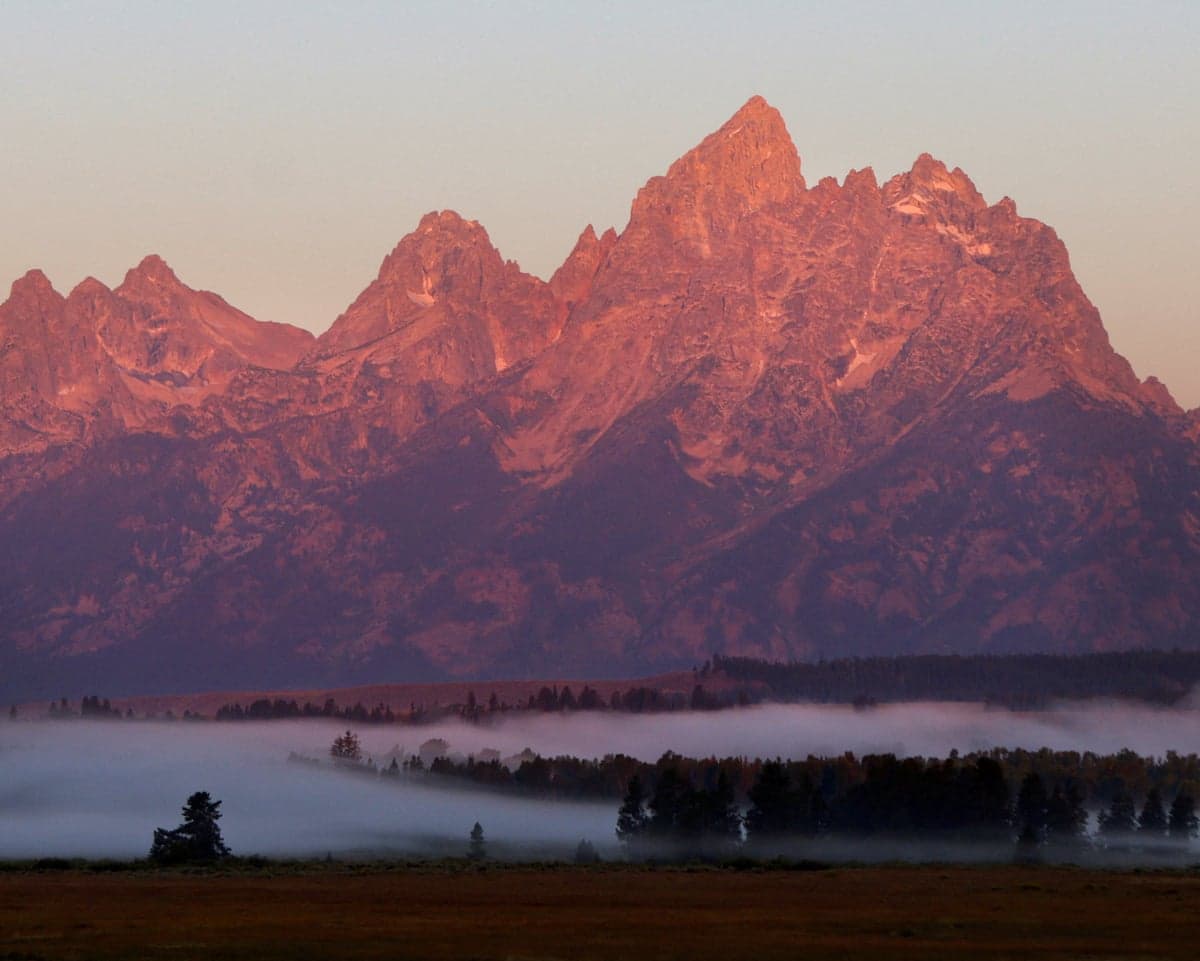
Central bankers and economists are gathering near Yellowstone National Park in Wyoming for the annual Federal Reserve symposium at Jackson Hole, with inflation and bond market dynamics dominating the agenda as global economic pressures intensify.
The focus falls squarely on Kevin Warsh, who will deliver his first keynote address as Federal Reserve chairman on Friday, 28 August 2026 at 10 a.m. Eastern time. The speech comes at a critical moment, as the Fed navigates persistent inflation concerns and unprecedented intervention in the bond market by Treasury Secretary Scott Bessent.
Warsh faces mounting expectations to clarify the Federal Reserve's approach to inflation if price pressures persist, and to address the potential conflict between Treasury bond-buying operations and the central bank's monetary policy objectives. In July, Warsh created market uncertainty by suggesting that financial markets, rather than the Fed, should lead efforts to tighten financial conditions—a statement that economists want him to explain more clearly, including what conditions would prompt rate changes.
Why Jackson Hole matters for markets
Jackson Hole has earned the nickname "Davos for central bankers" because it has historically served as a platform for signaling expected monetary policy. Investors are watching whether Warsh will maintain the Fed's traditional Jackson Hole signaling role or avoid giving a clear policy roadmap in his debut speech. Warsh has previously stated he does not believe forward guidance is useful outside of economic crises, raising questions about whether he will break with convention.
Ipek Ozkardeskaya, senior analyst at Swissquote, identified three reasons the stakes are particularly high for this address. First, it marks Warsh's inaugural Jackson Hole speech as Fed Chair at a time when inflation remains stubbornly above the Fed's 2% target. Second, Warsh is attempting to reshape how the Federal Reserve functions and communicates policy to markets. Third, investors are uncertain how the Fed will respond to Treasury Secretary Bessent's recent bond market intervention.
The Treasury-Fed collision course over bond markets
Treasury Secretary Scott Bessent has intensified efforts to push down long-term US borrowing costs through direct market intervention. According to Euronews reporting, Treasury buybacks were increased from $2 billion to $4 billion per operation for 10-to-30-year bonds. This strategy puts the Treasury on a potential collision course with the Fed, as lower borrowing costs stimulate economic activity and could undermine the central bank's battle against inflation.
The tension reflects a deeper challenge: the US national debt has surpassed $40 trillion, intensifying pressure on long-term borrowing costs and making bond yields central to economic policy debates. Billionaire investor Stanley Druckenmiller, Bessent's former mentor, has publicly warned that the Treasury's bond buyback strategy will ultimately fail, arguing that deficit reduction—not market intervention—is the only sustainable path to lower long-term borrowing costs.
What Warsh might say—or not say
There is considerable speculation that Warsh may not provide forward-looking policy guidance at all. In July, he indicated uncertainty about the speech's direction, saying he had not yet decided
whether it's going to be a big-picture speechor something more traditional.
Kathleen Brooks, research director at trading firm XTB, suggested that
This speech could focus on bigger issues, such as how he plans to run the world's most important central bank, and also what changes he will make and when. While not offering direct guidance on the future of interest rates, everything he says will be scrutinised by investors, and changes that he plans to make could still trigger market volatility.
Deutsche Bank outlined potential scenarios in a note to clients. A big-picture speech could include discussion of the Fed's taskforces or artificial intelligence's economic impact. Alternatively, a more traditional address might serve as a cleanup of Warsh's July press conference remarks and counter the market narrative that Fed policy actions could be delayed pending completion of taskforce work.
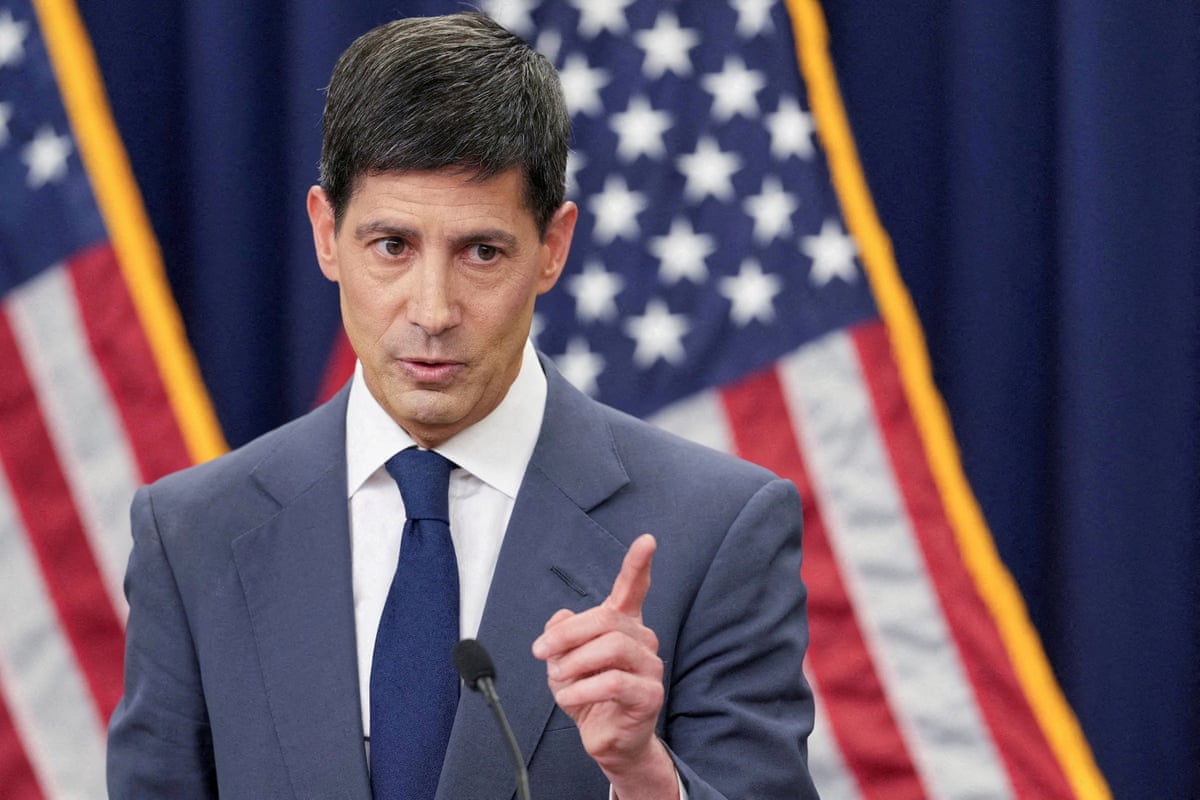
Inflation remains stubbornly elevated
Inflation continues to resist downward pressure despite the Fed's efforts. According to recent data, July PCE inflation stood at 3.7% year on year, with core PCE—which excludes volatile food and energy prices—at 3.3%. These figures remain well above the Fed's 2% target, underscoring why inflation control dominates the Jackson Hole agenda.

The persistence of inflation has been exacerbated by global economic shocks, particularly tensions in the Middle East. The US-Iran conflict has contributed to oil price volatility and broader economic uncertainty, factors that complicate the Fed's policy calculus.
The broader economic backdrop
Economic conditions across the Atlantic add to global uncertainty. France narrowly avoided recession in the first half of 2026, with revised figures showing economic output contracted 0.2% in the first quarter and remained flat in the second quarter. The statistics agency Insee had previously estimated a 0.1% decline in the first quarter and 0.2% growth in the second, meaning the revised figures are weaker than initially reported.
French Finance Minister Roland Lescure attributed part of the weakness to summer heatwave impacts on economic activity. The French government faces a difficult balancing act: it aims to reduce its budget deficit to below 5% of GDP next year while simultaneously managing pressure across Europe to increase defence spending and artificial intelligence investment. Lower GDP forecasts will only complicate these efforts.
Other central bank developments at Jackson Hole
Several other Federal Reserve officials are attending the symposium. Fed Governor Lisa Cook remains the subject of ongoing political scrutiny despite a US Supreme Court decision in June that she should remain in her position while fighting mortgage fraud allegations. The White House sent Cook a letter earlier this month accusing her of falling
well short of the standardrequired of a sitting Fed governor and requesting a written response to the same allegations. Cook's legal team has characterized the allegations as
baseless now as they were a year ago.
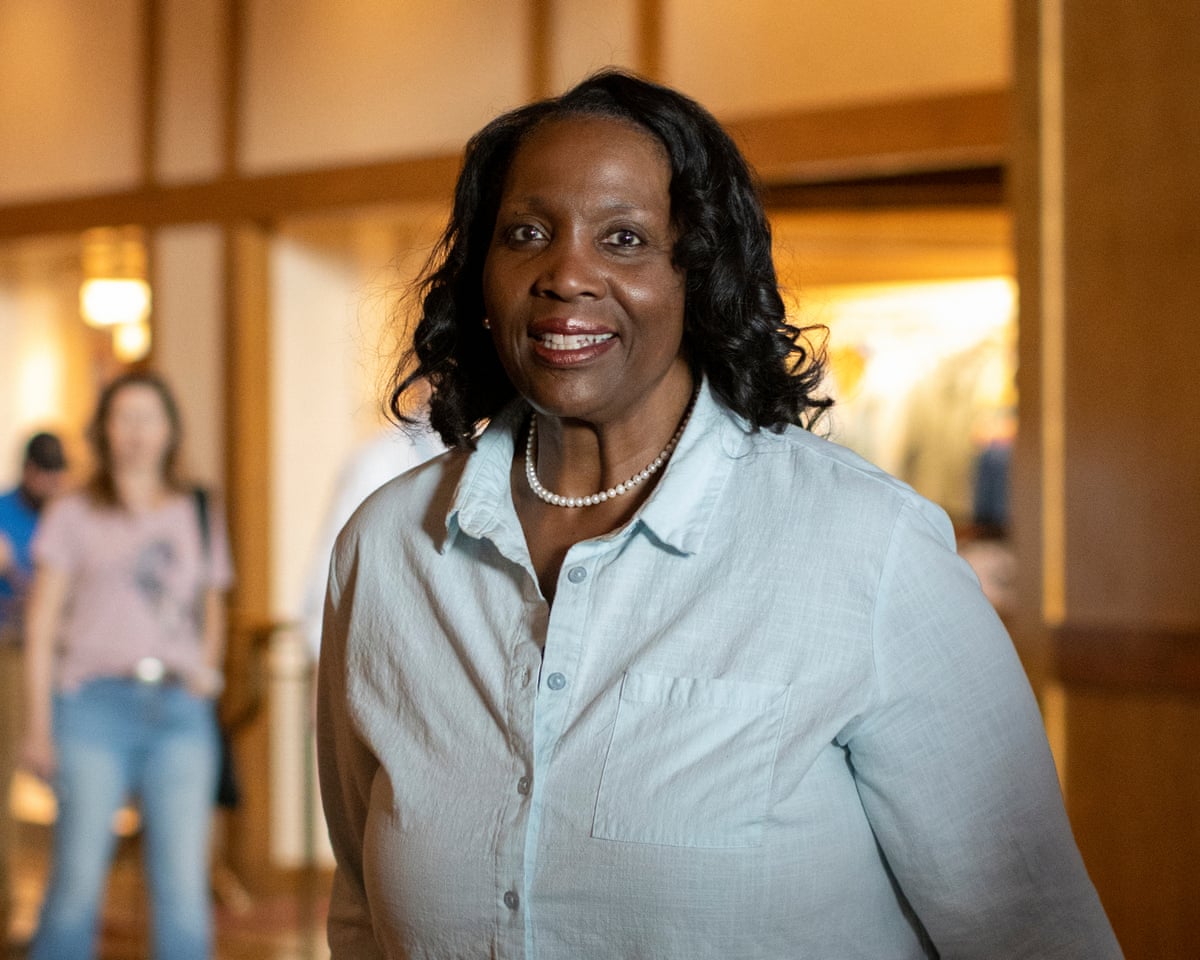
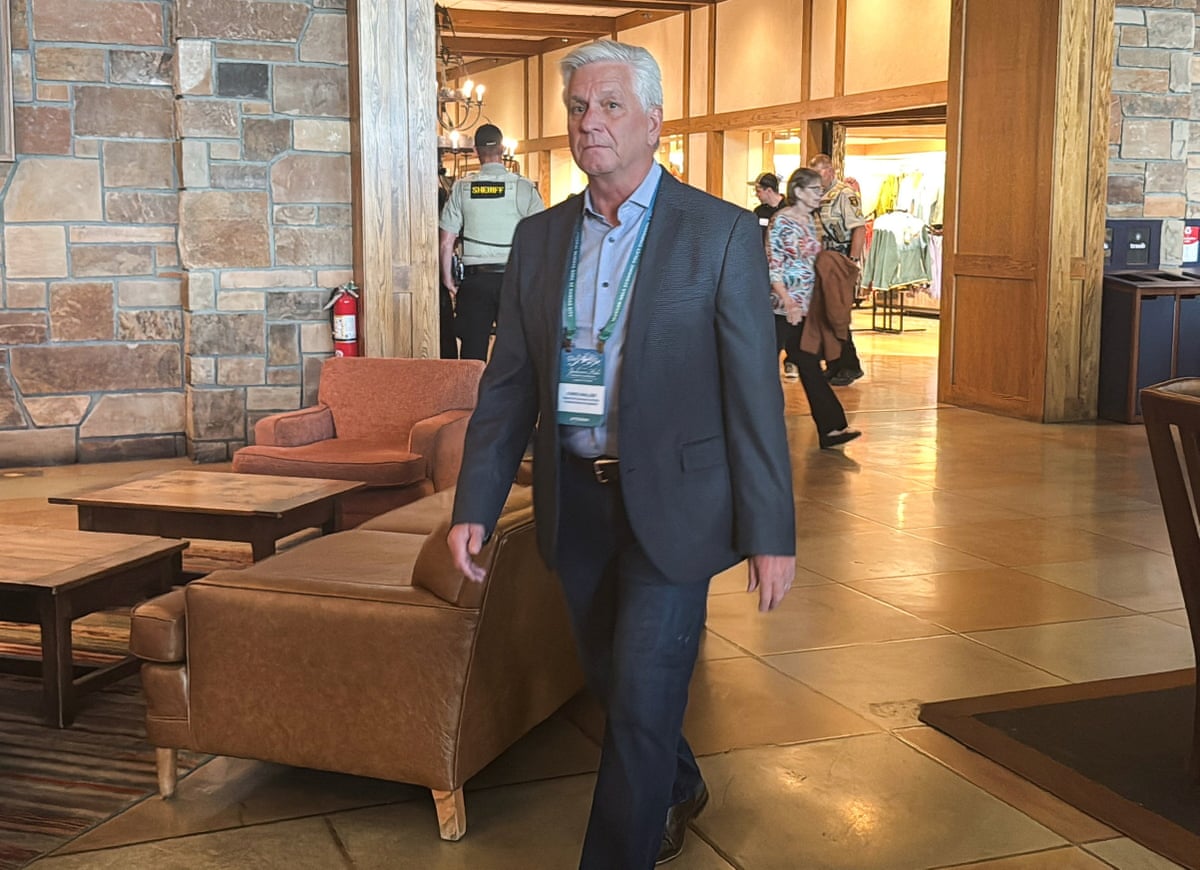
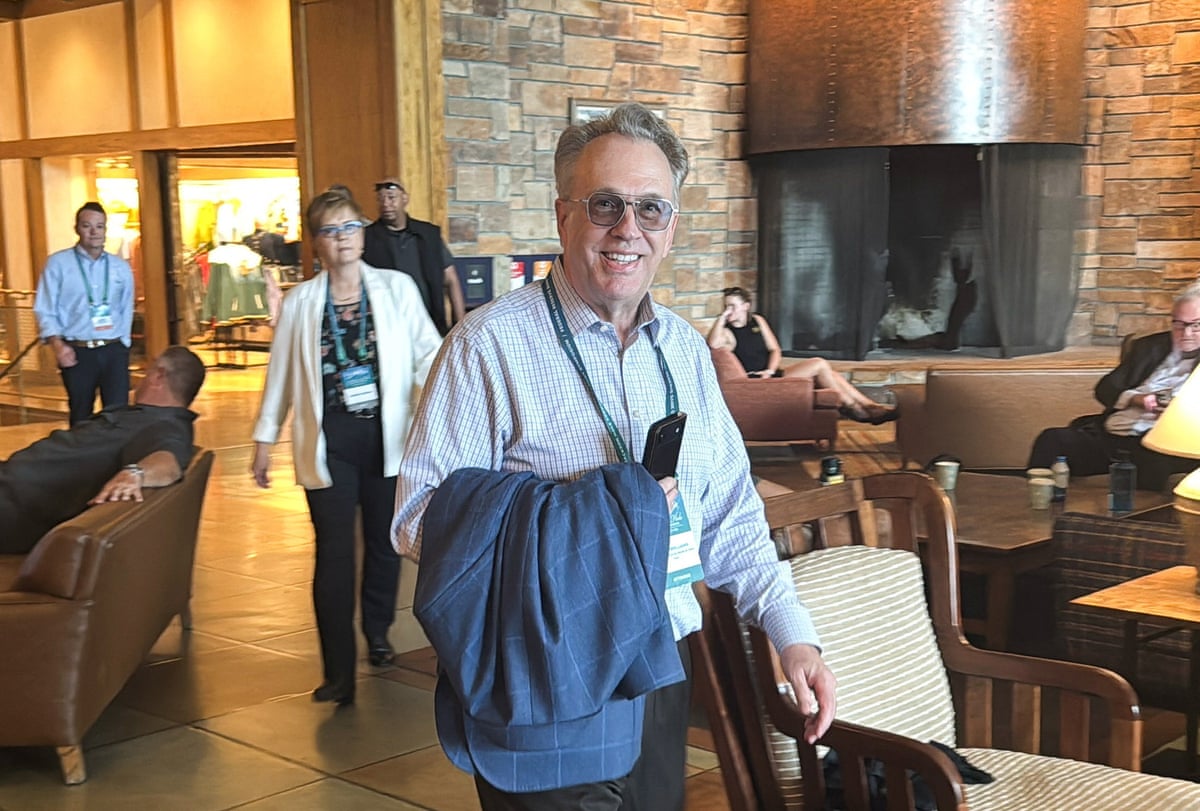
Also present at the conference are Fed Governor Christopher Waller, Federal Reserve of New York President John Williams, and Federal Reserve of Kansas City President Jeffrey Schmid.
Government action on debt enforcement in the UK
In separate economic policy news, Prime Minister Andy Burnham announced a crackdown on rogue bailiffs as part of efforts to ease the cost of living. The government is strengthening rules governing bailiffs in England and Wales to better protect people in debt from overcharging and aggressive behaviour.
Private bailiffs will be required to obtain accreditation from the Enforcement Conduct Board (ECB) or work for an enforcement company that is accredited. The government stated that
Private bailiffs will be held to consistent professional standards, and those facing enforcement action will have access to an independent complaints process – strengthening the rights of the most vulnerable.

The enforcement industry collects more than £1 billion annually, yet enforcement companies have not been required to obtain ECB authorisation, and some have refused to to the scheme. The announcement comes two months after government inaction on the issue was publicly revealed.
What happens next
Warsh's keynote address on Friday, 28 August 2026 will be the immediate focal point for markets. The symposium's theme is "Financial Innovation: Implications for Payments and Policy", which may shape the topics Warsh chooses to emphasise.
Following the Jackson Hole speech, the Federal Open Market Committee is scheduled to hold its next policy meeting on 15-16 September 2026, where it will announce its rate decision and updated economic projections. This meeting will provide the next major checkpoint for monetary policy and an opportunity for the Fed to clarify its stance on inflation, bond market dynamics, and the economic outlook.
Key Facts
- Fed Chairman Kevin Warsh delivers his first Jackson Hole keynote on Friday, 28 August 2026 at 10 a.m. ET, with markets watching whether he will maintain traditional policy signaling or break with convention
- Inflation remains elevated at 3.7% year on year for PCE and 3.3% for core PCE, well above the Fed's 2% target
- Treasury Secretary Scott Bessent has doubled bond buyback operations to $4 billion per transaction for longer-dated securities, creating potential tension with Fed policy objectives
- The FOMC will meet on 15-16 September 2026 to announce its next rate decision and updated economic projections
- France narrowly avoided recession in the first half of 2026, with revised figures showing contraction in Q1 and flat growth in Q2