
A Worcester-based haulage company has attributed a significant fuel theft to the financial pressures created by rising diesel prices. Martin Pinches, director of M Pinches & Sons Ltd, reported that thieves stole 400 litres of diesel from two vehicles at the company's site between 24 and 25 October. According to BBC News, the incident highlights how elevated fuel costs are driving criminal activity in the haulage sector.
Pinches described diesel as having become "liquid gold" and estimated the stolen fuel was worth approximately £800. The theft caused additional damage, as the perpetrators cut pipes on fuel sending units and fuel caps, forcing the vehicles out of service for a full day while repairs were completed. "Because we're a business, and we use more fuel, it's a bigger burden on us really," Pinches said of the financial impact on his operation.
West Mercia Police confirmed receiving a report of the burglary and stated that
a large quantity of fuel was stolen from two lorries on the site. Inquiries are ongoing.
Why are fuel prices so high?
Motor fuel prices have risen sharply due to ongoing geopolitical tensions affecting global supply. Diesel recently exceeded £2 per litre for the first time in several years. According to RAC data, average UK diesel reached 200.1p per litre in October, representing a 59p increase since late February, while petrol rose 42.5p to 174.8p per litre over the same period. The cost of filling a typical family car with diesel has increased by around £30 since late February, with a petrol tank costing approximately £23 more.
These price movements reflect broader economic pressures on businesses and households. Charities and businesses across the North East are struggling as diesel prices exceed £2 per litre, with some organisations reporting monthly fuel costs in excess of £15,000. Small haulage and transport operators have been particularly hard hit, with some reporting additional weekly costs of £1,200 or more.
What government support is available?
The government has extended a temporary reduction in fuel duty to ease the burden on drivers and businesses. During the 28 October Budget, Chancellor John Healey announced that the 5p-per-litre fuel-duty cut, originally introduced by Rishi Sunak in 2022, would be extended through June 2027. According to Fleet News, the planned increase in fuel duty is now scheduled to take effect on 1 July 2027 rather than in January as previously planned. This means drivers will continue to pay the levy at 52p per litre until the extension expires.
The extension represents a reversal of earlier government plans. In May 2026, the government had extended the temporary cut only through 31 December 2026, with rates otherwise scheduled to rise in January and March 2027. The latest decision provides additional breathing room for businesses facing sustained pressure from elevated fuel costs.
How is this affecting the haulage sector?
The combination of high fuel prices and criminal activity is creating a difficult operating environment for haulage companies. Pinches acknowledged that the threat of further theft is constantly on his mind. To mitigate the risk, he said the company would consider instructing drivers not to fill lorries until the morning of their scheduled departure, reducing the amount of fuel available on site overnight.
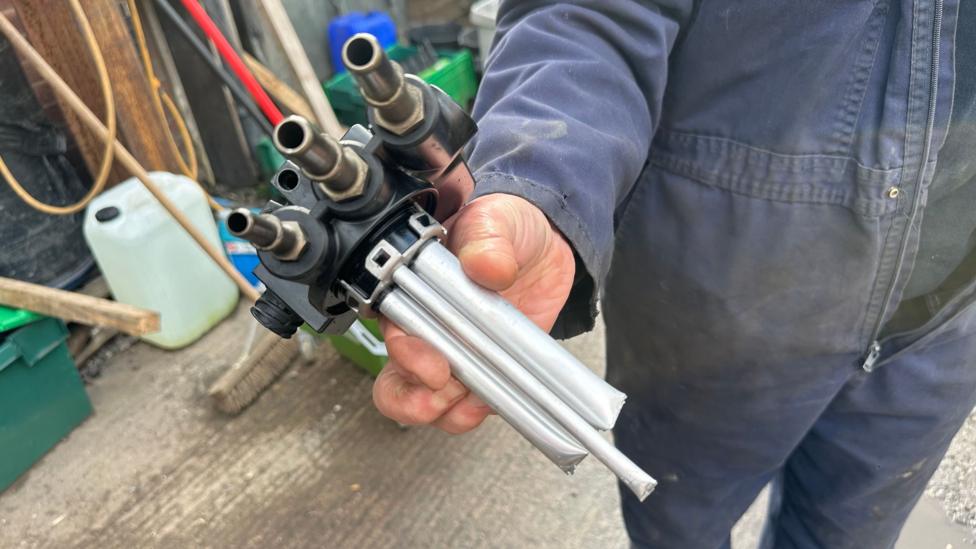
The incident reflects a broader trend of fuel-related crime linked to price volatility. Earlier reporting showed that petrol thefts have risen 62% amid fuel price hikes, with retailers reporting increased abuse toward staff and police intensifying efforts to combat theft. The financial stakes are substantial: a breakdown service owner reported fuel costs hitting his business by between £9,000 and £11,000, while a cancer charity now spends £15,000 monthly on fuel as prices remain elevated.
What happens next?
The fuel-duty cut will remain in place until 30 June 2027, when the government's extension expires. Unless further action is taken, the duty will increase on 1 July 2027, potentially adding further pressure to fuel costs for businesses and households. Pinches and other hauliers will be watching closely to see whether the government introduces additional support measures as the expiry date approaches.